How To Intonate A Bass Guitar: Quick Tuned Setup
Match open string and 12th fret fretted notes by adjusting saddle positions precisely.
I’ve intonated dozens of bass guitars over 15 years as a player and tech. This guide on how to intonate a bass guitar breaks the process into clear, low-stress steps. You’ll get tool lists, step-by-step instructions, troubleshooting tips, and real-life lessons so your bass plays in tune up and down the neck. Read on and you’ll be able to intonate a bass guitar confidently, even if you’ve never done it before.
Why intonation matters
Intonation is how well a bass plays in tune across the whole neck. A bass that is in tune at the open string can still be sharp or flat when fretted at higher positions. Learning how to intonate a bass guitar fixes that mismatch. Good intonation makes chords sound clean and bass lines lock tight with other instruments.
A few quick concepts:
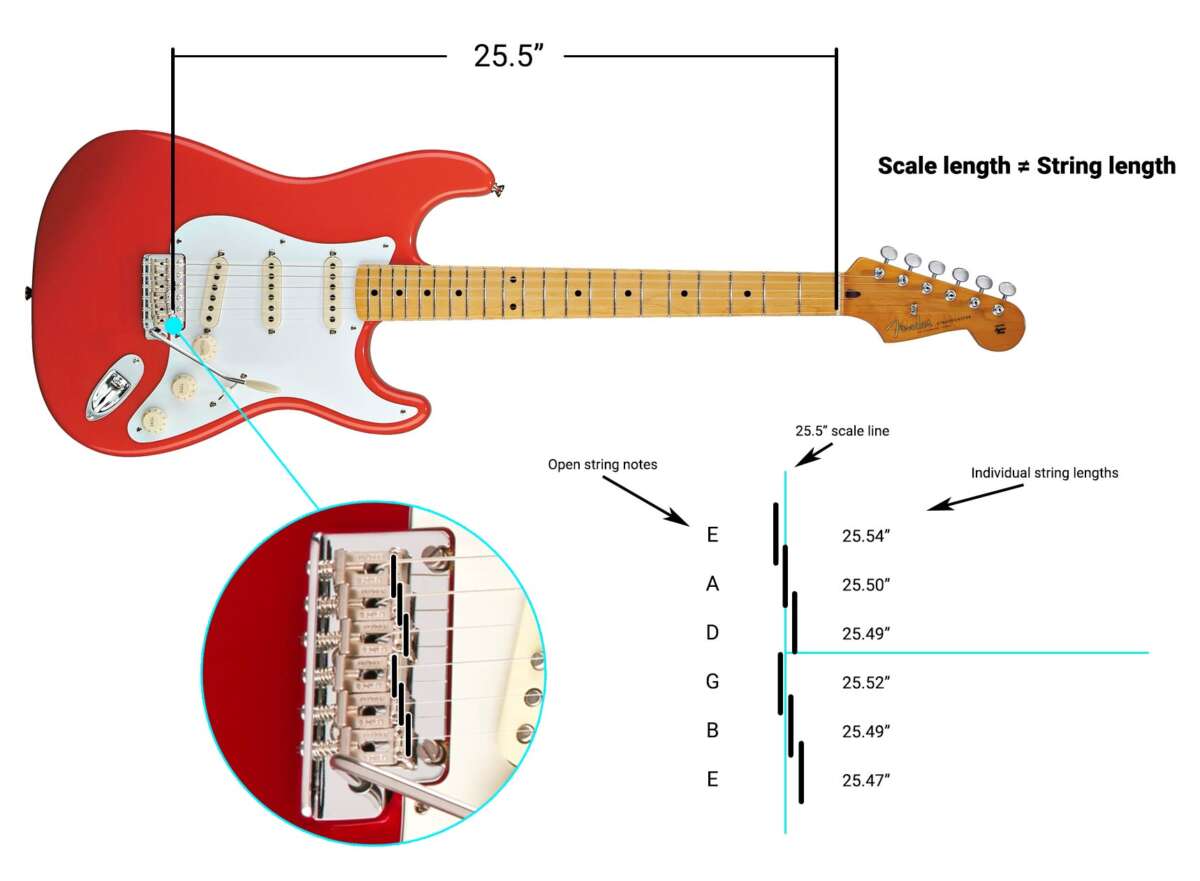
- Scale length — the vibrating length of the string. Changing saddle position changes scale length slightly.
- Compensation — small adjustments at the saddle compensate for string thickness and action.
- Reference points — open string pitch and the 12th fret harmonic tell you if the scale is correct.
Getting intonation right improves recording, live performance, and the feel of your instrument. It also helps you notice other setup issues like bad frets or a bowed neck.
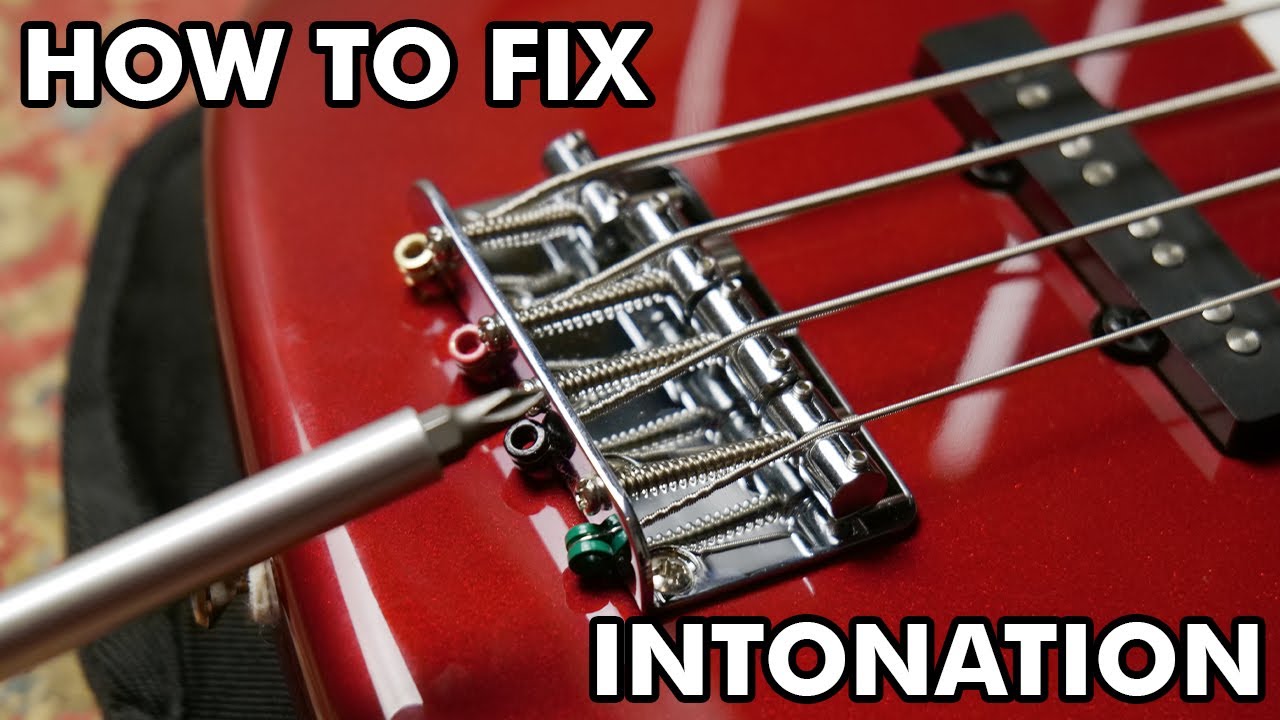
Tools and parts you need to intonate a bass guitar
You don’t need a full workshop. A few reliable tools will do the job:
- Good chromatic tuner — preferably a pedal or clip-on with strobe accuracy.
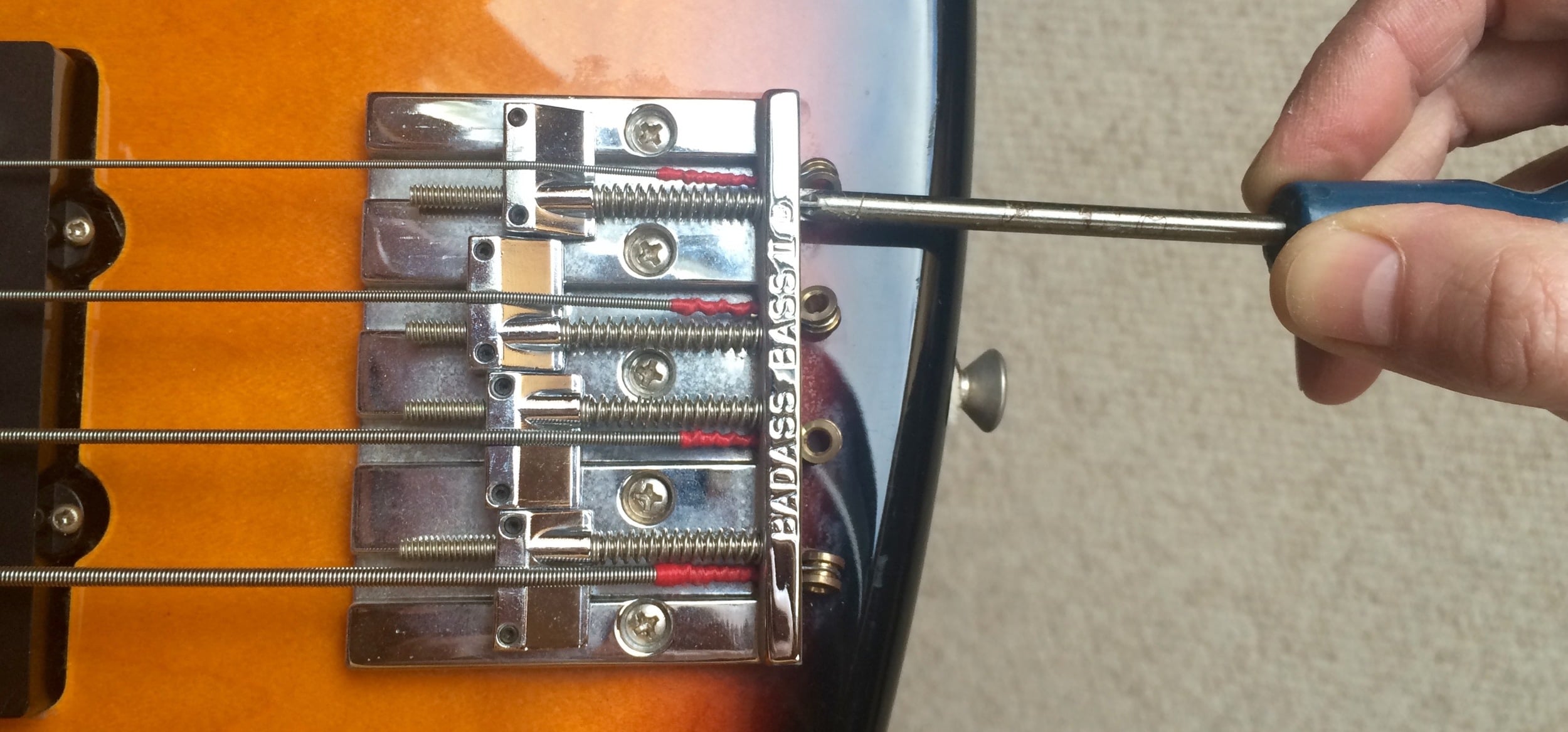
- Small screwdriver or hex wrench — for moving saddle screws, depending on bass bridge type.
- Electronic tuner or strobe tuner — for the final precise checks.
- Fresh strings — old strings can hide intonation problems.
- Capo (optional) — helps keep strings muted when checking harmonics.
- Small ruler or feeler gauge (optional) — for action and relief checks.
Using a precise tuner is crucial. I always recommend a tuner that shows cent deviations to make fine adjustments when you intonate a bass guitar.
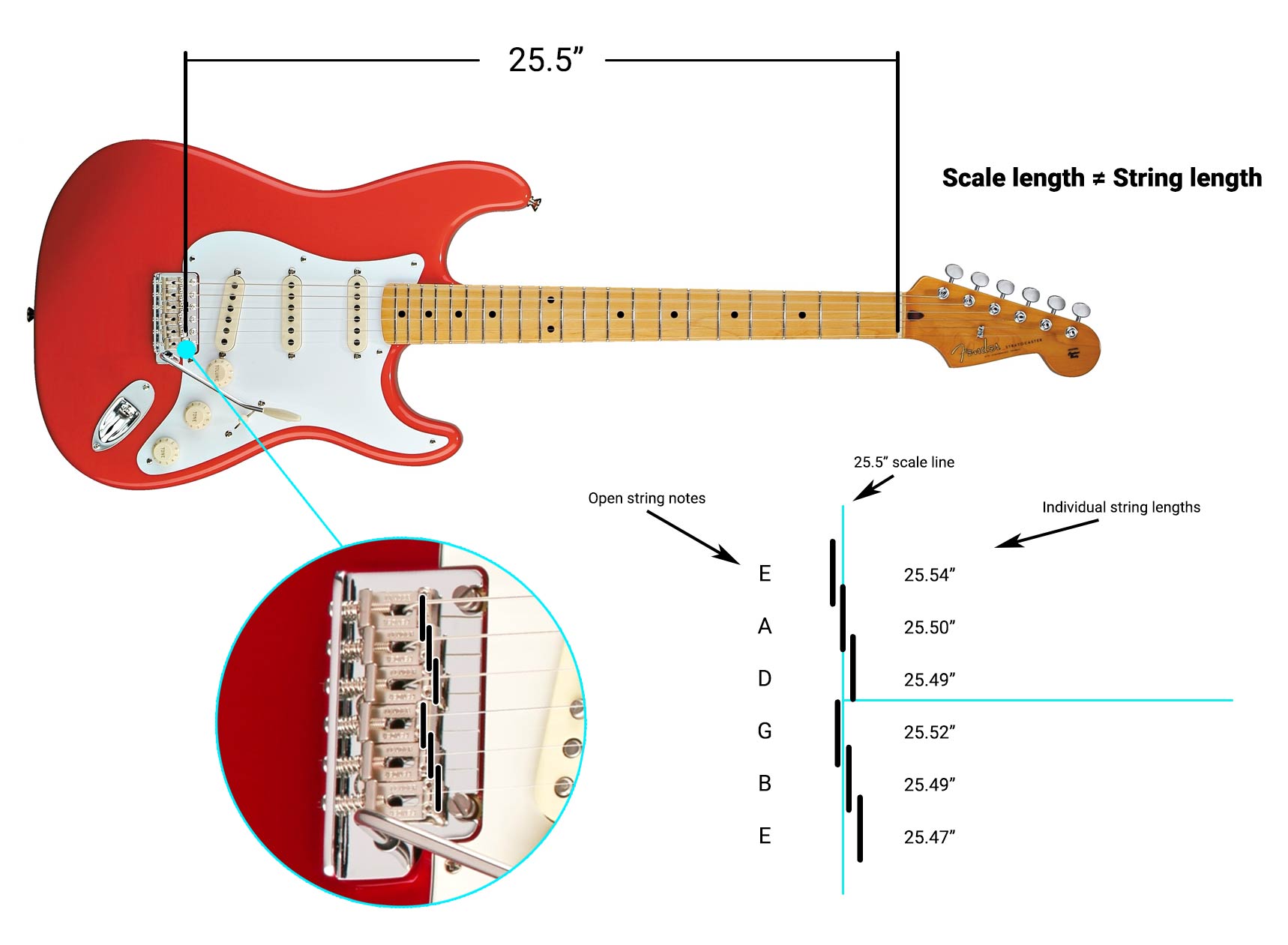
Step-by-step: how to intonate a bass guitar
Follow these clear steps. Pause after each step and listen carefully.
- Prep the bass
- Change to a fresh set of strings if they are old. Tune the bass roughly to standard pitch.
- Tune each string to pitch with your tuner. Let new strings settle for a few minutes and retune.
- Check neck relief and action
- If the neck has too much relief or very high action, adjust the truss rod and action first.
- Low or uneven action will affect intonation. Fix basic setup problems before you intonate a bass guitar.
- Find the reference harmonic and fretted note
- Play the harmonic at the 12th fret. Note the pitch.
- Fret the string at the 12th fret and compare the fretted note to the harmonic using your tuner.
- Adjust the saddle
- If the fretted 12th fret note is sharp compared to the harmonic, move the saddle away from the neck to lengthen the string.
- If the fretted 12th fret note is flat compared to the harmonic, move the saddle toward the neck to shorten the string.
- Make small moves. Re-tune to pitch after each adjustment and recheck the 12th fret.
- Repeat for every string
- Work string by string. Changes to one saddle can slightly affect others on shared bridges.
- Re-tune and re-check after each adjustment until the fretted note and harmonic match within a few cents.
- Final sweep
- Play scales and common positions. Check the 7th, 5th, and 9th frets for any obvious problems.
- If you hear consistent sharpness or flatness in certain positions, revisit saddle positions.
This sequence shows you precisely how to intonate a bass guitar. Take your time. Small adjustments matter.

Common problems and fixes when you intonate a bass guitar
Many issues show up during intonation. Here are quick fixes.
- String age or cheap strings — Replace old strings. Use a quality set sized to your preference.
- Action too high — Lower the bridge if action forces you to press the string too far and bend pitch.
- Neck relief wrong — Adjust the truss rod a little, then re-tune and re-check intonation.
- Worn frets — If notes are sharp when fretted but harmonics are fine, frets may be uneven and need dressing or refretting.
- Bridge limitations — Some bridges offer limited saddle movement. If you hit the limit, consider a bridge upgrade or a professional setup.
Knowing how to intonate a bass guitar includes spotting these issues early and fixing the root cause.

Setup tips that affect intonation
Small setup choices change intonation. Consider these factors.
- String gauge — Heavier strings often require more compensation at the saddle. When you change gauges, re-intonate the bass.
- Tunings — Drop tuning changes tension and intonation. Always intonate to the tuning you use most.
- Pickup height — Very high pickups can slightly alter string vibration and seem to change aftertouch; adjust if needed.
- Nut slot height — A high nut can make the open string sound out of tune vs fretted notes. Fix nut issues before fine-tuning saddles.
I once intonated a bass only to find the nut slots were too high. The open strings never matched the fretted notes. After filing the nut and redoing the intonation, the bass sang properly.

Measuring intonation: tuner vs harmonic vs strobe
There are a few ways to check intonation. Each has benefits.
- Chromatic tuner — Easy and fast. Good for beginners and live checks.
- Harmonic comparison — Use the 12th fret harmonic as a reference. Match the fretted 12th to it.
- Strobe tuner — Most accurate. Shows tiny cent differences and is ideal for precision intonation.
A practical workflow is to use a chromatic tuner for general setup and a strobe tuner for final checks. This is how many techs approach how to intonate a bass guitar in studio contexts.
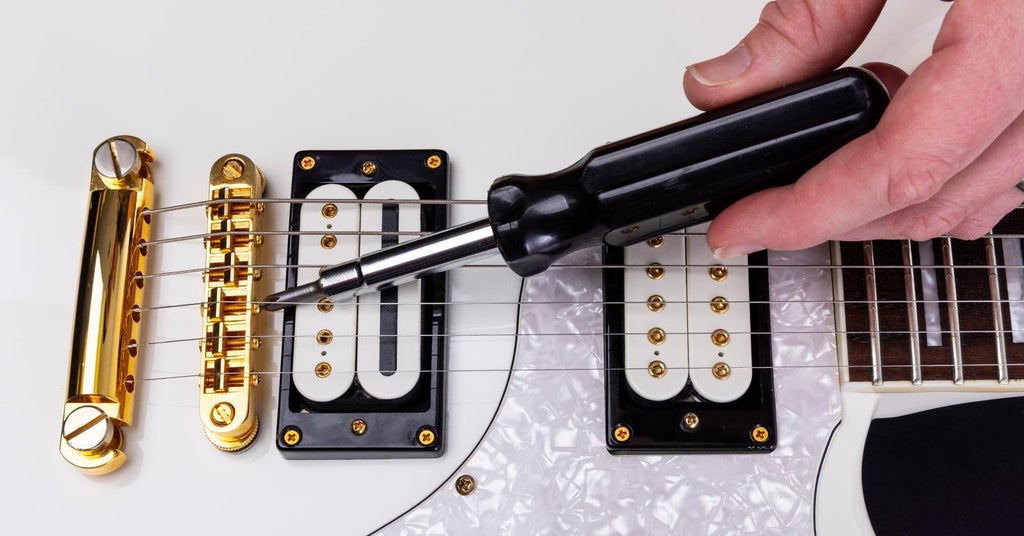
When to seek a pro setup
Some problems need a luthier or tech. Bring your bass to a pro if:
- Frets are severely worn or uneven.
- The bridge can’t compensate for the needed adjustment.
- You’ve tried basic fixes and intonation remains unstable.
- You need refretting, neck reset, or nut work.
A pro setup often includes fret dressing, neck straightening, and precise saddle work. It’s worth it for expensive or sentimental basses.

My personal experience and lessons learned
I learned the hard way that patience matters. Early on I pushed saddles too far and created worse problems. Here are lessons from the road:
- Always check neck relief before intonation. I wasted hours redoing intonation until I corrected truss rod issues.
- Use fresh strings. Intonating on old strings gave me false results and made tuning unstable.
- Make tiny adjustments. Big moves overshoot and force you to rework everything.
- Document settings. I write down saddle positions, string gauge, and action for quick setups later.
One memorable session: a bass intonated perfectly in standard but flat in drop D. The owner needed intonation done specifically for that tuning. We re-intonated for drop D and kept the notes balanced. That taught me to always intonate to the player’s main tuning.

PAA-style quick questions
Q: Does changing string gauge affect intonation?
A: Yes. Heavier strings need different compensation. Always re-intonate after changing gauge.
Q: How often should I intonate my bass?
A: Intonate when you change strings, gauges, or tunings. Check every few months if you play a lot.
Q: Can I intonate a bass without a tuner?
A: You can use harmonics and your ear, but a tuner speeds the process and improves accuracy.
Frequently Asked Questions of how to intonate a bass guitar
How long does it take to intonate a bass guitar?
A basic intonation session takes 20 to 45 minutes for one bass. If you need neck adjustments or fret work, it can take longer.
Do I need new strings before intonating?
Yes. Fresh strings give reliable tension and pitch. Old strings can mask intonation problems.
Which tuner should I use to intonate a bass guitar?
Use a high-accuracy chromatic or a strobe tuner. Strobe tuners are best for very precise adjustments.
Can I intonate a bass guitar myself or should I go to a luthier?
You can intonate most basses yourself with the right tools and patience. See a luthier for fret, nut, or neck surgery.
Will intonation fix fret buzz or dead spots?
No. Intonation fixes pitch alignment. Fret buzz or dead notes usually come from action, nut, fret wear, or humidity-related neck issues.
Conclusion
You now have a clear path for how to intonate a bass guitar: prepare the bass, check neck and action, use a tuner and 12th fret harmonic, and make small saddle moves until fretted notes match harmonics. Take your time, use fresh strings, and re-check after each change. Try these steps on your bass this week and note the saddle positions and string gauges for future setups. If you found this guide helpful, subscribe, leave a comment with your intonation questions, or share a photo of your setup so I can offer tips.

Senior Music Reviewer
Alex Carter is a seasoned music reviewer with over a decade of experience in the world of sound and instruments. Passionate about helping musicians and enthusiasts make informed choices, he brings sharp insights and in-depth knowledge to every review. From classical instruments to modern gear, Alex combines technical expertise with a love for music to deliver content that resonates with readers.
As a Senior Music Reviewer and expert author on Tuneluma.com, Alex is dedicated to sharing honest evaluations, practical advice, and thoughtful commentary to guide readers in their musical journey.