How Soon Is Now Guitar Tab: Easy Lesson & Tabs
The how soon is now guitar tab captures the song’s tremolo riff, sliding chords, and moody tone.
I have taught and arranged guitar parts for decades, and I know how players approach the how soon is now guitar tab. This article breaks the tab into clear parts: riff, rhythm, chords, effects, and practice steps. Read on for a practical, expert guide that helps you learn the song faster and cleaner.
Understanding the song and tab basics
How soon is now guitar tab is built on a small set of repeated ideas. The song uses a tremolo-picked single-note riff, sliding major barre shapes, and sparse chord hits. The guitar tone and timing matter as much as the notes.
Here are the core facts to know before you read any tab or try to play.
- The main riff is single-note and melodic. It repeats often.
- The rhythm parts use barre chords and slides. They create the groove.
- Effects shape the sound: tremolo, chorus, reverb, and delay are key.
- Timing is strict. The feel is as important as fret choices.
From my teaching work, students who focus on timing and tone learn this song faster than those who only learn notes. Start slow. Play clean. Build speed with a metronome.

Breaking down the iconic riff
The riff is the signature part players want when searching how soon is now guitar tab. It is a picked single-note melody played with a tremolo-picking feel. It sits in a low-to-mid range on the neck and uses slides for expression.
How to practice the riff:
- Isolate two or three notes and loop them.
- Use alternate picking for consistent tone.
- Add slight palm muting on the off-beats if needed.
- Use a metronome. Start at 60 BPM and add 5 BPM each session.
Technique tips from experience:
- Keep your picking hand loose. Tension kills the tremolo feel.
- Nail the slide endings. Slides should sound smooth and not choppy.
- Focus on even volume across notes. The riff needs a steady pulse.

Rhythm parts and chord approach
The rhythm progression in how soon is now guitar tab is built from barre shapes and single-note accents. The original uses rich chord voicings with wide spacing. You can play simplified versions that keep the song’s feel.
Common chord ideas to use:
- Use A major and F# major barre shapes for the foundation.
- Emphasize the top two or three strings for a bright sound.
- Slide the barre up or down to accent transitions.
Practical chord voicings:
- Play full barre on the 5th string root for a fuller tone.
- Try partial barres on the 6th or 5th string to match the song’s voicing.
- Use light string attack for the rhythmic hits to keep the vocals clear.
When you practice rhythm parts, count out loud. Say “1 and 2 and” to lock in accents. This helps your right hand coordinate with the clicks.

Gear and effects that shape the tab
Getting close to the original how soon is now guitar tab tone requires the right gear and settings. The sound depends more on effects than on complex chops.
Essential gear and settings:
- Guitar with single-coil pickups or bright humbuckers.
- Amp set to clean with slight break-up.
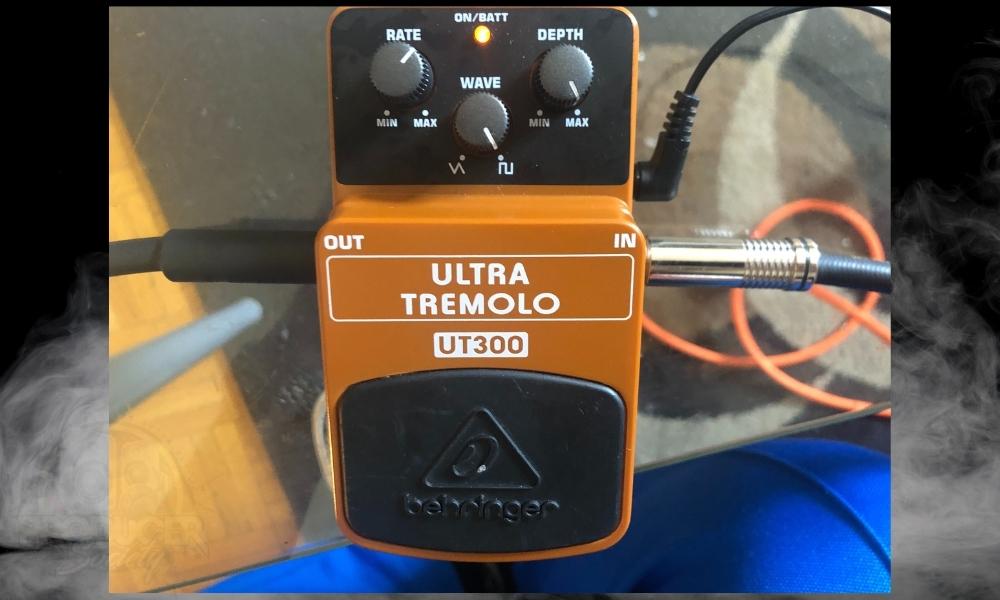
- Tremolo or volume tremolo for that pulsing feel.
- Chorus in subtle mix for width.
- Spring reverb for depth.
Effect chain suggestion:
- Compressor to even out dynamics.
- Chorus at low depth and moderate rate.
- Tremolo synced to song tempo or set manually.
- Reverb long tail.
- Delay with low feedback for space.
From my stage setups, a modest compressor and a slow, deep tremolo make the riff sing. You do not need extreme effects to sound right. Small settings go a long way.
Reading tab vs learning by ear
Many players search how soon is now guitar tab to copy notes. Both tab and ear training are useful. Tab gives exact frets and timing hints. Playing by ear builds musical understanding.
How to balance both:
- Use tab to learn the skeleton of the song.
- Listen to short loops and try to match tone and timing.
- Compare your playing with the recording to tune feel and dynamics.
Practice routine:
- Day 1: Learn the top-level riff from tab slowly.
- Day 2: Play the riff by ear and compare.
- Day 3: Add chords and move between parts.
- Day 4: Play with effects and focus on tone.
I often start students with tab, then remove the sheet. This builds internal rhythm and phrasing.

Common mistakes and how to avoid them
Beginners often misread how soon is now guitar tab and focus too much on speed. Other common errors include muddy tone and sloppy slides.
Avoid these pitfalls:
- Rushing the riff before it is clean. Slow is better.
- Using heavy pick attack that masks tremolo.
- Ignoring the effect settings that define the sound.
Simple fixes:
- Slow your tempo and use a metronome.
- Soften your pick stroke and keep your wrist flexible.
- Tweak effects small amounts, then A/B with the recording.
I once coached a student who played every note perfectly but without the tremolo feel. We fixed it by changing his pick angle and reducing attack. The song came alive after that.
Practice plan to master the tab
A focused plan makes the how soon is now guitar tab achievable in weeks. Below is a step-by-step plan you can follow.
Four-week practice program:
- Week 1: Isolate riff. Practice 15 minutes twice daily at slow tempo.
- Week 2: Add rhythm parts. Practice chord changes and slides.
- Week 3: Integrate effects. Practice with amp and pedal settings.
- Week 4: Play through full sections. Record and critique.
Daily micro-drills:
- 5 minutes warm-up with chromatic runs.
- 10 minutes riff repetition with metronome.
- 10 minutes chord transitions and dynamics.
- 5 minutes tone tweaks and listening.
Stick to the plan. Small daily wins add up fast.
Legal and ethical notes about tabs
When you search for how soon is now guitar tab, you will find many versions. Some are shared by fans, others are sold. Respect copyright and creators.
Key points to keep in mind:
- Official tabs are licensed and support the creators.
- Fan-made tabs are often good learning tools but may be inaccurate.
- Use tabs for learning. Don’t distribute copyrighted transcriptions without permission.
I recommend buying official tab books or subscribing to licensed tab services if you play songs regularly. It keeps you legal and supports artists.
Resources and next steps
After you learn the basics of the how soon is now guitar tab, expand your skills with targeted resources. Use lessons, backing tracks, and slow-down tools.
Recommended next steps:
- Watch isolated guitar covers to see fingerings.
- Use loopers to practice tricky transitions.
- Try learning the bass line to lock in groove.
From my experience, playing with a simple drum loop tightens timing quickly. Record a practice session each week to track progress.
Frequently Asked Questions of how soon is now guitar tab
What fret range does the main riff use?
The main riff sits in the low-to-mid fret range, often on the 5th to 9th frets depending on your tuning and arrangement. Pick placement and string choice affect the exact feel.
Do I need special tuning to play the tab?
Most versions are played in standard tuning. Some players use slight detuning or capo options for vocal match, but you can play the tab in standard tuning with the right phrasing.
Which effects are most important for this tab?
Tremolo, chorus, and reverb are the three key effects. A subtle compressor also helps even out the riff. Keep settings modest for clarity.
Can beginners learn this tab quickly?
Yes, beginners can learn core parts with focused practice in a few weeks. Start slow, practice short segments, and use a metronome to keep timing tight.
Are there simplified versions of the tab?
Many simplified arrangements exist that focus on the main riff and basic chords. These are ideal for learners who want the vibe without full detail.
Conclusion
How soon is now guitar tab is accessible once you break it down. Focus on the riff, timing, and tone. Use small daily practice blocks, refine effects, and respect the song’s feel. Start slow, record yourself, and make small tweaks each week. Try the four-week practice plan above, share your progress, and ask for feedback in the comments or on a lesson forum.

Senior Music Reviewer
Alex Carter is a seasoned music reviewer with over a decade of experience in the world of sound and instruments. Passionate about helping musicians and enthusiasts make informed choices, he brings sharp insights and in-depth knowledge to every review. From classical instruments to modern gear, Alex combines technical expertise with a love for music to deliver content that resonates with readers.
As a Senior Music Reviewer and expert author on Tuneluma.com, Alex is dedicated to sharing honest evaluations, practical advice, and thoughtful commentary to guide readers in their musical journey.