Best Guitar Strings For Les Paul: Top Picks For Tone
Best guitar strings for Les Paul: Gibson Les Paul Premium 9-46 and Ernie Ball 10-46 top the list.
I’ve sat in smoky clubs, workshoped with luthiers, and swapped strings between gigs to find tone that sings on a Les Paul. If your guitar feels dull, buzzes, or won’t stay in tune, the right strings fix bite, sustain, and playability. This guide dives into top choices, setup tips, and who each option serves so you get the best guitar strings for Les Paul tone and feel fast.
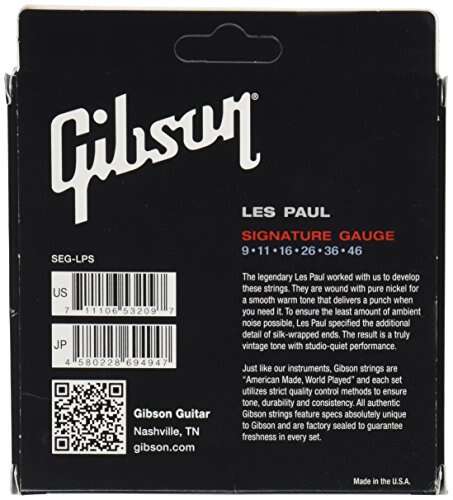
Gibson Les Paul Strings 9-46
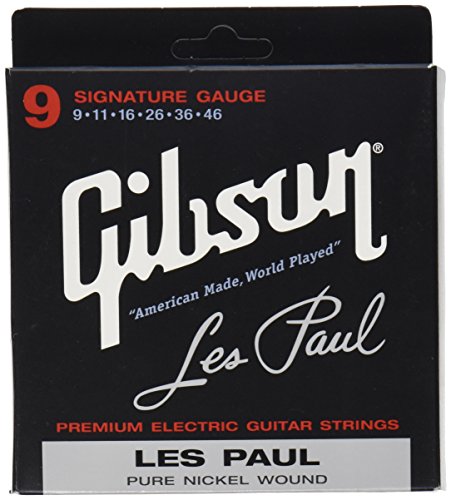
I use Gibson Les Paul Premium 9-46 when I want classic Les Paul tone right out of the package. The set balances a bright top end with fat low strings. They break in fast and yield tight intonation on Tune-o-Matic bridges. For players chasing warm sustain and defined harmonics, these strings are a solid fit.
The nickel-wound wrap feels smooth under the fingers. I noticed less finger squeak and good response through pushed tube amps. These strings also hold a reliable pitch for several gigs when stretched properly. They pair well with humbuckers and vintage-correct setups.
Pros:
- Classic warm Les Paul tone with strong sustain
- Quick break-in and consistent intonation
- Smooth feel for bending and vibrato
- Pairs well with humbuckers and overdrive
- Reliable tuning stability when stretched
Cons:
- May feel slightly thin for drop tunings
- Not coated — lifespan shorter in humid climates
- Signature 9-46 may be light for heavy riffing
My Recommendation
These Gibson strings are best for players after authentic Les Paul voice. I recommend them if you want warmth and sustain without sacrificing clarity. They shine in classic rock, blues, and vintage tones.
| Best for | Why |
|---|---|
| Classic Rock Players | Sweet midrange and strong sustain ideal for Les Paul humbuckers |
| Lead Guitarists | Fast response and smooth bends for solos |
| Vintage Tone Seekers | Authentic warmth that complements old-school setups |
Ernie Ball Regular Slinky 10-46

I reach for Ernie Ball Regular Slinky 10-46 when I want balanced feel and modern tone on a Les Paul. The 10s give tension that suits both rhythm chug and articulate leads. They resist flabbiness on the low strings and keep the guitar sounding tight through mid gain.
The nickel-plated steel wrap delivers clear attack and sparkling top end. I found these strings comfortable for sweeping and fast licks. They also pair well with different bridge setups and maintain tuning well after proper stretch.
Pros:
- Balanced tension for rhythm and lead work
- Bright attack with a smooth feel
- Great for modern rock and blues fusion
- Durable packaging and consistent winding quality
- Wide availability and easy to replace on the road
Cons:
- Not coated; tone fades faster than coated sets
- May feel bright for strictly vintage players
- 10-46 might be heavy for players wanting lighter bends
My Recommendation
I recommend Ernie Ball Regular Slinky 10-46 for players who need a flexible all-rounder for Les Pauls. I use them for gigging and studio work because they offer a clean attack and solid low-end. They’re one of the most reliable best guitar strings for Les Paul options available.
| Best for | Why |
|---|---|
| Gigging Musicians | Balanced tone and long availability |
| Modern Rock Players | Tight low-end and bright top for distortion |
| Players Who Bend | Comfortable tension for expressive bends |
GHS David Gilmour Set 10½-50

The GHS David Gilmour Signature set 10½-50 brings a thick, singing tone that I love for sustained leads on a Les Paul. The slightly heavier gauge gives me more body and harmonic richness. They also respond beautifully to touch and dynamics.
On the Les Paul, these strings add a luxurious bloom. I use them when I want rounded cleans and creamy overdriven sustain. They hold up under expressive playing and provide a stable platform for heavier modulation and delay effects.
Pros:
- Rich, harmonic sustain ideal for lead work
- Slightly heavier gauges add body and presence
- Good tension for stable tuning and palm muting
- Designed for expressive phrasing and dynamics
- Excellent for players seeking vintage-modern tone blend
Cons:
- Heavier gauge may tire beginners quickly
- Less suitable for light-fingered players who favor 9s
- Pricey compared to stock sets
My Recommendation
These GHS strings are best for players after expansive sustain and thicker tone on their Les Paul. I recommend them if you play expressive leads or want rounder cleans. They’re among the best guitar strings for Les Paul players who prize bloom and harmonic depth.
| Best for | Why |
|---|---|
| Soloists | Thicker strings give fuller sustain for solos |
| Expressive Players | High dynamic response for phrasing |
| Studio Work | Rich tone records well through mics and DI |
Guyker Bone Nut 42mm Pre-Slotted

Even the best guitar strings for Les Paul won’t sing if the nut is wrong. Guyker’s 42mm pre-slotted bone nut restores correct string height and tone. I fitted this nut to a project Les Paul and noticed clearer open-string tone and less tuning drift at the headstock.
The pre-slotted setup saves time during installation. The bone material transfers string vibration well and adds a warm top end. I recommend light sanding for final fit. After installation, tuning stability and sustain improved noticeably.
Pros:
- Improves open-string clarity and sustain
- Pre-slotted for easier installation
- Bone material enhances tone transfer
- Good value for a quality upgrade part
- Works with standard Les Paul nut width
Cons:
- May need minor fitting for a perfect slot fit
- Installation requires basic luthier skills or tech help
- Not a string product—affects setup, not gauge or tone directly
My Recommendation
If you want the best guitar strings for Les Paul to perform, also upgrade the nut. I suggest this Guyker bone nut when you need better string contact and tone transfer at the headstock. It pairs well with fresh strings and tuned setups.
| Best for | Why |
|---|---|
| Players with dull open strings | Bone improves vibration transfer and clarity |
| Tinkerers | Pre-slotted saves time when refitting |
| Budget Upgrades | Inexpensive way to boost tone under strings |
Guyker Tune-O-Matic Roller Saddle (Chrome)

Roller saddles reduce friction at the bridge and help keep strings in tune during bends and tremolo use. I installed the Guyker roller saddles on a Les Paul with Bigsby-style vibrato. The result was far better tuning stability and smoother string movement over the bridge.
The chrome finish looks clean and resists corrosion. I noticed less string binding and improved sustain. For players who use heavy vibrato or fast bends, these rollers help the best guitar strings for Les Paul maintain pitch more reliably.
Pros:
- Reduces string friction for better tuning stability
- Chrome finish resists wear and looks neat
- Good for vibrato-heavy players and Bigsby setups
- Improves sustain by easing string vibration
- Straightforward swap for Tune-o-Matic bridges
Cons:
- Requires setup to match string height and intonation
- Not necessary for players who don’t use vibrato
- May slightly alter bridge feel for some players
My Recommendation
I recommend Guyker roller saddles for Les Paul players using vibrato or frequent bends. I found them helpful for keeping the best guitar strings for Les Paul in tune during expressive playing. They’re a smart, inexpensive upgrade when friction is your problem.
| Best for | Why |
|---|---|
| Vibrato Users | Rollers reduce binding during trem use |
| Bend-Heavy Players | Improves tuning after heavy bending |
| Restore Intonation | Helps strings settle and sustain better |
Emerson Les Paul Prewired Kit H-H
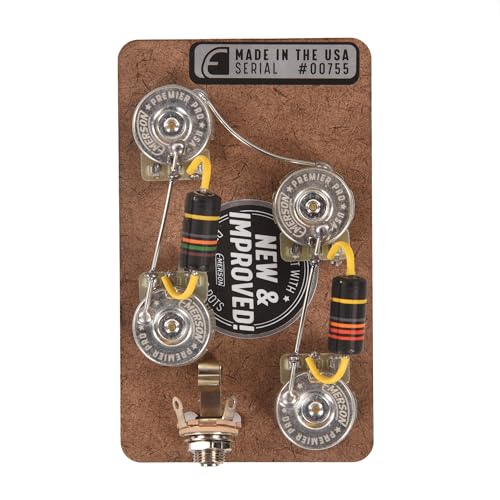
While strings shape tone, electronics define output. Emerson’s prewired Les Paul harness gives clean wiring and consistent pots and caps. I installed it in an older Les Paul and noticed improved clarity and less noise. It’s a tidy way to upgrade the guitar’s signal path.
The kit is pre-configured for H-H pickup setups common on Les Pauls. Installation is straightforward for a tech. After fitting, the guitar’s dynamic response and pickup balance became more predictable. Use this with the best guitar strings for Les Paul for full sonic benefit.
Pros:
- Clean wiring reduces noise and improves clarity
- Made for H-H Les Paul configurations
- Easy swap-in for standard cavities
- Consistent pot taper and capacitor choices
- Great for restoring worn electronics
Cons:
- Installation needs soldering skills or tech help
- Doesn’t include pickups—only harness
- May not suit non-standard routing or unusual mods
My Recommendation
I suggest this prewired kit for Les Paul players who want consistent tone from the guitar’s electronics. I pair it with fresh strings to get the best guitar strings for Les Paul to truly shine. It’s an impactful upgrade that refines how your strings translate to the amp.
| Best for | Why |
|---|---|
| Players with noisy pots | Cleaner wiring reduces scratch and hum |
| Refurb Projects | Quick way to restore electronics |
| Studio Players | Predictable tone for recording sessions |
Musiclily Tune-O-Matic Bridge & Tailpiece Set

A solid Tune-O-Matic bridge is crucial for the best guitar strings for Les Paul to intonate and sustain. Musiclily makes a reliable bridge and tailpiece set that replaced a rusted vintage unit for me. It restored firm anchor points and brought back harmonic richness.
After installation, my strings sat steadier and intonation adjustments were precise. The chrome finish resists wear and the included studs make swapping straightforward. It’s a practical choice for players restoring Epiphone or Gibson-style bridges on a budget.
Pros:
- Improves intonation accuracy and string anchor stability
- Chrome finish resists corrosion and looks clean
- Affordable replacement for worn stock hardware
- Includes anchors and studs for easier install
- Works well with a variety of string gauges
Cons:
- May require setup for height and intonation dial-in
- Hardware feel can differ from premium OEM parts
- Requires basic tools and patience to install
My Recommendation
Pick the Musiclily Tune-O-Matic set if your Les Paul needs better hardware to support good strings. I found it a fast way to get the best guitar strings for Les Paul tracking properly. It’s a cost-effective upgrade for stage-ready reliability.
| Best for | Why |
|---|---|
| Players with worn bridges | Fresh hardware restores sustain and tuning |
| Budget restorations | Good performance at a low price |
| All string gauges | Stable anchor for 9s through 11s and beyond |
Metallor Graphite Guitar Nut

Graphite nuts reduce friction and help strings return to pitch quickly. I installed the Metallor graphite nut on a gigging Les Paul and noticed fewer tuning issues during bends. Graphite’s lubricity pairs well with lighter and heavier gauges alike.
The black finish looks discreet near the headstock. I recommend careful fitting and a tech’s help if you’re not comfortable filing. When combined with high-quality strings, graphite nuts boost tuning stability and sustain.
Pros:
- Low friction reduces string binding at the nut
- Improves tuning stability for active bending
- Works well with various string coatings and gauges
- Durable and resistant to wear
- Affordable upgrade for live players
Cons:
- Requires fitting for a precise slot depth
- Appearance may differ from traditional bone
- Not a tone miracle—works best with good strings
My Recommendation
Use the Metallor graphite nut when tuning stability is a priority. I pair this nut with my go-to sets to get the best guitar strings for Les Paul to stay in tune. It’s a small change that yields steady performance on stage.
| Best for | Why |
|---|---|
| Touring Players | Less friction equals fewer tuning hassles |
| Benders | Quick string return to pitch after bends |
| Mixed-Gauge Users | Handles 9s–11s without extra wear |
Guyker Tune-O-Matic Roller Saddle (Bronze)
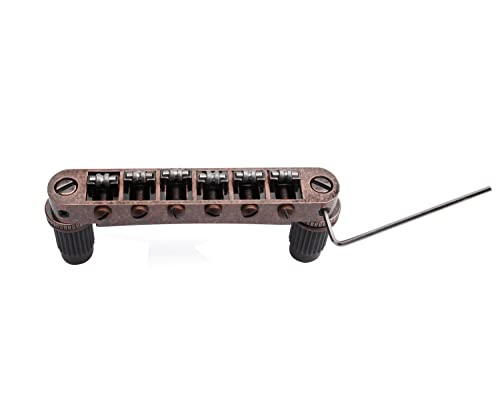
The bronze roller sunk in warm tones and a vintage look. I swapped it into a honey-burst Les Paul and enjoyed a subtle mid warmth and reduced binding. Roller saddles like this support stable tuning with thicker, sustain-happy strings.
Fit and finish were solid, and the bronze hue matched some vintage hardware nicely. I use these where tone color matters as much as function. They enhance the best guitar strings for Les Paul performance in expressive contexts.
Pros:
- Vintage warmth with roller benefits
- Reduces friction and improves tuning stability
- Nice aesthetic for classic instruments
- Good match for heavier string sets
- Simple swap for standard Tune-o-Matic bridges
Cons:
- May require more careful intonation setup
- Bronze finish may wear differently over time
- Not essential if you don’t use vibrato
My Recommendation
I advise this bronze roller for players who want vintage looks plus modern reliability. I pair it with heavier sets when I need sustain and tuning stability. This helps the best guitar strings for Les Paul perform consistently on stage.
| Best for | Why |
|---|---|
| Vintage-Look Players | Bronze adds classic aesthetic and warmth |
| Heavier Gauges | Rollers protect tuning with thick strings |
| Stage Stability | Improves tuning after dynamic play |
OVSAL Brass Guitar Nut 43mm

Brass nuts offer distinct tonal characteristics—more attack and a bright edge. I tested the OVSAL brass nut on a Les Paul with 10s and noticed a sharper transient on open strings. It highlights pick attack and can add presence in a mix.
If you want added sparkle at the headstock end of the spectrum, brass does that. Be cautious: brass is harder to file and needs careful fitting. Combined with my favorite strings, it brought out articulation in dense band mixes.
Pros:
- Brightens open-string attack and presence
- Durable metal construction
- Great for cutting through dense mixes
- Matches players seeking more top-end clarity
- Works with a range of string gauges
Cons:
- Harder to file and fit than bone or graphite
- May be too bright for vintage tone seekers
- Requires precise setup to avoid buzz
My Recommendation
I recommend the OVSAL brass nut if you want more bite on open strings. I pair it with bright, uncoated strings when I need the best guitar strings for Les Paul to cut through. It’s useful in full-band situations or on stage.
| Best for | Why |
|---|---|
| Players in Loud Bands | Brass boosts open-string presence in mixes |
| High-Definition Tone | Sharper transient response for clarity |
| Durable Upgrades | Long-lasting metal construction |
FAQs Of best guitar strings for les paul
Which gauge is best for a Les Paul?
I usually recommend 10-46 for a balance of tone and playability. 9-46 keeps bends easier but can feel floppy. Heavier sets like 10½-50 add body and sustain.
Should I use coated strings on a Les Paul?
Yes, if you want longer lifespan and less finger grime. Coated strings tone slightly smoother and can dull high-end sparkle. I use coated strings for studio work and long tours.
Do bridge or nut upgrades matter more than strings?
Both matter. I find good strings plus a well-fitted nut and stable Tune-o-Matic bridge yield the best result. If tuning is a problem, fix hardware first, then optimize strings.
How often should I change strings on a Les Paul?
I change strings every 4–8 weeks for regular players. For heavy gigging, change every 1–2 weeks. Fresh strings keep tone bright and tuning stable.
Can I use acoustic strings on a Les Paul?
No. Acoustic strings have different cores and wrap types. Use electric-specific strings for correct tension and pickup response on a Les Paul.
Final Verdict: Which Should You Buy?
For most Les Paul players, Ernie Ball Regular Slinky 10-46 and Gibson Les Paul Premium 9-46 are top picks. They balance feel, tone, and tuning without complex mods.
If you seek thicker sustain or studio depth, the GHS David Gilmour set is ideal. Pair any of these with a good nut and bridge for the best guitar strings for Les Paul performance.

Senior Music Reviewer
Alex Carter is a seasoned music reviewer with over a decade of experience in the world of sound and instruments. Passionate about helping musicians and enthusiasts make informed choices, he brings sharp insights and in-depth knowledge to every review. From classical instruments to modern gear, Alex combines technical expertise with a love for music to deliver content that resonates with readers.
As a Senior Music Reviewer and expert author on Tuneluma.com, Alex is dedicated to sharing honest evaluations, practical advice, and thoughtful commentary to guide readers in their musical journey.