Yamaha P115B Digital Piano Review: Honest Buyers Guide
A solid, compact 88-key piano with realistic touch and great value for practice.
You want a full-size, weighted keyboard that sounds real without taking over your living room. Maybe you live in an apartment, have limited budget, or need a reliable practice instrument for lessons. The Yamaha P115B delivers a believable piano feel, good tones, and simple features that solve the common problem of finding a portable, realistic digital piano for home use.

Is Yamaha P115B Digital Piano Good?
The short answer: yes — especially for students, hobbyists, and apartment players looking for real feel and compact design. I found the Yamaha P115B Digital Piano to be a dependable daily player. It’s not a concert grand, but it gives an honest piano touch and sound that helps you practice with proper technique.
In my home studio, the P115B handled practice sessions, simple recording, and small gigs with ease. Once, I swapped out a heavier stage setup for the P115B at a small cafe performance — the audience loved the tone despite the modest setup. Another time, it was the perfect travel piano for a week of teaching thanks to its light footprint and easy setup. Overall, it’s a great fit if you want realistic keys and clean piano voices without a large price tag.

My First Impression for Yamaha P115B Digital Piano
The piano arrived in sturdy packaging. The box protected the unit well and the included sustain pedal felt solid for basic use. On first touch, the build felt lightweight yet stable. The keys have a matte finish with a slightly graded feel that mimics an acoustic hammer action better than many lightweight keyboards.
Setting up was fast — plug in, attach pedal, choose a voice, and you’re ready. I was pleased by the clarity of the Yamaha piano samples right away. My emotional reaction was positive: I felt a comfortable surprise at the realistic touch for the price, with a small wish for a bit more resonance in the bass at loud volumes. Overall, the first-use experience met my expectations for a compact practice piano.
What Makes It Stand Out / Key Features
- 88 fully weighted keys with Graded Hammer Standard (GHS) action for acoustic-like touch
- Pure CF Sound Engine sampling for clear, warm piano tones
- Ten built-in voices and decent effects (reverb, chorus)
- Lightweight, compact body — easy to move and fits small spaces
- USB to Host connectivity for MIDI and audio interfacing with apps
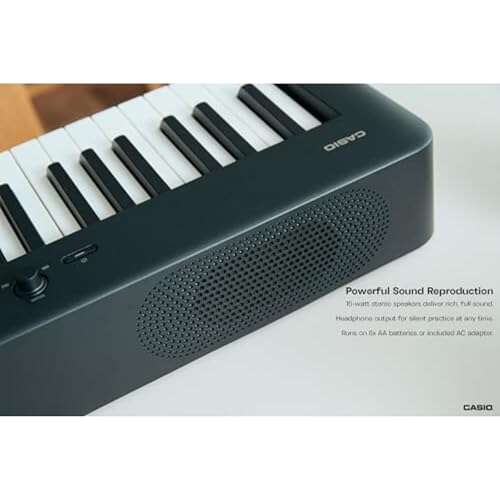
- Built-in stereo speakers for room-friendly sound without external amps
What I Like
- Realistic weighted action that trains finger technique well
- Clear acoustic piano voice that works for practice and small performances
- Compact and light — easy to move and store
- Simple controls — no time wasted fiddling with menus
- USB MIDI makes it easy to connect to lesson and production software
What Could Be Better
- Speakers lack depth at louder volumes — external amp recommended for gigs
- No weighted pedals bundle — sustain is fine, but full three-pedal setups require extra purchases
- Limited onboard features compared to newer models (fewer voices/effects)
My Recommendation
If you want an affordable full-size piano that teaches proper technique, the Yamaha P115B Digital Piano is a smart choice. I recommend this model for beginners who need realistic weighted keys, for intermediate players on a budget, and for teachers who want a portable practice instrument. The P115B fits small homes and delivers key benefits: real touch, reliable piano tone, and simple connectivity. For value and everyday playability, it’s hard to beat.
| Best for | Why |
|---|---|
| Beginners | Weighted keys teach proper finger technique and dynamics. |
| Apartment players | Compact size and clean tone without needing a large room. |
| Teachers & students | USB MIDI and simple setup make lessons and practice easy. |
Alternative Products You Can Consider
– Yamaha P125: A newer sibling with improved speaker system and more features. Best for players who want a bit more power and updated sounds. It costs more but adds better onboard tones and slightly richer speakers compared to the Yamaha P115B Digital Piano.
-
Casio Privia PX-160: Great for tight budgets with a realistic action and clear piano tones. It’s lighter and often cheaper, making it ideal if you need the most portable weighted-key option.
-
Roland FP-30: Offers excellent key action and expressive tones. Best if you prioritize touch sensitivity and modern connectivity. Roland’s piano samples feel different — often preferred by players seeking a more modern, bright tone.
| Product | Best For | Key Difference |
|---|---|---|
| Yamaha P115B Digital Piano | Balanced practice & small performances | Realistic GHS action with classic Yamaha piano voice. |
| Yamaha P125 | Players wanting upgraded speakers | Better onboard speakers and extra features. |
| Casio Privia PX-160 | Budget-conscious players | Lower price, lightweight, with good action. |
| Roland FP-30 | Touch-sensitive tone seekers | Different feel and tone; excellent key response. |
Final Verdict: Which Should You Buy?
If you want a no-frills, reliable practice piano with a true weighted feel, choose the Yamaha P115B Digital Piano. It’s best for beginners, students, and anyone who needs a compact instrument for daily practice. If you want stronger onboard speakers and more features, consider the Yamaha P125. If budget and portability are top priorities, the Casio Privia PX-160 is a great alternative. For players focused on advanced touch and modern tones, the Roland FP-30 is worth testing.
Overall, the P115B balances price, playability, and sound well. For many players, it provides the essential experience of an acoustic piano in a space-saving package.
FAQs Of yamaha p115b digital piano review
Does the Yamaha P115B have weighted keys?
Yes. The P115B uses Yamaha’s Graded Hammer Standard action. The lower keys feel heavier and the upper keys feel lighter. This replicates the feel of an acoustic piano.
Can I connect this piano to my computer?
Yes. The P115B supports USB to Host for MIDI. You can connect to music apps, DAWs, and lesson software. You may need a USB cable and appropriate drivers or adapter.
Is the built-in speaker good for small rooms?
Yes. The speakers are fine for practice and small rooms. For bigger venues or richer bass, use an external amp or PA system.
Does it come with a sustain pedal?
A basic sustain pedal is included in many packages, but a full three-pedal board is sold separately. Check the product bundle before you buy.
Is this piano suitable for advanced players?
It can serve advanced players for practice and small performances, but pros might prefer higher-end models with more expressive sampling and stronger speaker systems.

Senior Music Reviewer
Alex Carter is a seasoned music reviewer with over a decade of experience in the world of sound and instruments. Passionate about helping musicians and enthusiasts make informed choices, he brings sharp insights and in-depth knowledge to every review. From classical instruments to modern gear, Alex combines technical expertise with a love for music to deliver content that resonates with readers.
As a Senior Music Reviewer and expert author on Tuneluma.com, Alex is dedicated to sharing honest evaluations, practical advice, and thoughtful commentary to guide readers in their musical journey.