Why Are My Guitar Strings Buzzing: Fix It Fast
Most buzzing comes from low action, neck relief issues, or frets not seating properly.
I’ve spent decades fixing buzzing guitars on stage and in the shop. I know the exact feel of a string that rattles under your fingers and the quick checks that point to the real cause. In this guide I’ll explain why are my guitar strings buzzing, how to find the source, practical fixes you can do at home, and when to get a pro involved. Read on and you’ll be able to solve most buzzing problems quickly and confidently.

Why are my guitar strings buzzing? — a quick overview
Guitar string buzz happens when a vibrating string touches something it shouldn’t. The string vibrates, hits a fret, a loose part, or an electronic cavity, and produces a buzzing or rattling sound. Knowing where the contact happens is the key to fixing the problem.
Common mechanical causes include low action, incorrect neck relief, worn frets, or a bad nut or saddle. Technique or string choice can also cause buzzing. Electronics and loose hardware sometimes sound like string buzz, so careful diagnosis matters.
Common causes explained in plain terms
Understanding the most common reasons will save you time. Here are the main causes behind "why are my guitar strings buzzing" with simple explanations.
- Low action or poorly seated strings: Action that’s too low lets the string hit frets during vibration. This is the single most frequent cause of buzz.
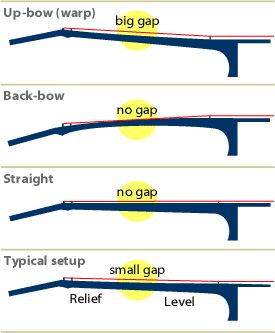
- Incorrect neck relief: A neck that’s too straight or back-bowed reduces the string’s arc and invites fret buzz when fretted or played hard.
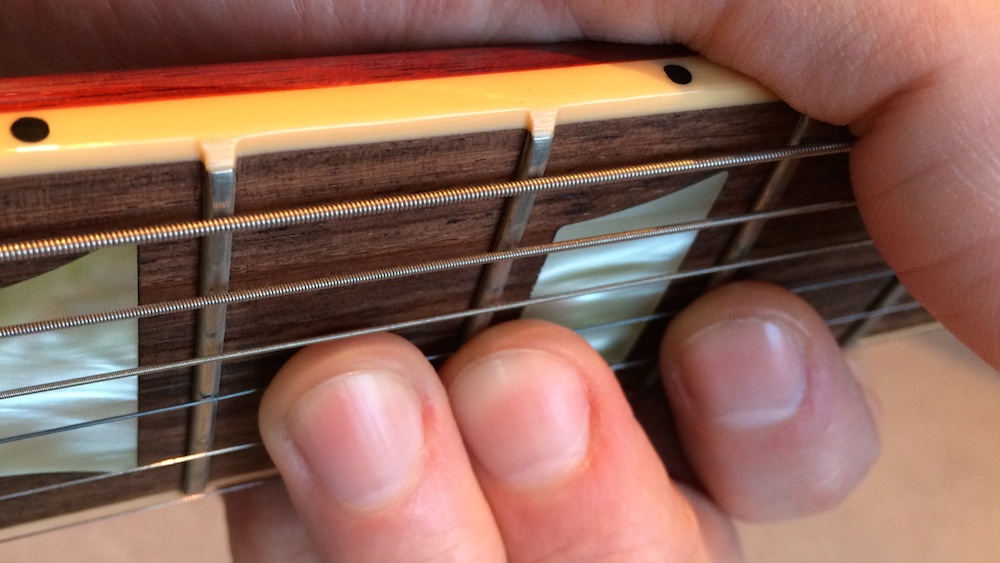
- Worn or uneven frets: High or low frets change contact points and make buzzing appear at specific frets.
- Nut or saddle issues: If the nut slot or saddle is cut too low, strings can buzz near the headstock or bridge.
- Old, flat, or wrong strings: Very old strings can lose tension and timbre, making buzz more noticeable. Heavy strings on a guitar set up for light strings can also buzz.
- Playing technique: Lighter fretting pressure or resting fingers on other strings can cause perceived buzz.
- Loose hardware and electronics: Loose tuners, strap buttons, pickup rings, or internal components can make rattles that mimic string buzz.
- Environmental factors: Temperature and humidity change neck relief and can introduce buzz when the wood moves.
I once fixed a buzzing Telecaster where fans thought it was a pickup problem. It was a loose backplate touching the strings while playing. Small things can make a big sound.

Diagnosing the buzz: step-by-step checks
A clear diagnosis stops you from doing unnecessary fixes. Use these steps to find why are my guitar strings buzzing.
- Visual quick scan
- Inspect frets, nut, saddle, and hardware. Look for obvious gaps, lifted frets, or loose screws.
- Identify where the buzz happens
- Play open strings and then fret each string at every fret. Note which positions buzz and whether buzz occurs when string is fretted or open.
- Test neck relief
- Press the low E at the first and last fret. Measure the gap at the 7th–9th fret; a small gap is normal. No gap can mean back-bow.
- Check action height
- Measure string height at 12th fret. Compare with typical specs for your style of guitar. Very low action often causes buzzing.
- Isolate hardware noise
- Lightly press on tuners, strap buttons, and pickup rings while playing. If buzzing stops, hardware is the culprit.
- Try a fresh set of strings
- Change strings if they are old or inconsistent. Sometimes a new set fixes the problem immediately.
- Listen for non-string rattles
- Tap the body and electronics cavity. Sounds that change with tapping are likely mechanical, not string-caused.
When diagnosing, write down where and when the buzz appears. That pattern is the roadmap to the fix.
Fixes you can try at home
Many buzzing issues are easy to fix with basic tools. These steps cover the most common home repairs for "why are my guitar strings buzzing."
- Raise the action (temporary quick fix)
- Turn the saddle height up or loosen the string tension slightly. This raises the string away from frets and often stops buzzing.
- Adjust neck relief with the truss rod (cautious)
- Small turns matter. Turn the truss rod a quarter turn and let the neck settle. If unsure, go slow and keep notes. Tightening reduces relief, loosening increases it.
- Replace or lubricate the nut
- If nut slots are too low, file or shim the nut, or replace it. Use graphite or nut lubricant to reduce binding and unwanted vibration.
- Dress or level frets (when needed)
- Minor high frets can be filed down by a pro. Small crown and polish work prevents buzz caused by uneven fret heights.
- Change strings and gauge
- Try a heavier gauge if action is low and buzzing persists. Tune and settle them in properly.
- Tighten loose hardware
- Secure screws on tuners, pickup rings, knobs, and the backplate. Use threadlocker for persistent rattles.
- Check bridge screws and springs
- On tremolo bridges, check spring tension and saddle screws for play that causes buzz.
- Check electronics fit
- Fasten loose pots and pickup covers. Cushion internal wiring to stop it from touching strings or vibrating parts.
Personal tip: I once fixed a student’s buzzing acoustic by inserting a thin shim under a loose saddle. The sound cleared instantly and the repair lasted months. Small, cheap fixes can be very effective.

Preventing buzz: setup, strings, and care
Prevention keeps your guitar sounding clean. These practices reduce the chances you’ll ask again, "why are my guitar strings buzzing."
- Regular setups
- Get a professional setup at least once a year. A good setup balances action, relief, and intonation.
- Change strings on a schedule
- Replace strings every 2–3 months if you play regularly. Fresh strings hold tension and tone better.
- Use proper string gauges
- Match strings to your guitar and playing style. Heavier strings suit lower action and aggressive playing.
- Maintain humidity and temperature
- Keep guitars at stable humidity (40–50%). Rapid changes can warp the neck and cause buzz.
- Tighten and check hardware
- Check screws and nuts monthly. A quick tighten saves time and prevents rattles.
- Learn proper technique
- Good fretting pressure and hand position limit buzz from playing habits.
A small routine prevents many common causes of buzzing. Prevention is cheap and saves time.
When to take your guitar to a pro
Some problems need a luthier. Here’s when to stop DIY and bring the guitar in.
- Truss rod not responding or damaged
- Major fret work is needed, like crown, leveling, or refret
- Nut or bridge replacement requiring precise material work
- Structural issues such as loose braces, cracked top, or neck joint problems
- Persistent buzz after standard fixes and diagnosis
A pro has the tools and experience to diagnose complex issues fast. If you feel unsure about truss rod adjustments or fret leveling, schedule a professional setup.

Frequently Asked Questions of why are my guitar strings buzzing
Why are my guitar strings buzzing only when I play hard?
Playing harder increases string amplitude. If the string is close to a fret, higher vibration will hit it and buzz. Try raising action slightly or loosening the truss rod a tiny bit.
Why do my open strings buzz but fretted notes do not?
Open string buzz often points to the nut slot being too low or the string not seated properly. Check the nut and try restringing or elevating the nut.
Can old strings cause buzzing?
Yes. Old strings can slacken and lose core tension, making buzz more audible. Replacing strings is an easy first test.
Will changing string gauge stop buzzing?
Changing gauge can help. Heavier strings vibrate with less lateral movement, which can reduce buzz if action and setup allow for the extra tension.
How quickly does neck relief change with humidity?
Wood can change over days to weeks with humidity swings. Large seasonal shifts may require a setup to restore proper relief and stop buzz.
Is fret dressing a DIY job?
Minor fret polishing is fine for DIY, but leveling or crowning frets needs skill and special tools. For significant issues, consult a professional.
Conclusion
Buzzing strings are usually fixable with clear diagnosis and the right adjustments. Start with simple checks: new strings, a visual inspection, and the basic action and relief tests. When you follow the steps here, you will find why are my guitar strings buzzing more often than not, and you’ll fix it quickly.
Take action now: try the step-by-step checks and one or two home fixes. If the buzz persists, book a setup with a pro and keep a regular maintenance routine. If this guide helped you, leave a comment about your buzzing issue or subscribe for more practical guitar care tips.

Senior Music Reviewer
Alex Carter is a seasoned music reviewer with over a decade of experience in the world of sound and instruments. Passionate about helping musicians and enthusiasts make informed choices, he brings sharp insights and in-depth knowledge to every review. From classical instruments to modern gear, Alex combines technical expertise with a love for music to deliver content that resonates with readers.
As a Senior Music Reviewer and expert author on Tuneluma.com, Alex is dedicated to sharing honest evaluations, practical advice, and thoughtful commentary to guide readers in their musical journey.