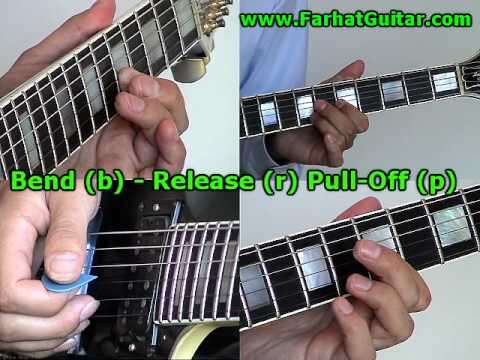
R in guitar tabs usually means "release," most often a release from a bend back to the original pitch.
I’ve read and written tabs for years, and I know how small symbols can stall your progress. This article will unpack what does r mean in guitar tabs, how to spot it, and how to play it cleanly. I’ll share clear examples, step-by-step practice tips, and real mistakes I made when I first learned releases. By the end you will read tabs with more confidence and play tighter leads.
Basic meaning: what does r mean in guitar tabs
Most of the time, what does r mean in guitar tabs refers to a release from a bend. A tab will show a number, then a bend (b) up, followed by r to show you let the string fall back to its original fret. For example, 7b9r7 means fret 7 bent to the pitch of fret 9, then released back to 7.
Context matters. In some niche tabs, r can mean a right-hand finger or rake, but that is rare for rock and blues tabs. Use the surrounding symbols to decide. If you see b and r together, r is a release. If you see R near classical fingering, it might mean right hand.

How to read r in tab lines and common symbols
Tabs use a small set of symbols to show bends and releases. Knowing these keeps you from misreading a solo.
Common patterns you will see:
- 7b9r7 — Bend from 7 to 9, release back to 7.
- 9r7 — Release from a previous bend down to fret 7.
- 7b9r — Bend to 9 then release (end pitch implied).
- pre-bend shown as (9)r7 — Pre-bend to 9, then release to 7.
How to tell the difference:
- If b appears before r, r means release.
- If r appears by itself after a number without b, check prior notes or text for context.
- If the tab uses letters like R in a fingering chart, it may mean right hand.
Remember: when you read “what does r mean in guitar tabs,” the safest read is release unless the tab shows a clear alternate key.

How to play releases and r symbols — step-by-step
Playing a clean release takes control and calm hands. Follow this simple routine.
Step-by-step:
- Choose your bend finger and anchor finger. Use one or two fingers to bend. Keep the thumb behind the neck.
- Bend up to the target pitch. Use your ear or a tuner at first. Hold the target briefly so you hear it.
- Release slowly back to the original fret when you see r. Aim for smooth pitch change, not a snap.
- Use a lighter mute with unused fingers to stop string noise.
Practice exercises:
- Bend and hold for four counts, release for four counts. Repeat on frets 7, 9, and 12.
- Play a short lick with a bend and release, then hum the pitch you bend to. This trains accuracy.
From my experience, I first overbent and snapped returns. I learned to slow the release and keep my wrist relaxed. That made my releases sound musical instead of jerky.

Common mistakes and pro tips
Learning what does r mean in guitar tabs is quick. Making it sound good takes time. Avoid these traps and use these tips to speed progress.
Common mistakes:
- Releasing too fast and creating a click or unwanted noise.
- Not hitting the target pitch before releasing.
- Using weak fingers for the initial bend, causing uneven tone.
Pro tips:
- Use adjacent fingers for support on higher bends.
- Practice with a metronome to lock timing of bend and release.
- Record yourself. Small timing errors show up on playback.
- When unsure about r in a tab, check multiple tab versions or official notation.
Examples and short exercises to master r in tabs
Examples help you see what r looks like. Try these mini exercises.
Exercise 1 — Basic bend and release
- Tab: e|–7b9r7–|
- Play slowly. Bend up to match fret 9. Hold, then release.
Exercise 2 — Pre-bend release
- Tab: e|–(9)b r7–|
- Pre-bend to 9, then release to 7. Your ear should hear the pre-bend tone first.
Exercise 3 — Musical phrase
- Tab: e|–7b9r7–5–4–|
- Add short notes after the release. Work on timing so the release lines up with the beat.
Repeat these for five minutes daily. Track progress by noting clarity and timing. Over time you will read “what does r mean in guitar tabs” and play it without thinking.

Frequently Asked Questions of what does r mean in guitar tabs
What exactly does r stand for in guitar tabs?
R most often stands for release, specifically a release from a bend back to the original pitch. Context in the tab tells you if it’s a release or another meaning.
Is r ever used to mean right hand in tabs?
Yes, in some classical or fingerstyle charts R can mean right hand. In rock and lead tabs, r usually means release, so check the tab legend first.
How do I practice releases to sound smooth?
Start slow with a metronome, bend to pitch, hold briefly, then release slowly. Record small practice sessions and listen for clicks or timing slips.
Can r be used with other symbols like h, p, or /?
Yes. Tabs combine symbols. You might see 7b9r7p5 (bend, release, pull-off). Read left to right and play symbols in order.
What if a tab doesn’t explain its symbols?
If the tab lacks a legend, assume r means release from a bend. Compare versions of the song or listen to the recording to confirm.
Does uppercase R change the meaning?
Uppercase R can be a stylistic choice or mean right hand in some charts. In standard rock tabs, case rarely changes the release meaning. Use context to decide.
Conclusion
Knowing what does r mean in guitar tabs clears up a common reading hurdle. Most of the time r means release from a bend, and you now have the steps to play it cleanly. Start with slow practice, use a tuner or your ear, and build muscle memory with small daily drills. Try the exercises above and note one area to improve each week. If this helped, leave a comment, share a tab you’re working on, or subscribe for more short, practical guitar guides.

Senior Music Reviewer
Alex Carter is a seasoned music reviewer with over a decade of experience in the world of sound and instruments. Passionate about helping musicians and enthusiasts make informed choices, he brings sharp insights and in-depth knowledge to every review. From classical instruments to modern gear, Alex combines technical expertise with a love for music to deliver content that resonates with readers.
As a Senior Music Reviewer and expert author on Tuneluma.com, Alex is dedicated to sharing honest evaluations, practical advice, and thoughtful commentary to guide readers in their musical journey.
Leave a Reply