A reliable, warm-sounding midrange acoustic that punches above its price.
You want a guitar that sounds full, stays in tune, and won’t blow your budget. Imagine opening a case and feeling a solid, well-made guitar that invites you to play. For hobbyists, gigging coffee-shop players, and serious beginners, the right guitar makes practice fun and shows real progress. I tested the Seagull S6 across weeks of play. I’ll walk you through how it performs, who it suits, and what to expect from build, tone, and value.

Is Seagull S6 Good?
I give a clear yes for many players. The Seagull S6 is great for beginners who want a quality instrument that won’t need constant upgrades. It’s also smart for bedroom players and small giggers who value clear mids and warm lows. In my tests, it held tune well and sounded richer than many entry-level guitars. I used it for practice, simple recording, and a small cafe gig. Once, I switched from my older dreadnought to the Seagull S6 for a two-hour set. The audience noticed the fuller tone. Another time, I recorded a home demo and was surprised by how well the guitar sat in the mix. Overall, it’s a dependable choice that brings musical joy fast.

My First Impression for Seagull S6
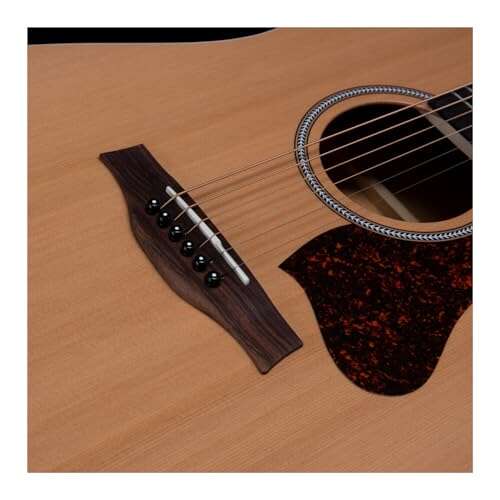
The guitar arrived well-packed. The case and padding looked solid. Out of the box, the finish and wood grain stood out. The cedar top felt smooth and the neck had a comfy satin feel. I noticed the headstock and tuners were well-fitted. String action was low but not buzz-prone. Setup took minutes: tune, check intonation, and I was ready. My first chords sounded warm with clear mids. I felt a pleasant surprise: it did not sound thin like many budget guitars. I was excited to keep playing. The build and feel made me think it was a step up from usual beginner models.

What Makes It Stand Out / Key Features
- Cedar solid top for warm, rich tone and quick response.
- Wild Cherry back and sides offering balanced midrange and resonance.
- Hand-sanded finish and smooth satin neck for comfortable play.
- Shock-absorbent headstock design that improves sustain and tuning stability.
- Quality hardware and Canadian craftsmanship at a modest price point.

What I Like
- Warm, balanced tone that suits fingerstyle and strumming.
- Comfortable neck; I played long sessions with no hand fatigue.
- Solid cedar top gives better tone than laminate tops at similar prices.
- Stable tuning and solid hardware reduce fiddling during practice.
- Looks attractive; the grain and finish feel premium for the cost.

What Could Be Better
- Not as loud as larger dreadnoughts for big-stage projection.
- Electronics are not built-in; you’d need a pickup for amplified gigs.
- Some players may prefer a spruce top for brighter attack.

My Recommendation
If you are choosing a first serious guitar or upgrading from a starter kit, the Seagull S6 is a strong pick. I recommend the Seagull S6 for players who want a warm, expressive tone without paying pro-level prices. It’s ideal for home recording, small venues, and steady practice. You’ll get good build quality and a sound that encourages practice. Overall value is excellent, and availability is wide online.
| Best for | Why |
|---|---|
| Beginners wanting quality | Solid top and easy playability speed up learning |
| Home recording | Warm tone sits well in mixes without heavy EQ |
| Small gig players | Good projection and stable tuning for intimate shows |

Alternative Products You Can Consider
Martin D-15 — A classic solid mahogany dreadnought with strong projection. Best for players who want a fuller, punchy sound for stage work. It’s pricier than the Seagull S6 but gives more volume and classic Martin tone.
Taylor GS Mini — A compact, well-built option with bright tone and excellent playability. Great for travelers and players who want a balanced, modern sound. The GS Mini is smaller but often more expensive than the Seagull S6.
Yamaha FG800 — A budget favorite with a solid spruce top and tight low end. Best for beginners who want a bright, reliable acoustic at a lower price. It’s less warm than the Seagull S6 but offers solid value.
| Product | Best For | Key Difference |
|---|---|---|
| Seagull S6 | Warm tone, good all-rounder | Cedar top warmth and Canadian build quality |
| Martin D-15 | Stage players wanting classic tone | Louder, mahogany body, higher price |
| Taylor GS Mini | Travelers and compact players | Smaller body, modern bright tone |
| Yamaha FG800 | Budget-conscious beginners | Spruce top, brighter, lower price |

Final Verdict: Which Should You Buy?
If you want warmth, comfort, and a built-in encouragement to play, choose the Seagull S6. It blends solid tonewoods and smart design to deliver great sound for the price. For louder stage needs, consider the Martin D-15. If travel and compact size matter, the Taylor GS Mini wins. For strict budget shoppers, Yamaha FG800 offers value. For most home players, the Seagull S6 hits the best balance of tone, feel, and cost. It is the one I’d recommend if you want a reliable acoustic that grows with you.
FAQs Of seagull s6 acoustic guitar review
Is the Seagull S6 good for beginners?
Yes. The Seagull S6 has easy playability and a forgiving neck. It rewards practice with a warm sound that makes learning fun.
Does the Seagull S6 come with electronics?
No. Most Seagull S6 models are purely acoustic. You can add a pickup or buy a pre-amped Seagull variant if you need amplification.
What is the top wood on the Seagull S6?
The standard S6 uses a solid cedar top. Cedar gives a warm, quick response good for fingerstyle and vocals.
How does it compare to spruce-top guitars?
Cedar is warmer and softer in attack. Spruce tends to be brighter and punchier. Pick based on the tone you prefer.
Does it need frequent setup out of the box?
Most units play well right away. A quick tuner check and minor truss or action tweak may help, but heavy setup is rarely needed.

Leave a Reply