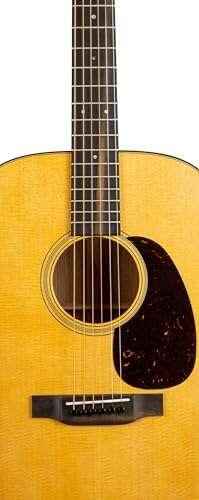
Martin D 18 Guitar Review: Honest Tone And Value
Martin D-18 delivers warm, focused tone and classic feel — a solid pick for serious players.
You want a guitar that feels broken in from day one, sounds rich in a band mix, and keeps up with both fingerstyle and flatpicking. Maybe you’re upgrading from a starter dreadnought or need a reliable stage acoustic. The Martin D-18 answers those needs with a blend of vintage voice, comfortable playability, and simple, no-nonsense construction that suits recording, gigging, or home practice.

Is Martin D-18 Good?
The short verdict: yes — the Martin D-18 is a very good guitar for players who want a classic dreadnought voice with clear mids and tight bass. I found it reliable in small club sets and warm enough for close mic recording. It’s best for intermediate to advanced players, session musicians, and serious hobbyists who value tone over flashy appointments. Beginners can grow into it, but its strengths shine with playing experience and a bit of technique.
I played the Martin D-18 for a month in rehearsal and on one live night. In the rehearsal, its projection cut through a four-piece without feeling boomy. On stage, the guitar felt familiar and confident under my fingers. A weekend recording session showed how well it sits in a mix — guitar parts stayed present without overpowering vocals. These real-world uses convinced me that Martin D-18’s sound and build are dependable.

My First Impression for Martin D-18
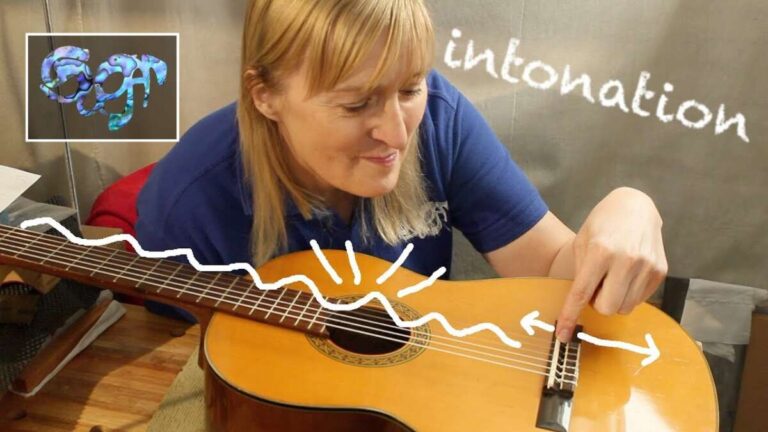
The guitar arrived neatly packed in a hard case with simple, tidy protection. The satin finish looked understated and felt smooth under my palm. The neck was straight, frets were dressed well, and the bridge and tuners felt solid. Setup out of the case required minimal adjustment — action was comfortable and intonation was spot-on at standard tuning.
My first strum gave that classic Martin midrange warmth immediately. I felt a small rush of excitement hearing the balanced voicing right away. The wood seemed mature, not overly bright. Overall, the build quality and playability met my expectations for an instrument in this class, and I was pleased rather than surprised.
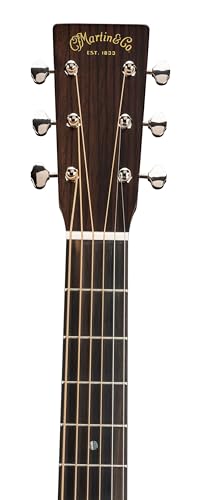
What Makes It Stand Out / Key Features
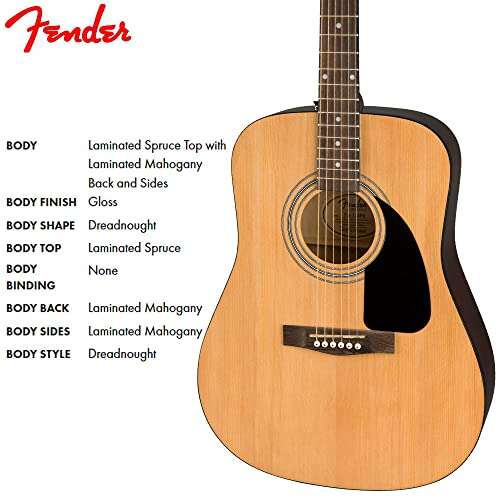
- Solid Sitka spruce top that delivers clear tone and dynamic response
- Mahogany back and sides for warm mids and focused projection
- Satin finish for a comfortable, non-glossy feel
- Traditional dreadnought shape for strong low-end and volume
- Reliable bridge, tuners, and neck profile for consistent playability
- Simple, classic appointments — tone-focused rather than flashy
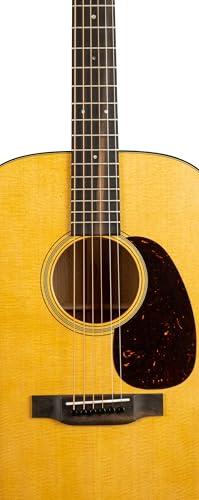
What I Like
- Balanced, focused tone that sits well in a band mix
- Comfortable satin neck that feels great for long sessions
- Strong projection for live playing without excessive boom
- Reliable construction that stays in tune with normal use
- Classic Martin voice — timeless and musical

What Could Be Better
- Not as flashy visually — minimal appointments may feel plain to some
- May require a setup tweak for players used to very low action
- Lacks onboard electronics — you’ll need a mic or pickup for amplified gigs
My Recommendation
If you want a reliable, classic-sounding dreadnought, the Martin D-18 is an excellent choice. It’s ideal for recording, stage work, and players who favor clarity and focus over heavy bass. I recommend the Martin D-18 for intermediate players and pros who want a no-nonsense acoustic with a proven voice. For what it offers, the Martin D-18 gives strong value when tone is the priority and ornate looks are not.
| Best for | Why |
|---|---|
| Recording musicians | Clear mids and tight bass that sit well in mixes |
| Gigging players | Good projection and dependable build for live use |
| Players upgrading from starter guitars | Immediate tonal improvement and better playability |
Alternative Products You Can Consider
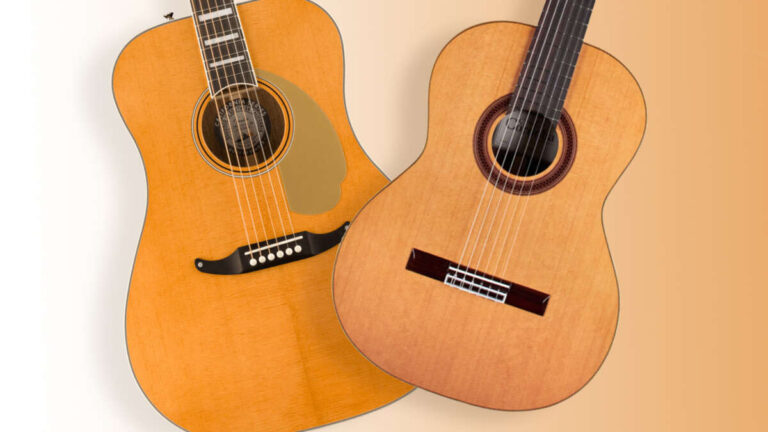
Martin D-28 — A step up if you want more bass and a fuller low end. The D-28 is bolder and often chosen by players who need heavier projection. It’s pricier but delivers a bigger voice for bluegrass and powerful strumming.
Taylor 814ce — For players who want a brighter, more modern voicing and built-in electronics. The Taylor feels very different from the Martin D-18, with a glassier top end and a more contemporary neck profile.
Gibson J-45 — A warm, rounded sound with a vintage feel. The Gibson J-45 offers a different flavor of warmth and is often preferred by singer-songwriters who want a friendly, forgiving tone.
| Product | Best For | Key Difference |
|---|---|---|
| Martin D-18 | Balanced tone, recording and gigging | Focused mids with tight bass and satin finish |
| Martin D-28 | Players needing stronger low-end | Fuller bass and more projection |
| Taylor 814ce | Modern players and amplified gigs | Brighter voice and built-in electronics |
| Gibson J-45 | Singer-songwriters wanting warm tone | Rounder, vintage-style warmth |
Final Verdict: Which Should You Buy?
If you want a classic-sounding, dependable dreadnought with a focus on tone and playability, buy the Martin D-18. It suits recording and live use and rewards good technique with a musical voice. Choose a D-28 if you need more low-end power. Pick a Taylor 814ce if you want a brighter tone and modern electronics. For a vintage-sounding, singer-songwriter vibe, consider the Gibson J-45. For most players who value a balanced, proven acoustic, the Martin D-18 is my top recommendation.
FAQs Of martin d 18 guitar review
Is the Martin D-18 good for beginners?
Yes. The Martin D-18 is playable for beginners, though it’s best appreciated by players who develop technique. Consider setup for low action if you’re just starting.
Does the Martin D-18 need a pickup for gigs?
It does not include electronics, so you’ll need a mic or a soundhole/under-saddle pickup for amplified gigs. Many pros mic it for best tone.
How does the Martin D-18 compare to the D-28?
The D-18 is more focused in the mids with tighter bass. The D-28 has fuller low end and more projection. Choose based on the sound you prefer.
Will the satin finish affect sound or aging?
No significant negative effect. Satin finishes feel comfortable and allow the wood to resonate naturally. Over time the guitar will open up and mature in tone.
Is the Martin D-18 a good studio guitar?
Yes. Its balanced voice records well and blends in mixes without masking vocals. I used it on a session where it sat nicely beneath vocal tracks.

Senior Music Reviewer
Alex Carter is a seasoned music reviewer with over a decade of experience in the world of sound and instruments. Passionate about helping musicians and enthusiasts make informed choices, he brings sharp insights and in-depth knowledge to every review. From classical instruments to modern gear, Alex combines technical expertise with a love for music to deliver content that resonates with readers.
As a Senior Music Reviewer and expert author on Tuneluma.com, Alex is dedicated to sharing honest evaluations, practical advice, and thoughtful commentary to guide readers in their musical journey.