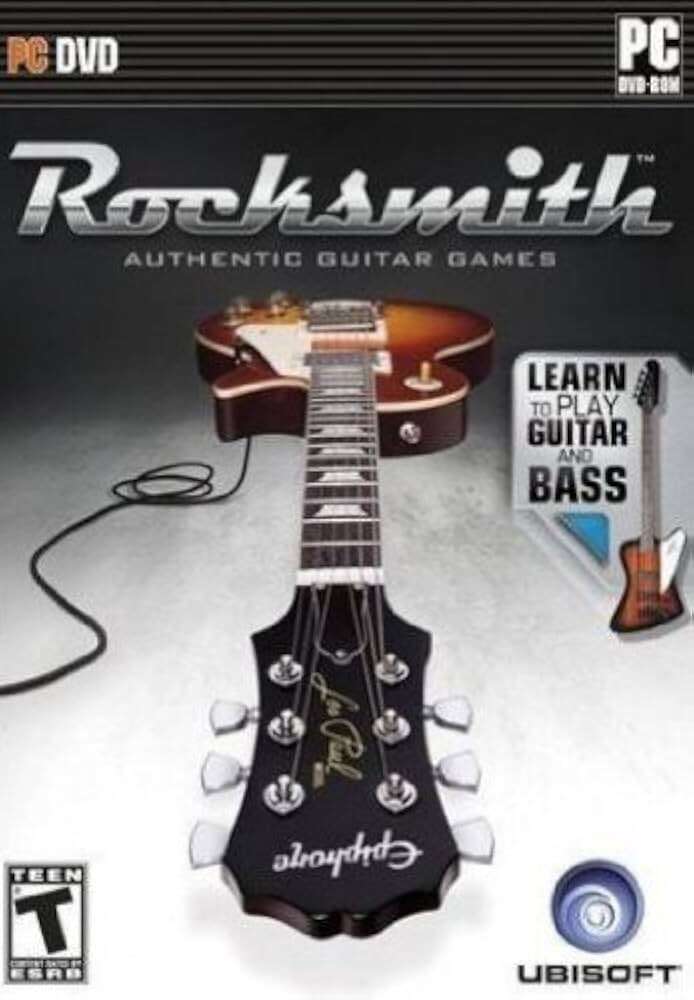
Yes—Rocksmith is a practical, interactive tool that speeds real guitar learning.
I’ve used Rocksmith for years and taught students who used it too. I’ll explain clearly whether is Rocksmith good for learning guitar, how it works, its limits, and how to use it well. Read on for my hands-on tips, evidence-based notes, and a simple plan to get better fast with Rocksmith.
How Rocksmith Works and Why It Feels Like Real Practice
Rocksmith connects your real electric or acoustic-electric guitar to a computer, console, or tablet. The game listens as you play. It shows notes on a virtual fretboard and scores your timing and accuracy. The software adapts: it slows songs down, mutes parts you need to practice, and adds difficulty as you improve.
This adaptive teaching is why many ask is rocksmith good for learning guitar. The feedback loop is immediate. You see mistakes and correct them right away. That keeps practice focused and helps build muscle memory.
Key mechanics you’ll use every session:
- Real-time note detection to correct pitch and timing.
- Dynamic difficulty that grows with your skill.
- Song library with full tracks and isolated parts for practice.
- Mini-lessons for techniques like bends, slides, and palm muting.
Rocksmith feels like a game, but it is built on effective learning principles. If you want a fun, guided way to practice actual guitar parts, is rocksmith good for learning guitar? Yes — with some caveats.

Pros: What Rocksmith Does Well
Rocksmith shines in areas many new players need most. I’ll list the strong points I’ve seen in my practice and teaching.
- Fast, motivating feedback that shortens the practice loop. You know right away if you hit the right note.
- Real songs that keep learners engaged. Playing music you love boosts practice time.
- Adaptive difficulty that prevents boredom and overload. The software scales parts up as you improve.
- Technique drills built into songs. You can isolate solos, riffs, or chords to practice cleanly.
- Measurable progress with score tracking and stats. Seeing gains keeps learners consistent.
These strengths explain why is rocksmith good for learning guitar for many beginners and hobbyists. It reduces friction between wanting to learn and actually practicing.

Cons and Important Limitations
Rocksmith is not a complete replacement for lessons or theory study. I want to be clear about where it falls short.
- Limited focus on music theory and ear training. Rocksmith shows notes, but it does not teach theory deeply.
- Tone and technique nuances can be missed. The software might accept sloppy fretting that an instructor would correct.
- Requires a guitar with pickup or adapter. Acoustic players may need extra gear.
- Song licensing and library gaps. Not every song or style you want may be available.
- Can encourage gaming the system. Some players optimize score rather than clean technique.
So when people ask is rocksmith good for learning guitar, the honest answer is: it’s excellent for practice and motivation but incomplete for mastery. Use it alongside other learning methods.

How to Get the Most from Rocksmith (Practical Plan)
A clear practice plan fixes many of Rocksmith’s gaps. Here’s a plan I used with students that worked well.
Weekly plan:
- Warm up 10 minutes using simple scales or open-chord changes.
- Spend 20 minutes on Rocksmith song practice. Isolate hard parts and use slow speed.
- Spend 10 minutes on technique off the game—focus on clean fretting and hand position.
- Spend 10 minutes on basic theory or ear training (chord names, intervals).
Daily habits that helped my progress:
- Reduce game speed to practice accuracy before speed.
- Use the loop and Riff Repeater frequently for trouble spots.
- Record yourself with a phone and compare to the game’s audio.
- Ask a teacher or friend to check your posture and fretting weekly.
Following this plan makes the answer to is rocksmith good for learning guitar much clearer. It becomes a powerful tool, not the only tool.

Comparison: Rocksmith vs Lessons, Apps, and Self-Teaching
Choosing a path depends on goals. Here’s how Rocksmith stacks up.
Rocksmith vs private lessons:
- Rocksmith gives fast feedback and song practice.
- Private lessons provide tailored technique fixes, deeper theory, and accountability.
Rocksmith vs mobile apps:
- Rocksmith uses your real guitar and full songs.
- Many apps focus on chords, tabs, or theory in bite-size lessons.
Rocksmith vs pure self-teaching:
- Rocksmith reduces guesswork with instant scoring.
- Self-teaching forces you to plan and critique your own playing.
If you ask is rocksmith good for learning guitar compared to other methods, it wins on engagement and song-based practice but loses on personalized coaching and deep theory.

Who Should Use Rocksmith — and Who Shouldn’t
Rocksmith fits certain learners perfectly. It’s a strong match when used right.
Good fit if you are:
- A beginner who wants a fun, song-based entry.
- A hobbyist who wants to learn real songs quickly.
- A self-motivated learner who will pair it with outside study.
Not ideal if you:
- Need rigorous technique correction for guitar performance.
- Want deep music theory right away.
- Prefer classical or purely acoustic fingerstyle without pickups.
Answering is rocksmith good for learning guitar depends on your goals. For most casual learners it’s an excellent start.

My Personal Experience and Lessons Learned
I started using Rocksmith as a teacher and player. My students who used it stayed more consistent. They learned songs faster and enjoyed practice more. But I also saw common problems: sloppy hand shape, poor tone, or reliance on visual cues instead of ear training.
Lessons I learned:
- Combine Rocksmith with short, focused technique sessions.
- Never use fast mode until you can play clean at slow speed.
- Use an instructor periodically to correct persistent errors.
Through real use, I recommend Rocksmith for skill building when it’s paired with deliberate practice and occasional feedback from a human teacher.
Practical Tips, Tools, and Set-Up
A smooth set-up reduces friction. Here’s what I recommend.
Gear checklist:
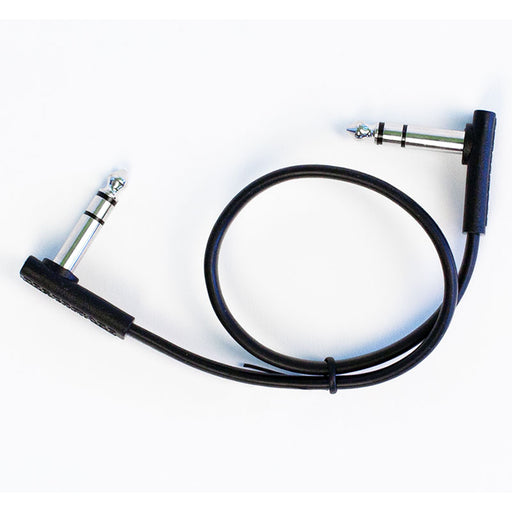
- A guitar with a pickup or a compatibility cable.
- A clean amp or headphones for clear sound.
- A stable practice space with a metronome app if needed.
Practice tools:
- Use Riff Repeater for tough sections.
- Turn off game assists occasionally to build independence.
- Keep sessions short and focused—20 to 40 minutes works well.
These small steps will make your time with Rocksmith far more effective and answer is rocksmith good for learning guitar positively.

Frequently Asked Questions of is rocksmith good for learning guitar
What skill level works best with Rocksmith?
Rocksmith fits beginners to intermediate players well. Absolute beginners will progress fast, while intermediate players can refine songs and techniques.
Can Rocksmith teach me music theory?
Rocksmith offers limited theory. You will learn patterns and chords by playing, but need extra resources for deep theory and sight-reading.
Will Rocksmith ruin my technique?
Not if you use it correctly. Combine it with short off-screen technique drills and occasional feedback from a teacher to avoid bad habits.
Is Rocksmith better than a guitar teacher?
Rocksmith complements teachers but does not fully replace them. It’s great for practice and motivation, while a teacher offers personalized corrections.
Do I need special gear to use Rocksmith?
You need a guitar with an electric pickup or an adapter cable. Headphones or an amp help with sound quality, but the gear cost is modest.
Conclusion
Rocksmith is a powerful, motivating tool for learning guitar when used correctly. It gives real-time feedback, song-based practice, and adaptive difficulty that keeps players engaged. It is not a full substitute for lessons or theory study, but it can accelerate progress and make practice fun.
Make a simple plan: use Rocksmith for song practice, add short technique drills off-screen, and get periodic human feedback. Try a month of focused practice and track your progress. If you liked this guide, try Rocksmith with a clear practice plan, leave a comment about your experience, or subscribe to learn more tips and lesson plans.

Senior Music Reviewer
Alex Carter is a seasoned music reviewer with over a decade of experience in the world of sound and instruments. Passionate about helping musicians and enthusiasts make informed choices, he brings sharp insights and in-depth knowledge to every review. From classical instruments to modern gear, Alex combines technical expertise with a love for music to deliver content that resonates with readers.
As a Senior Music Reviewer and expert author on Tuneluma.com, Alex is dedicated to sharing honest evaluations, practical advice, and thoughtful commentary to guide readers in their musical journey.
Leave a Reply