
Is Nashville Tuning Bad For Your Guitar: Truth And Tips
Nashville tuning is usually safe when done right, but improper setup can cause issues.
I’ve worked on and played many guitars with Nashville tuning. I know the gear and the risks. In this article I answer the core question: is nashville tuning bad for your guitar. I explain how it works, when it is safe, what can go wrong, and how to do it without harm. Read on for clear steps, real-world tips, and simple checks you can use before you try Nashville tuning yourself.

What is Nashville tuning?
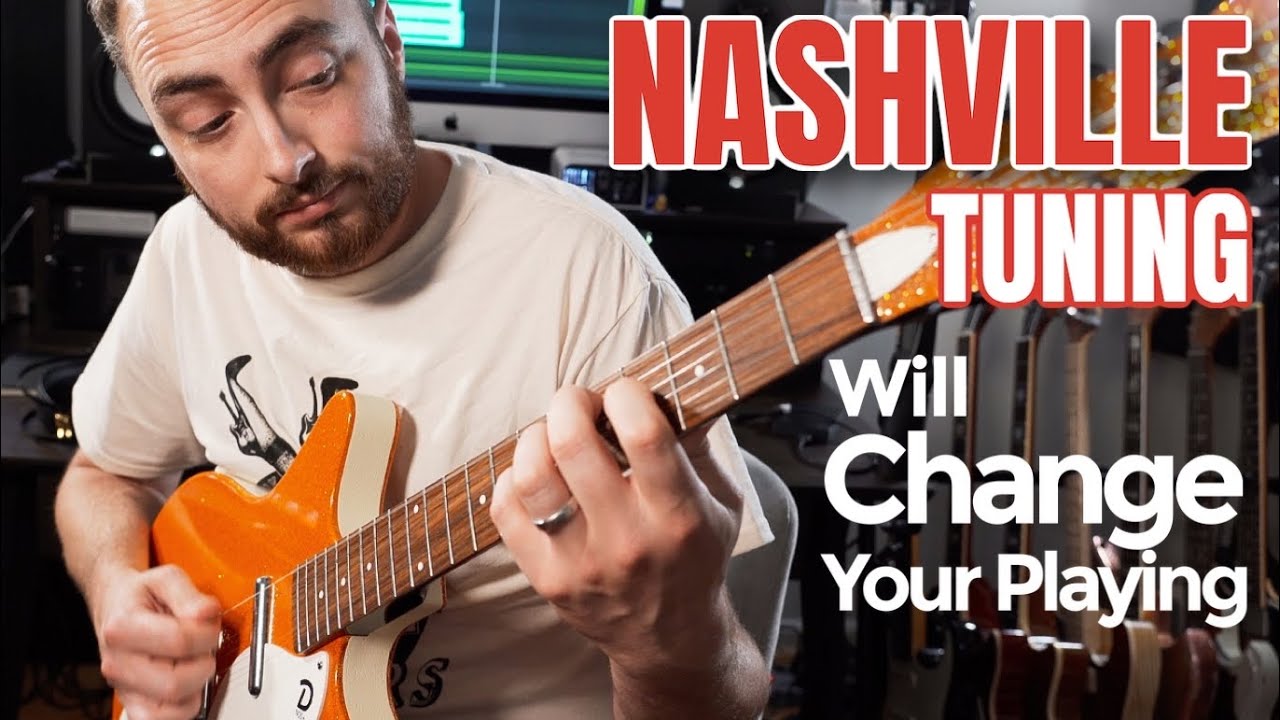
Nashville tuning replaces some lower guitar strings with lighter, higher-octave strings. It gives a chiming, 12-string-like shimmer. Players use it for layering tracks or adding sparkle to acoustic parts.
Common setup for Nashville tuning:
- Replace low E, A, and D strings with lighter-gauge strings tuned one octave higher.
- Keep G, B, and high E as standard.
- Often made by using the top three courses of a 12-string set.
Why players like it:
- Adds brightness without doubling the whole guitar.
- Great for studio layers and rhythm parts.
- Works on both acoustic and electric guitars.
is nashville tuning bad for your guitar appears often in searches because players worry about tension, neck stress, and nut wear. Understanding the mechanics removes most fear.

How Nashville tuning works
Nashville tuning changes the pitch of strings while keeping similar tension profiles if done properly. You swap heavier low strings for lighter octave strings. That reduces low-end energy and raises string pitch.
Key technical points:
- Lighter strings mean less overall tension than standard tuning on most guitars.
- The nut slots, bridge saddle, and tuner posts handle similar loads if you use proper sizes.
- Intonation may need a quick check after string change.
PAA-style question: How much tension changes with Nashville tuning?
Answer: Tension usually drops slightly because octave strings are thinner. The change is small on most guitars and rarely causes damage when the guitar is in good setup.
PAA-style question: Can I tune back to standard after Nashville tuning?
Answer: Yes. You can switch back and forth but expect to retune and check setup, especially intonation and neck relief.
Does Nashville tuning damage guitars?
Short answer: it can, but usually it does not. Damage happens when guitars are already fragile or when players ignore setup steps.
What can go wrong:
- Nut slots too tight for lighter strings can bind when switching back to heavier strings.
- Old or weak tuning machines, worn bridge pins, or loose saddle pieces may fail under any change.
- Vintage or unstable necks with weak truss rods may react poorly to big, repeated tension swings.
Why most guitars are fine:
- Nashville tuning uses lighter strings for low courses. That often lowers net tension versus a standard set.
- Modern guitars are built to handle normal tension ranges. A basic setup check prevents surprises.
- Proper string gauges and correct winding avoid sharp angles and binding.
Steps that reduce risk:
- Inspect nut slots and tuners before changing strings.
- Use the correct string gauge matched to the intended notes.
- Tune slowly and check neck relief after strings settle.
So ask again: is nashville tuning bad for your guitar? Only if you skip setup and ignore warning signs. Most damage cases come from neglect, not from the tuning itself.

Benefits of Nashville tuning
Nashville tuning is popular for good reasons. It creates clear, ringing layers without a 12-string. It is useful in many musical contexts.
Practical benefits:
- Bright, airy tone that sits well in mixes.
- Lightweight alternative to owning a 12-string guitar.
- Quick studio trick to widen a track without heavy editing.
- Makes simple chord voicings sound fuller and more complex.
Who benefits most:
- Session players and producers.
- Singer-songwriters who record alone.
- Guitarists who want new textures in live arrangements.
is nashville tuning bad for your guitar is a common worry, but the benefit list often outweighs the risk when you take basic care steps.

Risks and when to avoid Nashville tuning
You should avoid Nashville tuning in certain cases. Know your instrument and its limits.
When to avoid:
- Vintage guitars with fragile tops or loose braces.
- Instruments with unstable necks or a broken truss rod.
- Guitars with badly worn nut slots or loose hardware.
- Cheap bridges or pins that might not hold new string pressure.
Specific risk signs to watch for:
- New buzzing or fret rattle after changing strings.
- Nut slots that cut the string or bind.
- A sudden neck twist or poor action after tuning.
If you see any of those signs, stop and get a setup from a tech. Asking “is nashville tuning bad for your guitar” is smart when you suspect a problem.
How to use Nashville tuning safely
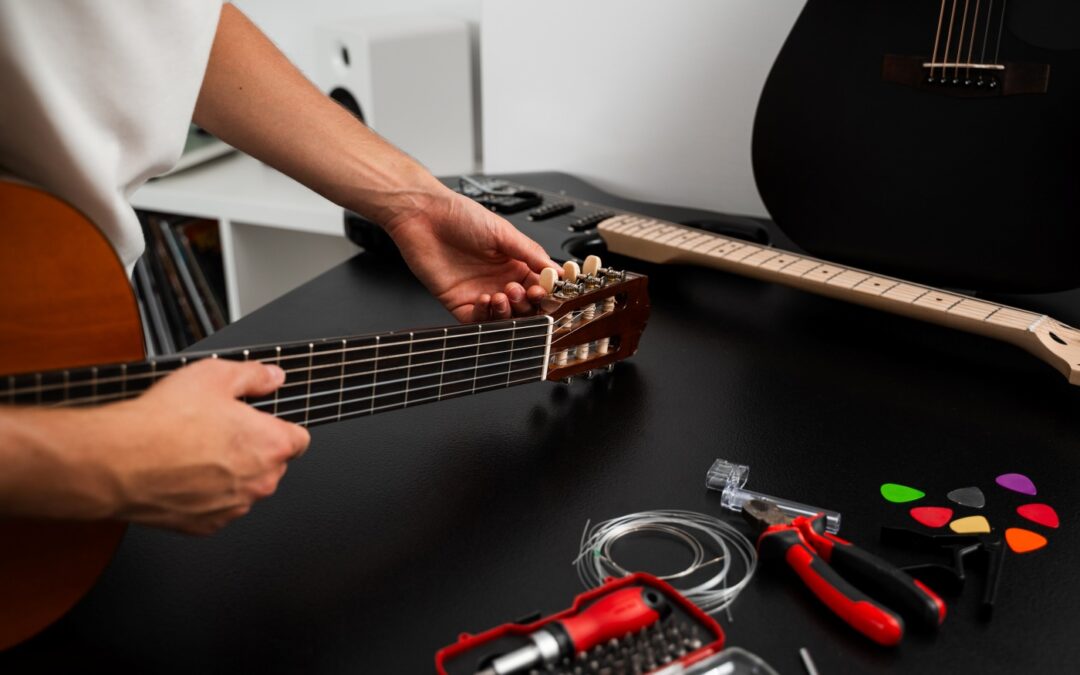
Follow a short checklist before you change strings. These steps help avoid problems.
Pre-checks:
- Check neck relief with capo and a finger at the last fret.
- Inspect nut slots for sharp edges.
- Ensure tuners turn smoothly and bridge pins fit tight.
- Choose proper string gauges and the right octave set.
Step-by-step guide:
- Remove strings slowly, one at a time, to keep neck pressure more constant.
- Fit octave strings on low courses. Wind cleanly and evenly on tuners.
- Tune up slowly to pitch, stretching strings lightly several times.
- Re-check neck relief and adjust truss rod if you are comfortable doing so.
- Check intonation and action. Make small saddle moves if needed.
If you are unsure, have a tech fit the set and do the first setup. Doing steps well answers “is nashville tuning bad for your guitar” before it becomes a problem.

My experience and practical tips
I have used Nashville tuning on many studio sessions. I have also set up guitars for friends and clients with this change. Here are honest tips from that work.
What I learned:
- Most modern acoustics handle Nashville tuning fine if you use a matched octave set.
- The biggest mistakes are rushing and using wrong string types.
- A quick setup after the change fixes most small issues.
Real tips I use:
- Keep a spare nut file and set of small files for minor slot tweaks.
- Use fresh bridge pins and lubricate nut slots lightly to avoid binding.
- If you switch often, consider a second guitar set up permanently for Nashville tuning.
Those small routines stop damage and make the tone consistent. If you still ask “is nashville tuning bad for your guitar,” try it with care and see.

Frequently Asked Questions of is nashville tuning bad for your guitar
Will Nashville tuning warp my neck?
No. Properly done Nashville tuning rarely warps a neck. Damage usually occurs on an already weakened neck or from repeated extreme tension swings.
Do I need special strings for Nashville tuning?
Yes. Use octave or lighter-gauge strings for low courses. These strings are often sold as 12-string top sets or special Nashville sets.
Can I use Nashville tuning on electric guitars?
Yes. You can use it on electrics and acoustics. Electrics often handle it easily because their necks and hardware are robust.
How often should I check my setup after Nashville tuning?
Check setup after the first 24 hours and again after one week. Strings settle, and small changes may appear as they stretch.
Will Nashville tuning affect my guitar’s value?
No, a temporary Nashville tuning does not affect value. Permanent damage from poor care could, so handle with care and get professional help if needed.
Can I record live with Nashville tuning?
Yes. Many players use it live for texture. Make sure you can switch quickly or have a backup guitar if you rely on it for shows.
Is switching back to standard tuning risky?
Switching back is safe if you tune slowly and monitor nut slots. Always check for binding when returning to heavier strings.
Conclusion
Nashville tuning is a useful, low-risk way to add bright, 12-string-like texture. It is not inherently bad for your guitar when you follow simple checks and use the right strings. If you have a vintage or fragile instrument, consult a tech first. Try Nashville tuning on a well-maintained guitar, monitor the neck and nut, and tune slowly. Take action: try it on a spare guitar or get a pro setup before you record. If this helped, leave a comment or subscribe for more guitar tips.

Senior Music Reviewer
Alex Carter is a seasoned music reviewer with over a decade of experience in the world of sound and instruments. Passionate about helping musicians and enthusiasts make informed choices, he brings sharp insights and in-depth knowledge to every review. From classical instruments to modern gear, Alex combines technical expertise with a love for music to deliver content that resonates with readers.
As a Senior Music Reviewer and expert author on Tuneluma.com, Alex is dedicated to sharing honest evaluations, practical advice, and thoughtful commentary to guide readers in their musical journey.