Bass and electric guitar are related instruments, but they are not the same.
I’ve spent decades playing, teaching, and gear-hunting, so I know the subtle and clear ways bass and electric guitar differ. This guide breaks down how the instruments feel, sound, and function. Read on to learn practical differences, real-world tips, and whether you should pick up bass or electric guitar first.
Understanding the basics: what each instrument is and does
Bass and electric guitar share a family tie. Both are fretted, amplified string instruments with similar shapes. Yet each has a distinct job in music.
- Bass provides low-end foundation and rhythm. It anchors the groove and connects drums to harmony.
- Electric guitar often carries chords, riffs, leads, and texture. It sits higher in pitch and in the mix.
When people ask "is bass the same as electric guitar," they often mean can one replace the other. The quick answer is no, not in role or sound, though a player can learn both. Expect differences in scale length, string tension, and musical duty.
Anatomy and construction: the physical differences
Many parts look alike, but specs differ in ways that matter.
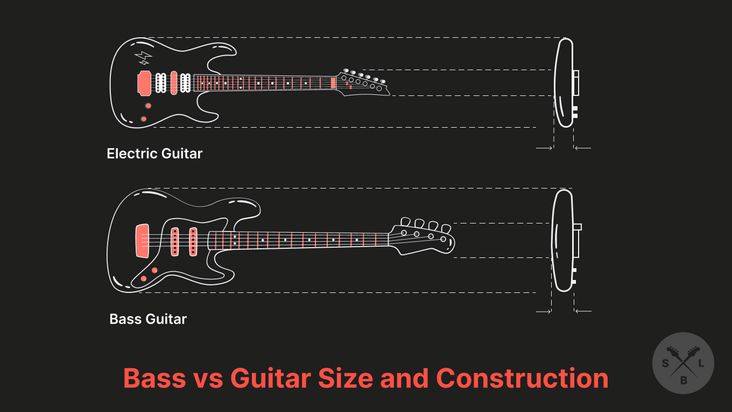
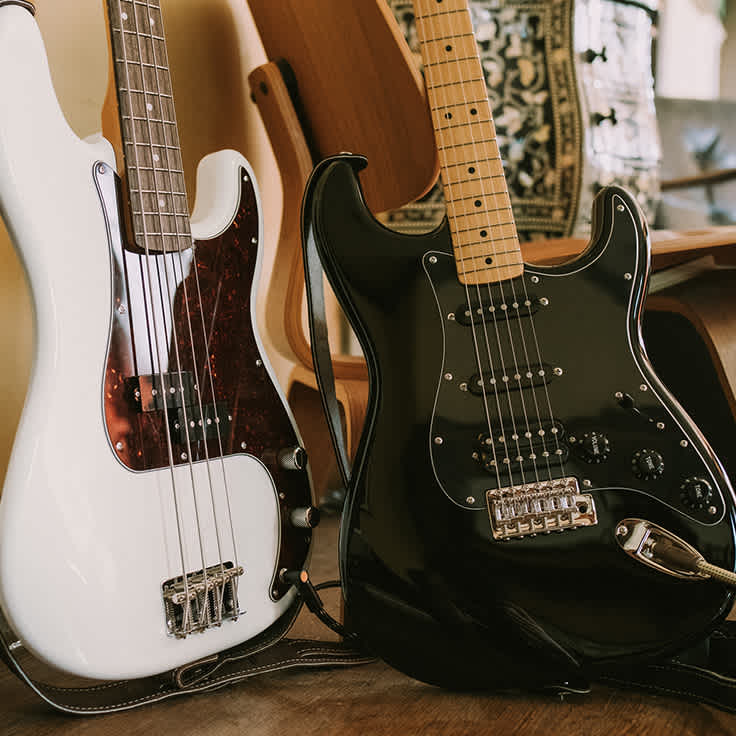
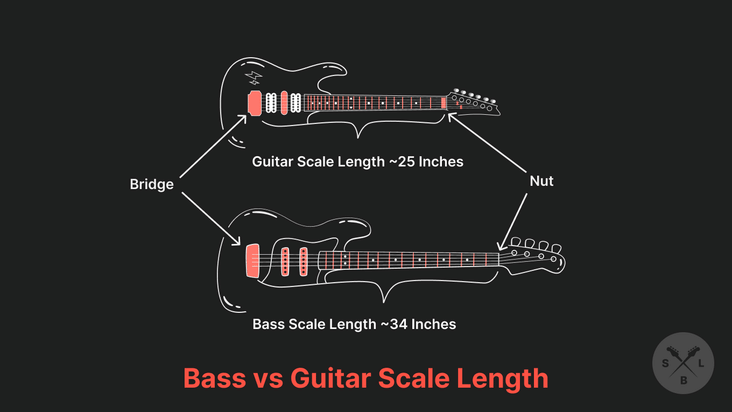
- Scale length. Bass usually has a longer scale (34 inches common) vs electric guitar (24.75–25.5 inches). Longer scale gives tighter low notes.
- Strings. Bass strings are thicker and tuned lower. Electric guitar strings are lighter for bending and fast lead playing.
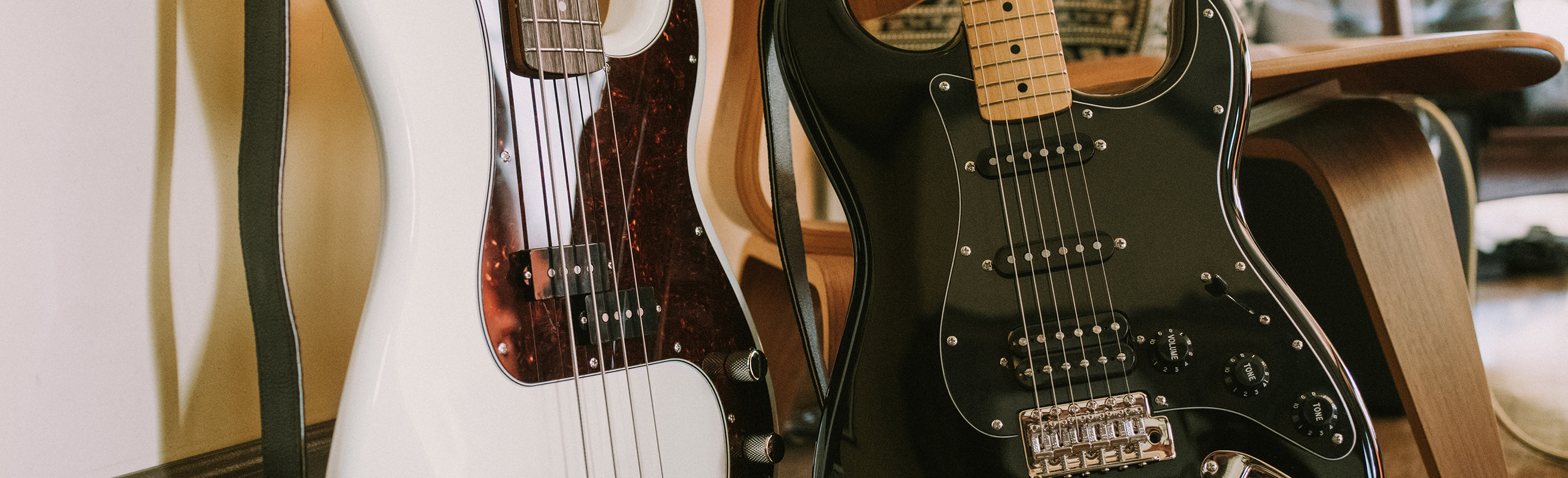
- Pickups. Bass pickups handle low frequencies and more string mass. Guitar pickups emphasize mid and high character.
- Body and neck. Bass necks are wider and longer. Bodies may be larger to balance the instrument.
- Tuning. Standard bass tuning is E A D G (one octave below lowest four guitar strings). Guitar is E A D G B E.
These physical differences shape tone and playability. So when someone asks "is bass the same as electric guitar" they should know the body parts and specs are purpose-built for each instrument.
Sound, pitch, and musical role
Sound is where the difference is most obvious.
- Frequency range. Bass sits low (roughly 40–400 Hz for common parts), guitar lives higher (around 80 Hz up to several kHz). Bass fills the sub and low-mid range.
- Function in a band. Bass links rhythm and harmony. Guitar often plays melody, chords, or solo lines.
- Tone shaping. Bass players use compression and EQ to keep low notes clear. Guitarists shape mids and highs for presence and bite.
Listen to a recording and mute one instrument. The groove collapses with the bass gone. When you mute the guitar, the mix loses color but the rhythm often survives. That practical test answers many questions about "is bass the same as electric guitar."

Playing technique and approach
Technique differs more than many assume.
- Note choice. Bass often focuses on root notes, walking lines, or simple motifs that support the song. Guitarists play chords, riffs, and solos.
- Right-hand technique. Bass workers use fingers, slap, or pick depending on style. Guitarists use picks for speed and attack or fingers for finesse.
- Left-hand technique. Bass fretting needs strength due to thicker strings and longer scale. Guitar fretting allows more bends and vibrato.
- Rhythm vs lead focus. Bass locks with drums and groove. Guitar often competes for the spotlight with melodies.
If you wonder "is bass the same as electric guitar" from a technique view, think of bass as rhythm-first and guitar as rhythm-plus-lead. You can transition, but expect a learning curve.
Gear, amps, and effects
Gear tailored to each instrument matters for tone and stage volume.
- Amps. Bass amps aim for clean low power and headroom. Guitar amps often color tone via tubes and overdrive.
- Cabinets. Bass cabs reproduce low frequencies without distortion. Guitar cabs shape midrange and harmonics.
- Effects. Common bass effects include compression, octave, and subtle overdrive. Guitar uses delay, reverb, distortion, and modulation more freely.
- Pedal choices. Many pedals cross over between instruments, but settings differ. A fuzz pedal meant for guitar can muddy bass unless EQ’ed.
When you search "is bass the same as electric guitar" in gear forums, you’ll see players emphasize amp type first. Don’t run a bass through a small guitar amp expecting good low-end.

Learning path and switching between instruments
Learning bass or guitar gives transferable skills but also unique demands.
- Transferable skills. Fretting, timing, reading tablature, and music theory help both instruments.
- New skills for bass. Strong timekeeping, locking with drums, and playing with high string tension.
- New skills for guitar. Chord shapes, lead techniques, bending, and fingerstyle patterns.
- Practice plan for switching. Start with timing exercises, simple bass lines, and songs you love. Add scales and walking lines later.
PAA-style questions
- How long to switch from guitar to bass? Expect a few months to feel comfortable with basic lines if you already play guitar. Muscle memory and timing are the main challenges.
- Can a bassist play guitar gigs quickly? Yes for basic rhythm parts and chords. Lead work and high-register techniques take more practice.
If you ask "is bass the same as electric guitar" for learning ease, know that your prior experience helps but does not eliminate new technique.
Who should choose bass vs electric guitar
Choose based on goals, personality, and the music you love.
- Choose bass if you love rhythm, low-end control, and playing with drums. Bassists are in demand and often find steady gig work.
- Choose electric guitar if you enjoy solos, chords, and leading songs. Guitarists find roles in rhythm sections and front-line parts.
- Try both. Many players start on guitar and pick up bass later or vice versa to expand opportunities.
Deciding between bass and electric guitar often comes down to the sound and role you prefer, not just the look of the instrument.
Personal experience and practical tips
I started on guitar but switched to bass for a local band and learned fast by focusing on groove. Here are practical tips I use and teach.
- Learn simple lines first. Play along with records and lock with the kick drum.
- Use a metronome. Timing matters more on bass than almost any other instrument.
- Adjust your setup. String action and pickup height change feel and clarity.
- Borrow gear. Try a friend's bass and amp before buying.
Common mistake I made: trying to play bass like guitar. I used too many notes and missed the groove. Shift to serving the song, and your playing improves quickly.
Common myths and clarifications
Clear up misconceptions that cause confusion when people ask "is bass the same as electric guitar."
- Myth: Bass is just a bigger guitar. Clarification: Design, role, and technique make it a distinct instrument.
- Myth: Guitarists can easily play bass. Clarification: Some can, but many need time to lock to rhythm and adjust touch.
- Myth: Bass has no melody. Clarification: Bass lines can be melodic and memorable in many songs.
Knowing these myths helps set realistic expectations for players and bands.
Frequently Asked Questions of is bass the same as electric guitar
Is bass the same as electric guitar in tuning?
No. Standard bass tuning is E A D G, one octave below the lowest four guitar strings. Electric guitar tuning includes two higher strings, giving a wider pitch range.
Can I use the same amp for bass and electric guitar?
You can, but it’s not ideal. Guitar amps color tone and may distort low bass notes, while bass amps handle low frequencies without unwanted breakup.
Is it easier to learn bass if I already play electric guitar?
Yes and no. Basic knowledge transfers, but bass demands stronger timing and different right-hand technique. Expect a short learning curve for groove skills.
Do bass and guitar use the same effects and pedals?
Some pedals work for both, but settings differ. Compression and octave pedals suit bass well; heavy fuzz and boost pedals often need EQ adjustments for bass.
Will learning one make me a better musician overall?
Yes. Learning bass improves timing and low-end awareness. Learning guitar enhances harmony and soloing. Both boost musicality and band skills.
Conclusion
Bass and electric guitar share DNA but serve different musical jobs. The bass builds groove and low-end strength. The electric guitar adds melody, chords, and color. If you love rhythm and feel, try bass. If you crave leads and chord work, grab a guitar. Either path will make you a better musician.
Try both if you can. Play with a metronome, learn songs you love, and focus on serving the music. Share your progress or questions in the comments, or subscribe for more practical guides and gear tips.

Senior Music Reviewer
Alex Carter is a seasoned music reviewer with over a decade of experience in the world of sound and instruments. Passionate about helping musicians and enthusiasts make informed choices, he brings sharp insights and in-depth knowledge to every review. From classical instruments to modern gear, Alex combines technical expertise with a love for music to deliver content that resonates with readers.
As a Senior Music Reviewer and expert author on Tuneluma.com, Alex is dedicated to sharing honest evaluations, practical advice, and thoughtful commentary to guide readers in their musical journey.
Leave a Reply