Neither is universally harder; difficulty depends on your goals, technique, and musical role.
I’ve taught and played both bass and guitar for more than a decade, and I know this question sparks long debates. If you want a clear, evidence-backed guide that compares technique, learning curve, practice tips, and real-world trade-offs, you’re in the right place. I’ll break down when is bass or guitar harder, why that matters for your learning path, and how to choose the right instrument for your goals.
Understanding the core question: is bass or guitar harder
The real question is not which instrument is harder overall. The better question asks which instrument is harder for you. Skill set, musical goals, body type, and the style you want to play all shape the answer. I’ll compare practical factors so you can judge which will feel tougher for your learning path.
Core technical differences that shape difficulty
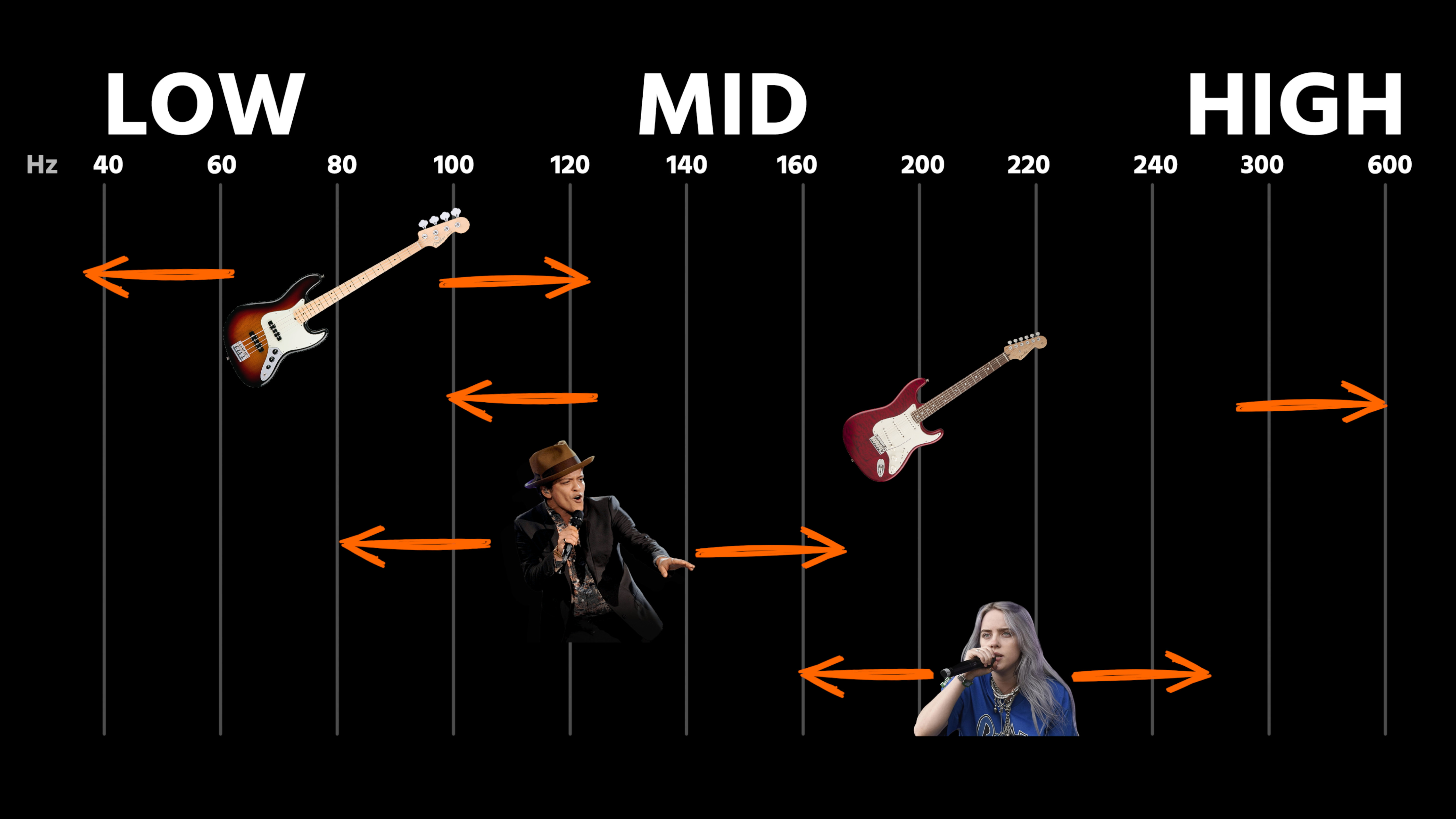
Strings and tuning matter. Guitar typically has six strings tuned higher. Bass usually has four (or five) strings tuned lower. This affects finger spacing and hand movement.
Role in music changes technique. Guitar players often play chords, riffs, and solos. Bass players focus on single-note lines, locking with drums, and holding the groove.
Fretting and touch change the work. Bass strings are thicker and need more finger strength and precision to get clean notes. Guitar frets are closer, which can make chording easier for small hands.
Timing versus harmony. Bass often needs stronger timing and feel. Guitar demands chord shapes, harmony skills, and lead techniques. Both require ear training, but they emphasize different musical skills.
When you ask is bass or guitar harder, consider that technical tasks differ but both demand consistent practice.

Learning curve and common beginner challenges
Beginners on guitar struggle with chord shapes and switching cleanly between chords. That makes early songs feel hard.
Beginners on bass struggle with finger strength and timing. Holding a steady pulse is the top early challenge for many bass players.
Progress feels different. Guitar beginners often get quick gratification by strumming simple songs. Bass beginners may feel less instant reward because root notes can sound simple even when played well.
Time to competence depends on goals. If you want to play rhythm guitar at a basic level, you can start fast. If you want to play advanced bass or lead guitar, both require years of focused work.
Physical demands and technique
Finger strength and reach
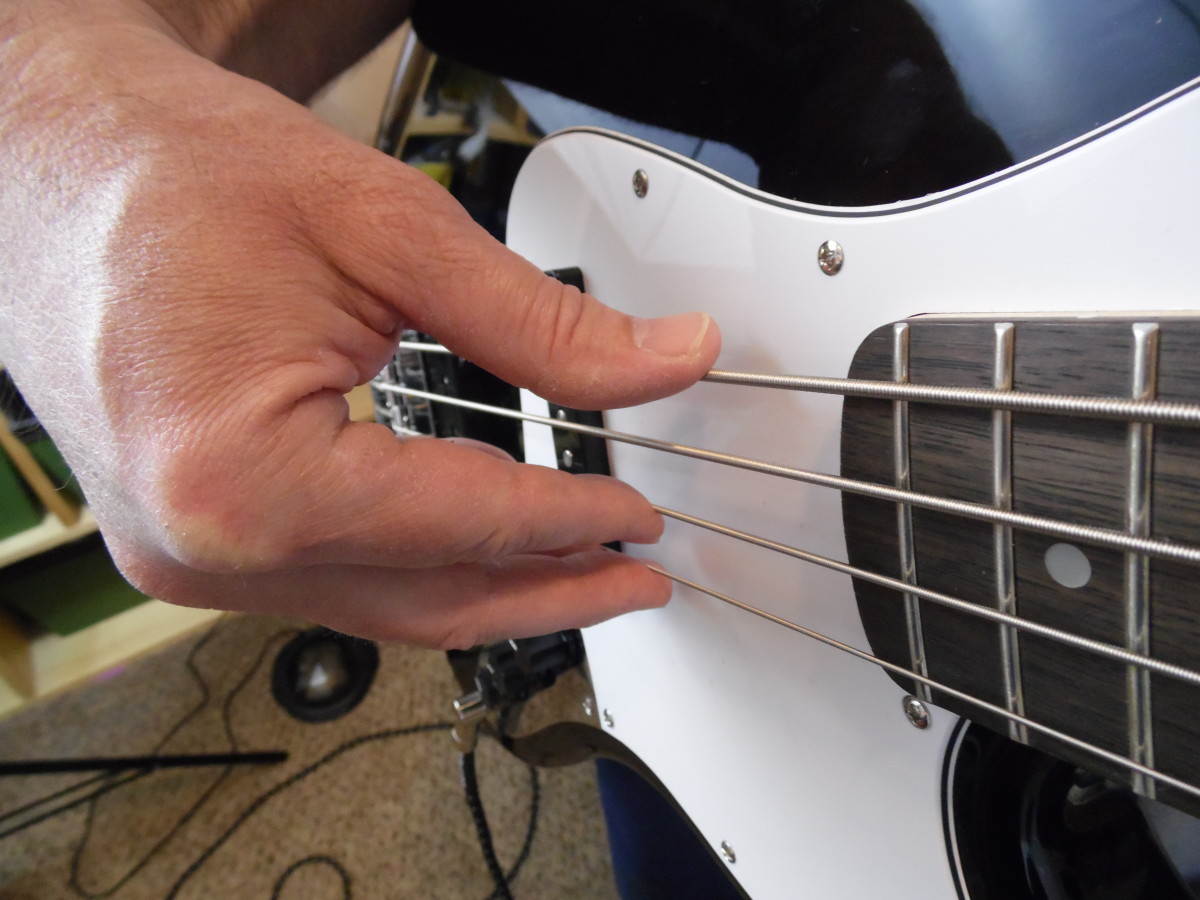
- Bass: thicker strings require stronger fingers and a firmer left-hand fretting pressure.
- Guitar: chord stretches can be painful at first, but string tension is usually lower.
Right-hand technique
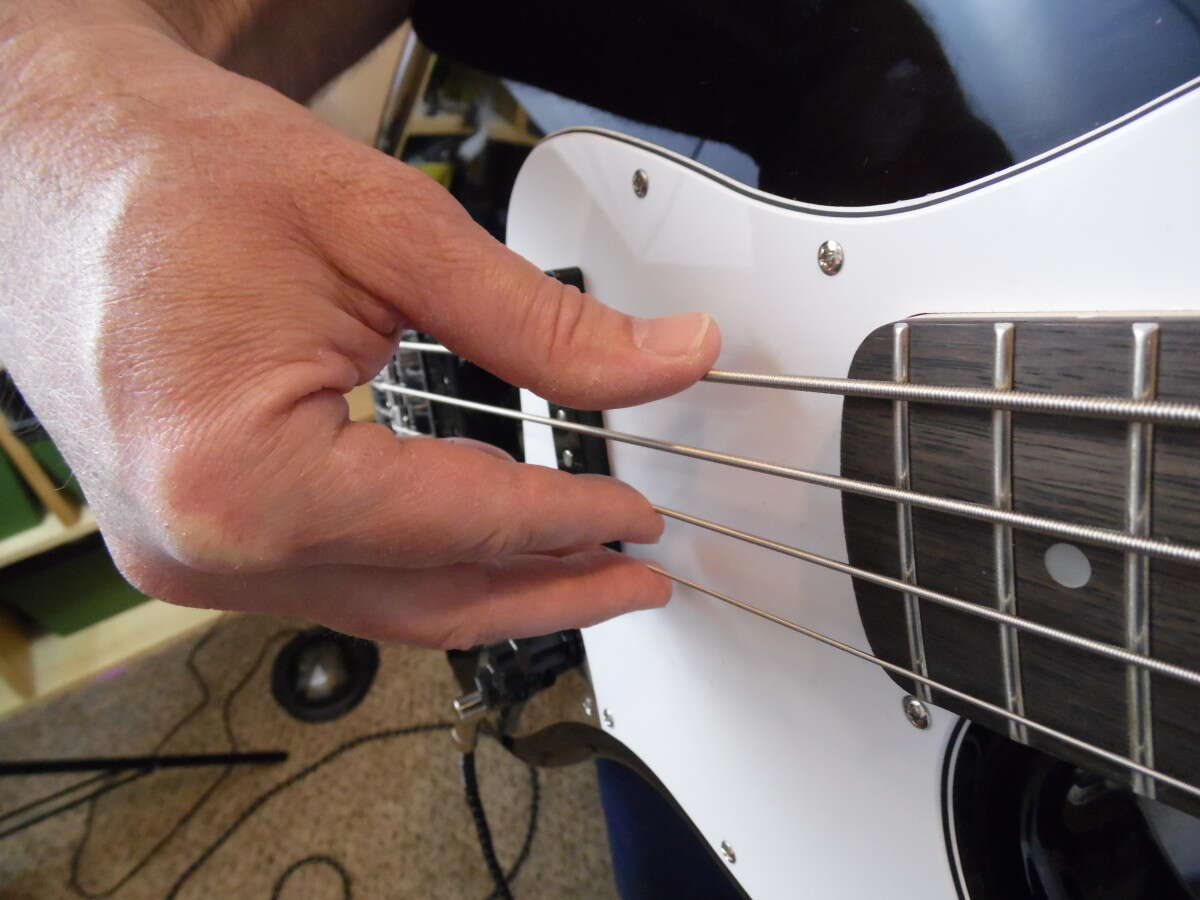
- Bass: plucking with fingers, thumb, or pick needs control to stay in the pocket.
- Guitar: strumming, flatpicking, fingerstyle, and hybrid techniques each demand different motor skills.
Posture and neck size
- Bass necks are longer and heavier. That affects posture and can cause fatigue for beginners.
- Guitar necks are shorter and lighter, making them easier to hold for long practice.
In short, is bass or guitar harder physically? Bass can be tougher on raw finger strength and posture, while guitar can be tougher on finger dexterity and chord stretches.

Musical role and mindset: what makes each instrument “harder”
Bass players must think like part of the rhythm section. That means locking with drums and choosing notes that serve the song. It’s less about flashy playing and more about taste and restraint.
Guitarists often carry melody and harmony. They must learn chords, comping, riffs, and solos. That requires broader harmonic knowledge and often leads to more visible technical demands.
One makes fewer notes count. A good bass player makes simple lines sound powerful. That restraint is an art. One makes more notes count. Many guitar roles demand fast runs and broad chord voicings.
When debating is bass or guitar harder, ask: do you prefer supporting music or leading it? That preference affects perceived difficulty.

Practice strategies to make either instrument easier
Set clear goals
- Decide what songs or styles you want to play first.
- Align practice around those goals.
Use short, focused sessions
- Practice 20–30 minutes daily rather than long sessions on weekends.
- Target timing, technique, and repertoire each session.
Drill fundamentals
- For bass: work on steady eighth-notes, simple fills, and locking with a drum track.
- For guitar: practice chord changes, strumming patterns, and basic scales.
Record and review
- Listen back to check timing and tone.
- Adjust practice based on what you hear.
Play with others early
- Jamming speeds learning more than solo practice alone.
- Playing with a drummer or guitarist reveals real weaknesses fast.
These steps help answer is bass or guitar harder by showing that effective practice reduces difficulty for either instrument.
Gear, setup, and maintenance: small things that affect difficulty
String choice
- Lighter strings reduce finger pain on guitar.
- Flatwound or lighter-gauge bass strings ease fretting and reduce finger fatigue.
Setup matters
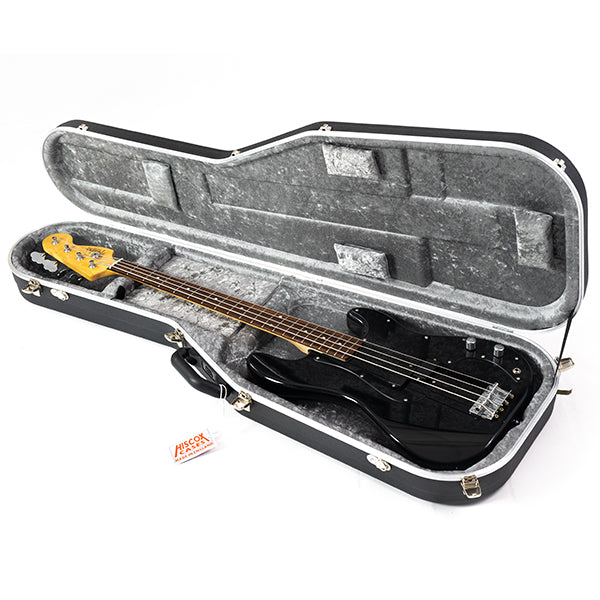
- Action height, neck relief, and intonation change how easy an instrument feels.
- A bad setup can make either instrument feel much harder.
Amplification and tone
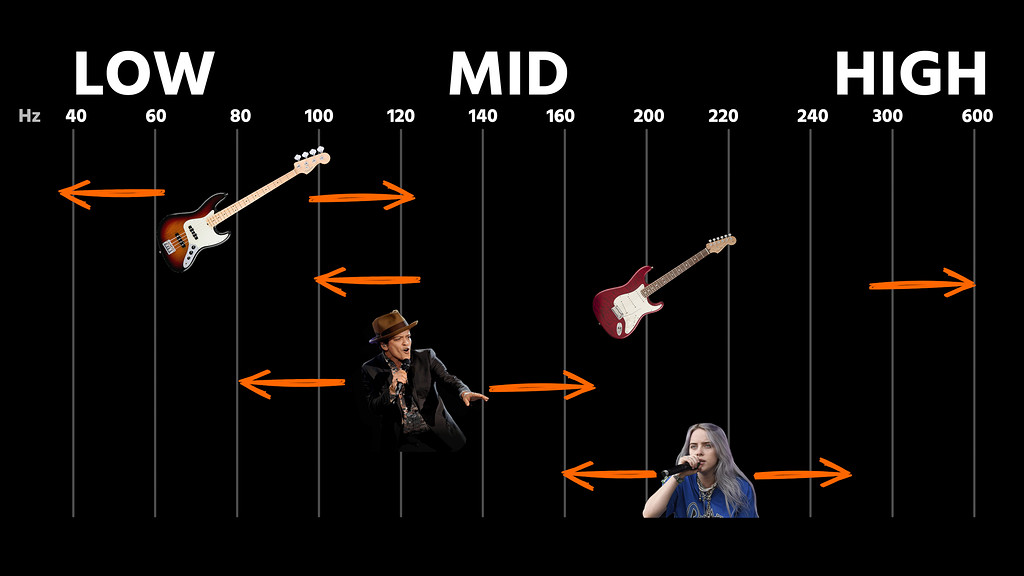
- Bass tone relies on amp and cabinet; poor gear can mask good playing and frustrate learners.
- Guitar tone variety can be more immediate with pedals and amp settings, enabling creative feedback.
Budget matters
- You don’t need top gear to learn. But playable, well-set-up instruments speed progress.
When you think about is bass or guitar harder, factor in setup and strings. The right adjustments can change perceived difficulty overnight.
Genre matters: when bass is harder and when guitar is harder
Rock and pop
- Guitar often dominates with chords and solos. Many find guitar harder here due to soloing and chord work.
- Bass holds the pocket. The challenge is consistency more than complexity.
Jazz and fusion
- Guitar requires complex chords and voicings.
- Bass often needs walking lines, quick chord changes, and advanced harmony. For many, jazz bass can be harder than rock guitar.
Funk and groove music
- Bass is central and technically demanding. Slap, ghost notes, and syncopation make bass harder in this style.
Singer-songwriter and acoustic
- Guitar plays both rhythm and harmony. That role can be more demanding than simple bass lines.
So is bass or guitar harder? The answer shifts with genre. Pick the style you love, and the difficulty becomes part of the fun.

My experience: lessons learned switching between bass and guitar
I started on guitar as a teenager and switched to bass in my twenties. That switch taught me that mindset matters most.
Lessons I learned
- Learning to lock with a drummer made me a better player overall.
- Playing bass improved my timing and made my guitar leads cleaner.
- Guitar taught me harmony and chord voicings that improved my bass note choices.
Mistakes to avoid
- Don’t assume skill on one instrument instantly transfers to the other.
- Avoid bad setups early; they slow progress and cause pain.
- Don’t skip ear training. Both instruments demand listening skills.
If you ask is bass or guitar harder from my experience, I’d say each has its unique hard parts. Both reward patience and focused practice.
Choosing the right path: practical tips
Decide by role, not prestige
- If you love grooves and low frequencies, choose bass.
- If you love chords, melody, and soloing, choose guitar.
Try both for a month
- Spend two weeks on basic bass lines and two weeks on chords.
- See which feels more natural and satisfying.
Set measurable milestones
- Play 10 simple songs cleanly on guitar.
- Play 10 groove-based songs in time on bass.
Ask a teacher for a short assessment
- A teacher can point out strengths and guide your choice.
These steps help you answer is bass or guitar harder for your life and goals.
Frequently Asked Questions of is bass or guitar harder
Is bass or guitar harder for beginners?
Beginners often find guitar more instantly rewarding due to simple chords. Bass can feel harder early because timing and finger strength are crucial.
Does playing bass make you a better guitarist or vice versa?
Yes. Bass improves timing and feel, which helps guitar. Guitar improves harmony knowledge, which helps bass note choices.
Which instrument requires more practice time to sound good?
Both require regular practice. Guitar may show faster visible progress for songs, but advanced skills on either instrument need years of work.
Is it easier to switch from guitar to bass or bass to guitar?
Many find switching from guitar to bass easier because fretting skills transfer. However, the rhythmic mindset is the main adjustment either way.
Is bass or guitar harder physically?
Bass often demands more finger strength and posture control. Guitar asks for more finger dexterity and chord stretches, so physical challenges differ.
Conclusion
Both instruments present real challenges. The answer to is bass or guitar harder depends on your musical goals, preferred role, genre, and body mechanics. Pick the instrument that excites you, use focused practice, and get a good setup. That choice makes the hard parts feel rewarding instead of frustrating. Try both, set clear goals, and commit to short daily practice. If this helped, try a two-week test on each instrument and share your results or questions below.

Senior Music Reviewer
Alex Carter is a seasoned music reviewer with over a decade of experience in the world of sound and instruments. Passionate about helping musicians and enthusiasts make informed choices, he brings sharp insights and in-depth knowledge to every review. From classical instruments to modern gear, Alex combines technical expertise with a love for music to deliver content that resonates with readers.
As a Senior Music Reviewer and expert author on Tuneluma.com, Alex is dedicated to sharing honest evaluations, practical advice, and thoughtful commentary to guide readers in their musical journey.
Leave a Reply