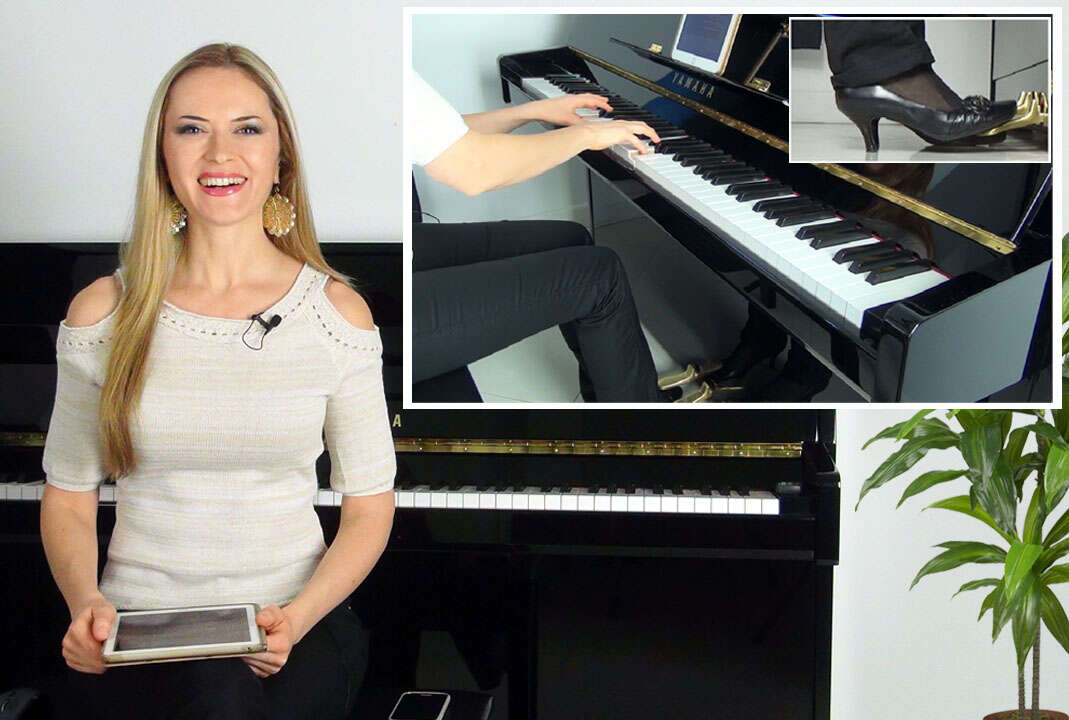
Use the pedal to sustain, shape tone, and connect phrases—press, listen, and release with intent.
I have taught piano for years and played many styles. I know how to use pedal in piano in musical, practical ways. This article gives clear steps, common mistakes, and real exercises you can use today. Read on for simple, proven guidance that builds skill and taste fast.

Understanding piano pedals: what they do and why they matter
There are three pedals on most pianos. Each pedal changes the sound in a different way. The right pedal sustains notes. The middle pedal holds specific notes on some pianos. The left pedal shifts the action to soften sound.
When you learn how to use pedal in piano, you change tone and timing. Pedal can make music sing. It can also make music muddy if used poorly. Know the role of each pedal before you use them in pieces.
Common terms to know:
- Sustain pedal: holds dampers up so strings keep ringing.
- Sostenuto pedal: holds only the notes you depress when you press it.
- Una corda (soft) pedal: shifts the action for a gentler tone.
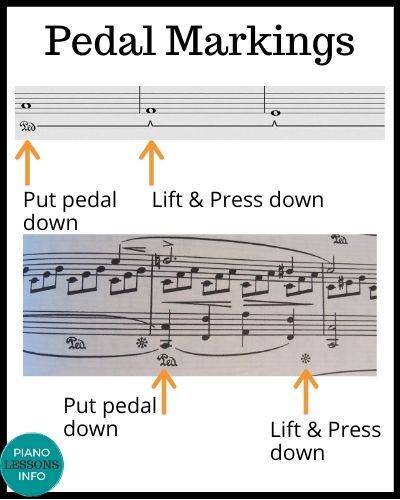
Source: piano-lessons-info.com
Basic pedal techniques step by step
Start slow. Learn one pedal at a time. The right (sustain) pedal is the most used. Practice pressing and releasing while listening closely.
Steps to learn how to use pedal in piano:
- Place your right foot on the pedal heel while keeping the ball of the foot free to press.
- Press the pedal down fully and listen. Notice the sustain and resonances.
- Release quickly and cleanly. Try a short release between chords to avoid blur.
- Practice coordinating pedal with the hands: press pedal right after the attack and release when chords change.
Try half-pedaling when full sustain sounds too blurred. Half-pedaling means pressing the pedal partway to let some damping remain. It takes time to feel. Use simple scales and arpeggios to practice coordination.
My tip from teaching: count small clicks. Play a chord, press pedal on beat 1, release on beat 3. This trains timing. When you focus on how to use pedal in piano, your hands and feet speak as one.

When to use each pedal: musical contexts and examples
Use pedal to shape legato, color, and resonance. The right pedal helps legato when your hand can’t connect notes on its own. The left pedal makes soft colors good for slow, intimate music. The middle pedal is useful for holding an important bass while the hands move elsewhere.
Examples:
- Classical slow movement: use the sustain pedal sparingly to keep clarity.
- Romantic music: use more pedal to blur lines for warmth.
- Jazz ballad: use short, rhythmic pedaling to match phrasing.
- Modern minimal music: use pedal as texture, not glue.
A simple exercise: play a slow chord progression. Try no pedal, light pedal, and full sustain. Listen and decide which supports the music. This trains musical judgment about how to use pedal in piano.

Common mistakes and how to fix them
Many learners overuse the pedal. That makes sound muddy. Others press at the wrong time or forget to release.
Fixes for typical errors:
- Mistake: Holding pedal through chord changes. Fix: Lift and reapply pedal at each harmony change.
- Mistake: Relying solely on pedal for legato. Fix: Improve hand legato; use pedal only to enhance.
- Mistake: Pedaling too late. Fix: Press pedal right after the note attack or on the beat edge.
- Mistake: Ignoring room acoustics. Fix: Use less pedal in a live hall; use more in dry rooms.
From my experience, slow practice wins. Play with a metronome and mark exact pedal points. Record yourself. When you learn how to use pedal in piano this way, your ear improves fast.
Practice routine and simple exercises
Short, focused drills build control. Dedicate 10–15 minutes per day to pedal drills.
Daily exercises for how to use pedal in piano:
- Two-chord switch: play two chords and pedal only at harmonic change. Repeat slowly.
- Half-pedal control: press halfway and listen until you can make sound clear but sustained.
- Silent press: press pedal with no sound. Watch foot motion and build muscle memory.
- Matching tempo: use a metronome. Pedal on beat 1, release on beat 3 for 4/4. Adjust as needed.
Keep sessions short. Record progress monthly. These drills teach precise foot timing and tone shaping.

Advanced techniques and creative uses
After basics, add nuance. Use pedal for sympathetic resonance to color sound. Match pedaling to phrasing, not to every note.
Advanced ideas:
- Syncopated pedaling: release and reapply for rhythmic lift.
- Layered pedal: combine half-pedal with finger release for clarity.
- Color shifts: use una corda for timbre changes within a phrase.
- Silent pedaling: move pedal without changing wash to reveal inner voices.
Be honest: some pieces need almost no pedal. Other works ask for heavy wash. Studying scores and recordings helps. My stage work taught me to adapt pedal use for rooms and pianos. This experience shapes how to use pedal in piano with taste.
Quick PAA-style questions
What is the best pedal to start with when learning?
Start with the right (sustain) pedal. It teaches timing and listening. Practice slow and simple patterns.
How do I avoid muddy sound when pedaling?
Lift pedal at harmonic changes and use half-pedaling. Also improve hand legato so the pedal is used sparingly.
Can I use pedal in fast passages?
Yes, but use light, short pedaling. Often sync pedaling with harmonic points instead of every note.
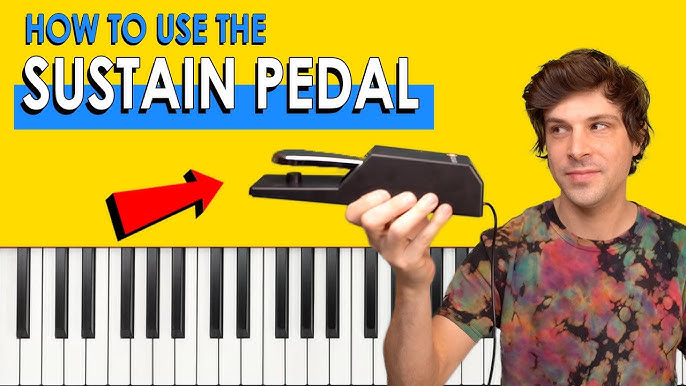
Frequently Asked Questions of how to use pedal in piano
What is the main purpose of the sustain pedal?
The sustain pedal keeps the strings vibrating after you lift your fingers. It helps connect notes and make the sound fuller.
How do I coordinate pedal with my hands?
Press the pedal right after you play the note and release when harmony changes. Practice slowly until timing is natural.
When should I use half-pedaling?
Use half-pedaling to reduce blur while keeping resonance. It works well in fast textures or complex harmonies.
Is the middle pedal useful on all pianos?
Not always. On upright pianos the middle pedal often mutes sound. On grands it may hold specific notes. Check your instrument first.
How much pedal is too much?
Too much pedal makes music unclear. If you cannot hear separate harmonies or melodic lines, use less pedal and clearer releases.
Can beginners use pedal?
Yes, but start small. Learn timing, release points, and listen closely. Simple exercises help beginners use pedal with control.
Does room acoustics affect pedaling?
Yes. Live halls add natural sustain, so you need less pedal. Dry rooms may need more pedal to achieve warmth.
Conclusion
Pedal is a tool for tone, space, and expression. Learn each pedal, practice slow drills, and listen carefully. Use pedal to support the music, not mask it. Try the exercises here, record yourself, and adjust for each piano and room. If you want better sound, focus on timing and restraint. Share your progress or questions below and keep exploring how to use pedal in piano with patience and curiosity.

Senior Music Reviewer
Alex Carter is a seasoned music reviewer with over a decade of experience in the world of sound and instruments. Passionate about helping musicians and enthusiasts make informed choices, he brings sharp insights and in-depth knowledge to every review. From classical instruments to modern gear, Alex combines technical expertise with a love for music to deliver content that resonates with readers.
As a Senior Music Reviewer and expert author on Tuneluma.com, Alex is dedicated to sharing honest evaluations, practical advice, and thoughtful commentary to guide readers in their musical journey.
Leave a Reply