
Use a chemical stripper or careful sanding, following safety steps to protect wood and hardware.
I’ve stripped dozens of guitars in my shop, so I know the pitfalls and best methods for how to strip guitar paint. This guide lays out clear, safe options — chemical stripping, heat, sanding, and media blasting — with step-by-step instructions, tool lists, safety tips, and real-world advice to help you get a clean, sound-ready surface every time. Read on to learn which method fits your guitar, budget, and skill level, and how to avoid common mistakes.

Why strip your guitar paint?
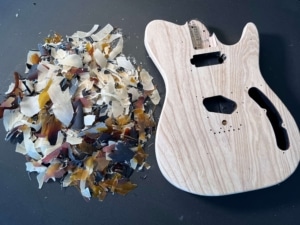
Removing finish can restore tone, reveal wood grain, fix damage, or provide a blank canvas for a refinish. Whether you want a relic look, a natural oil finish, or to repair cracks, knowing how to strip guitar paint helps you choose the right approach.
Stripping is also key when the finish is failing, bubbling, or hiding repairs. Done right, it preserves the neck, cavity routing, and intonation-critical surfaces.
Understand the common finishes you'll remove
Know what you're stripping before you begin. Common finishes include nitrocellulose lacquer, polyurethane, polyester, shellac, and varnish. Nitro finishes are thinner and softer, while poly and polyester are thick and tough.
Each finish reacts differently to chemical strippers, heat, and abrasion. Identifying the finish helps you pick the gentlest effective method and avoid damaging the wood.

Safety and prep: non-negotiable steps
Work in a well-ventilated area or outdoors. Use nitrile gloves, eye protection, and a respirator rated for organic vapors when using chemicals or producing dust.
Remove strings, electronics, and hardware when possible. Mask off parts you cannot remove and label screws and cavities. Always do a small test patch to confirm method and timing.
Tools and materials you’ll need
Gather basics before you start. Tools change by method, but common items include:
- Protective gear. Gloves, goggles, and a respirator.
- Drop cloths and a ventilated workspace.
- Chemical stripper suitable for the finish type.
- Scrapers: plastic or wooden to avoid gouging.
- Sandpaper in multiple grits: 120, 220, 320, 400.
- Heat gun with temperature control.
- Orbital sander for heavy work and sanding blocks for finish sanding.
- Steel wool or abrasive pads for nitro cleanup.
- Mineral spirits or denatured alcohol for cleanup.
- Small brushes, toothpicks, and a dental pick for cavities.
- Clamps and a work cradle to support the guitar.
Having the right gear makes how to strip guitar paint faster and safer.
Source: stewmac.com
How to strip guitar paint: step-by-step methods compared
Chemical stripping (best for detailed work)
Chemical strippers work well on nitrocellulose and some poly finishes. They dissolve finish so you can remove it with a scraper and soft brush.
- Test a small area to pick stripper and dwell time.
- Apply a thick coat of stripper with a brush, following product instructions.
- Wait the recommended time, watching for lifting and bubbling.
- Gently remove softened finish with a plastic scraper.
- Clean residue with mineral spirits or water if product allows.
- Repeat for stubborn areas, then neutralize per instructions.
Pros:
- Gentle on wood grain when done right
- Good for carved tops and cavities
Cons: - Chemical fumes and disposal concerns
- Some polyesters resist common strippers
Heat gun removal (fast, needs care)
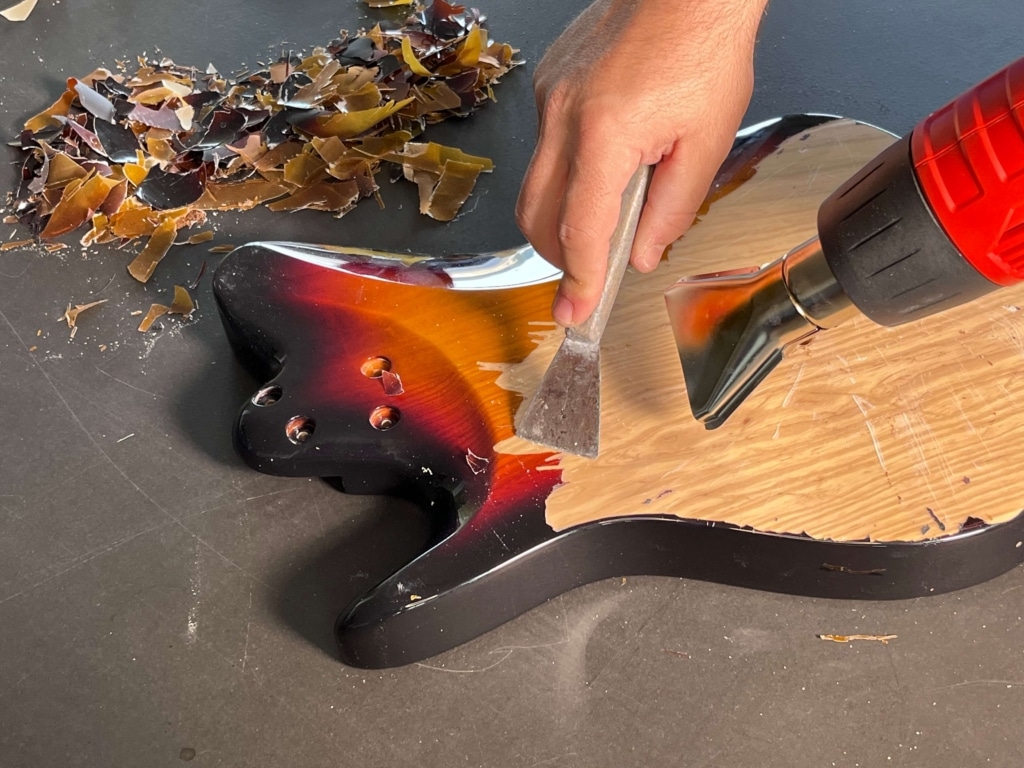
A heat gun softens lacquer and paint for scraping.
- Keep the gun moving to avoid burning.
- Heat a small area until finish softens.
- Scrape immediately with a plastic scraper.
- Cool area between passes to avoid cupping and warping.
Pros:
- Fast on thin nitro finishes
- No chemical waste
Cons: - High risk of burning or cupping thin tops
- Can damage glue joints and electronics
Sanding (controlled but labor intensive)
Sanding is direct and predictable if you protect edges and cavities.
- Strip hardware and block cavities.
- Start with a coarser grit for thick finishes, then progress: 120 → 220 → 320 → 400.
- Use an orbital sander on flat surfaces and hand-sand curves.
- Finish with fine sanding pads or steel wool for nitro.
Pros:
- No fumes, no chemicals
- Good for leveling and preparing for stain
Cons: - Removes thin wood and routing details if overdone
- Dust hazard — wear a respirator
Media blasting (professional shops)
Soda or walnut shell blasting can remove finish while leaving wood intact when done by pros.
- Only use medias safe for wood (soda, walnut shells).
- Hire a shop with experience on guitars.
Pros:
- Fast and preserves grain detail
- Good for complex shapes and heavy finishes
Cons: - Can be too aggressive if poorly done
- Requires specialized equipment and cleanup
When deciding how to strip guitar paint, weigh finish type, guitar value, and your skill. For vintage or high-value guitars, consult a luthier first.

Repairing, grain work, and prepping for a refinish
After the paint comes off, check for dents, dings, and glue lines. Open grain can show darker or lighter wood tones after stripping.
Fill with compatible grain filler for smooth finishes or leave open for oil finishes. Sand lightly to prepare the surface, and test your stain or sealer on scrap or an unseen spot. Proper prep prevents blotchy stain and poor adhesion.
Practical tips, mistakes to avoid, and real shop notes
From my experience stripping over 50 guitars, these tips save time and heartache:
- Always test methods in a hidden area first. One neck I scorched nearly ruined because I skipped a test patch.
- Remove binding carefully; finish beneath often differs and needs gentler methods.
- Don’t rush with an angle scraper. It gouges tops fast.
- For nitro finishes, steel wool and solvent often give a nicer feel than aggressive sanding.
Common mistakes: - Using a heat gun too close and warping thin tops.
- Choosing the wrong stripper and leaving residue that affects new finish.
- Not labeling screws and parts; reassembly becomes a puzzle.
These lessons come from hands-on work and a lot of trial and error. Approach the process calmly and in stages for best results.

Source: youtube.com
People also ask
Here are short answers to common quick questions about how to strip guitar paint.

How long does chemical stripper take to remove guitar paint?
It depends on the product and finish; expect 15 minutes to several hours per coat. Multiple coats or thick poly finishes can require repeated applications.
Can I use a heat gun on a vintage guitar?
Use extreme caution. Heat can damage glue joints and aging wood; consult a luthier for valuable vintage instruments.
Is sanding better than using chemicals?
Sanding gives control and avoids fumes, but it’s slower and risks removing wood if you’re not careful.
Frequently Asked Questions of how to strip guitar paint
What finish types respond best to chemical strippers?
Nitrocellulose lacquer and many varnishes strip well with common chemical strippers. Polyester and thick polyurethane can be more resistant.
Will stripping change my guitar’s tone?
Removing finish may slightly affect resonance, especially on thin-bodied electrics and acoustic tops, but changes are usually subtle.
How do I protect the neck and hardware while stripping?
Remove hardware and electronics when possible. Mask areas that can’t be removed with foil or painter’s tape.
Can I strip the paint with power tools?
You can use an orbital sander for flat areas, but avoid aggressive power tools on carved tops and edges to prevent gouging and heat damage.
How do I dispose of used chemical stripper safely?
Follow the product’s disposal instructions. Wear gloves when handling rags and allow waste to cure in a safe container, or use a hazardous waste facility.
Conclusion
Stripping a guitar’s paint is a practical skill that opens creative and repair options. Choose the method that fits the finish, the instrument’s value, and your comfort with tools and chemicals. Start small, test often, and protect the wood and hardware. If you’re unsure, consult a pro for vintage or high-value guitars.
Ready to try it? Gather your tools, do a test patch, and share your results or questions below. If you found this helpful, subscribe for more step-by-step guitar work guides.

Senior Music Reviewer
Alex Carter is a seasoned music reviewer with over a decade of experience in the world of sound and instruments. Passionate about helping musicians and enthusiasts make informed choices, he brings sharp insights and in-depth knowledge to every review. From classical instruments to modern gear, Alex combines technical expertise with a love for music to deliver content that resonates with readers.
As a Senior Music Reviewer and expert author on Tuneluma.com, Alex is dedicated to sharing honest evaluations, practical advice, and thoughtful commentary to guide readers in their musical journey.
Leave a Reply