How To Stop Guitar Strings From Slipping: Bridge Pin Fixes
Seat the ball end, fit pins snugly, add a notch or adhesive strip to stop slipping.
I’ve worked on dozens of steel-string acoustics and fixed bridge-pin slippage many times. This guide explains why strings slip out of bridge pins, how to stop guitar strings from slipping out of bridge pins, quick fixes you can do at home, tools you need, and when to call a pro. Read on for clear steps, real tips, and mistakes to avoid.

Why strings slip out of bridge pins
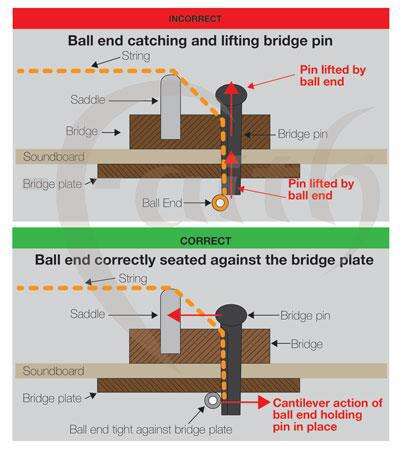
Strings slip when the ball end does not seat or the pin loses grip. Fit, wear, and poor pin angle all matter. The bridge hole or pin can be too wide. Old pins or worn bridge plate grooves let the string slide. Low tension or a poorly tied string on certain guitars also causes slippage.
Common causes
- Poor pin fit. A loose pin lets the string move.
- Worn pins or bridge holes. Wood wears with time.
- Incorrect string installation. Ball end not seated or wrong winding.
- Low-quality pins. Cheap plastic pins deform.
- Loose bridge plate or internal wear. The string angle changes.
PAA-style questions
- Why do my strings always pop out after tuning? Usually the ball end isn't seated or the pin is loose. Check fit and re-seat the ball end.
- Can incorrect string type cause slippage? Yes. Some strings have smaller ball ends or less tension. Use the right gauge and brand.

Quick fixes to stop strings slipping out of bridge pins
Start with the fastest, least invasive fixes. These work for most common slips and take minutes.
- Re-seat the ball end. Remove the pin, push the ball end into place, then insert the pin.
- Turn the pin 180 degrees. The groove may bite better in another position.
- Add a tiny notch on the pin face. This helps the string sit better without major work.
- Use a pin bridge dot or felt strip. A small felt pad under the pin raises pressure.
- Try a different pin. Bone, brass, or high-quality plastic often hold better.
If these don’t work, try a light glue stick method or replace pins completely. Always retune slowly and check seating again.

Tools and materials you will need
Keep a small kit ready. Most fixes use simple tools.
Basic kit
- Bridge pin puller or pliers with cloth wrap
- New bridge pins (bone, brass, or high-quality plastic)
- Small file or needle file
- Felt or adhesive shim pads
- Super glue gel or Titebond-style wood glue (use sparingly)
- Clean cloth and lamp for light
Safety note: Use glue sparingly. Excess glue can bond the pin permanently. If unsure, use a shim or new pins instead.

Step-by-step repair: secure strings at bridge pins
These steps explain how to fix most pin slip problems. Work slowly. Small changes matter.
- Remove the string and pin
- Loosen the string and use a pin puller to lift the pin.
- Keep the pin angle straight to avoid damaging the hole.
- Inspect the ball end and hole
- Check that the ball end is not misshapen.
- Look for grooves or wear inside the hole.
- Re-seat the ball end
- Push the ball end past the bridge plate lip.
- Hold the ball end down as you insert the pin.
- Test pin fit and rotation
1. Insert the pin and test by turning it. If it wiggles, try a different pin. - If the pin fits, tighten the string and re-check.
- Add shims or notch if needed
- Use a thin felt or adhesive shim under the pin head.
- File a very small notch in the pin face for the string to sit in.
- Glue method (last resort)
- Apply a tiny drop of glue to the pin edge, not the hole.
- Insert the pin, let glue set, then clean any excess carefully.
Repeat this process on any string that slips. When you follow these steps, you will learn how to stop guitar strings from slipping out of bridge pins reliably.

Personal experience, tips, and mistakes to avoid
I once had a vintage guitar with worn bridge holes. I tried shims first. That fixed two strings. For the tightest string I filed a slight groove in the pin face and switched to bone pins. The guitar stayed stable for months.
Lessons learned
- Don’t force pins. Forcing cracks the bridge or the pin.
- Avoid too much glue. I once glued a pin permanently because I used too much.
- Replace pins in sets. Mixing old and new pins can change seating.
- Try higher quality pins first. Bone or brass often fix issues quickly.

Preventive maintenance and long-term tips
Prevention keeps strings seated and saves time. Small checks every few months help.
Maintenance checklist
- Inspect pins and holes each time you change strings.
- Replace pins after signs of wear or cracking.
- Use consistent string brands and gauges you trust.
- Keep humidity stable. Swelling or shrinking wood affects fit.
- When changing strings, clean the bridge area and check the bridge plate.
These steps reduce how often you must fix slipping and show you how to stop guitar strings from slipping out of bridge pins before it starts.
When to seek professional help
Some fixes need a luthier. If you see deep wear, a cracked bridge plate, or a loose bridge, stop and call a pro. Major bridge repair or reaming holes is advanced work. A luthier can re-drill holes, install compensation pins, or replace the bridge plate safely.

Frequently Asked Questions of how to stop guitar strings from slipping out of bridge pins
Why do my acoustic guitar strings keep slipping out of the pins?
Most often the ball end isn’t seated or the pin is loose from wear. Check fit, try a new pin, and re-seat the ball end while tightening slowly.
Can I fix slipping with just a felt pad or shim?
Yes. A thin felt pad or adhesive shim under the pin often raises pressure enough to hold the string. It’s an easy first fix.
Are some bridge pin materials better than others?
Bone, brass, and quality plastic pins hold better and last longer than cheap plastic. Metal pins increase hold but can change tone.
Will glue damage my guitar if I use it to secure a pin?
Glue can help but must be used sparingly. Too much glue risks bonding the pin permanently or seeping into the bridge. Seek help if unsure.
How do I know if the bridge plate is bad?
If pins sit unevenly, holes are deeply worn, or strings slip after fixes, the bridge plate may be worn or cracked. A luthier should inspect and repair it.
Summary and next steps
You can stop most slippage by checking fit, reseating the ball end, using better pins, or adding shims. Small fixes work fast and prevent future problems. If the bridge or bridge plate shows deep wear, seek professional repair. Try the simple steps today and note what works for your guitar.
Take action now: inspect your pins, try a new pin, or add a felt shim. Share what worked in the comments or subscribe for more guitar care tips.

Senior Music Reviewer
Alex Carter is a seasoned music reviewer with over a decade of experience in the world of sound and instruments. Passionate about helping musicians and enthusiasts make informed choices, he brings sharp insights and in-depth knowledge to every review. From classical instruments to modern gear, Alex combines technical expertise with a love for music to deliver content that resonates with readers.
As a Senior Music Reviewer and expert author on Tuneluma.com, Alex is dedicated to sharing honest evaluations, practical advice, and thoughtful commentary to guide readers in their musical journey.