How To Safely Humidify An Acoustic Guitar: Dry Weather Tips
Use a case humidifier and a trusted hygrometer to safely humidify your acoustic guitar in dry weather.
I’ve worked on guitars for years and have helped players prevent cracks, warps, and buzzing tops. This guide shows exactly how to safely humidify an acoustic guitar in dry weather with clear steps, tools, and tips from real shop experience. Read on for step-by-step methods, common mistakes, and simple checks you can start today.

Why humidity matters for your acoustic guitar
Wood moves with moisture. Low humidity makes wood shrink, which can cause cracks, open seams, sharp fret ends, and buzzing. High humidity makes wood swell and can change action and tone. Knowing how to safely humidify an acoustic guitar in dry weather protects tone, playability, and resale value.

Ideal humidity and temperature ranges
Keep your guitar at 45–55% relative humidity for best stability. Aim for 40–60% if you need wiggle room. Room temperature between 60–75°F is good. These ranges mean you can learn how to safely humidify an acoustic guitar in dry weather without overdoing it.

Core methods to safely humidify an acoustic guitar in dry weather
Choose one or two methods, not all at once. Here are safe, proven options.
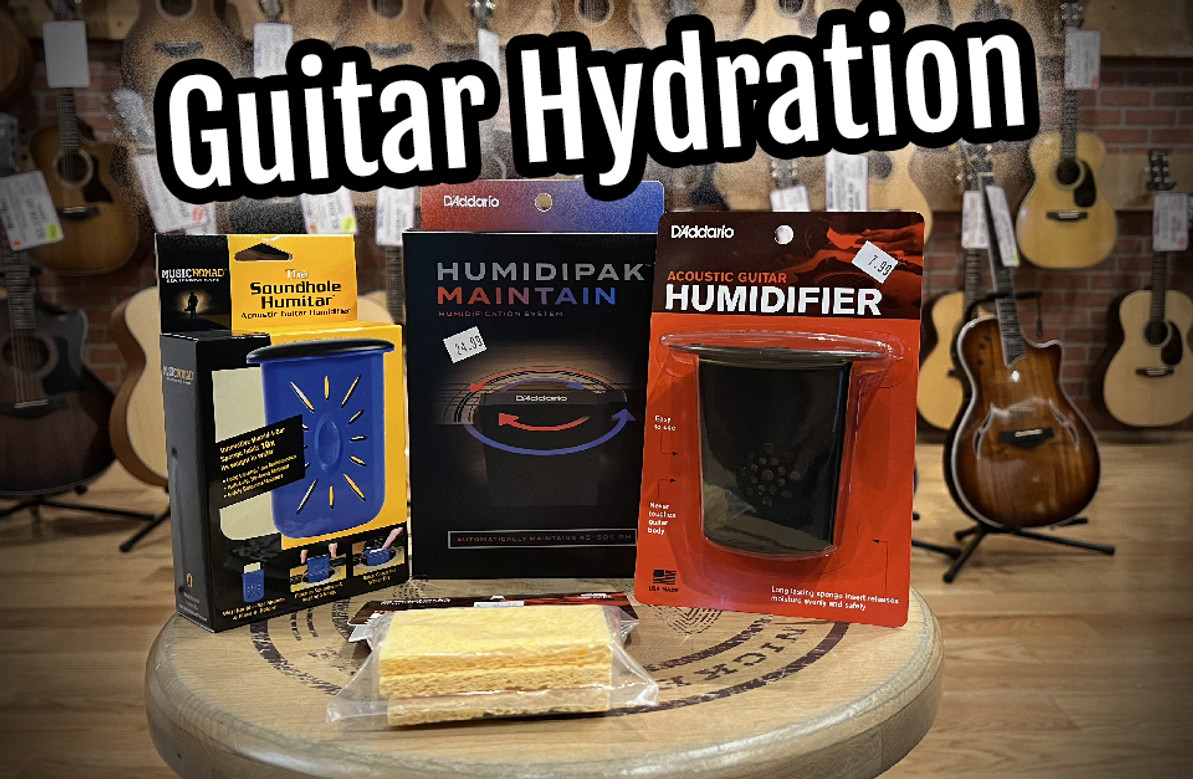
- Case humidifier
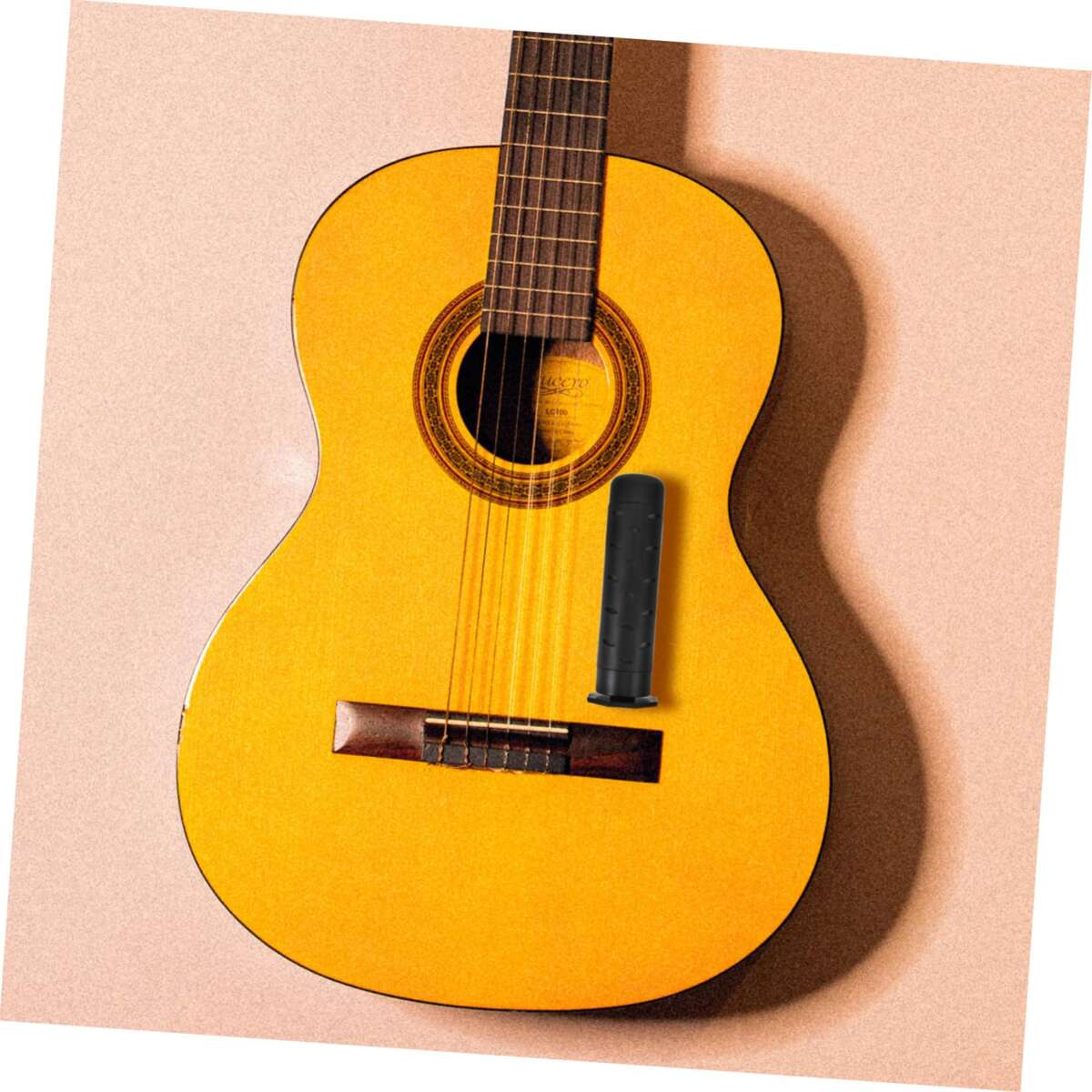
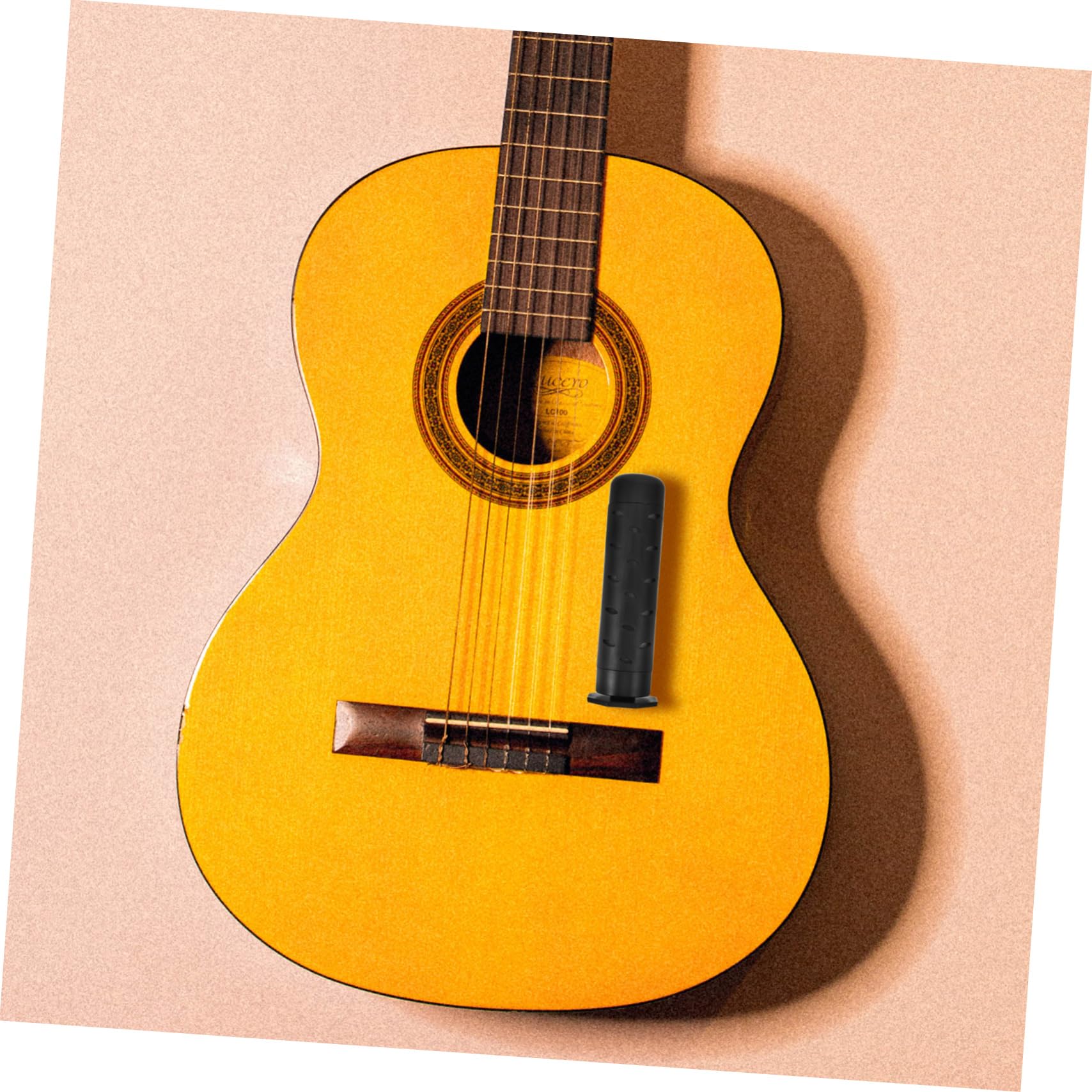
- Place a sponge or gel humidifier inside the case. Check it daily until stable. This is the most controlled way to learn how to safely humidify an acoustic guitar in dry weather.
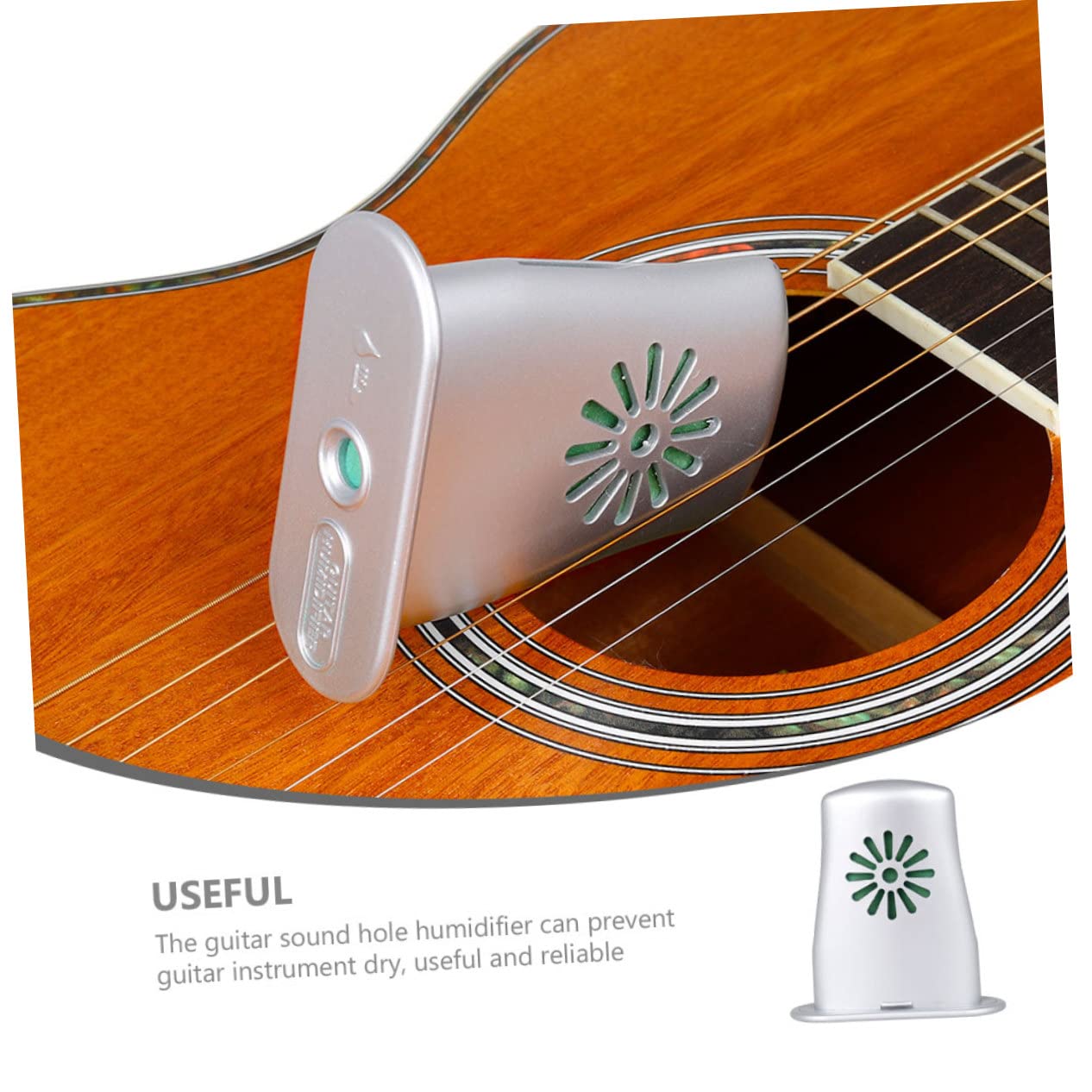
- Soundhole humidifier
- Insert a soft humidifier through the soundhole. It works well for short-term needs.
- Room humidifier
- Use a cool-mist humidifier for whole-room care. Good for many instruments and wood furniture.
- On-board or clip humidifiers
- These clip to the headstock or fit in the soundhole. They help when you travel with the guitar.
- Damp sponge in the case (temporary)
- Use only for emergencies. Wrap the sponge to avoid direct contact with wood.
Pick a primary method, use a hygrometer, and watch the numbers. That’s the core of how to safely humidify an acoustic guitar in dry weather.

Step-by-step: using a case humidifier safely
Case humidifiers are my go-to. Follow these steps.
- Measure humidity with a digital hygrometer placed inside the case.
- Add distilled water to a quality case humidifier per the maker’s instructions.
- Place the humidifier in the case near the neck or soundhole, not touching wood.
- Close the case and wait 24–48 hours. Check humidity daily.
- Refill when humidity drops below 45% and remove if it goes above 55%.
This routine shows how to safely humidify an acoustic guitar in dry weather without risk.
Step-by-step: using a room humidifier safely
A room humidifier helps multiple guitars and your home.
- Place the humidifier away from direct airflow and not under vents.
- Keep the guitar at least 3 feet from the unit to avoid direct moisture contact.
- Use distilled water to limit mineral buildup.
- Monitor with a hygrometer in the guitar’s case and in the room.
A room unit is ideal when you have a dedicated music space and need steady control of how to safely humidify an acoustic guitar in dry weather.

Monitoring: hygrometers and routine checks
Good monitoring beats guesswork. Use a calibrated digital hygrometer. Place one inside the guitar case and one in the room. Check them daily for the first week, then weekly once levels are stable. Logging readings helps you learn seasonal shifts and how to safely humidify an acoustic guitar in dry weather.
What to avoid: common mistakes and myths
Mistakes can cause more harm than dry air. Avoid these.
- Do not over-saturate or let water touch the wood directly.
- Do not use hot steam or household humidifiers that spit water.
- Do not leave guitar on a radiator or near direct heat.
- Avoid abrupt humidity changes—slow is safe.
Learning what not to do is part of how to safely humidify an acoustic guitar in dry weather.
Signs your guitar needs humidifying
Look for these red flags.
- Cracks in the top or back
- Open glue joints or loose braces
- Sharp fret ends or fret sprout
- Lower action and buzzing that happens in dry months
Spotting these early helps you act fast and learn how to safely humidify an acoustic guitar in dry weather before harm gets worse.
Long-term care and seasonal tips
Humidity needs change with the seasons. In winter, indoor air often drops. Use a case humidifier for travel and a room humidifier for home. Check setup before long trips and after flights. Make small adjustments and keep logs to master how to safely humidify an acoustic guitar in dry weather over time.
Personal experience and pro tips
I once repaired a vintage guitar that cracked from winter dry air. The owner had used a wet towel in the case. That caused bad swelling and glue failure. After repair, I switched them to a case humidifier and a digital hygrometer. Since then, no issues. My tips:
- Use distilled water.
- Let guitars acclimate slowly after travel.
- Keep spare humidifiers and a small toolkit on hand.
These lessons shaped how I teach others to safely humidify an acoustic guitar in dry weather.
Tools and products checklist
Keep this list handy.
- Digital hygrometer (calibrated)
- Case humidifier (gel or sponge style)
- Cool-mist room humidifier (if needed)
- Distilled water
- Soft cloth and small toolkit
- Travel case with humidifier pocket
Using the right gear makes it simple to know how to safely humidify an acoustic guitar in dry weather.
Troubleshooting quick guide
If humidity is too low
- Add a humidifier to the case.
- Wait 24–48 hours and recheck.
If humidity is too high
- Increase ventilation and remove humidifier.
- Use silica gel packs in the case if needed.
These steps help you react fast when learning how to safely humidify an acoustic guitar in dry weather.
Frequently Asked Questions of how to safely humidify an acoustic guitar in dry weather
How often should I check humidity in my guitar case?
Check daily for the first week after adding a humidifier, then weekly once stable. Frequent checks help catch swings before damage occurs.
Can I use tap water in a humidifier?
No. Tap water has minerals that can clog humidifiers and leave deposits. Use distilled water to keep parts clean and safe.
Is a room humidifier better than a case humidifier?
A room humidifier benefits multiple instruments and furniture. A case humidifier gives direct, controlled care for one guitar, which is often safer for travel.
What humidity level should I aim for in winter?
Aim for 45–50% relative humidity in winter to keep wood stable while avoiding over-saturation. Slow adjustments are key.
Will humidifying fix existing cracks?
Humidifying can help stop further shrinkage but won’t reliably fix existing cracks or open joints. See a luthier for repairs and advice on humidifying afterward.
Conclusion
Keeping your guitar safe in dry weather is simple when you use the right tools and checks. Measure humidity, pick a reliable humidifier, use distilled water, and monitor often. Take action early to avoid cracks, warps, and costly repairs. Start today: put a hygrometer in your case, add a case humidifier, and check daily until stable. If you found this helpful, try these tips with your own guitar and leave a comment or subscribe for more gear care guides.

Senior Music Reviewer
Alex Carter is a seasoned music reviewer with over a decade of experience in the world of sound and instruments. Passionate about helping musicians and enthusiasts make informed choices, he brings sharp insights and in-depth knowledge to every review. From classical instruments to modern gear, Alex combines technical expertise with a love for music to deliver content that resonates with readers.
As a Senior Music Reviewer and expert author on Tuneluma.com, Alex is dedicated to sharing honest evaluations, practical advice, and thoughtful commentary to guide readers in their musical journey.