How To Remove Rust From Old Guitar Strings Without Damage:
Gently clean with a soft cloth, mild cleaner, and short vinegar or lemon soak—dry and lubricate promptly.
I’ve spent years repairing and caring for guitars for players of all levels. In this guide I explain how to remove rust from old guitar strings without damage, step by step. You’ll learn safe tools, simple household methods, when to stop and replace strings, and how to prevent rust from coming back. Read on to get clear, practical steps you can trust and try today.

Why guitar strings rust and when to act
Rust forms when iron in steel reacts with moisture and oxygen. Sweat, salty skin, humidity, and spillovers speed the process. Nickel-plated and stainless strings resist rust, but wound acoustic strings with steel cores and brass or bronze wraps can still show corrosion.
If the rust is light and only on the surface, you can often clean it. If rust pitting is deep or the string looks flakey, the metal has lost strength. At that point, replace the string to avoid breakage and poor tone.
how to remove rust from old guitar strings without damage depends on how deep the corrosion is. Light surface rust can be safely removed. Heavy pitting cannot be fixed and risks breaking while you play.

Is it worth cleaning rusted strings or should you replace them?
Cleaning works best for light tarnish and spots. You can restore playability and tone a little. But rust weakens metals over time, and old strings rarely return to brand-new strength after cleaning.
Consider replacing strings if any of these apply:
- String shows deep pits or rough raised flakes.
- Tone sounds dull after cleaning.
- You rely on the guitar for gigs or recordings.
If you want to try how to remove rust from old guitar strings without damage, do a short test on a tiny section before committing to a full clean.

Safe materials and tools to remove rust from guitar strings
Use simple, non-abrasive items first. Avoid harsh acids or coarse abrasives on wound strings.
- Soft microfiber cloth for wiping.
- Cotton swabs to reach tight spots.
- Isopropyl alcohol (70%–90%) for quick cleaning and fast drying.
- Distilled white vinegar for short soaks on plain steel strings only.
- Mild metal polish designed for instruments or a dedicated string cleaner.
- Disposable gloves to protect skin and avoid oils.
- Clean water and towel for rinsing.
- Small cup or tray for short soaks.
how to remove rust from old guitar strings without damage starts with picking the right tool. If you are unsure, stick to cloth and alcohol first. That gives the safest outcome.
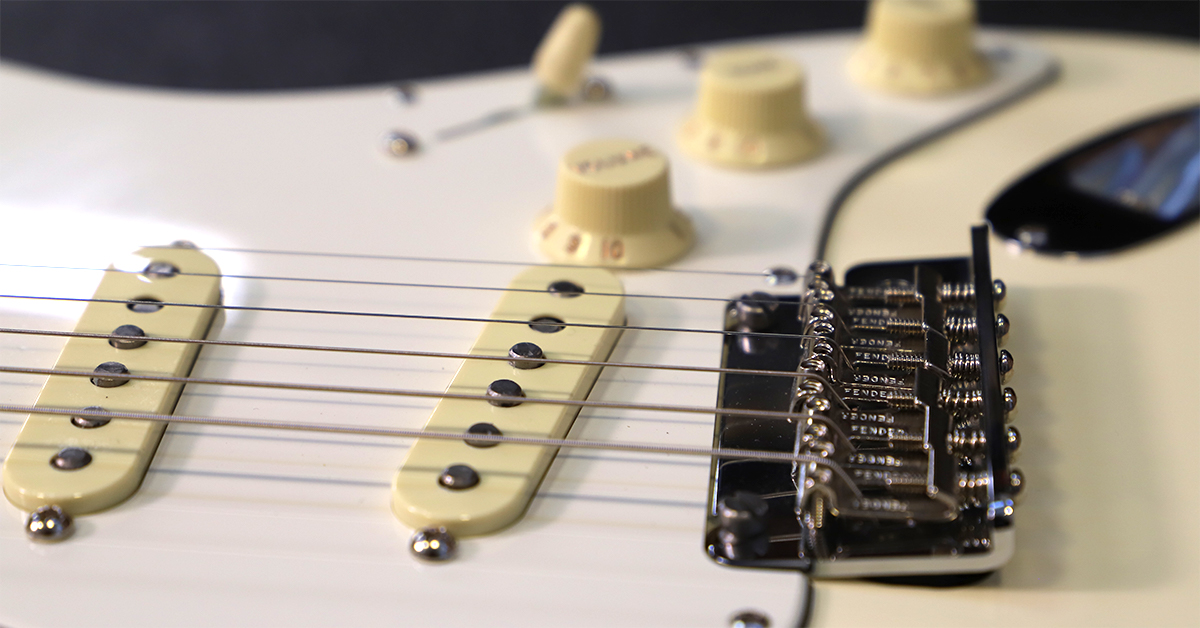
Step-by-step guide: How to remove rust from old guitar strings without damage
Follow these short steps. Work slowly and check the string often.
- Inspect strings
- Look for pits, raised flakes, or severe discoloration.
- If you see deep damage, replace the string. Do not try to save heavily corroded strings.
- Remove the string or work on one string at a time
- Loosen and remove the string if you can. Cleaning off the guitar avoids accidental damage.
- If you clean on the guitar, protect fretboard and hardware.
- Dry wipe
- Use a microfiber cloth and wipe along the string length. Move from bridge to nut to avoid dragging debris into the nut slots.
- Alcohol wipe
- Moisten a cloth or cotton swab with isopropyl alcohol.
- Wipe gently along the string to remove oils and light rust. Alcohol evaporates fast and reduces moisture.
- Short vinegar or citrus soak (only for plain steel strings and light rust)
- Pour a little distilled white vinegar into a cup.
- Wrap the string around a pencil or loosen it from the guitar and dunk the rusty portion for 3–8 minutes.
- Remove and immediately rinse with clean water, then wipe with alcohol and dry thoroughly.
- Do not soak wound strings for long. Vinegar can attack some wraps and adhesives.
- Use a mild metal polish if needed
- Apply a tiny amount to a cloth and rub gently. Do not use abrasive pads on wound wraps.
- Rinse or wipe off residue with alcohol and dry.
- Final dry and lubrication
- Dry with a clean towel.
- Apply a drop of string lubricant or light mineral oil where strings meet fingers. Wipe excess away.
- Re-tune and test for feel and tone.
Check after playing for any signs of renewed corrosion. how to remove rust from old guitar strings without damage is mostly about short work, quick drying, and gentle handling.
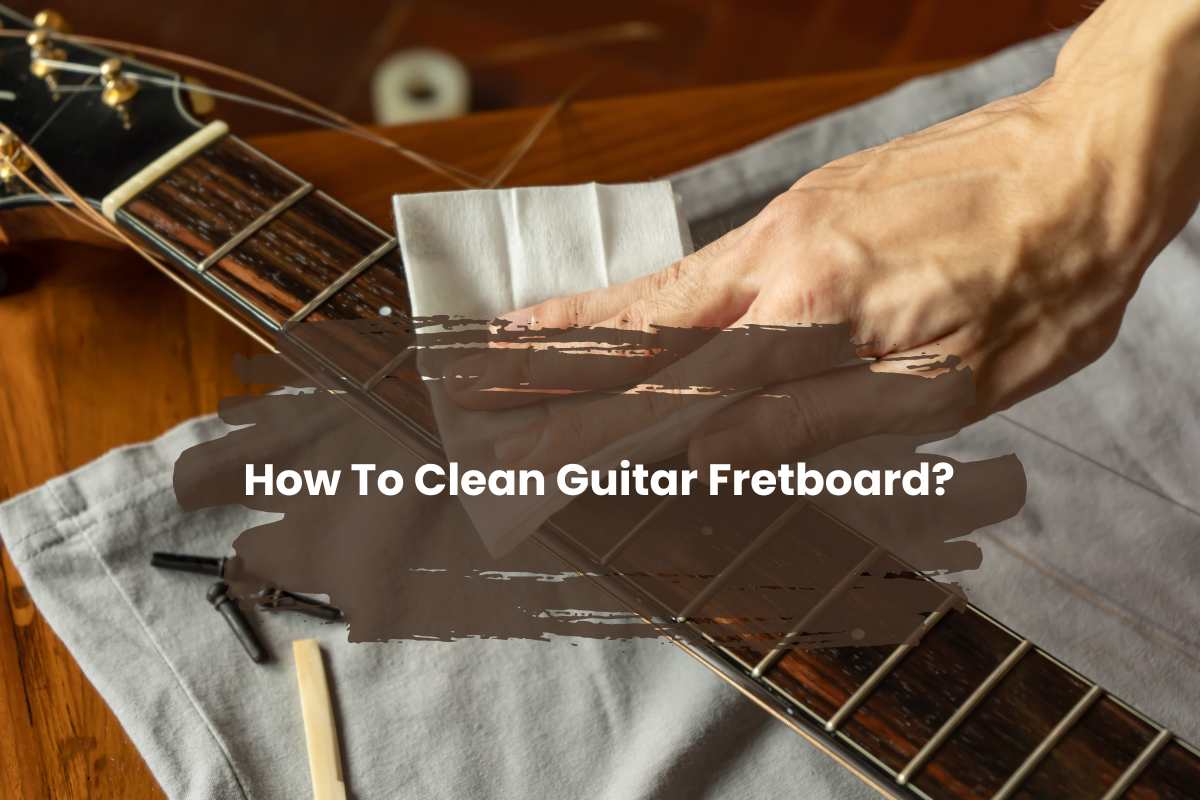
Household methods and pros and cons
You can try common home methods, but each has trade-offs.
-
Microfiber cloth and alcohol
- Pros: Safe, fast, no residue.
- Cons: Only removes oils and light rust.
-
Vinegar or lemon juice soak (plain steel only)
- Pros: Removes light rust quickly.
- Cons: Acid can harm wraps and leave residue; must rinse and dry immediately.
-
Baking soda paste
- Pros: Mild abrasive for small spots.
- Cons: Can be gritty and scratch wraps; rinse well.
-
Commercial rust removers
- Pros: Effective on rust.
- Cons: Many contain harsh chemicals; they can strip plating or leave harmful residue if not for instruments.
Avoid steel wool, heavy sandpaper, or harsh abrasives on wound strings. Those can remove plating and damage wraps. The safest path to learn how to remove rust from old guitar strings without damage is to start with alcohol and cloth, then move to gentle chemical methods only if needed.
Preventing rust after cleaning
Prevention keeps strings sounding good longer.
- Wipe strings after each play to remove sweat and oils.
- Wash your hands before playing.
- Use a string lubricant or protector spray occasionally.
- Consider coated strings for heavy sweaters or humid climates.
- Store the guitar in a case with a moisture absorber if you live in a humid area.
- Change strings regularly; cost is low compared to the risk of breakage.
how to remove rust from old guitar strings without damage is only part of the story. Preventing rust saves time and keeps tone steady.

My experience: mistakes and practical tips
I’ve cleaned many strings for students and paid gigs. I once soaked a wound acoustic string too long in vinegar. It removed the tarnish but left the wrap uneven and the tone dull. I now test a small section first.
Tips I learned:
- Test on an old spare string first.
- Use alcohol for a first pass.
- Stop if the string feels rough or sounds dull; replace it.
- Keep spare sets on hand. If you worry about damage, replacement is often faster and safer.
how to remove rust from old guitar strings without damage became clearer through trial and error. Be patient and conservative.

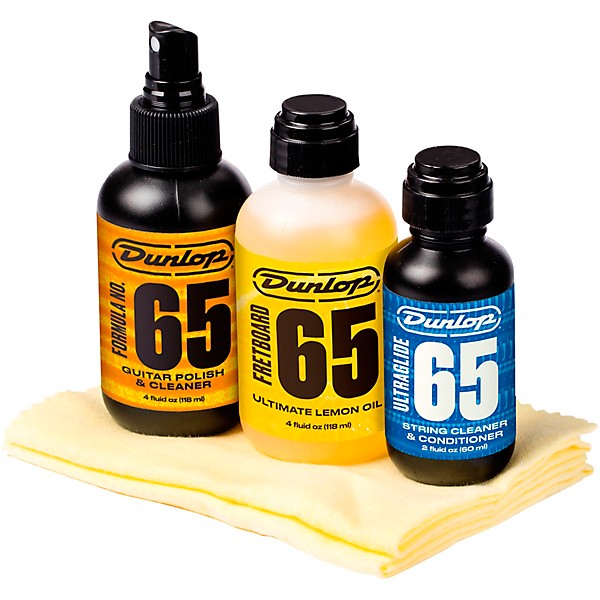
Recommended products and tools
Keep a small kit ready.
- Microfiber cloths
- 70%–90% isopropyl alcohol
- Instrument-safe polish or string cleaner
- String lubricant or protectant
- Distilled white vinegar (for plain steel short soaks)
- Spare string sets
These items help you clean strings safely and learn how to remove rust from old guitar strings without damage.

Frequently Asked Questions of how to remove rust from old guitar strings without damage
Can I remove rust from wound acoustic strings?
You can remove very light surface rust with gentle wipes and a mild polish. Avoid soaking wound strings; long exposure to acids or harsh abrasives can ruin the wrap and glue.
Will rubbing alcohol remove rust?
Rubbing alcohol removes oils and light corrosion but won’t dissolves deep rust. It’s excellent for cleaning and quick drying, which helps prevent further corrosion.
Is it safe to use vinegar on guitar strings?
Short vinegar soaks can work on plain steel strings to lift surface rust. Rinse and dry immediately. Avoid letting vinegar touch wrapped strings for long periods.
Can I use steel wool to clean strings?
No, steel wool and coarse abrasives can strip plating, scratch wraps, and roughen the string. Use only very fine polish on plain steel and skip abrasives on wound strings.
How often should I replace strings to avoid rust?
For regular players, change strings every 1–3 months depending on sweat, play time, and environment. Preventive care often beats heavy cleaning later.
Conclusion
Light surface rust can often be removed safely with gentle tools, alcohol wipes, and short, careful treatments. Deep pits mean the metal is compromised and replacement is the smart choice. Use short steps, dry thoroughly, and add simple habits like wiping down and using a string lubricant to keep strings healthy.
Try the safe cleaning steps today or keep a fresh set nearby. If this article helped, leave a comment with your experience or subscribe for more practical guitar care tips.

Senior Music Reviewer
Alex Carter is a seasoned music reviewer with over a decade of experience in the world of sound and instruments. Passionate about helping musicians and enthusiasts make informed choices, he brings sharp insights and in-depth knowledge to every review. From classical instruments to modern gear, Alex combines technical expertise with a love for music to deliver content that resonates with readers.
As a Senior Music Reviewer and expert author on Tuneluma.com, Alex is dedicated to sharing honest evaluations, practical advice, and thoughtful commentary to guide readers in their musical journey.