Reading piano sheet music is about learning the staff, clefs, notes, rhythm, and symbols.
I have taught students and played for years, so I know how to read piano sheet music clearly and fast. This guide breaks the topic into simple parts. You will learn the staff, clefs, note names, rhythm, key signatures, dynamics, and practice steps. Read on to gain real skills and confidence reading piano sheet music.

Understanding the basics of how to read piano sheet music
Start with the big idea. Sheet music is a map for sound. The map tells you what to play, when to play it, and how loud or soft to play. The main parts are the staff, clefs, notes, rhythm marks, key signatures, and dynamics. Learn each part one at a time. Practice slowly and often to build fluency in how to read piano sheet music.
The staff, clefs, and notes explained
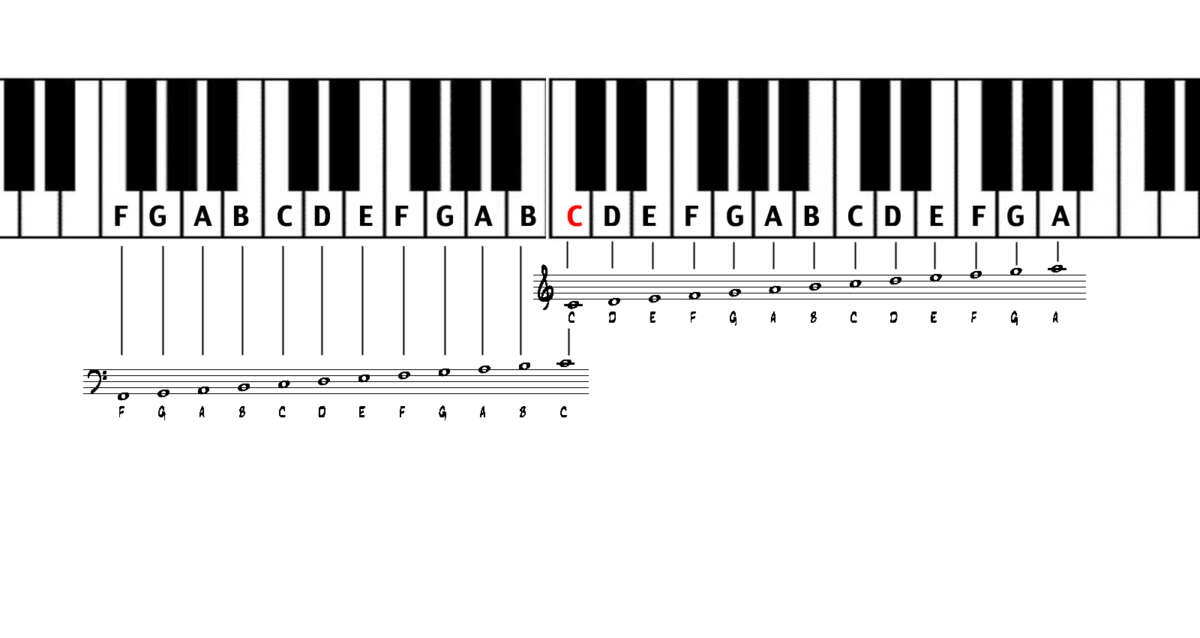
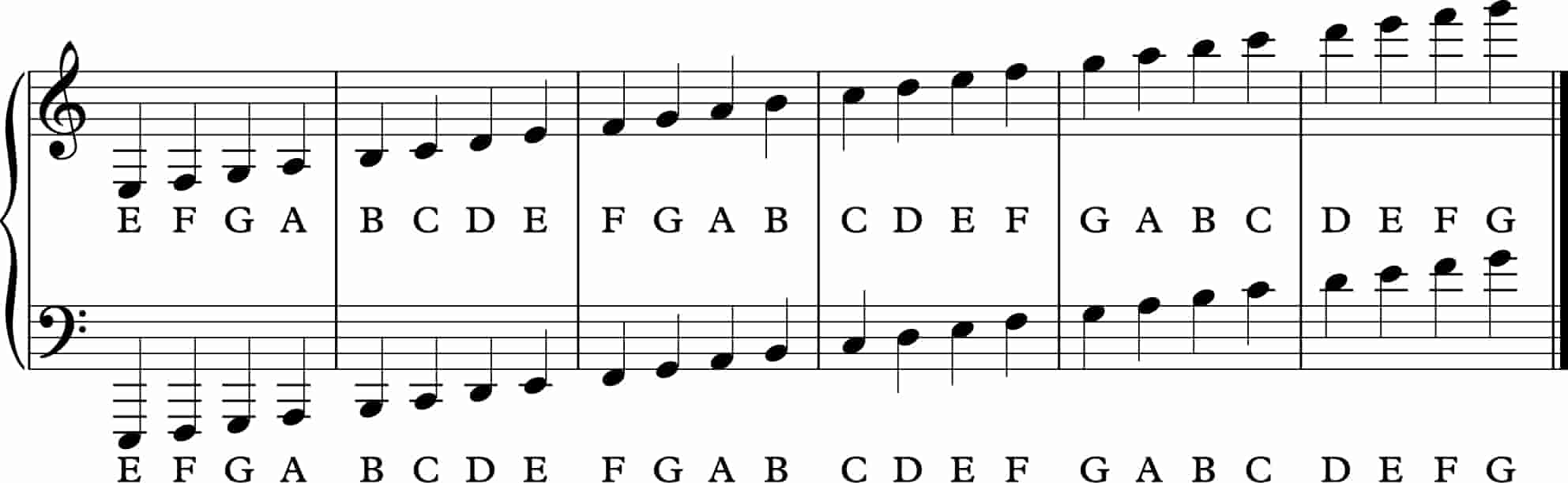
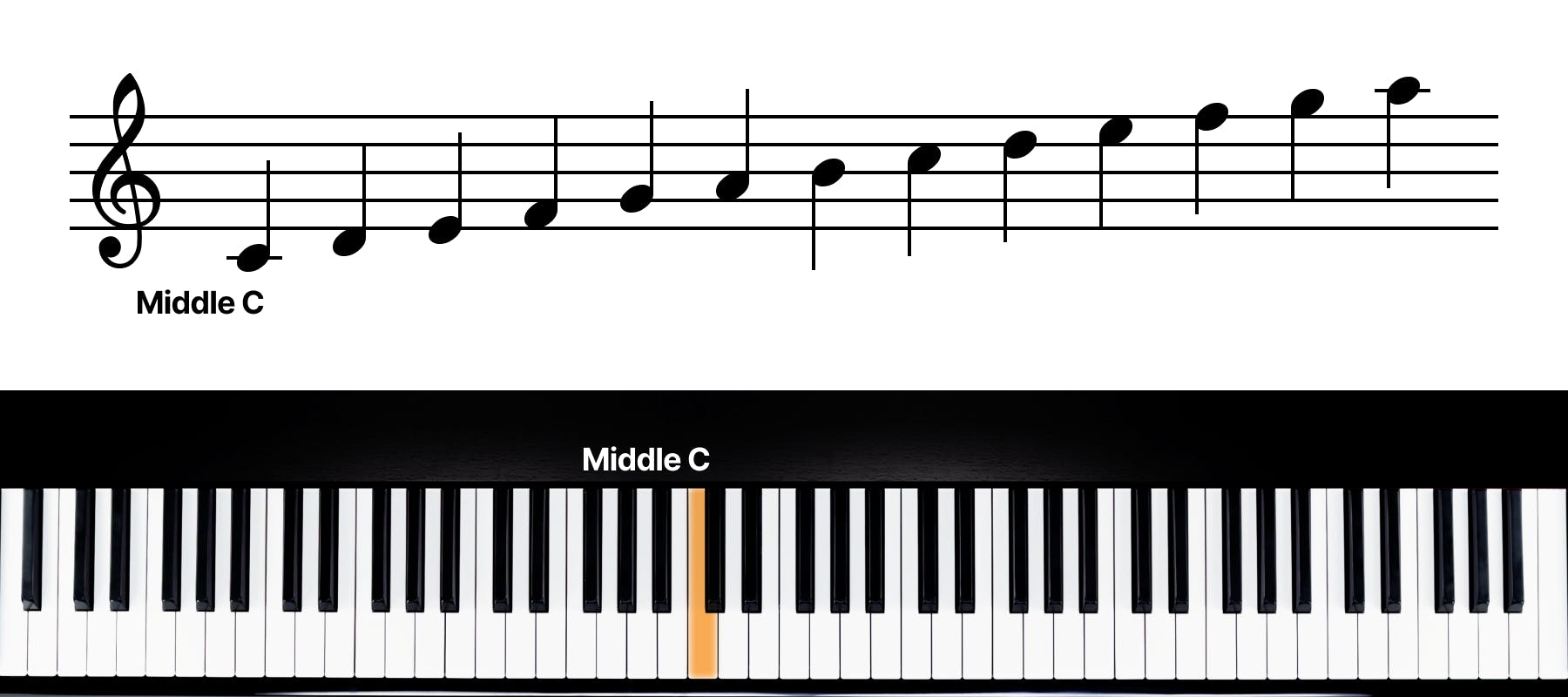
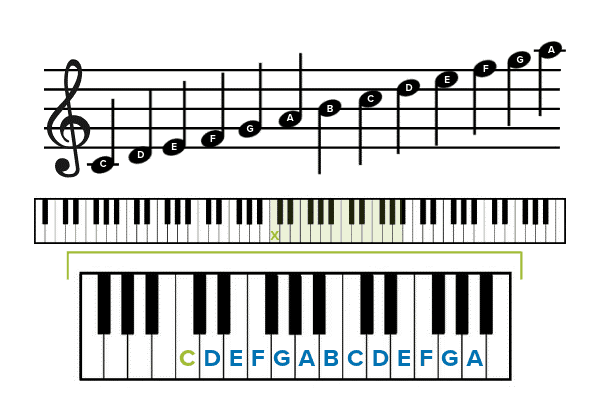
The staff has five lines and four spaces. Each line and space is a note name. The treble clef usually marks notes for the right hand. The bass clef usually marks notes for the left hand. Middle C sits between the staves. Ledger lines extend the staff for higher or lower notes.
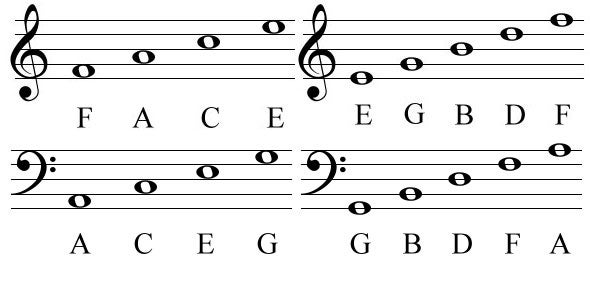
How to read piano sheet music start with note names:
- E G B D F are the lines in treble clef.
- F A C E are the spaces in treble clef.
- G B D F A are the lines in bass clef.
- A C E G are the spaces in bass clef.
Use simple mnemonics to remember names. Play the notes slowly on the piano as you read them. Matching sight to sound helps memory and speed.

Rhythm, time signatures, and counting
Rhythm tells how long to hold notes. The time signature sits after the clef. It looks like two stacked numbers. The top number shows beats per measure. The bottom number shows the beat value. A quarter note gets one beat in 4/4 time.
Common note values:
- Whole note equals four beats in 4/4.
- Half note equals two beats.
- Quarter note equals one beat.
- Eighth note equals half a beat.
Count out loud when you practice. Clap the rhythm first. Then play slowly. This step is vital when you learn how to read piano sheet music.
Key signatures, scales, and accidentals
Key signatures show which notes are sharp or flat for a piece. They appear after the clef. Learn keys by circle of fifths patterns. Accidentals are sharps, flats, or naturals written by notes. They alter a note for one bar unless canceled.
Practice these steps:
- Identify the key signature at the start.
- Name the scale and its tonic.
- Watch for accidentals while you play.
Knowing keys makes how to read piano sheet music faster and more predictable.

Dynamics, articulation, and expression marks
Dynamics tell how loud or soft to play. Articulation shows how to shape notes. Common marks include:
- p for soft and f for loud.
- crescendo and diminuendo for gradual changes.
- Staccato dots for short notes and slurs for legato.
These signs change the feel of music. Read them as part of the score. They make your playing musical and expressive when you read piano sheet music.
Practical steps to learn quickly
Follow a clear practice plan. Short, focused sessions work best. Use this step-by-step approach to learn how to read piano sheet music:
- Scan the piece for key, time, and tempo.
- Identify tricky spots and mark them.
- Clap and count the rhythm.
- Play hands separately at slow tempo.
- Put hands together slowly and increase speed gradually.
- Add dynamics and expression last.
Personal tip from my lessons: mark finger numbers above notes where needed. That small aid helped many students read music faster. Be patient and repeat each step daily.
Exercises and drills to build sight-reading
Simple daily drills speed progress. Try these short exercises to improve how to read piano sheet music:
- Read one-line melodies and play them without stopping.
- Practice five random measures from different pieces each day.
- Use metronome drills that increase tempo by small steps.
- Sight-read easy pieces for five minutes daily.
I once spent three months on five-minute sight-read drills. My reading speed rose noticeably. Small, steady work helps more than long, rare sessions.

Common mistakes and how to avoid them
Beginners often play too fast or ignore rhythm. Other common errors include not checking the key signature and missing dynamics. Avoid these mistakes with simple checks:
- Always scan the score before playing.
- Count and clap rhythm before adding notes.
- Watch accidentals and repeated marks each bar.
- Slow down when uncertain and build speed gradually.
These habits make reading piano sheet music reliable and stress-free.
Frequently Asked Questions of how to read piano sheet music
What is the best way to start learning how to read piano sheet music?
Start with simple pieces and learn the staff, clefs, and note values first. Practice sight-reading short snippets every day and use a metronome.
How long does it take to read piano sheet music fluently?
With daily practice, basic fluency can come in months, not years. Regular five to twenty minute sessions speed learning.
Should I learn note names or patterns first?
Learn both. Note names give clear anchors. Patterns and intervals speed up reading and help with sight-reading.
How do I practice rhythm when reading music?
Clap and count aloud before you play. Use a metronome and subdivide beats for tricky rhythms.
Can beginners read chords and harmony easily?
Yes. Start with block chords and simple left-hand patterns. Identify common shapes and practice them repeatedly.
Is sight-reading different from learning a piece?
Yes. Sight-reading focuses on playing a new score quickly and accurately. Learning a piece aims for polish and musical detail.
Conclusion
You now have a clear roadmap for how to read piano sheet music. Start small, practice daily, and build skills in staff reading, rhythm, keys, and expression. Use the step-by-step drills and the scanning habits shared here. Try one focused practice session today and track your progress. If you found this useful, leave a comment, subscribe, or share your sight-reading wins.

Leave a Reply