How To Play Phantom Of The Opera On Piano: Easy Step Guide
Master the Phantom theme: learn the melody, left-hand ostinato, and dramatic dynamics.
I’ve taught and performed musical theatre piano for over a decade, and I’ll show you exactly how to play Phantom of the Opera on piano with clear steps, practice tips, and musical choices. This guide breaks the song into easy parts, offers a practice plan, points out common pitfalls, and shares real-life tips from my studio so you can learn efficiently and perform with confidence.
Why Phantom of the Opera works so well on piano
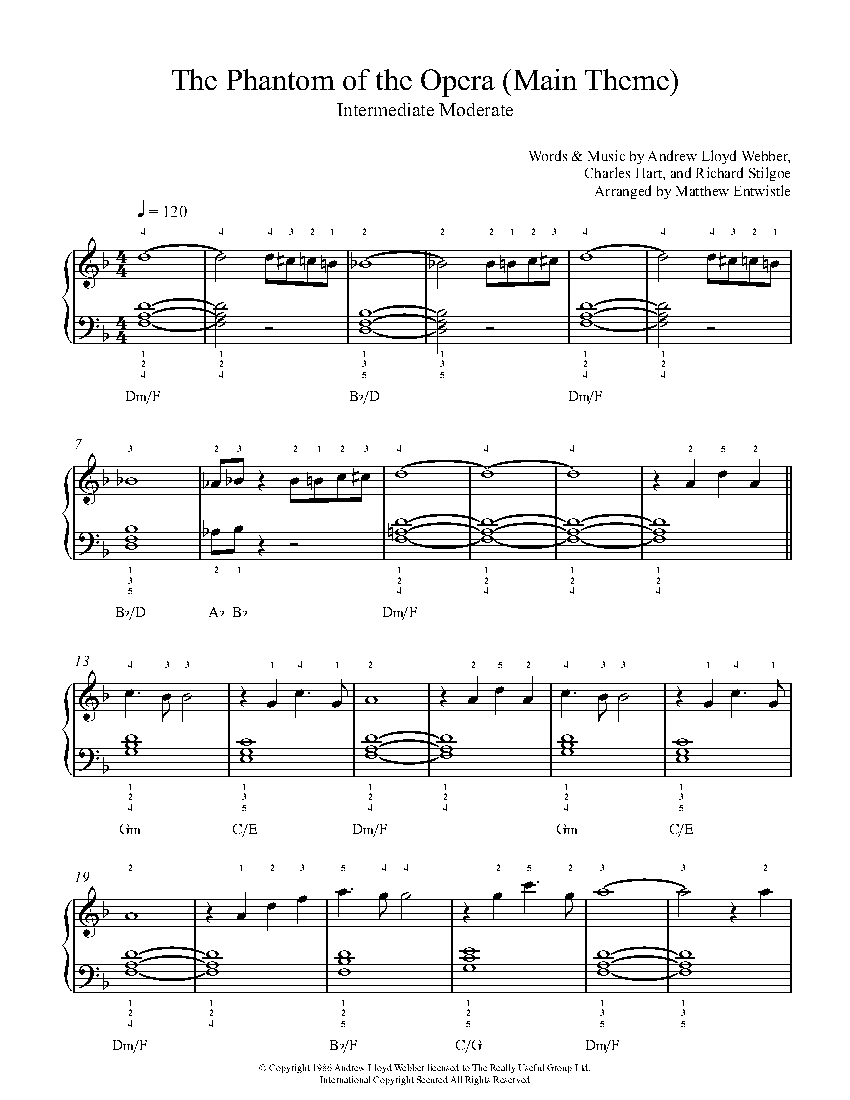
Phantom of the Opera has strong, singable melodies and a repeating left-hand pattern that adapt beautifully to solo piano. The tune balances drama and simplicity, so you can focus on tone, rhythm, and dynamics rather than dense harmony.
I’ll explain how to play Phantom of the Opera on piano by breaking the piece into the melody, the ostinato accompaniment, and the climaxes. These three elements are the heart of most arrangements and give you the most musical payoff for practice time.
What you need before you start
Start with a simple setup and realistic goals. Gather these items to learn how to play Phantom of the Opera on piano:
• A piano or weighted-key digital keyboard with sustain pedal
• A clear arrangement or sheet music tailored to your level (beginner, intermediate, or advanced)
• A metronome and a way to record yourself for review
• Patience and 20–40 minutes of focused daily practice
From my experience, a good arrangement that labels the left-hand ostinato and main melody makes learning faster. Choose an arrangement that matches your current skill and aim to add ornaments later.

Breaking down the main themes
To learn how to play Phantom of the Opera on piano, divide the piece into these musical blocks:
• Main theme (melody)
• Left-hand ostinato (repeating pattern)
• Bridge and modulation sections
• Climactic chords and final cadence
Main theme (melody)
• Play the right-hand melody slowly and sing it if you can.
• Use short practice loops of 4–8 measures.
Left-hand ostinato
• Keep the left hand steady. The ostinato drives the piece.
• Practice the pattern separately until it feels automatic.
Bridge and modulation
• Mark key changes and practice transitions slowly.
• Hands-separate work is crucial here to avoid timing slips.
Climax and cadence
• Build dynamics gradually to the climax.
• Practice the release of tension for a satisfying ending.
Breaking the song down this way makes how to play Phantom of the Opera on piano feel manageable and musical.

Step-by-step practice plan
Follow a simple plan to learn how to play Phantom of the Opera on piano in weeks, not months.
- Warm-up (5 minutes)
• Play scales or simple five-finger patterns to loosen fingers. - Hands-separate work (10–15 minutes)
• Right hand: learn the melody in short phrases.
• Left hand: learn the ostinato until steady. - Hands-together slow practice (10 minutes)
• Use a slow metronome and align hands precisely. - Dynamics and phrasing (10 minutes)
• Mark crescendos and accents. Shape each phrase. - Run-throughs and recording (5–10 minutes)
• Do 2–3 full runs and record one to review.
Repeat this cycle 4–6 days per week. When you feel stuck, slow down and isolate the trouble spots. This routine taught me how to play Phantom of the Opera on piano reliably for live gigs.
Techniques and expressive choices
Playing the notes is only half the job. To truly learn how to play Phantom of the Opera on piano, use these techniques:
• Voicing
• Bring out the melody with the right hand. Reduce volume in inner voices.
• Pedaling
• Use the sustain pedal to connect notes, but change it during modulations to avoid blurring.
• Rubato and timing
• Slightly stretch at phrase ends. Push into climaxes for drama.
• Articulation
• Mix legato for singing lines and crisp staccato for rhythmic accents.
A tip from my experience: practice with less pedal at first. You’ll hear the true balance, then add pedal for color. These choices help the listener follow the melody when you play Phantom of the Opera on piano.

Common mistakes and how to fix them
Learners often hit the same roadblocks when learning how to play Phantom of the Opera on piano. Here are fixes that work.
• Rushing the left hand
• Fix: Slow both hands with a metronome and accent the downbeat.
• Over-pedaling and blur
• Fix: Change pedal on harmonies, not every beat. Clear the pedal at modulations.
• Unclear melody
• Fix: Practice the melody alone, hum it, and then bring it out against soft chords.
• Ignoring dynamics
• Fix: Mark crescendos and practice building volume over short spans.
I once taught a student who overused pedal; cleaning the pedal and voicing the melody immediately transformed their sound.

Sheet music, arrangements, and resources
Choose the right arrangement to match your goals. When deciding how to play Phantom of the Opera on piano, consider these options:
• Simplified lead-sheet versions for beginners
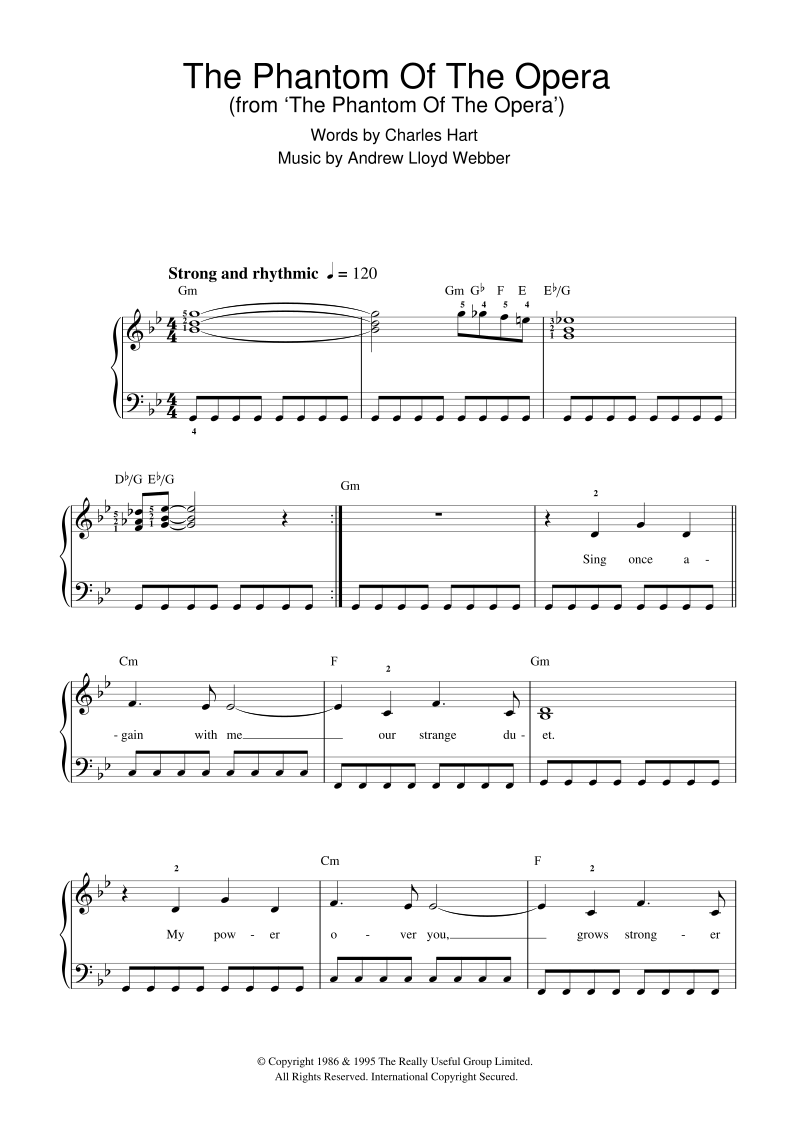
• Intermediate solo piano arrangements with ostinato left hand
• Full, virtuosic transcriptions for advanced pianists
Look for editions that include chord symbols, tempo markings, and clear notation for the ostinato. If you read music, play from sheet music. If you learn by ear, start from a lead sheet and add written parts as you go. My students progress fastest when they combine a reliable arrangement with ear practice.

Performance and recording tips
When you prepare to perform or record how to play Phantom of the Opera on piano, focus on clarity and emotion.
• Warm up thoroughly before playing publicly.
• Do a slow run-through to set tempos and pedaling.
• Record multiple takes and choose the best phrasing.
• Wear headphones for digital recs to judge balance.
• Rehearse stage presence: start confidently and breathe.
A live tip: play the first 8 measures perfectly and the rest will follow. The opening sets the mood and anchors the audience to your interpretation of how to play Phantom of the Opera on piano.

Frequently Asked Questions of how to play phantom of the opera on piano
What is the easiest way to start learning Phantom of the Opera on piano?
Start with a simple arrangement and work hands separately. Learn the melody first, then add the left-hand ostinato slowly.
How long will it take to learn Phantom of the Opera on piano?
With daily focused practice, a simple version can take 2–4 weeks and a polished intermediate version 2–3 months. Progress depends on prior skill and practice quality.
Do I need to read sheet music to learn Phantom of the Opera on piano?
Reading sheet music helps, but you can learn by ear using a lead sheet or chords. Reading speeds up learning and makes advanced arrangements easier.
Should I use sustain pedal throughout the piece?
No. Use pedal to connect phrases but lift it at harmonic changes to avoid blur. Change pedal at modulations and during fast runs.
How can I make my performance more dramatic?
Shape phrases with crescendos, use rubato tastefully, and emphasize the melody with voicing. Small dynamic contrasts make big drama.
Can beginners play the full version of Phantom of the Opera on piano?
Beginners can play simplified versions. The full orchestral transcription is advanced and needs strong hand independence and stamina.
Conclusion
You now have a clear, structured path for how to play Phantom of the Opera on piano: break the piece into melody, ostinato, and climaxes, practice hands separately, and focus on dynamics and pedaling. Start with a realistic arrangement, follow a daily practice plan, and use the expressive techniques above to make the piece sing. Try today’s practice plan for two weeks, record your progress, and share your results to build momentum. If you found this guide helpful, leave a comment or subscribe for more piano guides and step-by-step tutorials.

Senior Music Reviewer
Alex Carter is a seasoned music reviewer with over a decade of experience in the world of sound and instruments. Passionate about helping musicians and enthusiasts make informed choices, he brings sharp insights and in-depth knowledge to every review. From classical instruments to modern gear, Alex combines technical expertise with a love for music to deliver content that resonates with readers.
As a Senior Music Reviewer and expert author on Tuneluma.com, Alex is dedicated to sharing honest evaluations, practical advice, and thoughtful commentary to guide readers in their musical journey.