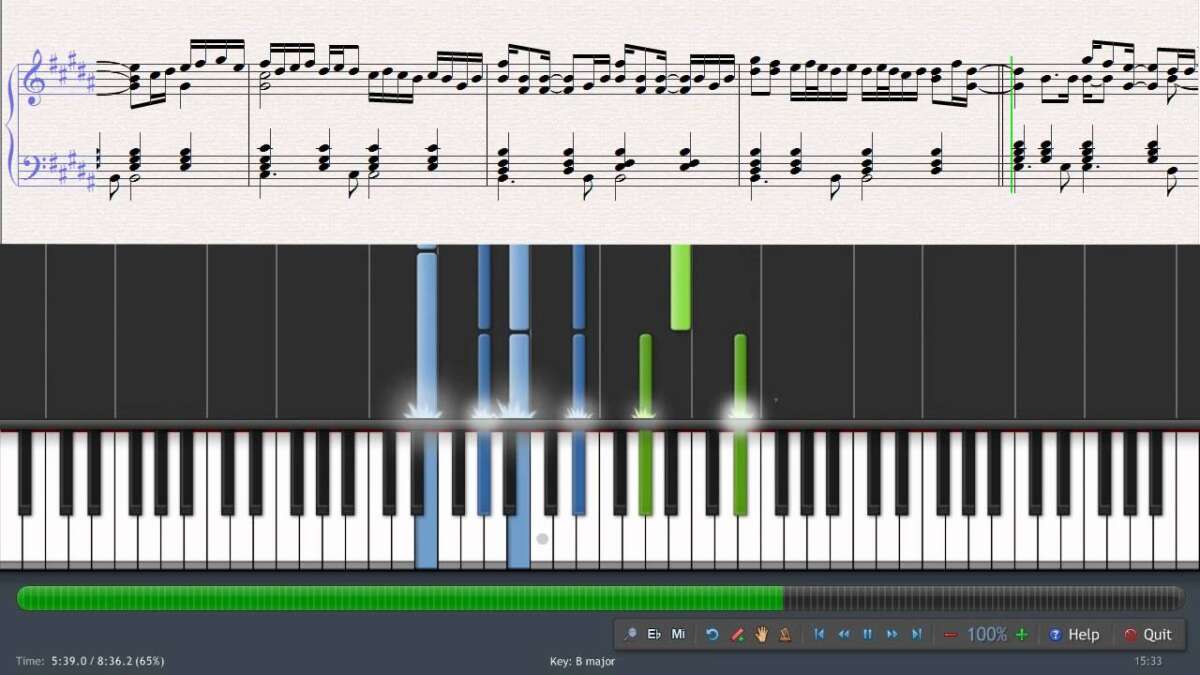
Learn the main arpeggios and chords, then build the verse, chorus, and piano solo slowly.
I’ve taught and played November Rain for years, and I’ll guide you step by step on how to play november rain on piano with clarity and confidence. This guide breaks the song into simple parts, shows fingerings, suggests practice routines, and shares real tips from my own performances so you can learn how to play november rain on piano efficiently and musically. Read on and you’ll be able to play the core parts and craft your own full arrangement.

Why learn how to play november rain on piano?
Learning how to play november rain on piano builds technique and expression.
The song mixes arpeggios, block chords, and a lyrical solo.
It teaches dynamics and timing in a modern rock ballad.
If you want to play a piece that impresses listeners, this is a great choice.

What you need before you start learning how to play november rain on piano
- Piano or weighted keyboard with pedals. Aim for full 88 keys if possible.
- Basic music reading skills and comfort with triads and seventh chords.
- A slow practice metronome and a recording of the original track for reference.
- Sheet music or a reliable arrangement that matches your skill level.
- Patience and short, focused practice sessions.
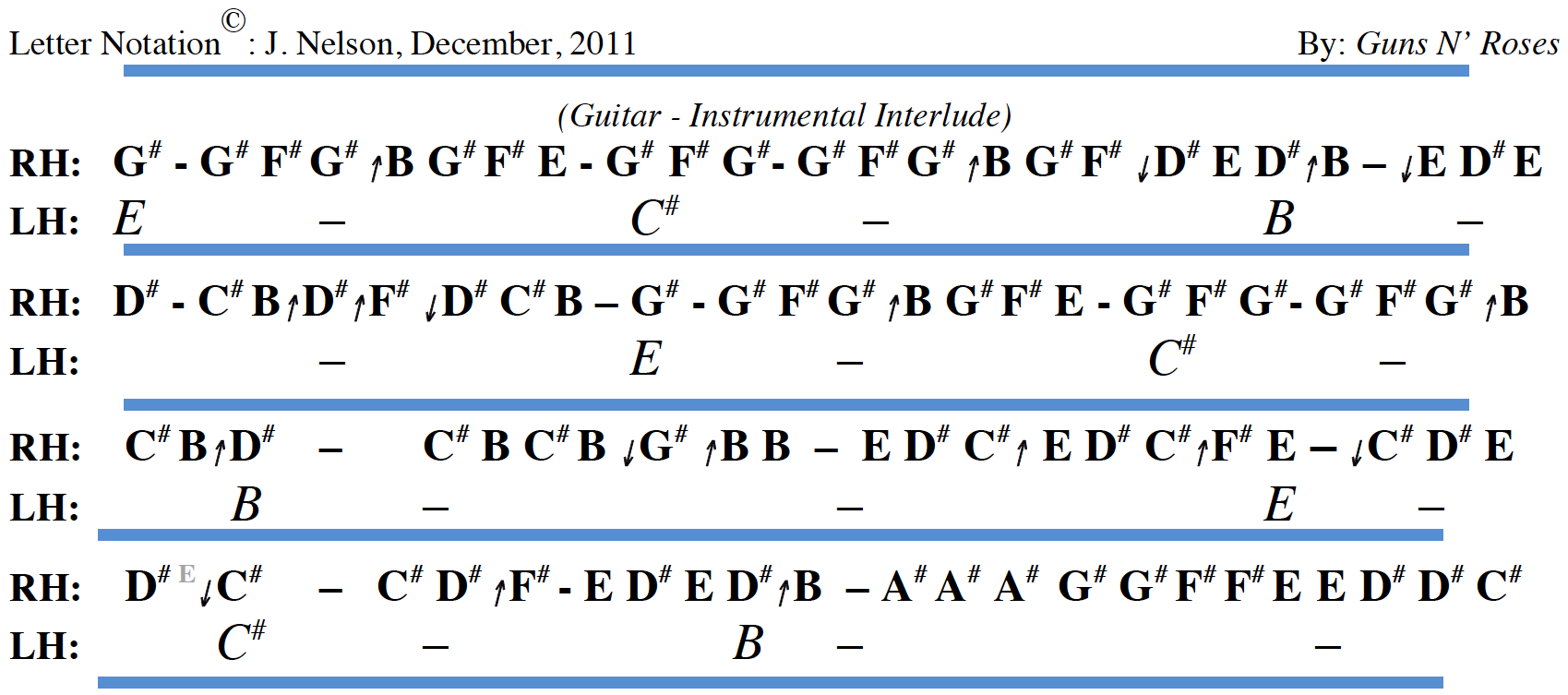
Key, tempo, and structure overview for how to play november rain on piano
- Key: The original is in C major for piano-friendly parts, but it shifts with orchestral colors.
- Tempo: Around 67 to 72 BPM. Play slower at first and feel the phrasing.
- Structure: Intro arpeggio, verse, pre-chorus, chorus, guitar/piano solo, outro.
Knowing structure helps you learn how to play november rain on piano piece by piece.
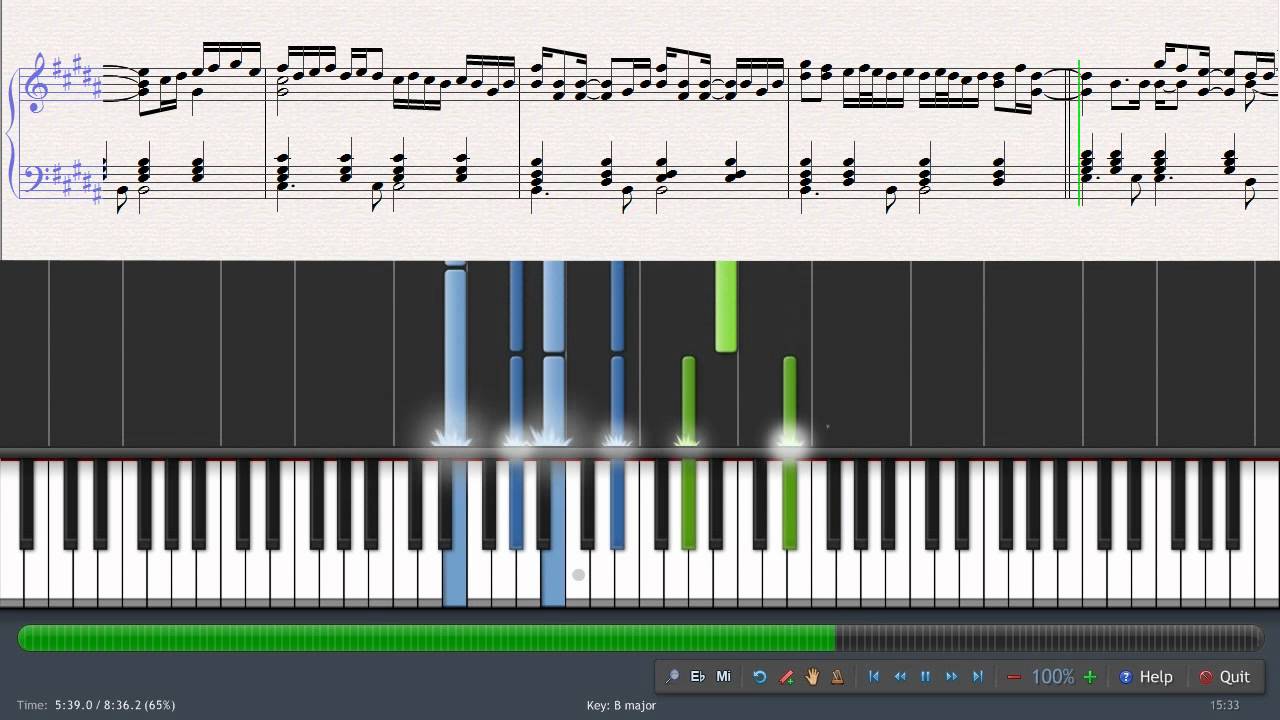
Step-by-step tutorial: learning how to play november rain on piano
Start small. Learn one section at a time. Use hands-separately first.
Intro arpeggio
- What to do: Right hand plays a flowing arpeggio over C major and inversion switch. Left hand holds bass notes and roots.
- Practice tip: Play hands separately for 5–10 minutes. Keep fingers curved and use wrist motion for smoothness.
- Count and play slowly at 50 BPM, then add dynamics.
Verse
- Chords: Simple progression around C, G, Am, F. Add 7th or suspended tones for color.
- Rhythm: Right hand arpeggios or broken chords. Left hand plays root-octave pattern.
- Tip: Sing the melody while you play. That helps match phrasing.
Pre-chorus and chorus
- Build intensity: Move from softer voicings to fuller block chords in the chorus.
- Chord voicings: Use close and open voicings to match the vocal lift.
- Dynamics: Use pedal for sustain in the chorus. Release pedal briefly to keep clarity.
Piano solo and lead fills
- The solo mirrors the guitar lines. Play single-note melodies with supporting chords.
- Use octaves to add power. Feel the phrasing like a singer.
- Practice slow and clean before adding speed.
Outro and emotional finish
- Return to arpeggio texture from the intro. Slow down slightly for rubato.
- Let the final chords ring and use the damper pedal for warmth.
- End with confidence. A small pause before the last chord can be dramatic.
Fingerings, voicings, and pedal tips for how to play november rain on piano
- Fingerings: Use standard fingerings for arpeggios (1-2-3-1-2-3 pattern for many runs). Keep consistent fingering for repeats.
- Voicings: Place the melody on top. Use left hand for bass and inner voices. Drop the 5th of a chord when space is needed.
- Pedal: Use short pedal changes at chord shifts. Clear the pedal on quick harmonic changes to avoid blur.
- Dynamics: Play soft in verses and bring out the right-hand melody in choruses. This creates emotional contrast and helps you play how to play november rain on piano with feel.
Practice plan and timeline to master how to play november rain on piano
- Week 1: Learn intro arpeggio and verse hands separately. 20 minutes daily.
- Week 2: Connect hands, learn pre-chorus, basic chorus voicings. 25 minutes daily.
- Week 3: Work on solo and transitions. Add dynamics and tempo control. 30 minutes daily.
- Week 4: Full run-throughs, record yourself, and refine expression. 30–45 minutes daily.
This gradual plan helps you learn how to play november rain on piano without overwhelm.
Common mistakes and fixes when learning how to play november rain on piano
- Mistake: Rushing the arpeggio. Fix: Slow the metronome and keep even hand motion.
- Mistake: Over-pedaling and muddy sound. Fix: Use pedal sparingly and change on chord shifts.
- Mistake: Ignoring melody balance. Fix: Bring out the melody with slightly louder right-hand tone.
- Mistake: Skipping hands-separate practice. Fix: Spend more time on each hand until confident.
Personal tips from my experience learning how to play november rain on piano
I learned the intro by looping two measures for weeks. I played slow and added speed 2 BPM at a time. When I first performed it at a small gig, I focused on the melody and left the full solo simplified. That choice kept the song honest and emotional. My biggest lesson: keep the melody breathing. That is the core of how to play november rain on piano well.
PAA-style questions about how to play november rain on piano
-
How long does it take to learn how to play november rain on piano?
Most players can learn core parts in 3–4 weeks with daily practice. Mastery of expression can take months. -
Do I need to read music to learn how to play november rain on piano?
Reading helps but is not required. You can learn by ear or use chord charts and tabs. -
Can I simplify the solo if it is too hard?
Yes. Play the melody in octaves or use single-note lines until you build speed and confidence. -
Should I use a sustain pedal for the whole song?
No. Use pedal for warmth, but clear it on chord changes to keep clarity. -
Is transposing necessary when learning how to play november rain on piano?
Not usually. The original key suits the piano well, but you can transpose to fit a singer’s range.
Frequently Asked Questions of how to play november rain on piano
How hard is it to play November Rain on piano?
It is intermediate level. The piece has steady arpeggios and expressive chords that demand control but not advanced technique.
What part should I learn first when learning how to play november rain on piano?
Start with the intro arpeggio. It sets the tone and repeats, so it gives quick wins and motivation.
Can beginners play a simplified version of how to play november rain on piano?
Yes. Use block chords in the left hand and a single-note melody in the right hand. That preserves feel and is easier to learn.
How do I practice the piano solo in November Rain?
Break it into small phrases, practice slowly with a metronome, and use hands-separate practice until it is clean and musical.
How can I make my rendition sound more emotional when learning how to play november rain on piano?
Use dynamic contrast, slight tempo rubato in the outro, and bring out the melody. Less focus on speed and more on phrasing makes it feel real.
Conclusion
You now have a clear path for how to play november rain on piano. Start with the intro arpeggio, learn each section slowly, and build dynamics and pedaling. Practice with short, focused sessions and record your progress. Try one new challenge each week and keep your listening active by referencing the original track. If you enjoyed this guide, try arranging your own version, subscribe for more tutorials, or leave a comment with your progress.

Senior Music Reviewer
Alex Carter is a seasoned music reviewer with over a decade of experience in the world of sound and instruments. Passionate about helping musicians and enthusiasts make informed choices, he brings sharp insights and in-depth knowledge to every review. From classical instruments to modern gear, Alex combines technical expertise with a love for music to deliver content that resonates with readers.
As a Senior Music Reviewer and expert author on Tuneluma.com, Alex is dedicated to sharing honest evaluations, practical advice, and thoughtful commentary to guide readers in their musical journey.
Leave a Reply