

Learn the melody, lock the chords, and practice hands separately to build a polished piano version quickly.
I’ve spent years arranging songs and teaching piano, and I’ll walk you through how to play mingle on piano with clear, reliable steps. This guide breaks the process into bite-size lessons: how to find the melody, map the chords, choose left-hand patterns, and craft voicings that fit your level. You’ll get practical practice plans, common mistakes to avoid, and real-world tips I’ve used with students to bring “mingle” to life on the keyboard. Read on and you’ll be playing a confident, musical version of mingle on piano in weeks — not months.

Why learn how to play mingle on piano?
Learning how to play mingle on piano teaches core skills you’ll reuse on many songs. It strengthens ear training, chord knowledge, rhythm, and arranging skills. Playing a single song deeply helps you learn phrasing, dynamics, and how to make piano parts musical rather than mechanical.
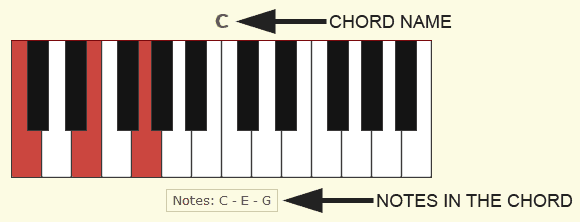
Understanding the song structure and essentials
Start by identifying the song’s key, tempo, and form. Listen to the recording several times. Hum the melody and clap the rhythm. Mark where verses, choruses, bridges, and any repeats occur.
- Key and scale: Find the root note and determine the scale (major or minor).
- Tempo and feel: Note if the song is slow ballad, mid-tempo, or upbeat. This guides left-hand patterns.
- Melody mapping: Write down or memorize short melodic phrases first.
- Basic chords: Find I, IV, V and other common chords. Many pop songs use similar progressions.
This step makes the rest of the process faster and more musical. You’ll understand why certain chords sound right and how the melody sits over them.

Step-by-step method to play mingle on piano
-
Listen and transcribe in small sections
- Play one phrase at a time. Repeat until comfortable.
- Write or tab the melody in simple notation or on a keyboard diagram.
-
Learn the melody with the right hand
- Practice slowly. Use a metronome.
- Focus on accuracy and phrasing.
-
Find and practice the chord progression
- Start with root-position triads. Then try inversions.
- Label chords above the melody to see harmonic flow.
-
Build a left-hand pattern
- For beginners: play root notes on beats 1 and 3.
- For intermediate players: use broken chords or simple ostinatos.
- For advanced players: add walking bass lines or syncopated patterns.
-
Combine hands gradually
- Practice hands separately, then play short combined sections.
- Slow tempo first, then increase speed slowly.
-
Add fills, dynamics, and rhythmic variation
- Use accents and soft-loud contrast to shape phrases.
- Add tasteful fills between phrase repeats.
-
Polish with rubato and expression
- Make small tempo shifts for emotional impact.
- Keep the melody clear and singable.
Follow these steps to systematically learn how to play mingle on piano while keeping the process manageable.

Chord voicings and techniques that suit mingle
Choose voicings that support the melody without crowding it. Here are practical options:
- Open triads: simple and clean for beginners. Play root in left hand and triad in right.
- First or second inversions: keep smoother voice leading between chords.
- Added tones: add 7ths or 9ths for warmth when appropriate.
- Arpeggios: roll chords to create movement.
- Block chords: rich, supportive sound for choruses.
- Pedal use: hold for warmth, but clear between changes to avoid muddiness.
Use voicings that match the song’s mood. If mingle is gentle, use sparse voicings. If it’s upbeat, use fuller chords and rhythmic drive.

Arranging mingle for your skill level
Beginner arrangement
- Keep melody in the right hand.
- Left hand plays single root or 5th on beats.
- Use slow tempo and focus on steady time.
Intermediate arrangement
- Right hand plays melody with simple chordal support.
- Left hand uses broken-chord patterns or alternating bass.
- Add light fills and dynamics.
Advanced arrangement
- Create counter-melodies in the left hand.
- Use reharmonization: substitute chords, extensions, and passing chords.
- Introduce rhythmic displacement or syncopation for interest.
Adjust voicings and texture to fit your strengths and to serve the song’s mood.

Practice routine and troubleshooting
Use short, focused practice sessions. Quality beats quantity.
- Warm-up (5–10 minutes): scales and arpeggios in the song’s key.
- Section work (15–20 minutes): isolate trouble spots, hands separate.
- Integration (10–15 minutes): combine sections and play transitions.
- Performance run (5–10 minutes): play straight through, record and listen.
Common problems and fixes
- Mistimed hands: slow tempo and accent first beat.
- Muddy harmony: shorten pedal, simplify voicings.
- Stiff phrasing: sing the melody as you play to shape lines.
Track progress with recordings and set small weekly goals to keep momentum.
Mistakes I made and lessons learned
When I first arranged songs like mingle, I tried to copy the recording exactly. That led to cluttered left-hand parts. I learned to simplify. Keep the melody strong and let the accompaniment support it. Another mistake: rushing tempo before the hands were solid. Slow practice saved time overall. Finally, overusing pedal blurred harmony; I now clear pedal at chord changes. These small shifts improved clarity and musicality.
Frequently Asked Questions of how to play mingle on piano
What is the best way to learn the melody of mingle on piano?
Listen repeatedly, hum along, and play short melodic phrases slowly. Write the melody down or mark it on the keyboard to reinforce memory.
How do I find the chords for mingle if I can’t read sheet music?
Use your ear: find the bass/root note then test major or minor quality. Try common progressions like I–V–vi–IV if unsure.
How long will it take to play mingle on piano comfortably?
With daily focused practice, most players can learn a basic version in 1–3 weeks. A polished arrangement may take longer depending on complexity.
Should I use the sustain pedal when playing mingle?
Yes, sparingly. Use pedal for warmth on longer chords and lift it at changes to keep harmony clear.
How do I make my left hand sound more interesting for mingle?
Start with broken chords, then try alternating bass notes and syncopated patterns. Keep it rhythmic but not overpowering.
Can I improvise over mingle’s chords?
Yes. Learn the scale of the key, target chord tones, and try simple motifs. Improvise tastefully to support the melody.
Conclusion
You now have a clear roadmap for how to play mingle on piano: analyze the song, learn the melody, map the chords, choose fitting voicings, and practice smartly. Start small, practice consistently, and adapt arrangements to your level. Pick a short goal this week — learn the first verse and chorus hands separately — then record it. Share your progress, ask for feedback, and keep exploring different voicings and rhythms to make mingle your own.

Leave a Reply