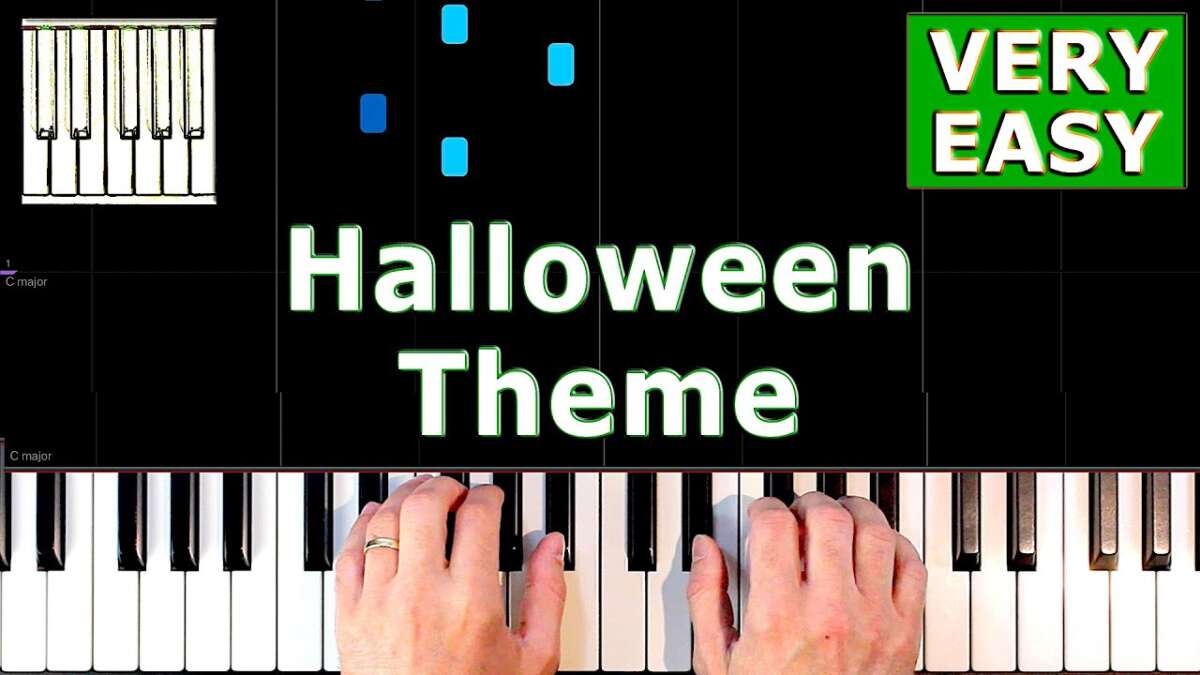
Play the Michael Myers theme by alternating a half-step and a steady A-minor pulse for tense effect.
I’ve taught film-theme transcriptions and arranged horror cues for piano students for years, so I know what makes the Michael Myers motif feel so chilling. This guide breaks down how to play Michael Myers on the piano with clear steps, simple patterns, and practical tips you can use right away. Read on to learn the exact technique, rhythm choices, and small creative touches that turn a basic motif into a haunting piano performance.

Why the Michael Myers theme works on piano
The Halloween theme lives on a pair of small ideas. One is the repeated use of a semitone (two notes a half-step apart) that creates tension. The other is a simple, steady left-hand pulse that anchors the right-hand motif. Together these make a minimal pattern that sounds unsettling on a piano. When you learn how to play Michael Myers on the piano, focus first on the tension of the interval and then on keeping the left hand firm and slow.

What you need before you start
Before you try how to play Michael Myers on the piano, gather a few basics. Have a piano or weighted-key keyboard tuned and set to a clean piano sound. Set a metronome to a slow tempo, around 60–72 BPM, to capture the theme’s deliberate feeling. Finally, keep a quiet practice space so you can hear small dynamic changes that make the theme eerie.

Step-by-step tutorial: how to play michael myers on the piano
Below is a simple and reliable route to learn how to play Michael Myers on the piano. Follow each step slowly and repeat until the motion feels natural.
-
Get the motif shape
- Play two notes that are a half-step apart. Hold each note short and repeat in a steady rhythm.
- Use any pitch that sits comfortably in your right hand; the effect is about the interval, not the exact note.
-
Add the left-hand pulse
- Play a low A minor (root or octave) every beat or every two beats. Keep it steady.
- The left hand should be firm and dry to contrast with the tense right-hand motif.
-
Lock in the rhythm
- Use a metronome at 60–72 BPM. Practice making the right-hand repeats perfectly even.
- Count aloud or tap your foot to keep the tempo.
-
Shape dynamics
- Play the motif softly on the first repeats and grow slightly louder on later repeats.
- Introduce a sudden drop in volume on one repeat to increase unease.
-
Add simple harmony
- Use A minor and F major in the left hand as a basic progression. Switch slowly.
- Keep the harmony sparse; too many notes remove the tension.
-
Use articulation for mood
- Make the right-hand notes slightly detached or staccato for a mechanical feel.
- Occasionally use a short sustain pedal under the left hand only to blur the bass.
-
Expand with arpeggios
– Once the motif is stable, add a slow arpeggio in the left hand beneath the rhythm.- This adds movement while keeping the core motif intact.
-
Practice variations
- Try moving the motif up or down an octave. Keep the interval pattern the same.
- Learn how to play Michael Myers on the piano both sparse and with fuller accompaniment.
These steps will get you from a basic motif to a performance-ready piece. Keep the main idea clear: the tension comes from the half-step repetition and the steady supporting pulse.

Techniques and tips to nail the mood
To capture the eerie quality when you play Michael Myers on the piano, use small performance choices. Keep phrases short and leave silence between them. Add occasional accents on the left-hand beats to sound mechanical. Record yourself and listen for uneven repeats or rushed tempo. I often slow recordings to half speed to hear tiny timing errors and to decide where to push or pull dynamics. These small edits make your version feel cinematic.
Common mistakes and how to fix them
Many students try to overcomplicate the theme. They add fast runs or dense chords and lose the tension. Keep these fixes in mind when practicing how to play Michael Myers on the piano.
-
Playing too fast
- Slow the metronome and lock the pulse before increasing speed.
-
Overplaying the right hand
- Reduce ornamentation and focus on clean repeated notes.
-
Too much pedal
- Use pedal sparingly. Clear articulation matters more than sustain.
-
Uneven repeats
- Count aloud and practice short loops of four bars to steady timing.
-
Ignoring dynamics
- Mark quiet and louder repeats. The contrast is essential for mood.
Work through these mistakes slowly. I corrected my own versions by recording short loops and fixing one problem at a time.

Arranging and customizing the theme
Once you master the basic approach for how to play Michael Myers on the piano, personalize it. Here are creative ideas that keep the core motif recognizable.
-
Change the register
- Move the motif to a higher or lower octave for different colors.
-
Add sparse harmony
- Use simple triads in the left hand. Keep them blocked or broken slowly.
-
Build tension gradually
- Repeat the motif quietly, then add dynamics and harmonic motion over time.
-
Create a duet
- Put the motif in the right hand and use the left to echo fragments.
-
Add sound design
- If you have a keyboard with effects, try a subtle pad under the piano for a filmic feel.
Each change should keep the theme’s half-step tension and steady pulse. That preserves identity while letting you make it your own.

Frequently Asked Questions of how to play michael myers on the piano
What is the core idea behind the Michael Myers theme?
The core idea is a repeating interval of a semitone combined with a steady left-hand pulse. This simple setup creates constant tension and suspense.
Which hand starts learning the motif first?
Start with the right-hand motif of two notes a half-step apart. Then add the left-hand pulse once that pattern is steady.
What tempo should I use to play Michael Myers on the piano?
Begin around 60–72 BPM to capture the deliberate feel. You can experiment with slightly slower or faster tempos for effect.
Do I need sheet music to learn this theme?
You don’t need formal sheet music; a simple transcription or tab will do. Learning by ear also works well because the motif is short and repetitive.
How can I make my version sound more cinematic?
Use dynamics, sparse harmony, and space. Gradually build intensity, and consider subtle reverb or a second instrument for depth.
Is it okay to change the key for my voice or ensemble?
Yes. Transpose the motif to fit singers or instruments, but keep the half-step relationship and left-hand pulse intact.
Conclusion
Mastering how to play Michael Myers on the piano is about focus, patience, and small choices. Start with the half-step motif, lock the left-hand pulse, and shape dynamics to build dread. Practice slowly, fix one error at a time, and then add personal touches like register shifts or sparse harmony. Try the steps in this guide, make short recordings, and iterate until your version feels cinematic and tense. If this helped, try arranging the theme your way, leave a comment with your version, or subscribe to get more film-score piano guides.

Leave a Reply