Play Linganguli on piano by learning its melody, rhythm, fingering, and steady practice.
I have taught and arranged world music for pianists for more than a decade. In this guide I show how to play linganguli on piano with clear steps, simple exercises, and real tips from my studio. Read on to learn the melody, the rhythm, the best fingerings, and an easy practice plan you can use today.

Understanding linganguli: what it is and why it matters
Linganguli is a short melodic folk tune with a bright, syncopated pulse. Many players hear it as a motif you can loop and decorate. Knowing how to play linganguli on piano starts with a simple ear for the melody and a steady feel for the pulse.
Linganguli often appears in small ensembles. It uses repeating phrases and call-and-response gestures. On piano, you can play it as a solo piece, an accompaniment, or a lead line with chords. Learning its structure makes it easy to arrange and improvise.
Preparing your hands and posture for linganguli
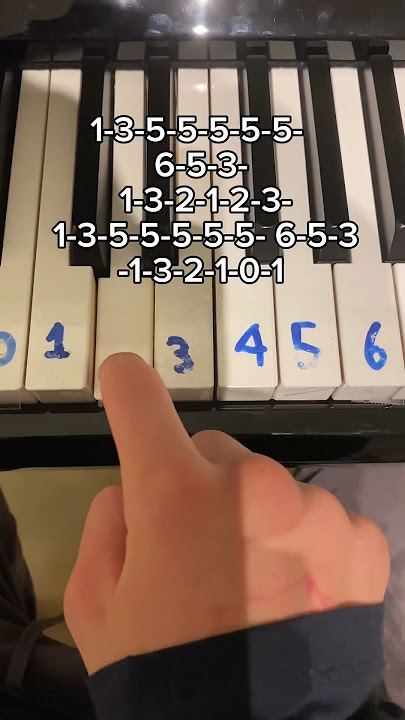
Good posture helps your fingers move freely. Sit at mid-keyboard height. Keep shoulders relaxed and wrists level.
Fingerings matter for speed and flow. Use these quick rules when learning how to play linganguli on piano:
- Choose a comfortable thumb position for repeating notes.
- Use 2–3 for short legato pulls and 1–2 for strong beats.
- Plan finger changes before fast runs to avoid tension.
Warm-up with short scales and staccato practice. Spend 5–10 minutes on wrist rotations and finger lifts before you attack the melody. This reduces fatigue and improves control when you practice how to play linganguli on piano.
Breaking down the melody: note-by-note guide
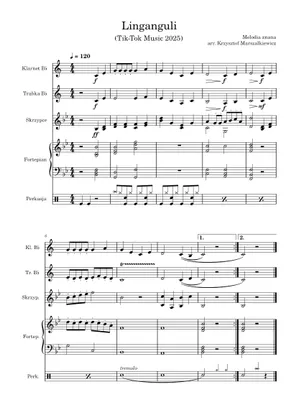
Start slow. Learn the main motif by ear or from a simple transcription. The motif repeats with small variations. Play it slowly to lock in the shape.
Steps to learn the melody:
- Hum the motif until it feels natural.
- Find the root note in the mid-register of the piano.
- Play one phrase at a time, hands separately.
- Put hands together when each hand is comfortable.
When you practice how to play linganguli on piano, isolate the trickiest few notes. Repeat them in short loops of four to eight beats. Use a metronome to stay steady. Small repeats build memory and speed without strain.
Rhythm and groove: timing tips for authenticity
Rhythm gives linganguli its identity. The tune often uses syncopation and off-beat accents. Feel the pulse in your body. Tap your foot lightly while you play.
Tips to lock the rhythm:
- Clap the rhythm first before playing.
- Count out loud with simple syllables for syncopation.
- Use a metronome at slow speed, then add swing or accent as you get comfortable.
If you want to know how to play linganguli on piano with style, think like a percussionist. Accent the slightly delayed notes. Let some beats breathe rather than rush them. This is the difference between mechanical and musical playing.
Harmony and accompaniment choices
You can keep linganguli simple or harmonize it richly. Basic harmonies help support the melody without crowding it.
Common harmonic approaches:
- Block chords on strong beats for a clear foundation.
- Alberti-like broken chords to add motion under the tune.
- Sparse left-hand ostinato to create a groove without heavy chords.
Practice how to play linganguli on piano by first using single-note left-hand tones. Then add simple triads. Try major and minor variations to see which color fits the melody best.
Practice plan: a week-by-week approach
A clear plan helps you learn fast and keep interest. Use short, focused sessions of 20–30 minutes daily.
Week 1: Learn the melody slowly with hands separate.
Week 2: Combine hands and practice steady rhythm.
Week 3: Add chord choices and simple embellishments.
Week 4: Increase tempo, add dynamics, and record a take.
When working on how to play linganguli on piano, log what you practice each day. Note tempo, problem spots, and improvements. Small, steady steps yield big gains.
Simple exercises to build skill
Targeted exercises speed progress. Use these drills three times a week.
- Slow repetition: Play the motif at 50% tempo for accuracy.
- Accent drill: Emphasize every 2nd or 3rd note to feel syncopation.
- Finger-substitution drill: Practice the same phrase using alternate fingerings.
- Left-hand groove: Repeat a two-bar ostinato while your right hand plays variations.
These drills help you internalize the pattern and learn how to play linganguli on piano with control and flair.
Common mistakes and how to fix them
Many students rush or tense up when learning a new tune. That makes the melody sloppy.
Typical errors and fixes:
- Rushing the phrases — Slow the tempo and count beats.
- Stiff wrists — Use small wrist motion and breathe between phrases.
- Uneven dynamics — Mark strong beats and weak beats on the score.
- Ignoring hand independence — Practice hands separately until each is secure.
I once learned this the hard way. I pushed tempo too early and formed bad habits. Slowing down and repeating tiny sections fixed the issues. Use that same patience when you learn how to play linganguli on piano.
Arrangements and creative ideas
You can arrange linganguli to fit many styles. Try these options:
- Solo piano ballad with sparse chords.
- Rhythmic pop version with repeated left-hand groove.
- Jazz reharmonization with seventh chords and passing tones.
- Layered arrangement with simple bass line and upper-register ornaments.
Experiment. Record each idea. Pick the version that speaks to you. This is a fun way to expand how to play linganguli on piano beyond the basic tune.
PAA-style questions: quick helpful answers
Q: Is linganguli hard to learn on piano?
A: No, the melody is short and repetitive. With steady practice, beginners can play a clean version in days.
Q: How fast should I play linganguli?
A: Start slow. Play with good rhythm first, then increase tempo by 5–10% every few days.
Q: Can I improvise over linganguli?
A: Yes. Use the scale of the melody and simple chord tones to start improvising.
Q: What level of piano is needed?
A: Late beginner to early intermediate players can learn the tune well. Skills needed are basic hand independence and steady rhythm.
Q: Do I need sheet music?
A: Sheet music helps, but you can also learn by ear. Many players combine both for best results.
Frequently Asked Questions of how to play linganguli on piano
What is the first step when learning how to play linganguli on piano?
Sing or hum the main motif and find the root note on the keyboard. Play the phrase slowly with one hand until it feels natural.
How long does it take to play the melody well?
With daily practice of 20–30 minutes, many players can play a clean version within one to two weeks. Consistent repetition speeds progress.
Should I use a metronome to learn how to play linganguli on piano?
Yes. A metronome builds steady time and helps you practice the syncopated rhythm accurately. Start slow and increase tempo gradually.
Can kids learn how to play linganguli on piano easily?
Yes. The melody is short and repetitive, which suits young learners. Break the tune into tiny parts and keep practice fun.
How do I add my own style when I learn how to play linganguli on piano?
Try different accompaniments, alter dynamics, and add small ornaments. Record versions and choose elements you like best.
Conclusion
You can learn how to play linganguli on piano with focused, simple steps. Start slow, master the melody, lock the rhythm, and add tasteful harmony. Use short daily practice, targeted drills, and patience to build a clean, musical version. Try one new variation each week and record your progress to stay motivated. If you found this helpful, try the practice plan above for a month and share your progress or questions below.

Senior Music Reviewer
Alex Carter is a seasoned music reviewer with over a decade of experience in the world of sound and instruments. Passionate about helping musicians and enthusiasts make informed choices, he brings sharp insights and in-depth knowledge to every review. From classical instruments to modern gear, Alex combines technical expertise with a love for music to deliver content that resonates with readers.
As a Senior Music Reviewer and expert author on Tuneluma.com, Alex is dedicated to sharing honest evaluations, practical advice, and thoughtful commentary to guide readers in their musical journey.
Leave a Reply