Learn the core chords, open-string riff, and a steady strum to play "Jersey Giant" confidently in a few weeks.
I’ve taught and arranged many indie and rock songs, and I’ll walk you through how to play Jersey Giant on guitar step by step. This guide covers gear, tuning, chord shapes, rhythm patterns, how to learn the lead parts by ear, an efficient practice plan, common pitfalls, and performance tips. Read on to get a clear roadmap for learning how to play Jersey Giant on guitar, whether you want a faithful cover or your own arrangement.

What you need to start learning how to play Jersey Giant on guitar
Start with simple gear and a plan. Use a guitar in standard tuning (E A D G B E) unless you know the original recording uses alternate tuning. A clean amp or headphone setup helps you hear details. A capo can help if the singer needs a different key.
Key items:
- Guitar in good setup with fresh strings.
- Tuner, metronome, picks, and capo.
- Headphones or speaker for reference track.
- Notebook or app to capture chords and ideas.
I recommend learning the song slowly before increasing speed. This is the most direct way to learn how to play Jersey Giant on guitar.

Quick process: how to play Jersey Giant on guitar (step-by-step)
Follow a repeatable method. First, listen for song form and tempo. Second, find the root notes and basic chords. Third, lock in the rhythm. Fourth, add riffs and fills. Finally, assemble the full arrangement.
Step-by-step:
- Listen 2–3 times to the whole song to map intro, verse, chorus, bridge, and outro.
- Tap the tempo with a metronome and note the BPM.
- Hum or sing the bass line to identify key centers.
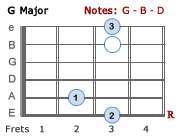
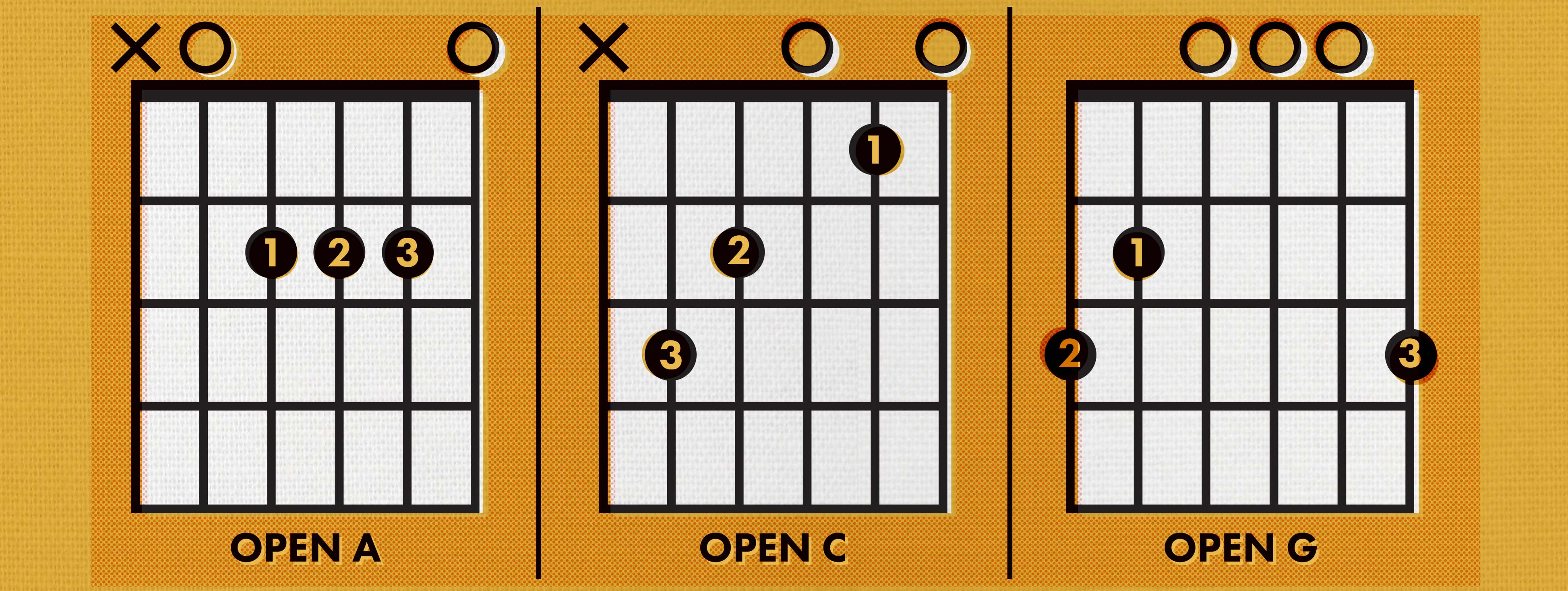
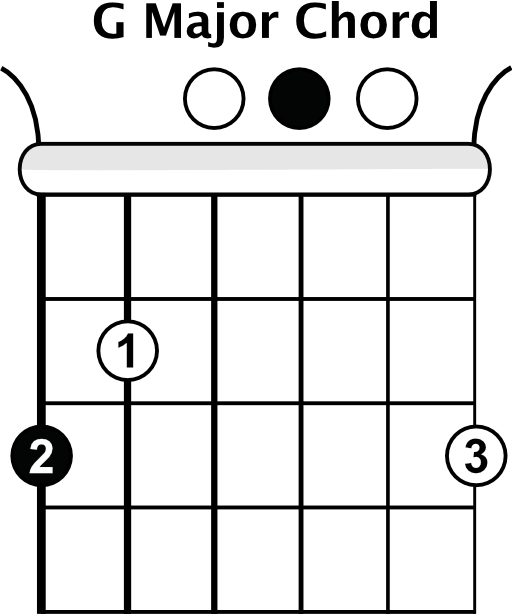
- Find chord shapes that match the harmony. Use power chords for a raw rock sound.
This method explains how to play Jersey Giant on guitar with clarity and speed.
Source: ctfassets.net
Finding the chords and key for how to play Jersey Giant on guitar
If you can find official chords or tabs, use them first. If not, use ear training to find the key and basic progression.
How to identify chords:
- Listen for the bass root on the downbeat.
- Try common rock keys like E, A, D, C, or G first.
- Use simple triads and power chords to match the recording.
Common progressions for similar songs are I–V–vi–IV or vi–IV–I–V. Matching these will quickly help you form a working version of how to play Jersey Giant on guitar.

Source: premierguitar.com
Rhythm and strumming patterns to nail how to play Jersey Giant on guitar
Rhythm makes or breaks a cover. Aim for a strum pattern that supports the vocal phrasing. Start with simple patterns and refine.
Basic patterns to try:
- Down strokes on beats 1 and 3 with light upstrokes on 2 and 4 for a steady rock feel.
- Palm muted eighth notes for verses to create tension.
- Full open strums on choruses for lift.
Practice with a metronome. Gradually match the exact groove of the recording. This is essential when you want to play Jersey Giant on guitar convincingly.

Learning the lead parts and riffs when you want to play Jersey Giant on guitar
Leads and riffs give the song identity. If you can’t find tabs, learn by ear in small chunks.
How to learn riffs:
- Loop a short passage and slow it down.
- Find the starting note on the low string and move note by note.
- Map the riff on the fretboard to discover alternate fingerings.
Play simple fills at first. Add bends, slides, and vibrato later to match the feel of the recording. This approach helps you recreate signature sounds when you play Jersey Giant on guitar.
Arrangement tips: adapting how to play Jersey Giant on guitar for solo or band
Decide how faithful you want to be. Solo acoustic versions need fewer parts. Full band covers can include added harmonies and doubled rhythm guitars.
Arrangement ideas:
- Solo acoustic: Keep a steady strum, simplify riffs to single-note fills, and use dynamics.
- Duo: One guitar plays rhythm; the other plays riff/lead.
- Full band: Add a second guitar for harmony parts and a palm-muted verse tone.
Choose voicings that suit your vocal range and tone. These choices will define how to play Jersey Giant on guitar in your context.
Practice plan to master how to play Jersey Giant on guitar in four weeks
A structured plan gives fast results. Practice small and often.
4-week outline:
- Week 1: Map song form, find key, learn basic chords. Practice 20 minutes daily.
- Week 2: Lock rhythm and strumming. Add palm-mute technique and dynamics.
- Week 3: Learn lead riffs and fills. Practice switching smoothly between parts.
- Week 4: Put it together with a metronome and play along with the song or backing track.
Record yourself weekly. Compare takes to spot progress. This plan helps you reliably learn how to play Jersey Giant on guitar.
Tone and gear tips for the sound when you play Jersey Giant on guitar
Tone shapes how the song feels. Match the recording mood with simple settings.
Electric guitar tips:
- Start with a clean or lightly overdriven amp tone for verses.
- Add gain and reverb for choruses.
- Use a mid-scooped EQ for power chord emphasis.
Acoustic guitar tips:
- Use a bright pick and play closer to the bridge for presence.
- Fingerpick small sections to add contrast.
Small adjustments to tone will make your version of how to play Jersey Giant on guitar sound more like the record or more uniquely yours.
Common mistakes and how to avoid them while learning how to play Jersey Giant on guitar
Avoid speed before accuracy and fuzzy timing. Many players rush transitions and miss accents.
Common errors:
- Trying to play at full speed too soon. Slow down and build speed.
- Ignoring dynamics. Verses and choruses need contrast.
- Overcomplicating riffs. Simpler parts played well beat complex parts played poorly.
Fix mistakes by isolating trouble spots. Use short practice loops and a relaxed hand posture. These strategies will speed up learning how to play Jersey Giant on guitar.
My experience and a few honest tips about how to play Jersey Giant on guitar
I once learned a song in three days using focused loop practice. I started with the bass roots and then stacked chords and fills. That approach cut my learning time in half.
Practical tips from my work:
- Learn the bass notes first to anchor harmony.
- Use screenshots or short recordings of tricky parts.
- Play with a backing track to simulate live pressure.
These habits helped me perform confidently. They’ll help you learn how to play Jersey Giant on guitar faster and with less stress.
Recording and performance tips for how to play Jersey Giant on guitar
Capture the parts cleanly and plan transitions. A simple DI direct-to-DAW plus a reamped amp track gives you control.
Recording steps:
- Record rhythm guitar dry and one with effects for blend.
- Record leads separately with slight timing tolerance.
- Use simple compression and EQ to sit in the mix.
For live performance, plan signal chains and practice soundcheck. These steps will make your rendition of how to play Jersey Giant on guitar sound professional.
Frequently Asked Questions of how to play jersey giant on guitar
How do I find the correct key for how to play Jersey Giant on guitar?
Listen for the final note in the melody or the root of repeating bass lines. Try playing open chords in common keys until the match feels right.
Do I need a capo to play Jersey Giant on guitar?
A capo is helpful if the original key is outside your vocal range. It lets you keep familiar chord shapes while changing pitch quickly.
Should I learn exact tabs or create my own version when I play Jersey Giant on guitar?
If official tabs exist, they are useful. Creating your own version boosts musicality and helps you personalize the song.
How long will it take to learn how to play Jersey Giant on guitar?
With focused 20–30 minute daily practice, you can learn the core parts in 1–3 weeks and polish performance in 4–6 weeks.
What’s the best way to practice hard parts of Jersey Giant on guitar?
Loop short sections at a reduced tempo. Gradually increase speed. Focus on exact timing and clean fretting.
Conclusion
You now have a clear, practical path to learn how to play Jersey Giant on guitar. Start by mapping the song and finding the key, then lock down rhythm and chord changes, and finally add riffs and tones to taste. Follow the four-week plan, focus on short, repeated practice loops, and record yourself to track progress. Try one new tip from this guide in your next practice session, then play along with the track to test your improvements. If this helped, subscribe for more song breakdowns or leave a comment with which part you’d like tabbed next.

Leave a Reply