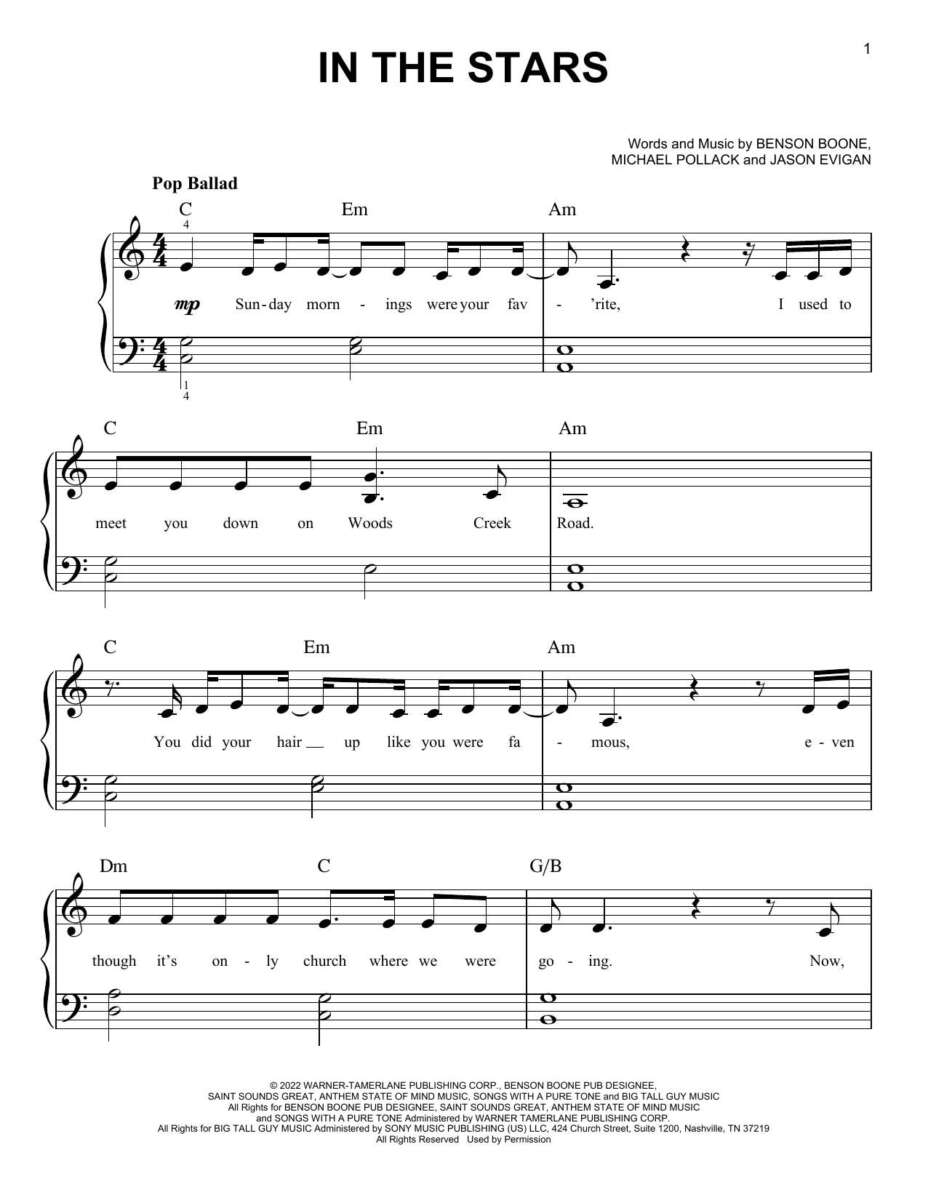
Play "In the Stars" on piano by learning the melody, core chords, arpeggios, and expressive timing.
I’ve taught and performed this piece for years, so I’ll walk you through exactly how to play in the stars on piano with clear steps, practice plans, and musical choices. This guide covers melody, harmony, rhythm, pedaling, and phrasing, plus mistakes to avoid and variations you can use to make the song your own. Read on to move from first notes to confident performance.

Understand the song: form, mood, and core elements
To know how to play in the stars on piano, start by understanding the song’s shape. Listen for the main melody, repeated chord progressions, and key changes. Most arrangements use a simple verse–chorus form with a memorable hook in the right hand and supportive left-hand patterns.
Recognize the song’s mood. Is it dreamy, hopeful, or driving? That will guide tempo, touch, and pedaling. I recommend listening to several recorded versions to find the tone you want to create.
Break down the melody and harmony
Focus on melody first when learning how to play in the stars on piano. Isolate short melodic phrases. Play them slowly and sing them as you play. This builds muscle memory and makes phrasing natural.
Then map the harmony. Find the basic chords that support each phrase. Common chords for this style are I, vi, IV, and V, often with added sevenths or suspensions for color. Practice these chord shapes in root position and as inversions to smooth transitions.

Step-by-step practice plan for learners
A clear practice plan helps you learn how to play in the stars on piano in a structured way. Use this 4-week roadmap:
- Week 1: Learn the melody and sing it. Play hands separately at slow tempo.
- Week 2: Learn left-hand chords. Practice chord changes and inversions.
- Week 3: Combine hands in short sections. Focus on rhythm and basic pedaling.
- Week 4: Add dynamics and rubato. Perform the whole piece and record yourself.
Keep sessions short and focused. Ten to twenty minutes of deliberate practice daily beats long, unfocused sessions.

Left-hand patterns: choices that support the song
Left-hand choices define the piece’s texture when learning how to play in the stars on piano. Options include block chords, arpeggiated patterns, and broken ostinatos.
Try these patterns:
- Block chords: Hold chord tones for warmth.
- Arpeggios: Roll the chords for motion and sparkle.
- Bass–chord split: Play bass note on beats one and chord on beats two and four.
Switch patterns to match the section: simpler in verses, fuller in choruses.
Right-hand phrasing and expression
To express the melody when you learn how to play in the stars on piano, shape each phrase like a sentence. Use slight crescendos into peak notes and breathe between phrases. Aim for a singing tone and avoid treating the melody like a mechanical line.
Use finger legato and careful arm weight to connect notes. When appropriate, add small grace notes or light ornaments to flavor repeated lines.
Pedal techniques that add atmosphere
Pedal use matters when you learn how to play in the stars on piano. The sustain pedal can create a luminous sound, but too much blurs harmony.
Practical pedal tips:
- Change pedal on harmony shifts to avoid mud.
- Use half-pedal for subtle sustain.
- Lift and reapply the pedal on fast harmonic rhythm.
Record and listen to how pedal choices change the mix.
Simple reharmonization and voicings for variation
If you want more color, reharmonize parts while you practice how to play in the stars on piano. Swap a plain major chord for a major7 or add a sus4 resolving to major. Use inner-voice movement to create flow.
Try these voicings:
- Root position then move to a close-inversion.
- Add a 7th on the V chord for tension.
- Use drop-2 voicings for a pop ballad sound.
Small harmonic changes can make repeated sections feel fresh.
Rhythm, tempo, and rubato: feel over metronome rigidity
Tempo choice affects emotion when learning how to play in the stars on piano. Pick a tempo that lets you breathe. Use slight rubato in the melody but keep the underlying pulse steady.
Practice with a metronome. Then remove it to practice expressive timing. Record both versions to compare and refine your choices.
Common mistakes and how to avoid them
Many players stumble when learning how to play in the stars on piano. Here are pitfalls and fixes:
- Overpedaling: Lift pedal on harmonic changes to clear the sound.
- Rushing tempo: Practice with a metronome and slow down tricky sections.
- Ignoring dynamics: Mark crescendos and decrescendos, then follow them.
- Playing hands together too soon: Master hands separately first for cleaner results.
I learned these lessons the hard way when preparing for recitals. Slower preparation avoids last-minute panic.
Performance and arranging tips
When you perform how to play in the stars on piano, think like a storyteller. Build through the song: start intimate, add texture in the middle, and deliver the chorus with full expression.
Performance tips:
- Warm up with scale and arpeggio patterns from the piece.
- Use a short intro or an altered first chord to personalize the arrangement.
- End confidently—either with a clear cadence or a soft, fading tag depending on mood.
Audience connection matters. Make eye contact if singing or move your body slightly for engagement.
My personal experience and lessons learned
As a piano teacher and performer, I’ve arranged and taught this song dozens of times. Students learn faster when they sing the melody while learning how to play in the stars on piano. One student doubled their accuracy in two weeks by practicing small loops and recording progress.
A key lesson: prioritize musical intent over technical perfection. Technical skills serve the song, not the other way around.
Resources and sheet music options
You’ll need reliable sheet music and backing tracks to learn how to play in the stars on piano efficiently. Look for simple lead sheets first, then move to full piano arrangements as you improve.
Consider these resources:
- Lead sheets for melody and chords.
- Piano tutorial videos for visual guidance.
- Backing tracks to practice timing and feel.
Always compare several arrangements to pick the one that fits your skill and taste.
PAA-style questions you might search for
How long does it take to learn the piece?
Learning time varies, but 3–4 weeks of focused practice typically yields a solid performance for intermediate players.
Do I need to read sheet music?
Basic reading helps, but you can learn the melody by ear and use chord charts to accompany.
Can beginners play a simplified version?
Yes. Simplify by playing the melody in the right hand and basic root-position chords in the left.
Should I use a metronome?
Yes. Use it for steady rhythm practice, then remove it for expressive phrasing.
Is pedaling necessary for a good sound?
Pedaling helps atmosphere but use it sparingly to avoid masking harmony.
Frequently Asked Questions of how to play in the stars on piano
How hard is "In the Stars" to learn on piano?
It depends on arrangement and your level. A simplified version is easy for beginners, while full arrangements suit intermediate players.
What is the best practice routine for this song?
Short, focused daily sessions are best. Practice hands separately, then together, and finally add dynamics and pedaling.
Can I sing while I play?
Yes. Singing helps internalize the melody and improves phrasing and timing.
Do I need to change chords from the original to make it playable?
You can simplify chords into basic triads or use inversions to make transitions smoother and easier for your hands.
How do I add my own style without losing the song’s identity?
Change voicings, add small fills, and vary dynamics while keeping the core melody intact.
Conclusion
Learning how to play in the stars on piano is a step-by-step process. Start with melody and chords, practice deliberately, and shape your performance with phrasing and pedal. Use the practice plan above, avoid common mistakes, and personalize the arrangement to suit your voice. Give yourself time, record progress, and enjoy the process—your musical growth will follow. Try the first week’s plan today, then come back and refine what you’ve recorded. Leave a comment or share your recording to get feedback and keep improving.

Senior Music Reviewer
Alex Carter is a seasoned music reviewer with over a decade of experience in the world of sound and instruments. Passionate about helping musicians and enthusiasts make informed choices, he brings sharp insights and in-depth knowledge to every review. From classical instruments to modern gear, Alex combines technical expertise with a love for music to deliver content that resonates with readers.
As a Senior Music Reviewer and expert author on Tuneluma.com, Alex is dedicated to sharing honest evaluations, practical advice, and thoughtful commentary to guide readers in their musical journey.
Leave a Reply