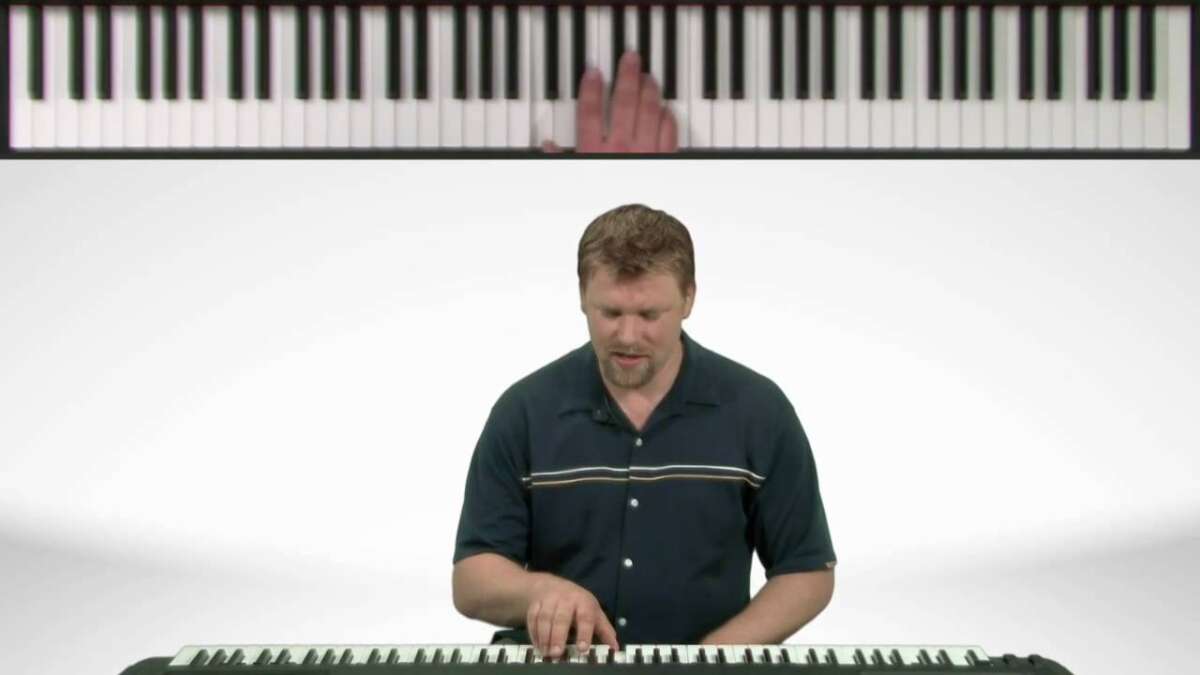
How To Play Charlie Brown On Piano: Easy Step-By-Step
Play the Charlie Brown theme by learning its riff, syncopation, and simple jazz chords.
I’ve taught and played the Charlie Brown theme on piano for years, so I know how to break it down step by step. In this guide I’ll explain what the song is, how to read the parts, and how to practice the riff, chords, and swing feel. You will get clear steps, practice tips, and small exercises that make learning how to play charlie brown on piano simple and fun.

What is the "Charlie Brown" theme and why it matters
Many players call the famous Peanuts tune the Charlie Brown theme. The piece most people mean is often credited to Vince Guaraldi and is known for a bright, syncopated riff and a jazzy groove. Knowing the original style helps you keep the right tempo and feel when you learn how to play charlie brown on piano.
Key facts to know:
- The tune sits in a mid register with a percussive, staccato right hand riff.
- The harmony uses simple jazz chords: major 7, minor 7, dominant 7, and some chromatic passing chords.
- Rhythm is crucial. The magic of how to play charlie brown on piano is in the groove, not just the notes.
I use this framework when teaching: learn the riff, lock the left hand pattern, then add voicings and fills. This approach helped my students quickly sound like the original.

Essential gear and skills before you start
You do not need a fancy piano to learn how to play charlie brown on piano. A weighted keyboard or acoustic piano works best, but any keyboard with good touch is fine.
Skills to develop:
- Basic sight-reading of melody and chord symbols.
- A solid sense of groove and syncopation.
- Comfortable left-hand comping and basic walking bass patterns.
Personal tip: I practiced the riff with a metronome at slow speed for weeks. That small habit is the fastest way to nail how to play charlie brown on piano.
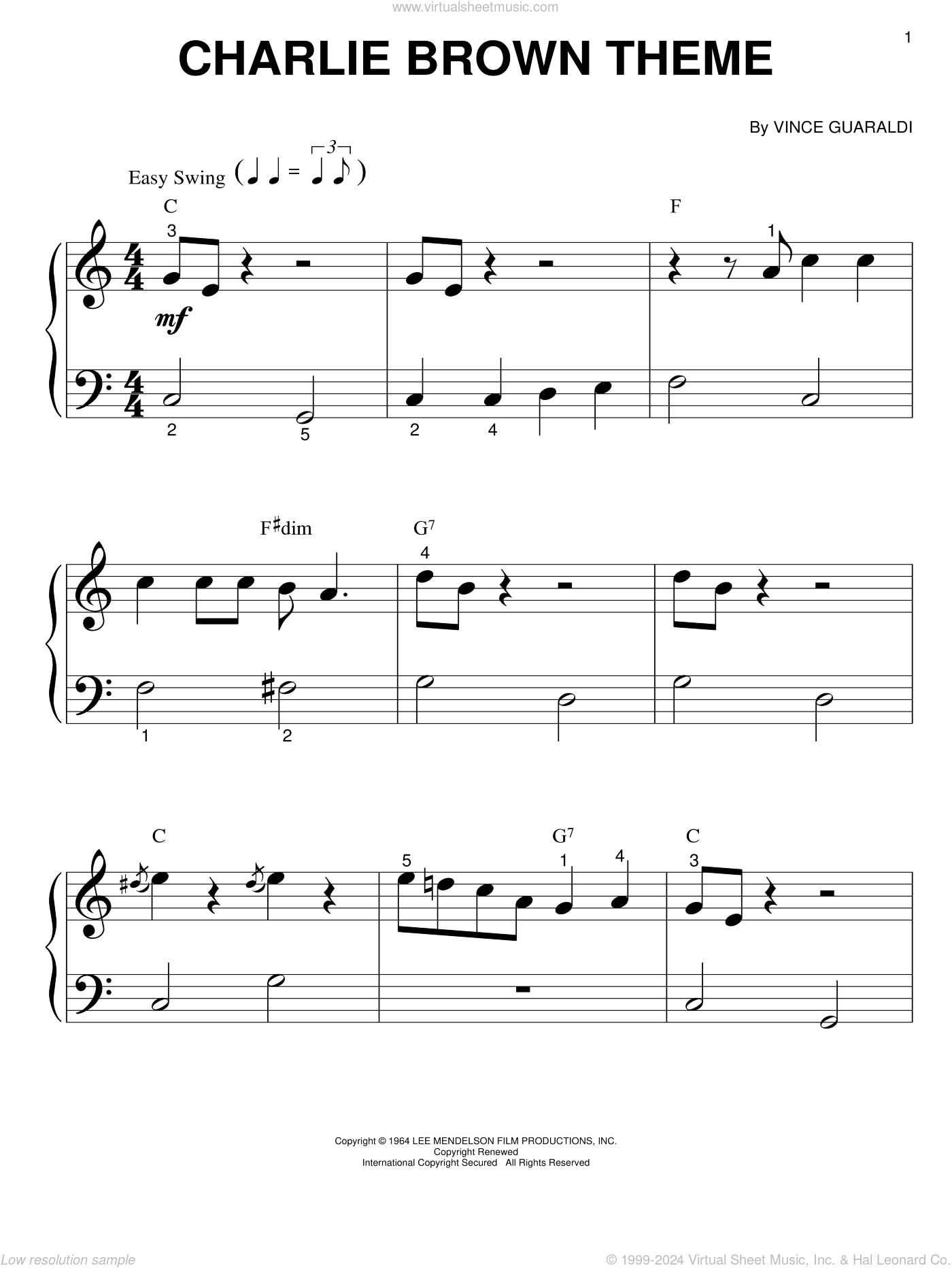
Step-by-step breakdown: learn the riff, hands separately then together
Follow these steps to learn how to play charlie brown on piano in a structured way.
- Learn the main riff with your right hand
- Start slow. Clap the rhythm first, then play the melody.
- Count in 4 and emphasize off-beats. The riff often accents the "and" of beats.
- Build the left-hand pattern
- Start with block chords on beats 1 and 3.
- Move to a simple bass-octave pattern for drive.
- Put hands together slowly
- Keep the left hand steady. Play right hand staccato.
- Use a metronome at half tempo if coordination is hard.
- Add jazz voicings
- Replace block chords with 3- or 4-note voicings.
- Use rootless voicings for a more authentic jazz sound.
- Add fills and transitions
- Use chromatic approaches and small bluesy licks.
- Keep fills short so they do not overpower the riff.
Repeat these steps daily. My students see the biggest gains when they focus on hands-separate practice before trying full speed. This is key to mastering how to play charlie brown on piano.

Common technical challenges and how to fix them
Players often struggle with syncopation, tempo control, and voicing clarity when learning how to play charlie brown on piano. Here are solutions.
- Syncopation feels off
- Clap the rhythm first. Count “1 and 2 and 3 and 4 and.” Accent the correct “and.”
- Left hand drifts or speeds up
- Practice left hand alone with a metronome. Keep dynamics steady.
- Right hand lacks punch
- Shorten staccato notes and use finger articulation. Play near the keys’ edge for attack.
- Chords sound muddy
- Use fewer notes and choose clear voicings. Drop the bottom note if unclear.
My mistake early on was rushing tempo. Slow practice fixed every problem and is the best way to learn how to play charlie brown on piano.

Arrangements and style variations
Once you know the basics of how to play charlie brown on piano, you can adapt the song to many styles.
Simple versions
- Melody with basic block chords. Great for beginners.
Ballad version - Slow the tempo and use sustained voicings and rubato.
Full jazz trio - Add walking bass in the left hand and comp with 3-note voicings.
Solo piano soloing - Use the riff as a recurring motif and improvise around the changes.
Try each version. I recommend recording yourself. Hearing your playing helps you refine phrasing and timing when learning how to play charlie brown on piano.

A 4-week practice plan to master the tune
This plan gives steady progress on how to play charlie brown on piano. Practice 20–40 minutes per day.
Week 1: Foundation
- Days 1–3: Clap and count the riff. Play right hand at 60% tempo.
- Days 4–7: Add left-hand pattern. Hands separate work.
Week 2: Coordination - Practice hands together slowly. Focus on clean attacks and steady left hand.
Week 3: Voicings and groove - Add jazz chords and slight swing feel. Record and compare to a reference.
Week 4: Polish and performance - Play through full arrangement. Add small improvised solo sections.
Stick with steady practice. That structure is how I help students go from stuck to confident when they learn how to play charlie brown on piano.
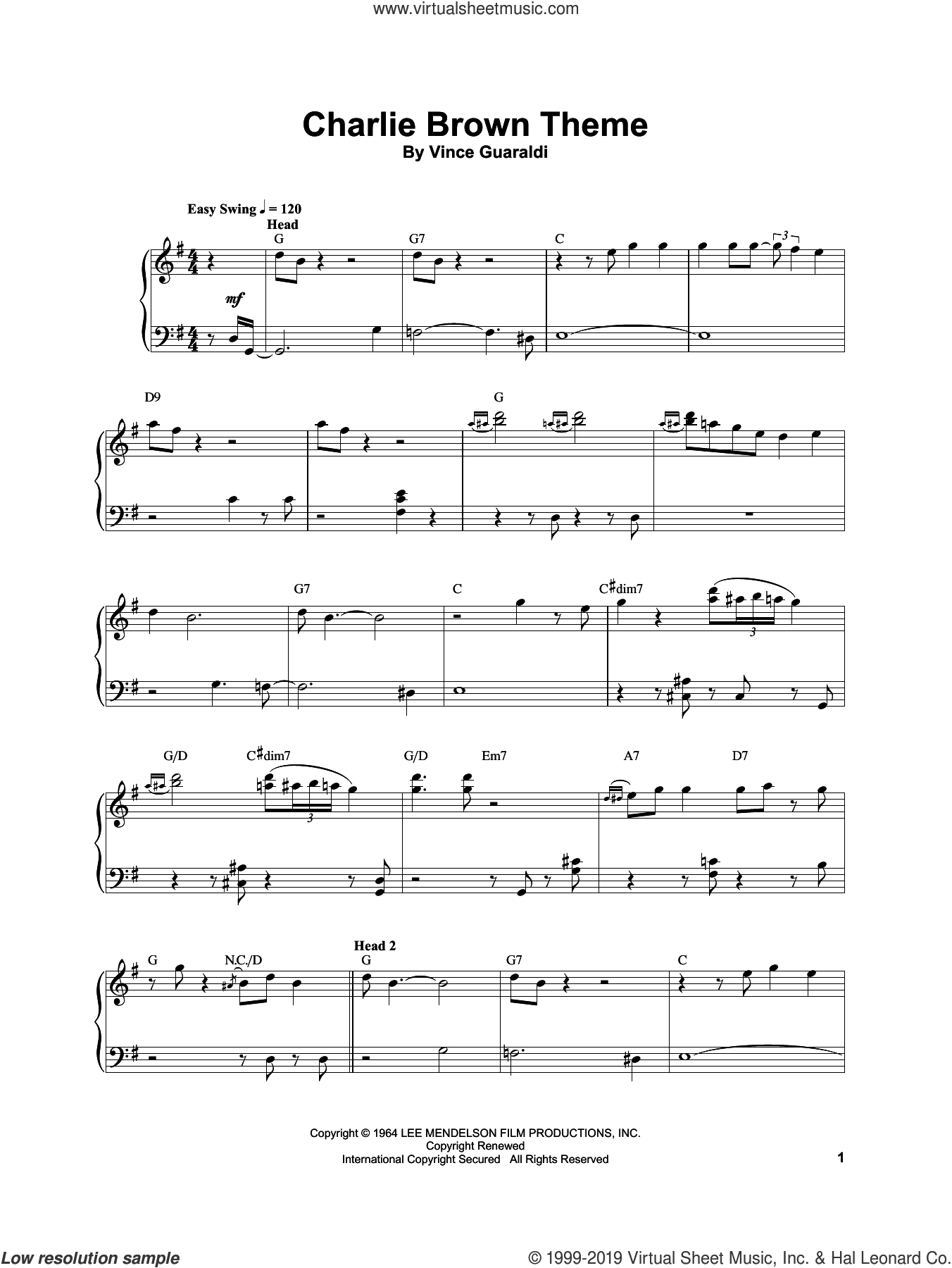
Frequently Asked Questions of how to play charlie brown on piano
How long does it take to learn how to play charlie brown on piano?
Most players can learn the basic riff and chords in a few weeks with daily 20–30 minute practice sessions. Mastery of voicings and improvisation can take a few months depending on prior jazz experience.
What is the best tempo to practice the Charlie Brown theme?
Start slow at 50–60% of the target tempo. Use a metronome and increase speed in small steps to keep accuracy and groove.
Which hand should I practice first when learning how to play charlie brown on piano?
Practice the right-hand riff first, then the left-hand pattern. Hands-separate practice builds accuracy and makes coordination easier.
Do I need jazz theory to play the song?
You do not need deep theory to play a basic version, but learning simple jazz chords and ii–V–I progressions helps your voicings and improvisation.
Can beginners play a simplified version of the Charlie Brown theme?
Yes. A simplified version uses single-note melody with basic triad chords. It’s a great way for beginners to sound authentic quickly.
Conclusion
Mastering how to play charlie brown on piano is about rhythm, clear voicings, and focused practice. Start with the riff, lock the left hand, then add jazz voicings and small improvisations. Keep practice slow, consistent, and fun. Try the four-week plan, record your sessions, and play along with a backing track to build confidence. If this guide helped, leave a comment, subscribe for more piano tips, or share a recording of your progress.

Senior Music Reviewer
Alex Carter is a seasoned music reviewer with over a decade of experience in the world of sound and instruments. Passionate about helping musicians and enthusiasts make informed choices, he brings sharp insights and in-depth knowledge to every review. From classical instruments to modern gear, Alex combines technical expertise with a love for music to deliver content that resonates with readers.
As a Senior Music Reviewer and expert author on Tuneluma.com, Alex is dedicated to sharing honest evaluations, practical advice, and thoughtful commentary to guide readers in their musical journey.