Start slowly, learn the melody, add simple chords, then combine hands with gentle dynamics.
I’ve taught dozens of students how to play beauty and the beast on the piano, and I’ll walk you through every step. This guide covers melody, chords, rhythm, practice plans, and performance tips. Read on to learn a clear, simple path from first notes to an expressive performance of how to play beauty and the beast on the piano.

Understanding the song and what to expect
"Beauty and the Beast" is a lyrical, slow-tempo ballad. It uses basic chord patterns and a singable melody. That makes it ideal for beginners and intermediate players learning phrasing and expression. Learning how to play beauty and the beast on the piano builds skills in chord reading, hand coordination, and musical phrasing.
Getting started: sheet music, key, and tools
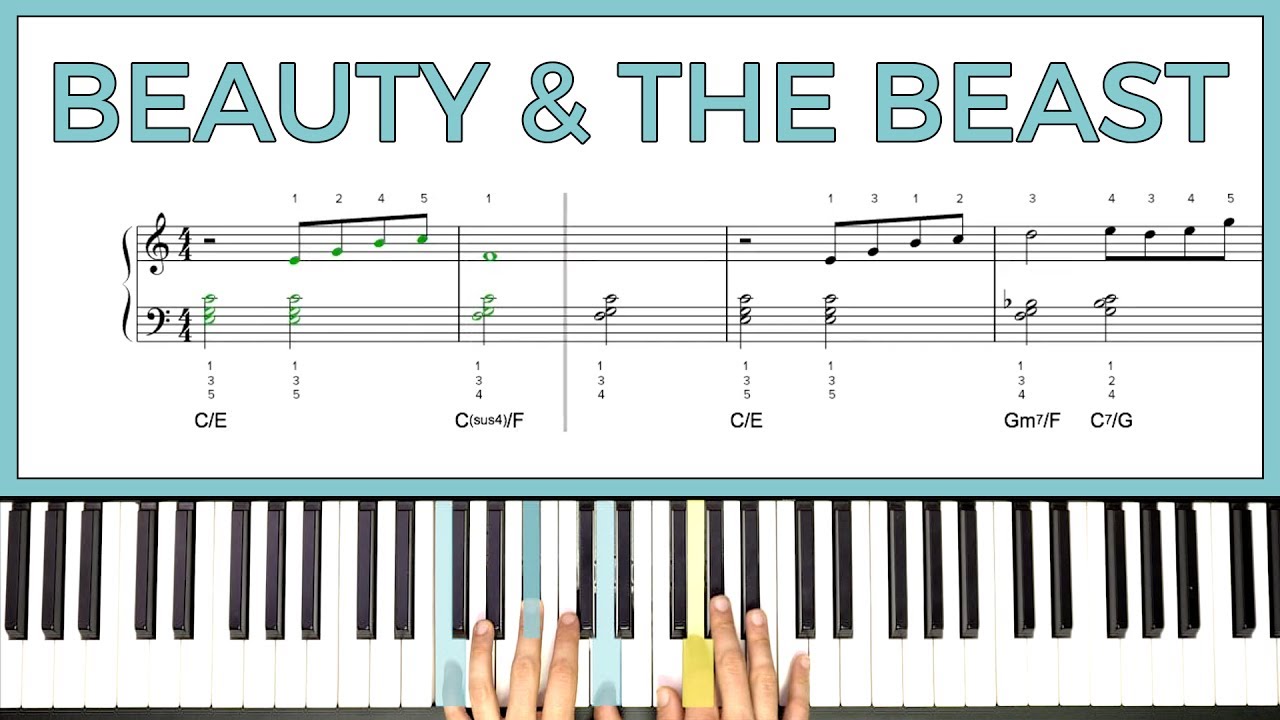
Choose an arrangement that matches your level. Look for beginner or intermediate sheet music that labels chords above the staff. Use a metronome and a recording of the song to match feel and timing. If you play by ear, a simplified lead-sheet with melody and chord symbols will work well for learning how to play beauty and the beast on the piano.

Right hand: learning the melody
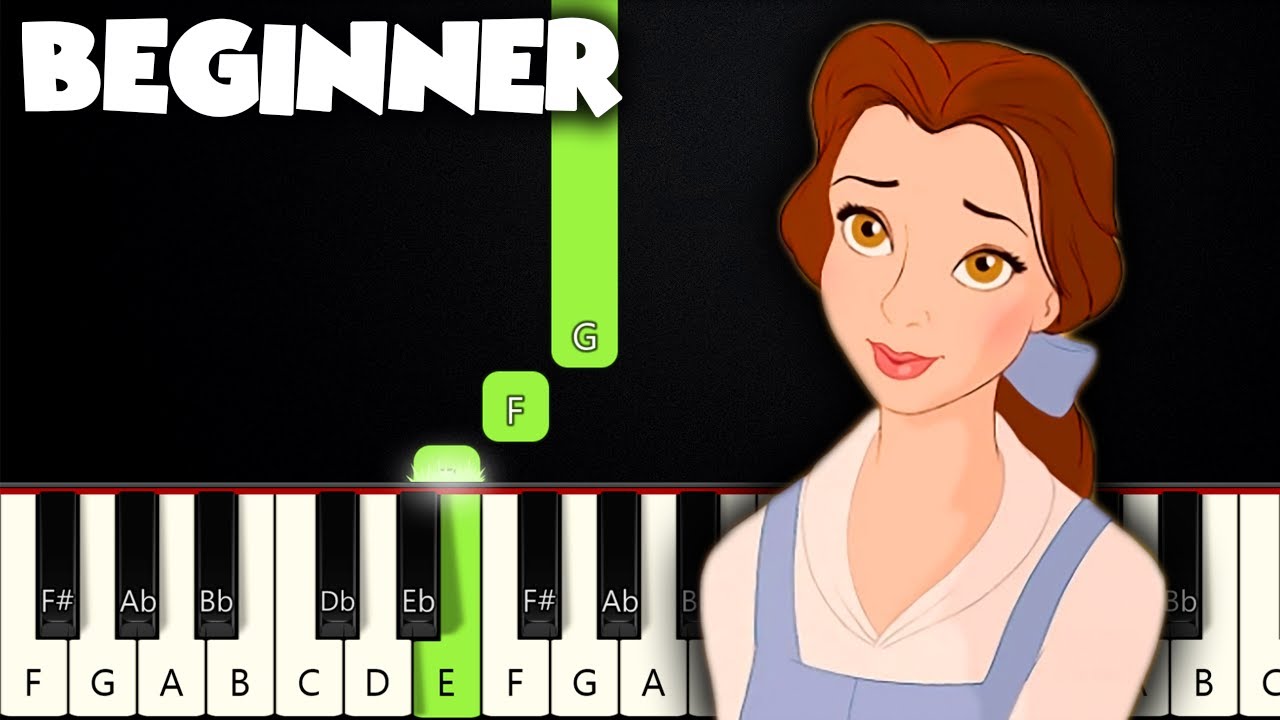
Break the melody into short phrases. Learn one phrase at a time and loop it slowly. Play with your thumb and fingers placed comfortably; use consistent fingerings for each phrase. Practice the melody alone until it flows smoothly, then repeat the process when you add chords so you can master how to play beauty and the beast on the piano with clear lines.

Left hand: chords and accompaniment patterns
Start with basic triads in root position. The song often uses these common chords: I, vi, IV, V. Try simple accompaniment patterns first:
- Play block chords on beat one and hold for the bar.
- Try an alternating bass pattern: bass on beat one, chord on beats two and four.
- Use a gentle broken-chord arpeggio for a flowing feel.
Work on smooth chord changes so the left hand supports the melody while you learn how to play beauty and the beast on the piano.

Source: musescore.com
Putting hands together: step-by-step
Combine hands slowly. Use these steps:
- Count while you play each phrase.
- Play right hand three times, then add left hand once.
- Reduce tempo by 50% if you feel rushed.
- Gradually increase speed as coordination improves.
Patience here matters. Most timing problems vanish when you slow down and repeat. This method helps you learn how to play beauty and the beast on the piano with confidence.
Source: youtube.com
Dynamics, phrasing, and expression
The song lives in the dynamics. Mark crescendos and decrescendos. Let the melody sing by slightly emphasizing the top notes. Pause just a hair at phrase ends to shape lines. These small choices turn correct notes into an emotional performance and are essential when learning how to play beauty and the beast on the piano expressively.

Common mistakes and how to avoid them
Many players rush the tempo. Others forget to shape phrases or overplay the left hand. To avoid these mistakes:
- Use a metronome and set a slow tempo.
- Keep left hand softer than right hand.
- Practice hands separately before combining.
Fixing these issues makes it faster to master how to play beauty and the beast on the piano.

Source: youtube.com
Practice plan: 4-week plan for steady progress
Week 1
- Learn melody in short phrases.
- Practice 15 minutes daily.
Week 2 - Add left-hand chords and play slowly.
- Practice 20 minutes daily.
Week 3 - Combine hands for full verse and chorus.
- Work on dynamics and timing.
Week 4 - Refine expression and tempo.
- Record and evaluate your performance.
This plan helps you steadily build skills and remember how to play beauty and the beast on the piano without overwhelm.

Source: musescore.com
Tips from my teaching experience
When I first arranged this song for students, the turning point was wrist relaxation. Tension blocks flow. Also, sight-read small sections and hum the melody as you play to keep phrasing natural. Encourage slow, focused practice—this habit speeds up learning how to play beauty and the beast on the piano more than marathon sessions.
Simple chord chart and a short walkthrough
A basic progression for verse and chorus:
- Key: C major (easy for beginners)
- Progression example: C | Am | F | G
- Play root position chords, then try broken chords.
Walk through the progression slowly, matching melody notes to chord changes. This small chart is a practical way to start how to play beauty and the beast on the piano today.
Arranging and adding your touch
Once you know the basics, personalize the song:
- Add simple fills between phrases.
- Use left-hand rolls or octave bass for a fuller sound.
- Slow a section for drama or add a brief rubato moment.
These tweaks let you express taste while still keeping the core structure of how to play beauty and the beast on the piano intact.
Recording and performing tips
Record short practice takes to track progress. Use a quiet room and focus on a clean first verse and chorus. When performing live, breathe before starting and keep a steady tempo. Small pauses and clear dynamics make the song feel professional and show that you know how to play beauty and the beast on the piano with heart.
Resources to continue learning
Use simple method books, tutorial videos, and backing tracks for play-along practice. Join a local group or online forum to get feedback. Consistent, guided practice speeds improvement and helps keep your focus on how to play beauty and the beast on the piano well.
Frequently Asked Questions of how to play beauty and the beast on the piano
What key is "Beauty and the Beast" usually in?
Most original and popular arrangements are in C major or F major. Beginners often use C major because it has no sharps or flats and is easier to play.
Can a beginner learn how to play beauty and the beast on the piano?
Yes. With a simplified arrangement, a beginner can learn the melody and basic chords in a few weeks of steady practice.
How long does it take to play the full song well?
With focused practice, expect 4 to 8 weeks to play a clean, expressive version. Progress depends on practice time and prior experience.
Should I use sheet music or play by ear?
Both methods work. Sheet music helps with accuracy and rhythm; playing by ear boosts musical memory and phrasing. Combine both for best results.
What tempo should I use when learning the song?
Start very slow—about half the original tempo. Increase speed only when you can play cleanly and with good expression.
Conclusion
You can learn how to play beauty and the beast on the piano using clear steps: learn the melody, add simple chords, combine hands slowly, and shape the music with dynamics. Practice with intention, record yourself, and make small, steady improvements each day. Try the four-week plan, then share a clip or ask for feedback to keep growing—leave a comment or subscribe for more piano guides.

Senior Music Reviewer
Alex Carter is a seasoned music reviewer with over a decade of experience in the world of sound and instruments. Passionate about helping musicians and enthusiasts make informed choices, he brings sharp insights and in-depth knowledge to every review. From classical instruments to modern gear, Alex combines technical expertise with a love for music to deliver content that resonates with readers.
As a Senior Music Reviewer and expert author on Tuneluma.com, Alex is dedicated to sharing honest evaluations, practical advice, and thoughtful commentary to guide readers in their musical journey.
Leave a Reply