Learn the melody first, then add chords and dynamics slowly for a soulful performance.
I’ve spent years teaching and arranging pop ballads, and I’ll walk you through exactly how to play Beautiful Thing on piano with clarity and confidence. In this guide I break the song into bite-sized steps, show effective practice routines, and share performance tips drawn from real teaching experience so you can learn how to play Beautiful Thing on piano whether you’re a beginner or an intermediate player.

Why this song matters and what to expect
Beautiful Thing is a modern ballad that rewards musical shape and feel more than flashy technique. Learning how to play Beautiful Thing on piano teaches you phrasing, simple chord voicings, and tasteful rubato. This song helps you build skill in connecting melody to harmony and in playing with emotional control.
- Emotional connection helps listeners feel the song.
- Simple harmony makes it a great learning piece.
- Wide appeal means you can play it for friends or online.

Understanding the song structure and harmony
Before you practice, know the song’s map. Most versions of Beautiful Thing follow a verse, pre-chorus, chorus, bridge, and outro pattern. The harmony usually centers on common pop chords with a few tasteful extensions. Knowing the structure makes learning how to play Beautiful Thing on piano faster and more musical.
- Verse: sparse accompaniment that supports the vocal line.
- Pre-chorus: builds tension with rising harmony.
- Chorus: fuller voicings, stronger rhythm, and clearer melody.
- Bridge: contrast section—use different voicings or a key change.
I listen to the recording a few times to internalize phrasing. That habit helped me when I first arranged how to play Beautiful Thing on piano for students. It makes memorization easier and performances more natural.

Step-by-step guide: learning melody, chords, and arrangement
Follow these steps to learn how to play Beautiful Thing on piano from scratch. Work slowly. Use a metronome. Break the song into short sections.
- Learn the melody
- Sing or hum the line first.
- Play the melody in the right hand, one phrase at a time.
- Keep fingers relaxed and aim for steady rhythm.
- Learn the chords
- Identify the chord progression for each section.
- Start with root-position triads, then add 7ths or suspensions.
- Play left-hand patterns that support the tempo and mood.
- Put melody and chords together
- Play melody in the right hand while the left hand plays chord roots or broken patterns.
- Reduce texture at first: play only root and melody, then add inner voices.
- Use hands-separate practice before hands-together work.
- Add rhythm and dynamics
- Decide on the groove: straight eighths or gentle swing.
- Mark dynamic peaks for chorus and soft spots for verses.
- Practice crescendos into key phrases.
- Final touches and voicings
- Add tasteful chord inversions to smooth bass movement.
- Use open fifths or add color tones (9ths, 7ths) for warmth.
- Keep space—don’t overplay around the vocal melody.
Repeat the phrase “how to play Beautiful Thing on piano” in practice notes to remind yourself of focus when arranging and practicing. This helps keep your practice goal-oriented.
 exercises to speed learning”
style=”max-width: 100%; height: auto; border: 2px solid black; border-radius: 10px; display: block; margin: 0 auto;”
loading=”lazy”
/>
Practice tips and exercises to speed learning
Efficient practice beats long, aimless hours. Here are focused drills that helped my students learn how to play Beautiful Thing on piano quickly.
- Slow deliberate practice
- Set tempo at 50–60% of original. Play cleanly.
- Hands-separate repetition
- Repeat each hand 8–12 times before combining.
- Chunking
- Learn in 4-bar chunks. Master each chunk fully.
- Rhythmic variation
- Practice the melody with different rhythms to lock timing.
- Voicing drills
- Play chord with inner notes muted, then bring them out.
- Recording and listening
- Record practice sessions and note spots that need work.
I once had a student who improved within three weeks by doing 20 minutes a day with these drills. Small, steady steps matter more than long, unfocused sessions when learning how to play Beautiful Thing on piano.

Common mistakes and how to fix them
Knowing common traps saves time. Here are mistakes I see when students learn how to play Beautiful Thing on piano and quick fixes.
- Rushing the tempo
- Fix: Slow down and increase speed by 3–5 BPM only after clean repetition.
- Overplaying the accompaniment
- Fix: Simplify the left hand to root notes or gentle arpeggios to leave space for melody.
- Ignoring phrasing
- Fix: Circle phrasing marks and breathe between phrases as you would when singing.
- Weak transitions between sections
- Fix: Practice the last two bars of a section and the first two bars of the next until smooth.
Be honest about weaknesses. I mark them in score margins and address one at a time. This practical method helped my own playing when I arranged how to play Beautiful Thing on piano for live shows.
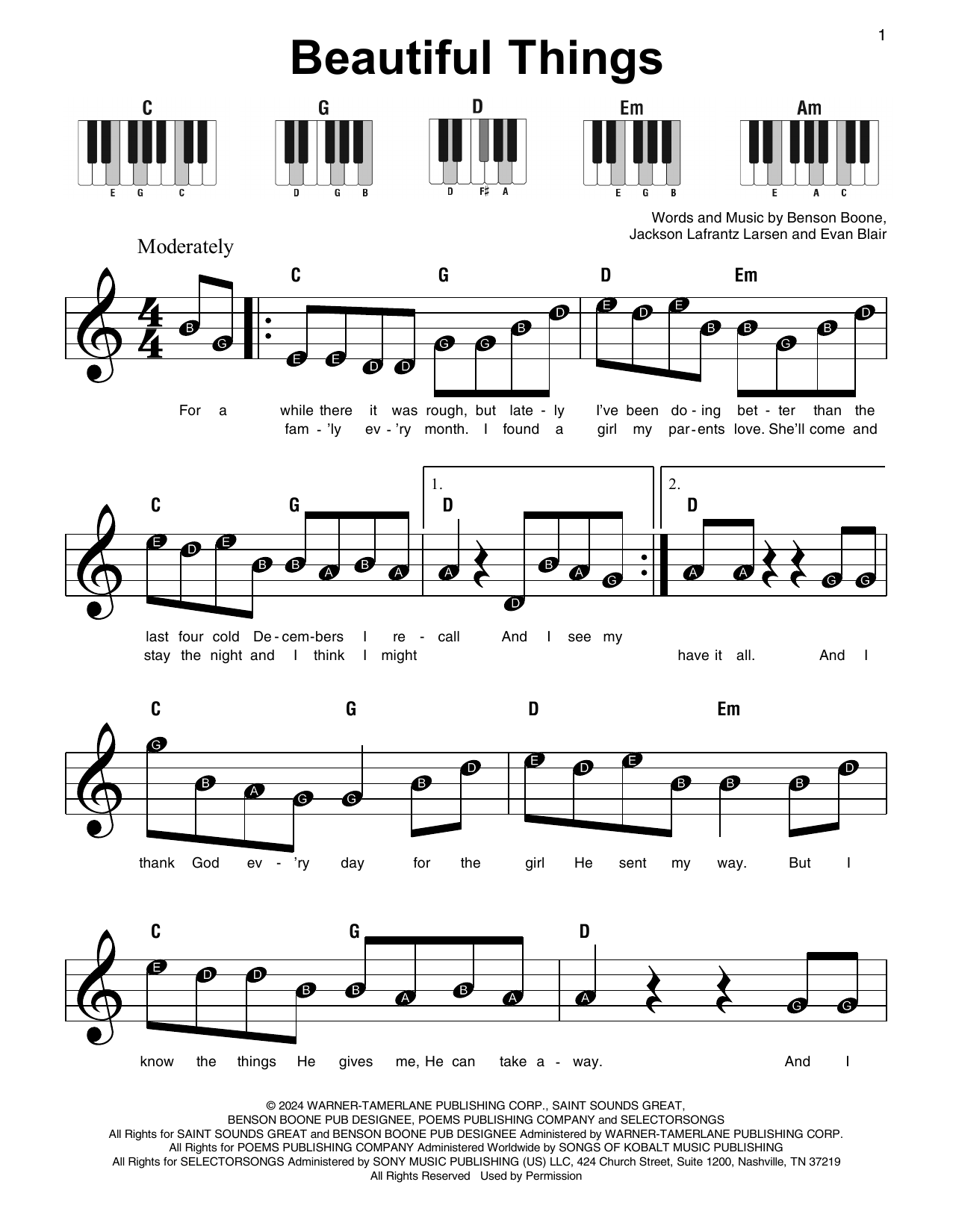
Performance and expression: making the song your own
Playing notes is not the same as telling a story. Expression turns accuracy into art. Here’s how to add nuance when learning how to play Beautiful Thing on piano.
- Tempo choice
- Choose a tempo that fits your voice or mood. Slight tempo rubato can feel natural.
- Dynamics map
- Map louder and softer sections before you play. Let the chorus breathe more.
- Use pedal tastefully
- Light sustain for warmth. Clear pedal changes on harmony shifts.
- Sing or hum while you play
- This keeps phrasing vocal and honest.
- Play for an audience
- Record a short video or play for a friend to build confidence.
I always rehearse the first and last 30 seconds most. That ensures a strong start and ending. When you practice how to play Beautiful Thing on piano with feeling, listeners notice.

Frequently Asked Questions of how to play beautiful thing on piano(make it h2 tag)
How long will it take to learn how to play Beautiful Thing on piano?
Most learners can play a simple version in 1–3 weeks with daily focused practice. A polished, expressive version may take several months depending on experience.
Do I need sheet music to learn how to play Beautiful Thing on piano?
Sheet music helps, but you can learn by ear if you prefer. Start with chord charts and melody lines if full scores are not available.
What level of piano skill do I need to play Beautiful Thing on piano?
A late-beginner to intermediate level is enough to play a basic arrangement. Advanced voicings and ornamentation require intermediate skills.
Should I focus on chords or melody first?
Focus on melody first to secure the song’s identity, then add chords to support it. This approach makes learning how to play Beautiful Thing on piano clearer.
How can I make my performance of Beautiful Thing sound more emotional?
Use slow crescendos, subtle rubato, and dynamic contrast. Singing or imagining a voice behind the melody boosts emotional delivery.
Can I arrange Beautiful Thing on piano for solo performance?
Yes. Create a left-hand accompaniment pattern that captures the rhythm and harmony while the right hand plays melody and fills. Experiment with inversions and inner voices.
Conclusion
Learning how to play Beautiful Thing on piano is a rewarding process that blends melody, harmony, and feel. Start simple, practice in focused chunks, and gradually add color and dynamics. With steady, purposeful practice you can play a version that sounds musical and personal. Try the steps in this guide, record a practice session this week, and share your progress with a friend or teacher to keep growing.

Senior Music Reviewer
Alex Carter is a seasoned music reviewer with over a decade of experience in the world of sound and instruments. Passionate about helping musicians and enthusiasts make informed choices, he brings sharp insights and in-depth knowledge to every review. From classical instruments to modern gear, Alex combines technical expertise with a love for music to deliver content that resonates with readers.
As a Senior Music Reviewer and expert author on Tuneluma.com, Alex is dedicated to sharing honest evaluations, practical advice, and thoughtful commentary to guide readers in their musical journey.
Leave a Reply