How To Play A G7 On Piano: Easy Chord Guide
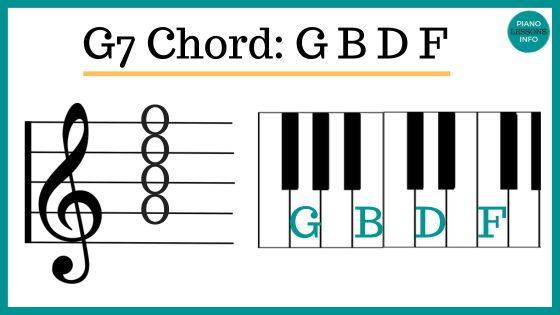
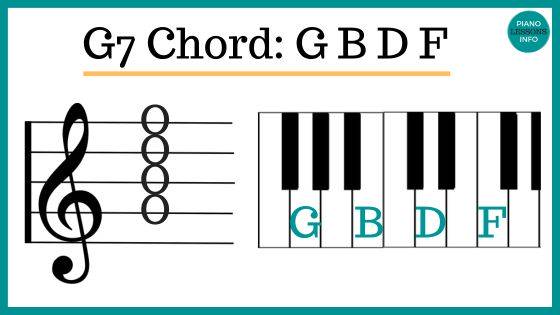
Play G7 by sounding G, B, D, and F together — root, 3rd, 5th, and flat 7th.
I’ve taught piano and played in bands for years, so I know the practical steps and musical uses of how to play a g7 on piano. This guide breaks the chord down, shows fingerings and voicings, and gives practice tips and real-world examples so you can use the G7 in songs and progressions with confidence.
Understanding the G7 chord
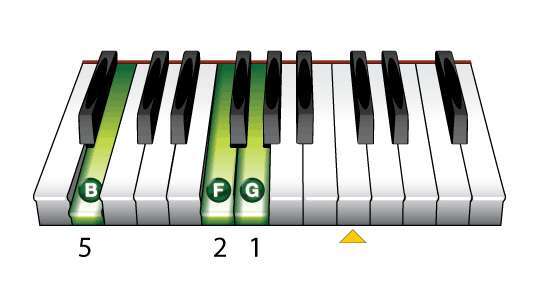
A G7 chord is a dominant seventh built on G. It contains the notes G (root), B (major third), D (perfect fifth), and F (minor seventh). When you want to know how to play a g7 on piano, think of the chord as a G major triad with an added flat seventh.
How to play a G7 on piano: Basic voicing
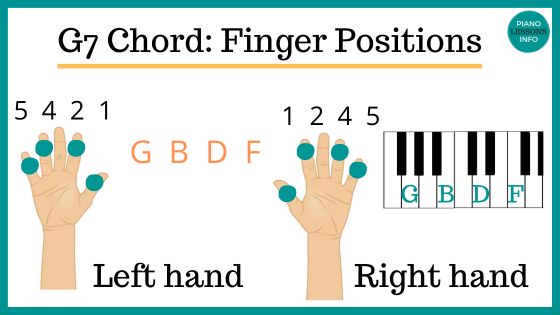
Play G-B-D-F together with one hand for the simplest voicing. Use these common fingerings:
- Right hand: 1 (thumb) on G, 2 on B, 3 on D, 5 on F.
- Left hand: 5 on G, 3 on B, 2 on D, 1 on F.
If you’re wondering how to play a g7 on piano in a compact way, this basic voicing fits the hand well and sounds balanced. Keep your wrist relaxed and aim for even volume across notes.
Fingering variations and comfortable shapes
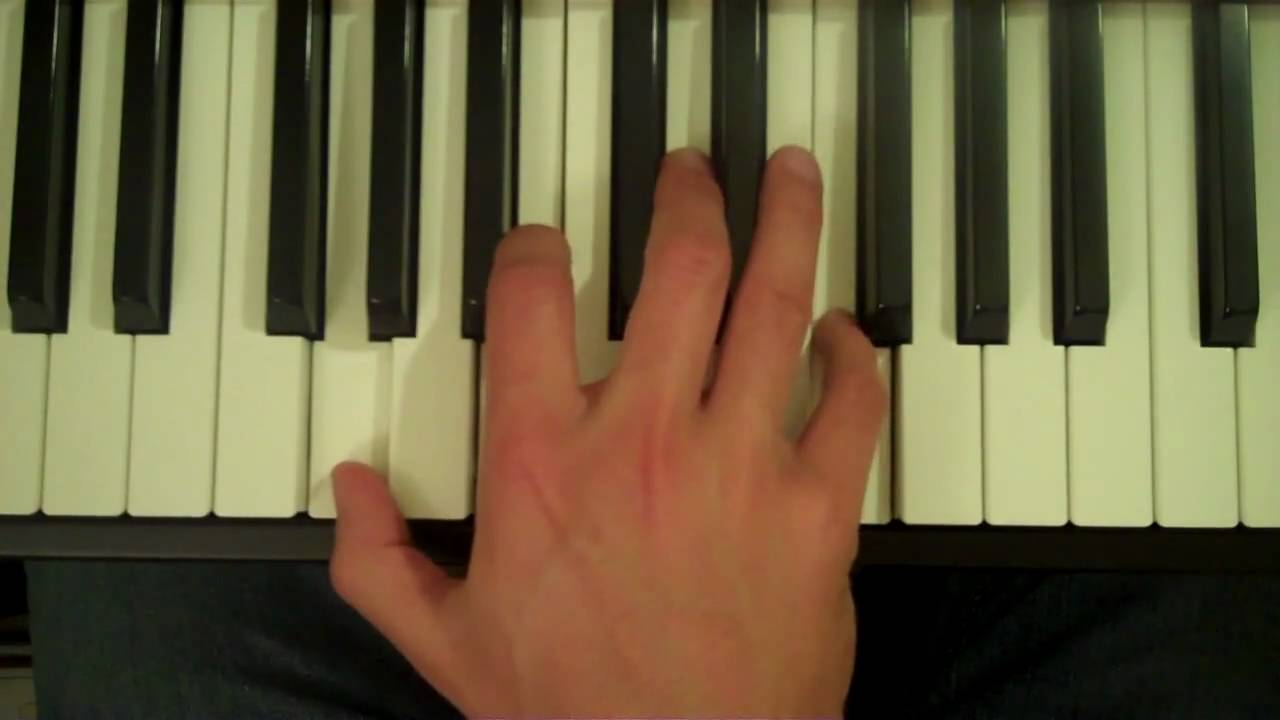
Different fingerings help with movement and inversion changes. Try these alternatives:
- Right hand inversion (first): 1 on B, 2 on D, 3 on F, 5 on G (one octave up).
- Left hand root position with spread: 5 on G, 4 on B, 2 on D, 1 on F.
When learning how to play a g7 on piano, experiment to find the fingering that lets you move to the next chord smoothly. I often switch fingers during comping to stay relaxed.

Inversions and voice leading
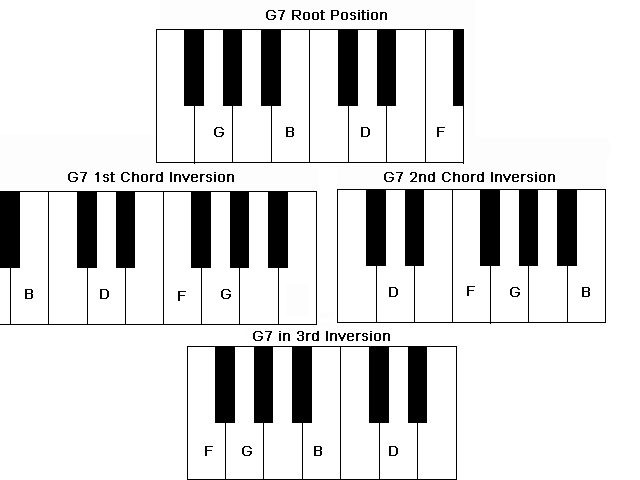
Inversions make the G7 connect better to other chords. The three useful forms:
- Root position: G-B-D-F (dominant, strong sound).
- First inversion: B-D-F-G ( keeps the 3rd in bass).
- Second inversion: D-F-G-B (nice for stepwise bass lines).
- Third inversion: F-G-B-D (seventh in bass; resolves strongly to tonic).
Practice how to play a g7 on piano in each inversion for smooth voice leading. Playing inversions helps when you need to move by small intervals in a progression.
Left-hand voicings and comping patterns
Left-hand voicings give body and groove. Try these shapes:
- Shell voicing: play G and F (root and 7th) and leave space for right hand.
- 3-note voicing: G-B-F (omit the 5th D for clarity).
- Drop-2 voicing: drop the second highest note down an octave for jazz color.
When you learn how to play a g7 on piano in comping, focus on rhythm and spacing. I use shell voicings when accompanying singers to avoid cluttering the arrangement.
src="https://www.piano-keyboard-guide.com/wp-content/uploads/2015/04/g7_chord.png"
alt="Right-hand voicings, extensions, and color”
style=”max-width: 100%; height: auto; border: 2px solid black; border-radius: 10px; display: block; margin: 0 auto;”
loading=”lazy”
/>
Right-hand voicings, extensions, and color
Right hand can add texture without changing chord function. Options include:
- Add tensions: play A (9th) or C (11th) sparingly for color.
- Alterations: flat or sharp ninths in jazz contexts (use carefully).
- Spread voicing: play G in left hand and B-D-F in right hand for clarity.
Knowing how to play a g7 on piano with small extensions keeps the harmony interesting. In a band, a small 9th can lift a phrase without stealing attention.
Practice routine: simple exercises to master G7
Practice builds muscle memory and a musical ear. Try this routine:
- Warm up by playing the chord in root position, then each inversion, 8 times each.
- Practice moving G7 to C major and back; repeat 16 times.
- Use a metronome and slow the tempo until the chord changes are steady.
Repeat these steps daily to solidify how to play a g7 on piano. Consistent short practice beats occasional long sessions.

Common mistakes and how to fix them
Players often make the same small errors. Watch for these:
- Squeezing the hand or lifting knuckles: relax and use natural curvature.
- Playing the 5th too loudly: mix balance so the third and seventh are heard.
- Skipping inversions: this limits your ability to connect chords smoothly.
If you want to improve how to play a g7 on piano, record yourself and listen for balance and clarity. I once ignored my own imbalance until a student pointed it out; recording fixed it fast.
Musical applications and examples
G7 is a dominant chord that usually resolves to C major or C minor. Common uses:
- Blues progressions: G7 functions as the V chord in the key of C.
- Jazz standards: use G7 with altered tensions for tension-and-release.
- Pop and rock: short dominant chords add motion into the chorus or bridge.
Knowing how to play a g7 on piano helps you lead progressions and add expressive color. I use G7 as a pivot in songs to create forward motion and release.
Frequently Asked Questions of how to play a g7 on piano
What notes make up a G7 chord?
G7 has the notes G, B, D, and F. The F is the minor (flat) seventh added to the G major triad.
Which fingers should I use for G7 in right hand?
A common right-hand fingering is 1 on G, 2 on B, 3 on D, and 5 on F. Adjust as needed for comfort and smooth movement.
How does G7 resolve in chord progressions?
G7 typically resolves to C major or C minor because it’s the dominant seventh of C. The F often resolves down to E in C major for smooth voice leading.
Can I omit any notes when playing G7?
Yes. You can omit the fifth, D, and keep G, B, and F to preserve the chord’s function. Omitting notes fits small hands or dense textures.
How do I add color to a G7 chord?
Add a 9th (A) or alter tensions like flat 9 for jazz flavor. Use colors sparingly to avoid clashing with melody or band harmony.
Conclusion
Mastering how to play a g7 on piano starts with clear note choices and relaxed fingerings. Practice basic voicings, learn inversions, and use simple comping patterns to make the chord musical. Apply the chord in progressions, record your playing, and try small daily exercises to improve quickly. Try the examples here in a song you like, and leave a comment or subscribe for more chord guides and practice tips.

Senior Music Reviewer
Alex Carter is a seasoned music reviewer with over a decade of experience in the world of sound and instruments. Passionate about helping musicians and enthusiasts make informed choices, he brings sharp insights and in-depth knowledge to every review. From classical instruments to modern gear, Alex combines technical expertise with a love for music to deliver content that resonates with readers.
As a Senior Music Reviewer and expert author on Tuneluma.com, Alex is dedicated to sharing honest evaluations, practical advice, and thoughtful commentary to guide readers in their musical journey.