Move a piano safely by planning, using the right gear, and getting help from 3+ strong people.
Moving a piano is heavy work that needs care. I have moved many pianos for friends and clients. I will walk you through how to move a piano step by step. You will learn planning, the right tools, how to handle stairs, and when to hire pros. Read on to avoid damage and keep people safe.

Why careful planning matters when you learn how to move a piano
Moving a piano without a plan risks injury and damage. A piano can weigh 300 to 1,200 pounds. That weight and bulk change how you handle doors, stairs, and turns. Think of the move like a short mission. Map routes, measure doorways, and note obstacles.
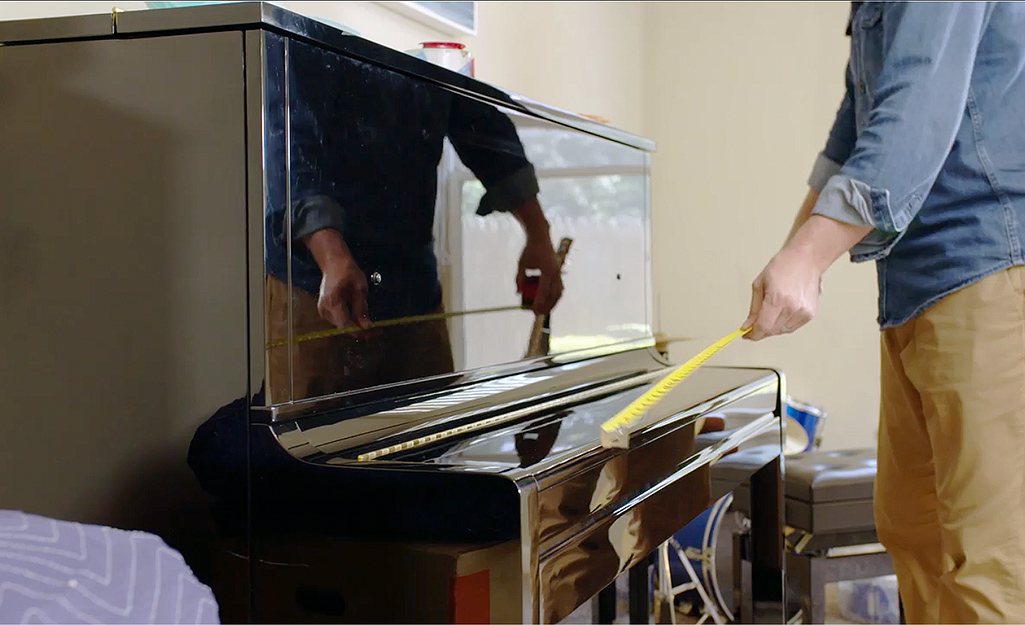
- Measure the piano height, width, and depth before moving.
- Measure door frames, hallways, and stair widths.
- Check floor strength and elevator dimensions.
- Decide if you need professional movers or special permits.
I once measured wrong and had to remove a door frame. Learn from me: measure twice. A small prep step saves time and keeps the piano intact.
Tools and supplies you'll need to move a piano
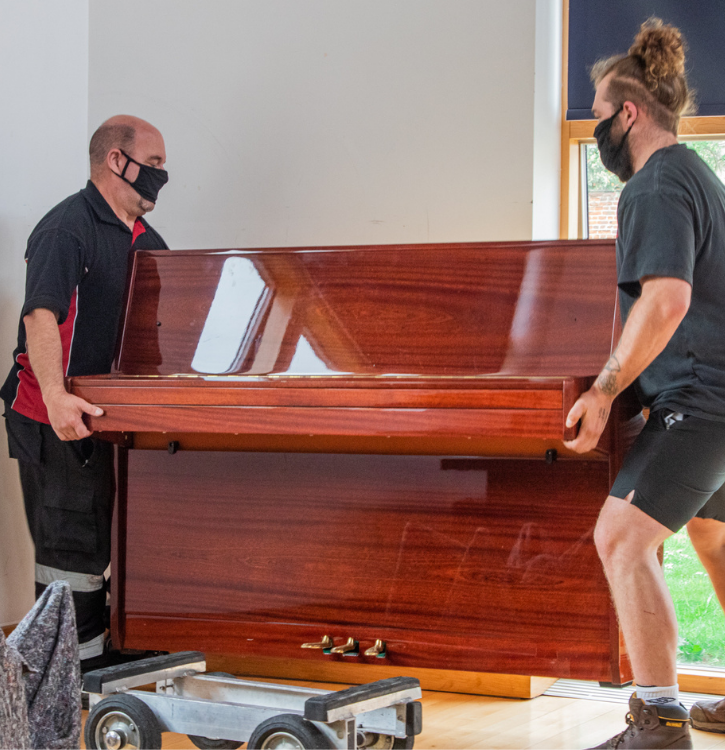
The right gear makes moving a piano safer and faster. You can rent many items cheaply. Use tools made for pianos when possible.
- Piano dolly or heavy-duty appliance dolly with straps for uprights.
- Piano skid board or piano board for grands and better control.
- Moving blankets and stretch wrap to protect varnish and keys.
- Straps, ropes, and ratchet straps to secure the piano.
- Furniture sliders for short indoor moves.
- Gloves, work boots, and back support for movers.
- Basic tools: screwdriver, wrench, and tape measure.
When I moved an upright, the straps and blankets prevented scratches. For a grand, the piano board felt like a bridge. Gear matters. If you lack gear, hire pros.

Step-by-step: Moving an upright piano
An upright piano is easier than a grand but still heavy. Follow these steps for a smooth move.
- Prepare the piano and path.
- Close and lock the keyboard lid.
- Remove fallboard and small loose parts and pack them.
- Wrap the piano with moving blankets and secure with stretch wrap.
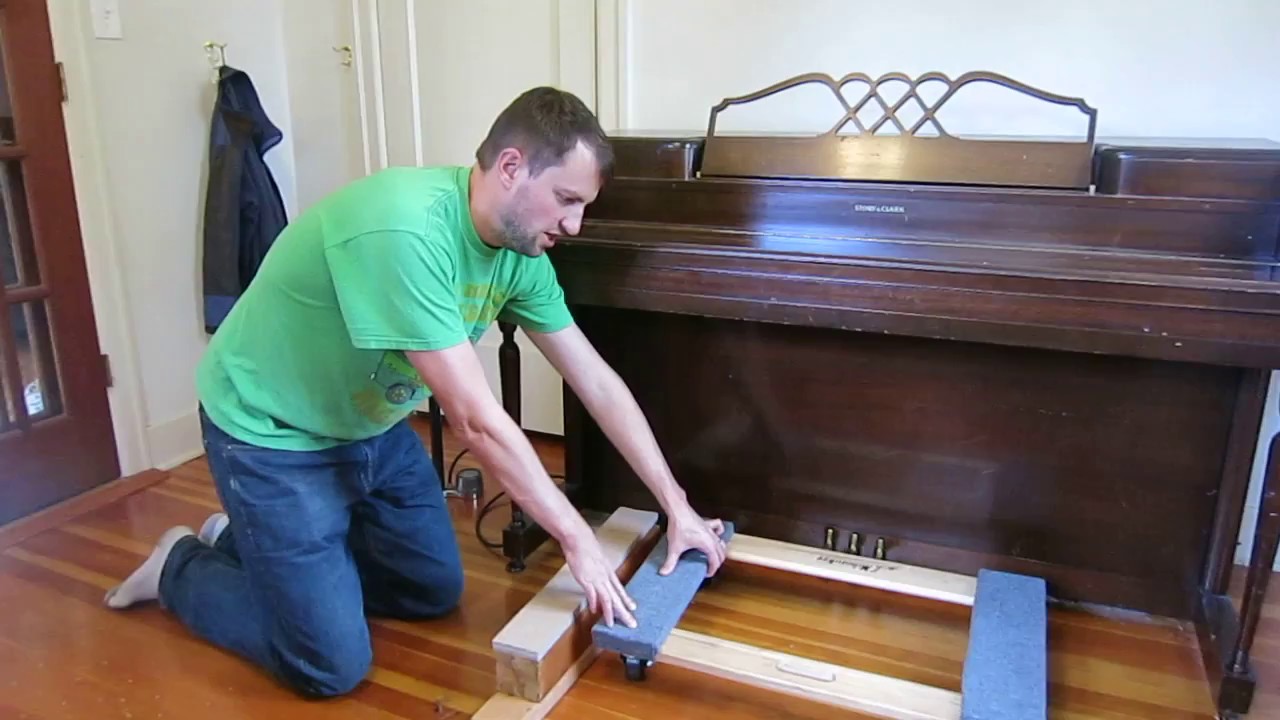
- Position the dolly.
- Tilt the piano back slightly and slide the appliance dolly under the short end.
- Secure with straps to hold the piano to the dolly.
- Move on level ground.
- Keep the piano tilted slightly back. Walk slowly and stop for turns.
- Use furniture sliders indoors for short moves.
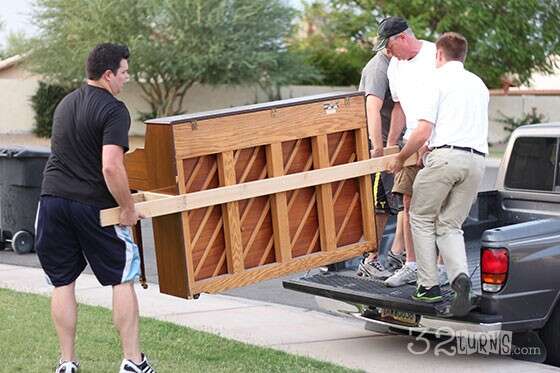
- Loading into a truck.
- Use a ramp. Keep the piano stable and use straps to anchor it in the truck.
- Lay the piano on its side if required by space, but avoid tipping the piano completely on its side unless necessary for a grand.
I learned to always lock straps twice. One move I made with loose straps created a worrying slip. Tight straps save your nerves.

Step-by-step: Moving a grand piano
Moving a grand piano is complex. You are moving the case, legs, and heavy soundboard. Plan more help and better gear.
- Disassemble carefully.
- Remove the legs and pedals. Label each part and pack in padded boxes.
- Remove the music desk and lid if possible.
- Use a piano board or skid board.
- Place the grand on its side on a piano board. Protect the rim with blankets.
- Secure the piano to the board with straps.
- Lift and carry with a team.
- Use 4 to 6 strong movers. One at the head, two or more at the tail, and helpers for doors.
- Move slowly and communicate every step.
- Load into the truck.
- Use a ramp and secure the board with ratchet straps to anchor points.
- Keep the piano level on the board when possible.
I once moved a baby grand with a team of six. Clear commands saved us from a tight corner. If you feel unsure, call a pro.
Moving a piano up or down stairs
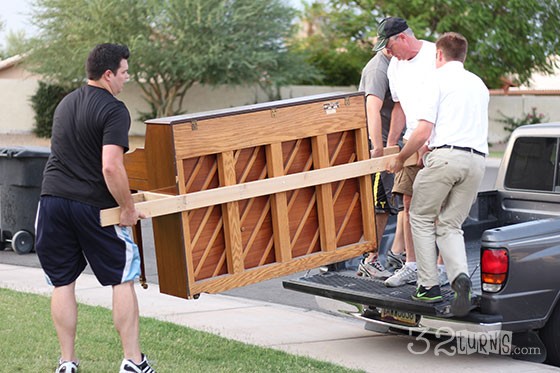
Stairs are the hardest part of how to move a piano. Respect the risk. Use more people and plan each move.
- Assess the staircase: width, landing space, and rail strength.
- Use a stair dolly or sled when available.
- For uprights, tilt and slide step by step with a strong person at the top and bottom.
- For grands, use a winch or expert movers who have stair rigs.
Never attempt a stair move with fewer than three experienced people. I once stopped a stair move because the piano used more space than expected. We postponed and rented a stair dolly. That decision avoided a scrape and big regret.
Safety tips and common mistakes when you move a piano
Safety protects people and the instrument. These tips reflect lessons learned from real moves.
- Never try to move a piano alone.
- Always lift with legs, not back. Use proper body mechanics.
- Use gloves and closed-toe shoes for grip and protection.
- Watch for cables, rugs, and small debris on the path.
- Do not remove castors (wheels) without a plan; some pianos need casters for balance.
- Avoid tipping a piano more than necessary. The internal action and strings can shift.
A common mistake is rushing. Rushing causes slips. Slow, steady steps keep things safe.
Should you hire professional movers or DIY?
Deciding how to move a piano depends on risk, cost, and skill. Be honest about your limits.
- Hire pros when stairs, tight corners, or a grand piano are involved.
- DIY is fine for short moves on level ground with a team and gear.
- Compare quotes, ask about insurance, and read reviews when hiring.
- Expect professionals to charge more but offer liability protection and skill.
I saved money once by DIY for a short move. I also paid for pros when a second-floor job had narrow stairs. Choose the method that matches the risk.

After the move: tuning and care
Moving affects the piano's tuning and parts. Care after the move helps it recover.
- Let the piano acclimate to the new room for 2 weeks before tuning.
- Schedule a professional tuning after moving.
- Check pedals, lid, and casters for tightness and function.
- Inspect for scratches, dents, or loose parts and address them quickly.
After one move, the sound felt dull until the piano had time to settle. A post-move tune brought it back to life.
Frequently Asked Questions of how to move a piano
How many people are needed to move a piano?
Most uprights need at least three strong people. Grands usually need four to six, depending on the size and stairs.
Can I move a piano alone with a dolly?
No. Even with a dolly, a piano is unbalanced and heavy. At least two to three helpers are safer for short, level moves.
How much does it cost to hire professionals to move a piano?
Costs vary by distance, stairs, and piano type. Expect a local move to start around a few hundred dollars and go higher for stairs or long distances.
Will moving a piano damage it?
If moved incorrectly, yes. Damage can be to the finish, pedals, or internal action. Proper packing and handling reduce risk.
How long before I should tune my piano after moving?
Wait about two weeks for humidity and temperature to stabilize, then schedule a tuning. Moving can throw the tuning off, but the instrument needs to settle first.
Is it safe to lay a piano on its side in a truck?
It depends on the type. Uprights are sometimes laid on their sides for short hauls. Grands should be secured on a piano board and kept stable. Always ask a pro if unsure.
Conclusion
Moving a piano is a careful blend of planning, the right gear, and steady teamwork. Measure, protect, and recruit help. For tricky situations, hire professionals to protect people and the instrument. Try one clear action now: measure your route and list the gear you need. If this helped, leave a comment, subscribe for more tips, or share your piano-moving story.

Leave a Reply