How To Clean Sticky Guitar Fretboard After Long Use: Tips
Use a gentle cleaner, soft cloth, and light fretboard oil; scrub buildup gently and condition.
I’ve cleaned dozens of guitars and taught repair techs how to clean sticky guitar fretboard after long use. This guide covers causes, step-by-step cleaning, safe products, and upkeep. Read on to learn exact steps, what to avoid, and real-world tips that keep your fretboard playing smooth and lasting longer.
Why fretboards get sticky after long use
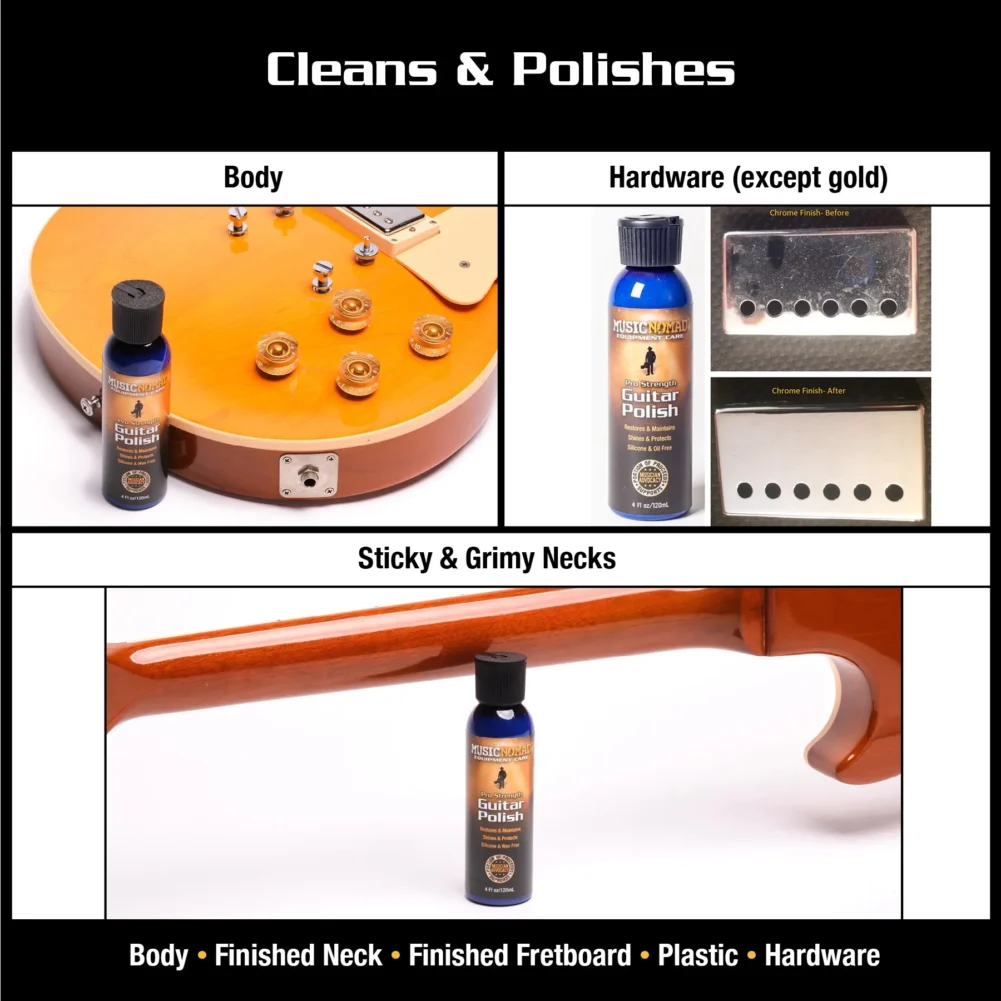
Sticky fretboards form when oils, sweat, dead skin, and grime build up over time. Old strings leave residue. Hand creams, food, and airborne gunk add to the problem. Knowing causes helps pick the right cleaning method and avoid damage.

Supplies and safety for cleaning a sticky fretboard
Use safe, simple gear. Avoid harsh chemicals. Here is what I keep in my kit:
- Soft microfiber cloth for wiping and buffing.
- Toothbrush or soft nylon brush for fret-side grime.
- Clean cotton swabs for tight areas.
- Lemon oil or specialized fretboard conditioner for unfinished wood.
- Mild guitar-safe cleaner for finished maple boards.
- Masking tape to protect frets and body if you plan deep work.
- Gloves if you prefer to avoid skin oils.
Always work in a well-lit, ventilated area. Test any product on a small hidden spot first. This prevents bad surprises.
Step-by-step: how to clean sticky guitar fretboard after long use
Follow these steps for a safe, effective clean. These work for most stickiness problems.
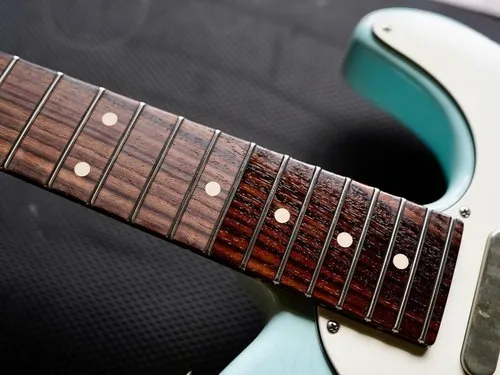
- Remove the strings or loosen them enough to access the whole fretboard.
- Wipe down the neck with a dry microfiber cloth to remove loose dust.
- Use a soft nylon brush to scrub along the frets and between them. Move gently.
- Dampen a cloth with a little water or guitar-safe cleaner for finished boards. Wipe and dry immediately.
- For unfinished rosewood or ebony, apply a few drops of fretboard oil to a cloth and rub in small sections. Let soak for a minute, then wipe excess.
- Polish frets lightly with a clean cloth if needed. Re-string and tune.
These steps answer how to clean sticky guitar fretboard after long use without harming wood or finish.
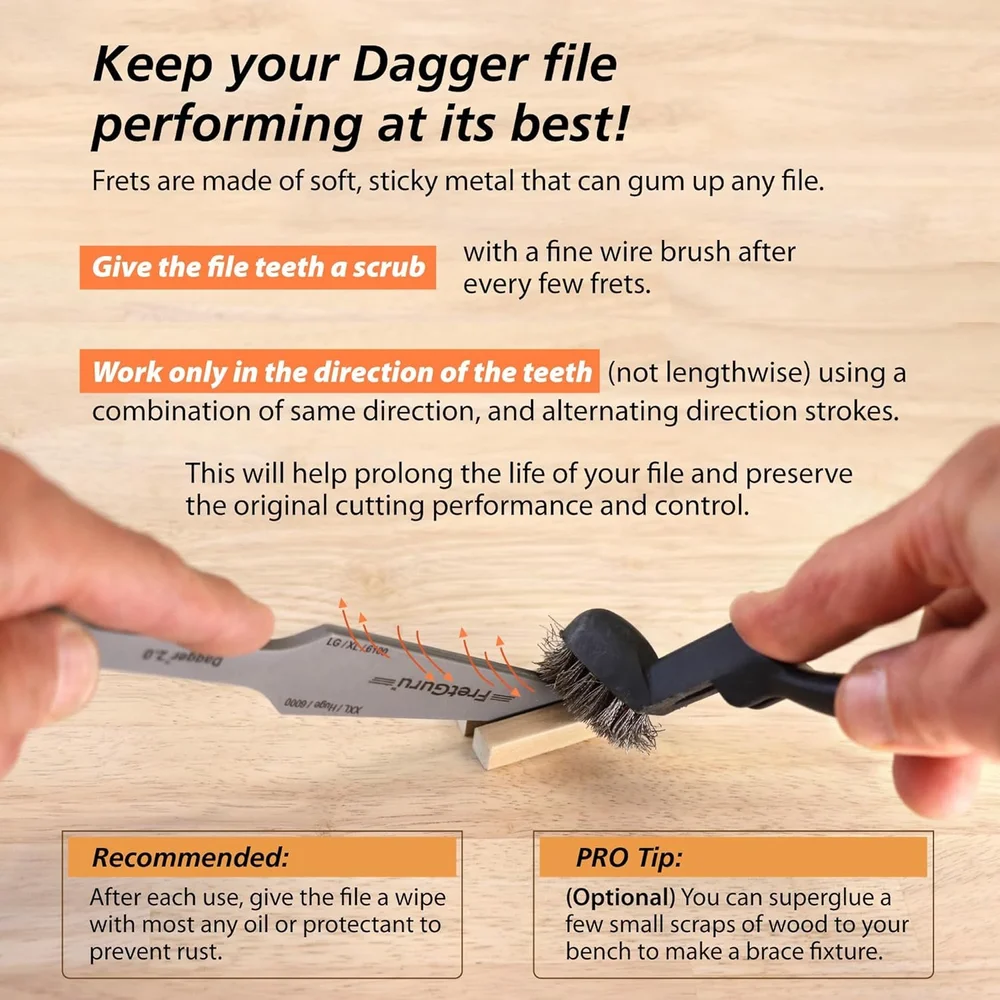
Cleaning different fretboard types: unfinished vs finished
Not all fretboards are the same. Match the method to the material.
-
Unfinished woods (rosewood, ebony)
- Use little water. Prefer oil-based conditioners. They clean and restore oils.
- Avoid heavy soap or abrasive pads. They dry the wood.
-
Finished woods (maple with lacquer)
- Use mild, water-based guitar cleaner. Do not use oil. Oil can leave residue on the finish.
- You can use slightly more pressure but test first.
Choosing the right method is key when learning how to clean sticky guitar fretboard after long use. Wrong choices cause stains or build-up.
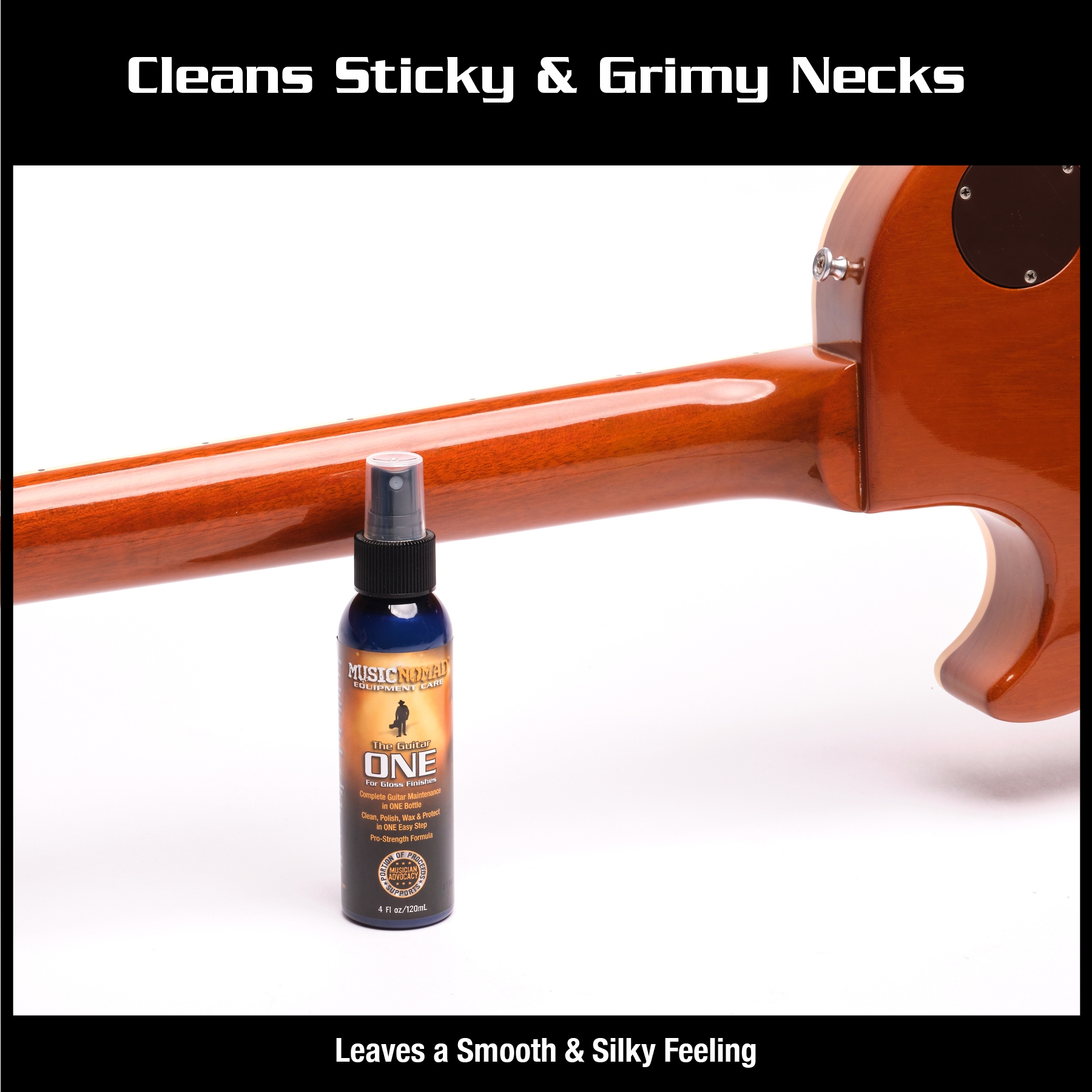
Deep clean and stubborn grime removal
For heavy buildup or very sticky boards, take these extra steps.
- Use a soft toothbrush and a tiny amount of mild dish soap diluted in water on finished boards only. Rinse and dry quickly.
- For unfinished boards, use a small amount of mineral oil or specialized fretboard cleaner applied sparingly. Let it sit, then wipe.
- To remove gunk under frets, gently lift frets is complex work. Leave fretwork to a luthier if you are unsure.
I once tackled a 20-year-old bass with a tacky neck. I removed strings, used light oil, and repeated short sessions. It needed two cleaning passes and a final polish. The board felt new and played better the next day. This is how to clean sticky guitar fretboard after long use without rushing.

Tools and products to avoid
Some items do more harm than good. Avoid:
- Household cleaners that contain ammonia or bleach.
- Straight lemon juice or acetone.
- Steel wool rated higher than 0000 on finished frets without protection.
- Thick waxes or polishes on unfinished wood; they trap dirt.
When in doubt, use products labeled for guitars. That keeps your work safe and predictable.

Maintenance plan to prevent future stickiness
A little care goes a long way. Follow this simple routine:
- Wipe the fretboard after each playing session with a dry cloth.
- Change strings regularly to reduce residue.
- Deep clean and oil unfinished boards every 3–6 months depending on play time.
- For finished maple, clean lightly each change and avoid oiling.
This routine reduces how often you need to deep clean and answers “how to clean sticky guitar fretboard after long use” by making it rare.
People also ask (short answers)
Q: Can I use lemon oil on maple fretboards?
A: No. Maple often has a finish. Use a mild, water-based cleaner instead.
Q: How long does a deep clean take?
A: Expect 20–60 minutes per instrument depending on grime level.
Q: Will oiling darken the fretboard?
A: Yes, oils can darken unfinished wood temporarily as they soak in.
Frequently Asked Questions of how to clean sticky guitar fretboard after long use
What causes a fretboard to become sticky over time?
Sticky fretboards come from skin oils, sweat, lotions, food residue, and old string buildup. Regular play and poor cleaning let grime accumulate.
Is it safe to use alcohol to clean a fretboard?
Use sparingly. Isopropyl alcohol can remove grime but can dry unfinished wood. Avoid frequent use on rosewood or ebony.
How often should I oil my fretboard?
Oil unfinished fretboards every 3–6 months for regular players. Less often for infrequent players. Finished boards do not need oil.
Can I clean the fretboard without removing strings?
Yes for light cleaning. For a deep clean and oiling, remove strings for full access and better results.
When should I see a professional luthier?
See a pro if grime is under frets, if frets need dressing, or if you feel unsure about removing buildup. Luthiers can deep clean safely.
Will cleaning change my guitar’s tone?
A clean fretboard improves playability. It may slightly affect sustain if grime was causing dead spots, but tone change is minimal and positive.
Is sanding a sticky fretboard ever necessary?
Sanding is extreme. It’s only for damaged boards. Regular cleaning and oiling usually fix stickiness without sanding.
Conclusion
You can restore a sticky fretboard with the right steps, safe products, and a light touch. Follow the cleaning steps and match the method to the wood. Keep a short maintenance routine to avoid repeat buildup. Try the steps on one guitar first, then apply them to others. If you found this guide helpful, try cleaning your fretboard today, subscribe for more gear tips, or leave a comment with your experience.

Senior Music Reviewer
Alex Carter is a seasoned music reviewer with over a decade of experience in the world of sound and instruments. Passionate about helping musicians and enthusiasts make informed choices, he brings sharp insights and in-depth knowledge to every review. From classical instruments to modern gear, Alex combines technical expertise with a love for music to deliver content that resonates with readers.
As a Senior Music Reviewer and expert author on Tuneluma.com, Alex is dedicated to sharing honest evaluations, practical advice, and thoughtful commentary to guide readers in their musical journey.