How To Check If Guitar Frets Need Replacement: Quick Test
Look for deep grooves, buzzing, sharp fret edges, and persistent intonation problems.
I’ve spent years setting up, repairing, and playing guitars in studios and on stage. I’ll walk you through exactly how to check if guitar frets need replacement with clear tests, tools, photos to look for, and real-life tips so you can decide whether to dress, refret, or live with the wear. Read on if you want a fast, reliable way to assess fret health and make the right repair choice.
Why frets wear and when replacement matters
Frets wear from strings pressing and rubbing over time. Hard strings, heavy playing, and bending focus wear on specific frets. Environmental shifts and neck relief changes add uneven pressure. Worn frets cause dead notes, buzzing, poor sustain, and bad intonation.
Knowing how to check if guitar frets need replacement saves money and keeps tone consistent. A small groove can be dressed. Deep grooves or broken crowns often mean refret. Understanding the cause helps you choose the right fix.
Common signs to look for when checking frets
These signs tell you how to check if guitar frets need replacement. Use them as a checklist.
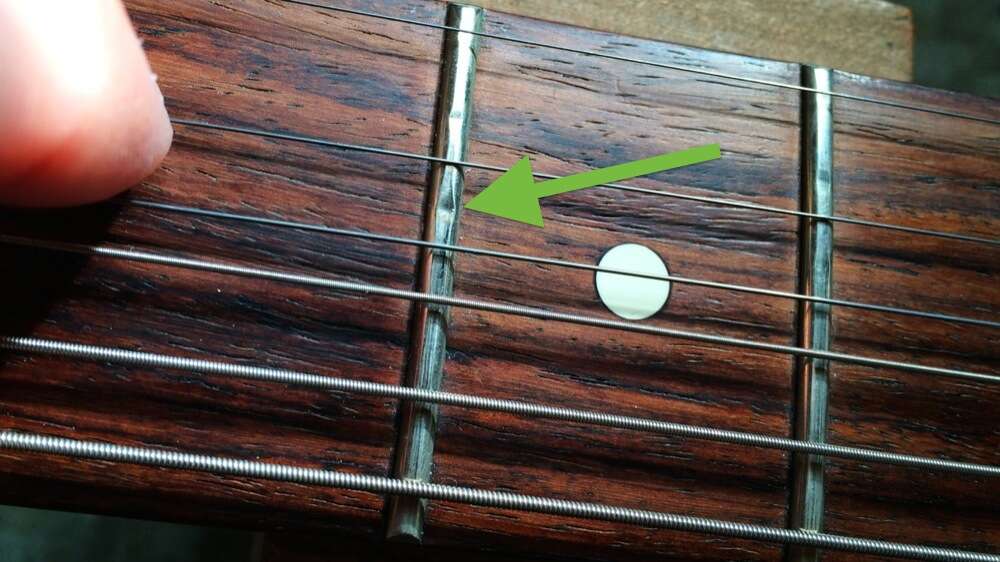
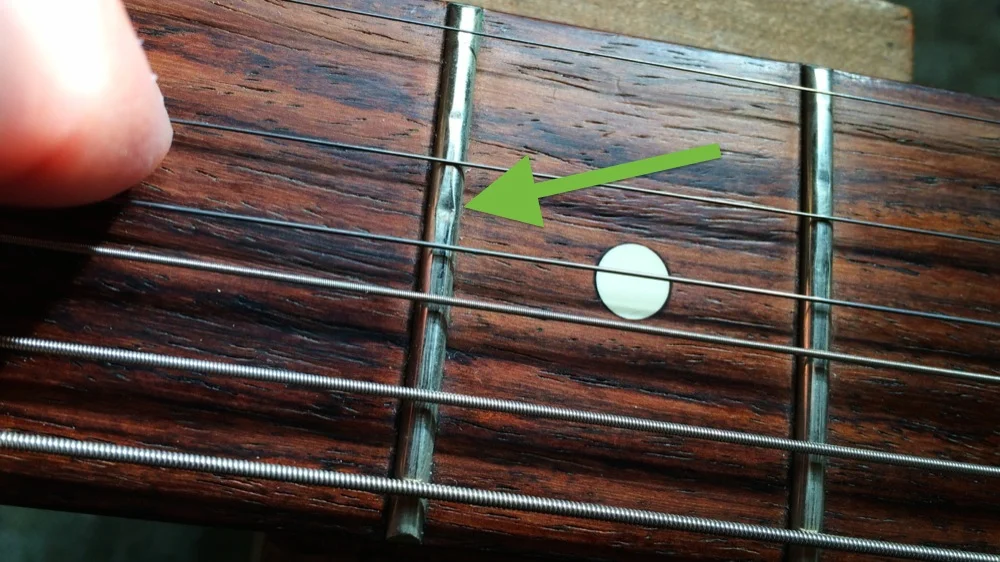
- Visible grooves: Deep divots where strings contact the frets.
- Buzz and dead notes: Single frets sound dull or don’t ring at certain fretted positions.
- Sharp fret ends: Fret tangs protrude or feel sharp along the fingerboard edges.
- Intonation issues: Accurate tuning at open string but wrong notes up the neck.
- Uneven string height: Action seems high on some frets and low on others.
- Frets with flat crowns: Tops are flattened and lose the round contact point.
- Excessive fret wear near common chord positions: Wear around 3rd to 7th frets on many players.
Check each sign carefully. Combining several signs strengthens the case for a replacement.

Tools and measurements to check frets
You don’t need a pro shop for basic checks. These tools will help you confirm whether the frets should be replaced.
- Straightedge: Check neck relief and high frets across three frets at a time.
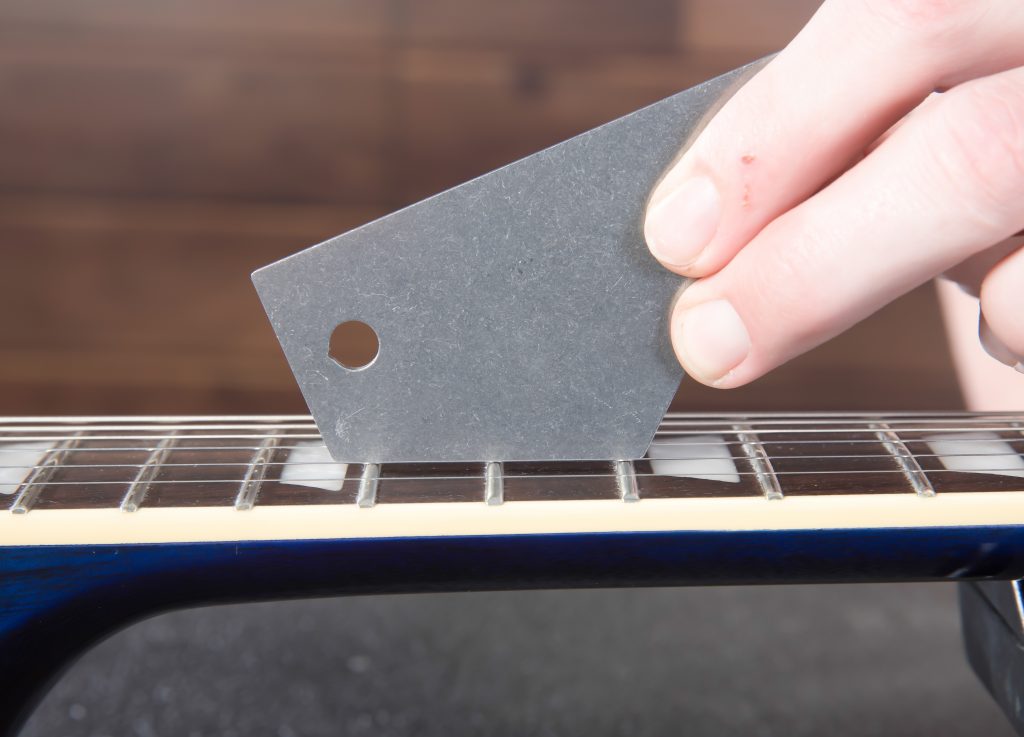
- Fret rocker: Detect a single high fret by spanning three frets.
- Capo and feeler gauges: Measure neck relief and string-to-fret gaps.
- Ruler or action gauge: Measure string height at 12th fret for baseline action.
- Caliper: Measure fret crown height if you know fret specs.
- Magnifier or jeweler’s loupe: Inspect grooves and crown shape.
- Electronic tuner and strobe: Confirm intonation issues precisely.
Using these tools answers the “how to check if guitar frets need replacement” question with data, not guesswork.

Step-by-step: how to check if guitar frets need replacement
Follow this clear workflow. Each step is short and actionable.
- Visual inspection
- Look down the neck under good light. Note grooves, flat tops, and sharp ends.
- Play test
- Play open notes, single fretted notes across all strings, and common chords. Pinpoint dead or buzzing notes.
- Check neck relief
- Capo at first fret, press last fret, measure at 8th–10th. Too much or too little relief affects fret contact.
- Use a fret rocker
- Place it across any three adjacent frets. Rocking means the middle fret is high; no rock means level. Repeat all over the neck.
- Measure action and intonation
- Compare action at 12th fret to the factory spec. Tune and check intonation at 12th fret; significant offset can indicate worn frets.
- Inspect fret crowns
- Use a magnifier. Rounded crowns give good contact. Flat crowns mean less precise contact and often more wear.
- Check fret ends and binding
- Run a finger along the side of the neck. Sharp or lifted ends often point to fret leveling or refret needs.
- Decide based on thresholds
- Minor grooves: dress and re-crown. Deep grooves, thin fret wire, or alloy fatigue: refret.
This methodical approach answers how to check if guitar frets need replacement and gives you clear next steps.

Fret wear thresholds and decision guide: repair vs replace
Here is a practical rule set for decisions.
- Light wear only
- Symptoms: shallow grooves, slight flat spots. Fix: fret dressing and re-crowning.
- Moderate wear
- Symptoms: noticeable intonation shifts, some dead notes. Fix: partial refret (slots) or targeted fret replacement.
- Severe wear or thin wire
- Symptoms: crowns gone, fret height under safe limit, exposed fret tang, loose frets. Fix: full refret.
- Cosmetic or isolated issues
- Symptoms: single damaged fret or sharp edge. Fix: replace one fret or refinish edges.
Cost and time
- Simple dressing: low cost, 30–60 minutes for a tech.
- Partial refret: mid cost, 2–6 hours.
- Full refret: higher cost, 1–3 days depending on shop and complexity.
When you check how to check if guitar frets need replacement, weigh cost, tone goals, and instrument value. Vintage guitars demand more careful decisions.

How to extend fret life: maintenance and upgrades
Protecting frets reduces the need to replace them.
- Change strings regularly: Old strings are corroded and wear faster.
- Wipe strings and frets after playing: Sweat and grime speed wear.
- Use lighter gauge if you want less pressure: Heavier gauges wear frets faster.
- Consider stainless steel frets: They last longer but are harder to work on.
- Smooth sharp edges early: Small touch-ups prevent bigger damage.
- Keep humidity stable: Extreme swings can shift the neck and increase fret stress.
These practices help your frets stay healthy and delay replacement.
Personal experience and real-life tips
I once played a road guitar that looked fine but buzzed at the fifth and seventh frets. The player had heavy bends and stainless strings. A quick inspection showed deep grooves under the G and B strings. I tried a fret dress. The tone improved but intonation still drifted. We chose a partial refret for those worn frets. The guitar played like new and stayed stable for years.
Lessons learned
- Don’t guess: test and measure.
- Fix the cause: replace strings or correct neck relief before refret if needed.
- Ask a tech for vintage or high-value instruments.
These tips come from hands-on work. They show practical ways to check how to check if guitar frets need replacement and make the right call.

Frequently Asked Questions of how to check if guitar frets need replacement
How can I tell if a fret has a groove deep enough to need replacement?
If the groove is deep enough that the string sits in it and notes choke or lose sustain, it often needs more than a dress. Compare crown shape across frets to spot deep wear.
Can I just level frets instead of replacing them?
Leveling helps when crowns are flattened but enough metal remains. If fret height is too low after leveling, replacement is necessary to restore playability and intonation.
How long do frets usually last on a regular-play guitar?
With moderate play and good care, frets can last many years. Heavy daily play, hard bends, and corrosive sweat shorten life and may require attention within 2–6 years.
Will stainless steel frets prevent the need to replace frets?
Stainless frets last longer and resist wear, but they still can wear or get damaged. They also make dressing and refret work more difficult and costly.
Is a buzzing note always a sign of worn frets?
Not always. Buzz can come from neck relief, a high fret, loose hardware, or pickup height. Use a fret rocker and relief check to isolate worn frets.
Can I do a fret check at home without tools?
Yes. A bright light, good eye, and playing tests reveal many issues. For precise decisions, add a straightedge, ruler, or fret rocker to your kit.
Conclusion
You now have a clear, practical path to find out how to check if guitar frets need replacement. Start with a visual and play test, use simple tools for measurements, and follow the decision guide for dress, partial refret, or full refret. Take small steps: measure, document, then decide. If in doubt, consult a trusted repair tech—especially for vintage or high-value instruments. Try the checks on your guitar this week, note what you find, and share your results or questions in the comments or by subscribing for more hands-on guides.

Senior Music Reviewer
Alex Carter is a seasoned music reviewer with over a decade of experience in the world of sound and instruments. Passionate about helping musicians and enthusiasts make informed choices, he brings sharp insights and in-depth knowledge to every review. From classical instruments to modern gear, Alex combines technical expertise with a love for music to deliver content that resonates with readers.
As a Senior Music Reviewer and expert author on Tuneluma.com, Alex is dedicated to sharing honest evaluations, practical advice, and thoughtful commentary to guide readers in their musical journey.