How To Check If A Used Piano Is Worth Buying: Buyer’s Guide
Check the case, keys, soundboard, action, and hire a tech for a pre-purchase inspection.
I’ve spent years buying, selling, and servicing pianos, so I know exactly how to check if a used piano is worth buying. This guide breaks down practical tests, warning signs, cost estimates, and real-world tips so you can evaluate any instrument with confidence. Read on to learn step-by-step how to check if a used piano is worth buying and walk away with a smart purchase.

What to look for when inspecting a used piano
Start with the big picture, then move to details. When you want to know how to check if a used piano is worth buying, use a methodical approach. Look at condition, sound, playability, history, and cost.
- Case and finish: Scratches, cracks, or separated veneers can be cosmetic or signal humidity trouble.
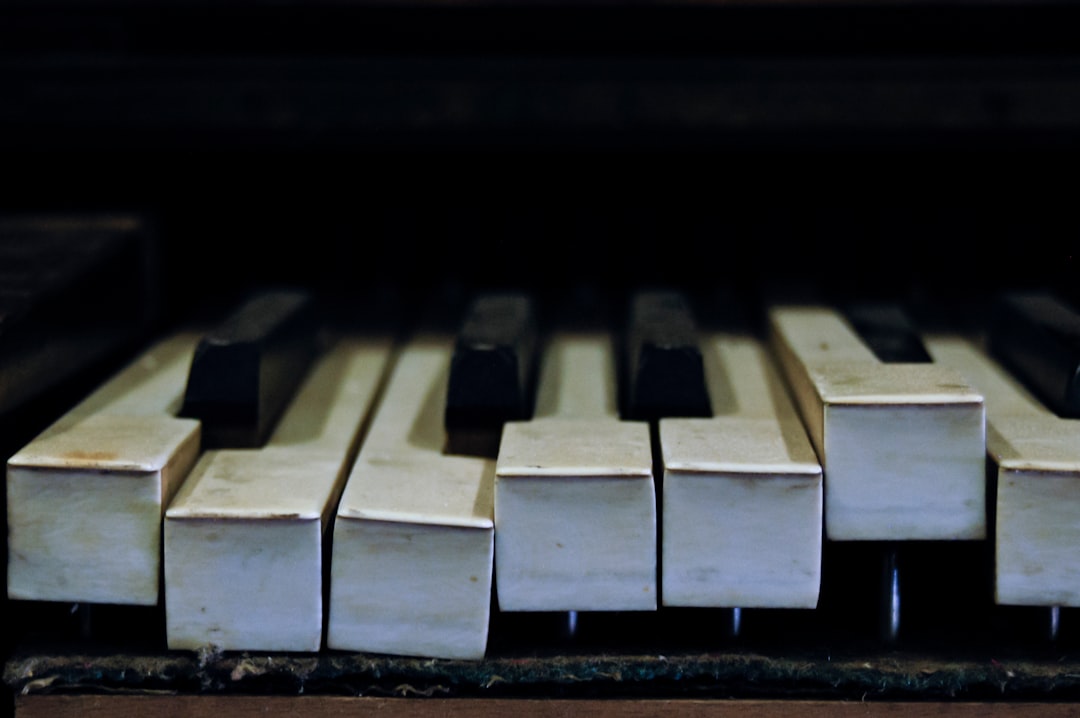
- Keys and keyboard: Check for stuck, wobbly, or yellowed keys. Test the feel across the entire keyboard.
- Action and hammers: Listen for buzzing, muffled tones, or inconsistent hammer strikes.
- Soundboard and bridges: Look for large cracks or separated bridges. Small hairline cracks often aren’t fatal.
- Strings and tuning pins: Heavy rust or loose pins are red flags and raise repair costs.
- Pedals and hardware: Make sure sustain and soft pedals work smoothly.
- Tone and pitch: Play scales and chords. Check for dead notes, uneven tone, or notes that don’t sustain.
- Brand and age: Good brands and well-kept older instruments can hold value; unknown brands may not.
- Serial number and history: Ask for tuning records, service history, and proof of purchase if available.
- Environment clues: Evidence of smoke, pets, or water damage reduces value and can harm the instrument over time.

Step-by-step inspection checklist
Follow this practical sequence to evaluate any used piano. Keep notes and photos as you go.
- Visual walkaround
- Inspect the cabinet, legs, and finish.
- Look under the piano for mold or water stains.
- Keyboard test
- Press each key slowly and quickly.
- Note keys that stick, bind, or feel uneven.
- Sound and tone check
- Play scales, arpeggios, and octaves.
- Listen for dead notes or buzzes.
- Action and responsiveness
- Play repeated notes and fast passages.
- Check for sluggish or noisy action parts.
- Pedals and mechanics
- Test sustain, sostenuto (if present), and soft pedals.
- Check for metal corrosion or squeaks.
- Open the lid (if possible)
- Inspect hammers, strings, tuning pins, soundboard, and bridges.
- Smell for mildew, smoke, or strong odors.
- Tuning stability
- Ask when it was last tuned. If it’s far out of tune, plan cost to bring it up to pitch.
- Ask about history
- Request service records, moving history, and reason for sale.
- Check serial number and model
- Compare age and typical value for that brand/model.
- Get a pro opinion
- If unsure, hire a technician for a pre-purchase inspection.
How much will repairs and tuning cost?
Knowing typical repair costs helps determine if the price is fair. When learning how to check if a used piano is worth buying, estimate repairs before negotiating.
- Tuning: Expect a standard tuning to cost between $100 and $200. An old piano far from pitch may need multiple tunings.
- Action regulation: Adjusting action can range from $200 to $600 depending on work needed.
- Voicing and hammer reshaping: Typically $100 to $400.
- Replacing strings or tuning pins: Partial restringing is $300–$1,000; full restringing is much higher.
- Soundboard or bridge repair: These are major jobs and can cost $1,000–$5,000. In many cases, a large soundboard crack lowers the piano’s value significantly.
- Complete overhaul (rebuilding): For many mid-range pianos, a full rebuild can exceed the piano’s market value and often isn’t cost-effective.
Tip: Add repair estimates to the asking price. If total cost approaches or exceeds replacement prices for similar models, walk away.
Value vs price: how to decide if the purchase makes sense
Price alone doesn’t tell you if a piano is worth buying. When figuring out how to check if a used piano is worth buying, weigh all factors together.
- Market value: Compare similar models and conditions online and at local dealers.
- Replacement cost: New uprights and consoles have a clear retail price; use this as a baseline.
- Rarity and brand premium: High-end brands hold value. Older, well-made instruments from renowned makers can be worth restoring.
- Emotional vs financial value: If you want a project instrument or love a particular tone, that matters — but factor in repair costs.
- Long-term ownership: If you plan to keep the piano for years, investing in repairs can be smart. If you plan to resell soon, only buy at a deep discount.
Practical rule: Aim for a purchase price plus repair costs that is well below comparable restored value. If it’s not, the piano may not be worth buying.

When to bring a professional and what to ask them
A trained piano technician saves time, money, and mistakes. Knowing how to check if a used piano is worth buying includes getting a pro when in doubt.
- When to call a technician
- You see structural issues, big soundboard cracks, or suspect major repairs.
- The piano needs a full overhaul or you’re paying a high price.
- What to ask the technician
- Is the soundboard and bridge structurally sound?
- Are tuning pins tight and strings in good condition?
- What is the realistic cost to bring the piano to concert pitch and stable tuning?
- Would a partial repair be worthwhile or does the piano need a rebuild?
- Pre-purchase inspection report
- Ask for a simple written report listing issues and cost estimates.
- Use the report to negotiate or walk away.

Personal experiences and common mistakes
I’ve seen good pianos sold cheap and poor ones priced high. Learning how to check if a used piano is worth buying takes experience. Here are lessons I learned on the road.
- Story: I once bought a beloved upright with a small soundboard crack. The owner said it was fine. After a year, the crack widened and required costly repair. I learned to treat soundboard issues as major red flags.
- Common mistake: Rushing because the piano “sounds fine” in a quick demo. Some problems appear only across many notes or after prolonged play.
- Common mistake: Ignoring the environment. A piano that lived in a damp basement or smoky room often carries hidden problems.
- Tip: Bring a recording device or phone and record scales and single notes. Playback can reveal problems you missed live.
- Tip: If you love tone over mechanics, buy a unit with strong tone and plan mechanical work later. If you need a ready-to-play piano, prioritize action and tuning stability.

Frequently Asked Questions of how to check if a used piano is worth buying
How can I quickly tell if a used piano is in good condition?
Look for visual damage, test all keys and pedals, and play scales across the keyboard. If multiple keys feel off or many notes sound dead, that signals deeper issues.
Is an old piano always a bad buy?
Not always. Older pianos from reputable makers can be worth restoring if their structure is intact, but age often increases the chance of costly repairs.
Should I always hire a piano technician before buying?
If you are not experienced, yes. A technician can spot hidden problems and provide repair cost estimates that inform your decision.
How much should I expect to spend on a typical used upright piano?
Basic tunings are $100–$200, minor repairs a few hundred dollars, and more extensive work in the thousands. Total depends on condition and model.
Does brand matter when evaluating a used piano?
Yes. Well-known brands generally retain value and have more available parts. Unknown or cheap brands may be harder to service and resell.
Can humidity damage make a piano worthless?
Severe humidity damage can be very costly to fix. Swollen keys, rusted strings, warped soundboards, or separated bridges are all signs of serious humidity problems.
Conclusion
Checking a used piano comes down to careful inspection, realistic repair estimates, and knowing when to call a professional. Use the step-by-step checklist, test the keys and sound, inspect the internal parts, and compare the total cost against replacement and restored values. If you follow these steps, you’ll be able to decide confidently whether a used piano is worth buying.
Take action: use this guide on your next piano visit, get a technician’s opinion when needed, and leave a comment below about your experiences or questions.

Senior Music Reviewer
Alex Carter is a seasoned music reviewer with over a decade of experience in the world of sound and instruments. Passionate about helping musicians and enthusiasts make informed choices, he brings sharp insights and in-depth knowledge to every review. From classical instruments to modern gear, Alex combines technical expertise with a love for music to deliver content that resonates with readers.
As a Senior Music Reviewer and expert author on Tuneluma.com, Alex is dedicated to sharing honest evaluations, practical advice, and thoughtful commentary to guide readers in their musical journey.