

If you’ve ever wondered how often should I replace guitar strings, you’re not alone. In fact, this is one of the first questions most beginners ask me, and honestly, I get why. When you pick up your guitar and play a chord, you want it to sound clear, bright, and full. But over time, strings lose their shine, tone fades, and playing becomes less smooth. And even though this happens slowly, you always reach that moment where something just feels “off.”
I still remember the first time I dealt with this myself. I picked up my old acoustic guitar one morning, strummed a G chord, and instantly knew something wasn’t right. The sound was dull, the strings felt sticky, and tuning took forever. That day I learned how much fresh strings matter — and I’ve been helping beginners understand this ever since.
So today, I’m talking directly to you — like we’re sitting in the same room, guitar in hand — and I’m going to break down everything you need to know. By the end of this guide, you’ll know not only how often to change your guitar strings, but also why, how, and what to choose for your playing style.
Let’s get started.
Why Guitar Strings Matter More Than Most Beginners Realize
A guitar is only as good as its strings. Even a cheap guitar can sound great with the right strings, while an expensive guitar can sound lifeless with old ones. Strings affect everything:
- Tone
- Tuning stability
- Comfort
- Sustain
- Responsiveness
- Playability
And because strings are the single most interacted-with part of the instrument, beginners sometimes overlook how quickly they wear out. You’re constantly pressing them, bending them, sweating on them, and exposing them to air, moisture, and oils. Every play session slowly changes them — even if you don’t notice it right away.
And trust me, I’ve played long enough to know: even the cleanest, most careful guitar player eventually wears out strings.
What Determines How Often You Should Replace Guitar Strings?
Let’s break down the real factors that influence guitar string lifespan. Because although the question “how often should I replace guitar strings?” sounds simple, the answer depends on several things.
How Playing Frequency Impacts String Life
The more you play, the faster strings wear out — pretty straightforward, right? But here’s how it breaks down:
Daily players
If you play every day, expect to change strings every 2–4 weeks.
Sweat, friction, finger oils, and bending all speed up wear.
Several times weekly
You might get 4–8 weeks before tone noticeably fades.
Occasional players
If you play only a couple of times a month, strings may last 3–6 months.
But even with light use, strings still age naturally due to:
- Humidity
- Temperature changes
- Oxidation
- Rust
- Dust
A guitar doesn’t have to be played for strings to get old.
How String Material Affects Durability
This is where things get interesting. Different strings last for different lengths of time based on the metal and coating.
Uncoated strings
- Bright, natural tone
- Shorter lifespan
- Common options: nickel (electric), bronze (acoustic)
Uncoated strings usually last:
- 2–4 weeks for regular players
- 6–8 weeks for casual players
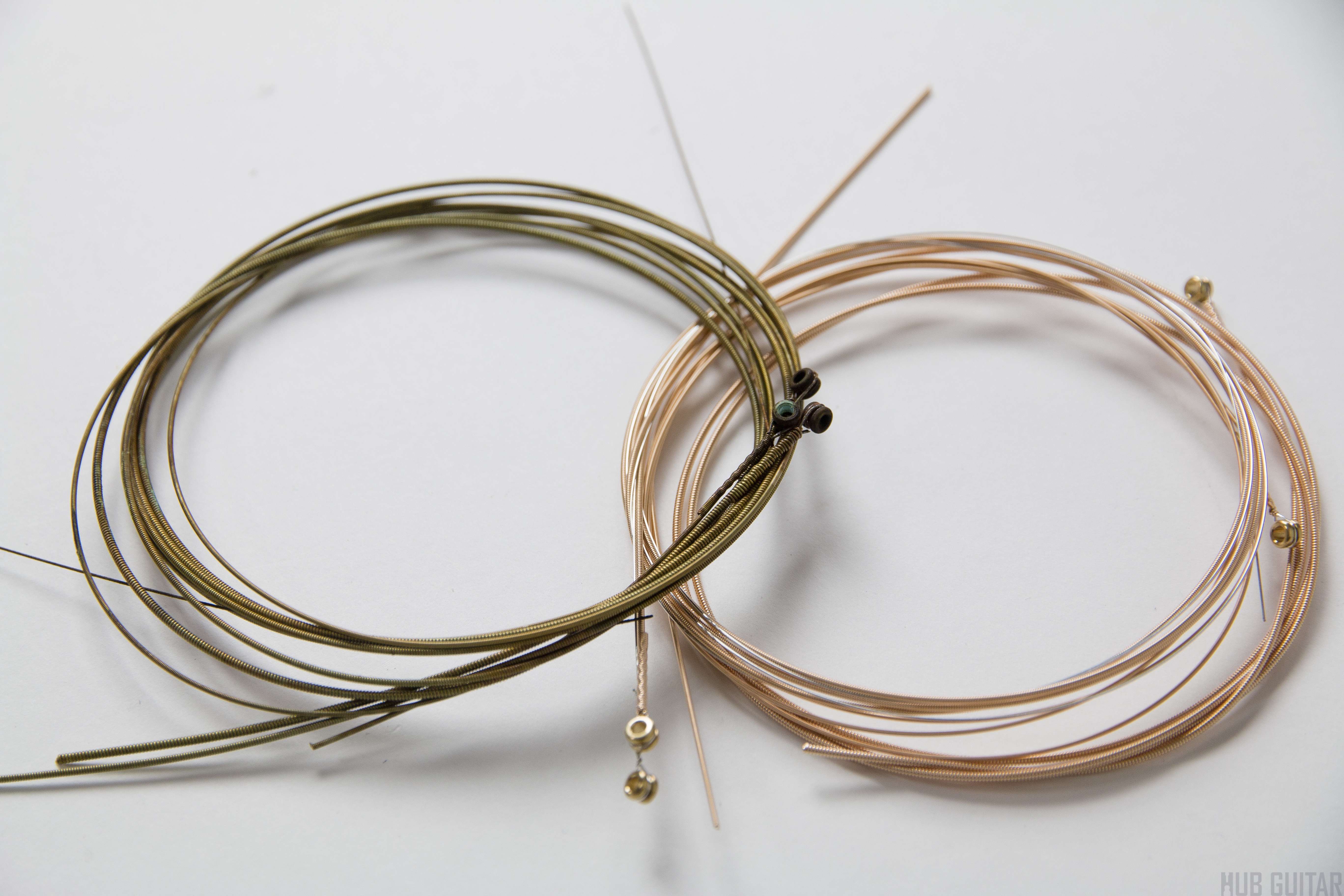
Coated strings (like Elixir or D’Addario XS)
- Last 2–3× longer
- Resist sweat, dirt, and oxidation
- Smoother feel
I personally switched to coated strings after a sweaty summer tour where uncoated strings died within days. Once I changed to Elixir Nanoweb strings, I got almost three times the lifespan — and my setup routine became so much easier.
Stainless steel
- Super bright tone
- Higher resistance to corrosion
- More durable than nickel
Excellent for players who sweat a lot.
Phosphor bronze vs 80/20 bronze (acoustic)
- Phosphor bronze lasts longer and sounds warmer
- 80/20 bronze is brighter but ages quicker
Related keyword woven naturally: guitar string lifespan.
How Environment Affects String Longevity
Many beginners overlook this, but the environment you live in matters a lot.
Humidity
High humidity causes strings to corrode faster.
Dry climates
Dry air makes strings brittle.
Temperature changes
Sudden changes weaken metal and break tuning stability.
Sweaty hands
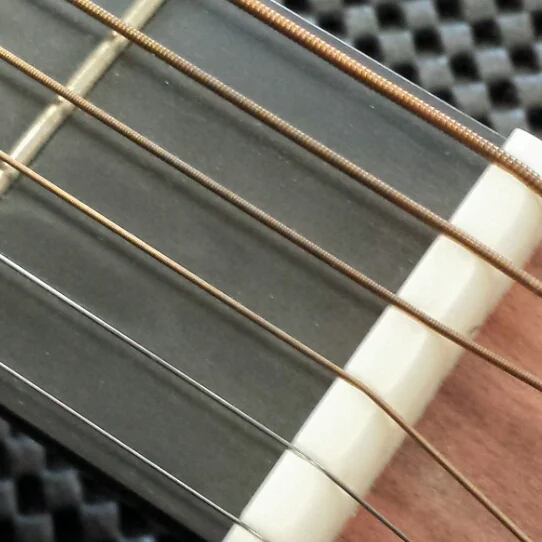
Some players have more acidic sweat — meaning strings die in days, not weeks.
I once taught a student whose hands were incredibly acidic. His strings rusted in under a week. Once he switched to coated strings, everything improved.
Credit: www.13thstreetguitars.com
Clear Signs You Need to Replace Guitar Strings
Now let’s look at the real-world signs beginners can detect.
Your Tone Sounds Dull
You strum a chord… and it just falls flat.
No sparkle. No brightness. No life.
Old strings lose:
- Sustain
- Clarity
- Volume
- Richness
If the sound makes you feel less inspired to play, it’s time for new strings.
Strings Look Dirty or Rusted
Brown, dark, or uneven coloring means oxidation.
Rust is a major red flag — especially if you see:
- Red spots
- Flaky texture
- Darkened metal
- Grime buildup
Related term included naturally: rusty guitar strings.
Never keep rusty strings on your guitar. They:
- Break easier
- Sound worse
- Can cut your fingers
- Damage frets over time
Your Guitar Won’t Stay in Tune
If you keep tuning and retuning but the pitch drifts again:
- The strings are stretched out
- The metal has fatigued
- They can no longer hold tension
Tuning instability almost always means the strings are too old.
Strings Feel Rough or Sticky
Slide your fingers across them.
If they feel:
- Rough
- Sticky
- Dirty
- Grainy
…then the winding is wearing down or it’s full of dirt and grime.
I remember once running my thumb along my low E string and feeling tiny bumps. I didn’t realize until later that the winding was literally starting to unwind — a sign I should have changed the strings long before.
Recommended Replacement Intervals for Every Type of Player
Let’s break it down clearly so you know exactly what’s normal.
Casual Players
If you play 1–2 times a week:
➡️ Replace strings every 8–12 weeks
➡️ Clean strings to extend life
Related keyword woven: beginner guitar maintenance.
Intermediate or Frequent Players
If you play 3–5 days weekly:
➡️ Replace strings every 4–6 weeks
Gigging Musicians
Live performances require reliable tone.
➡️ Replace strings every 1–2 weeks
➡️ Many pros replace them before every show
Studio Guitarists
➡️ Replace strings before each recording session
Fresh strings ensure:
- Bright, consistent tone
- No unwanted buzzing
- Perfect clarity
Acoustic vs Electric Guitars
Acoustic strings lose brightness faster because:
- Bronze alloys oxidize quickly
- Acoustic tone relies heavily on string quality
Electric guitar strings last a little longer, especially nickel-plated ones.
How to Make Your Guitar Strings Last Longer
If you want to change strings less often, here’s how.
Wash Your Hands Before Playing
Clean hands dramatically increase string lifespan.
Why? Because they remove:
- Sweat
- Oils
- Dust
- Lotion residue
Even a 10-second rinse helps.
Wipe Down Strings After Playing
A clean microfiber cloth works perfectly.
Do this after every session:
- Grab cloth
- Pinch strings
- Wipe from bridge to nut
This removes moisture and salts that cause rust.
Use String Cleaner or Lubricant
Not required, but very helpful.
Products from companies like Music Nomad extend life and improve feel.
Consider Coated Strings
If you:
- Sweat a lot
- Live in humid or coastal areas
- Want longer string life
…coated strings are your new best friend.
My acoustic guitars almost always use Elixir phosphor bronze coated strings. They last me 3× longer, even during tours.
Store Your Guitar Properly
Keep it:
- In a case
- Away from sunlight
- Away from moisture
- At stable room temperature
Avoid:
- Basements
- Attics
- Garages
- Direct heat
Even small humidity changes affect string lifespan.

Credit: acousticguitar.com
Choosing the Right Strings for Your Play Style
Let’s help you choose your next set.
Understanding String Gauge
String gauge refers to thickness.
Light gauge
- Easier to play
- Softer on fingers
- Great for beginners
- Perfect for bending
Medium gauge
- More volume
- Thicker feel
- Better for strumming
Heavy gauge
- More tension
- Louder and fuller
- Great for drop tunings
String Materials Explained
Nickel-plated steel (electric)
- Balanced tone
- Smooth feel
Stainless steel (electric)
- Bright
- Very long-lasting
80/20 bronze (acoustic)
- Very bright tone
- Shorter lifespan
Phosphor bronze (acoustic)
- Warm
- Longer-lasting
Coated vs Uncoated Strings
Coated
- Last longer
- Feel smoother
- Resist corrosion
Uncoated
- Brighter
- More traditional feel
- Cheaper
If you hate changing strings, coated strings are worth every penny.
How to Replace Guitar Strings (Beginner-Friendly Guide)
Let’s make the process simple.
Changing All Strings at Once
Pros:
- Fast
- Easy to clean fretboard
- Perfect for full maintenance
Cons:
- Neck tension changes temporarily
Changing One String at a Time
Safer for beginners because:
- Tension stays stable
- Lower risk of mistakes
- Easier to keep track
How to Stretch New Strings Properly
This is the key to stable tuning.
- Tune string to pitch
- Gently pull it upward
- Retune
- Repeat 2–3 times
This removes slack and helps strings settle quickly.
Advanced Insights: How Professionals Handle String Care
Here’s what separates hobbyists from pros.
Touring Guitarists
They change strings constantly because:
- Hot stage lights = sweat
- Long sets = friction
- Travel = humidity changes
Some touring players change strings daily.
Studio Engineers and Guitar Techs
Recording needs perfect tone.
Most studios install fresh strings every session, especially for acoustic guitars.
Recommendations From Guitar Brands
Fender
Suggests regular replacement to maintain clarity and stability.
Taylor Guitars
Emphasizes humidity control and proper maintenance.
D’Addario
Provides durability ratings and corrosion-resistant options.
Credit: hubguitar.com
My Personal Experience After Years of Playing
I’ve learned a lot through trial and error.
Here are two experiences that shaped how I care for my strings.
The Time My Strings Snapped Mid-Show
During a local gig, I broke the high E string in the first song. Why? Because I had put off changing strings for weeks. The tone was awful, and tuning drifted constantly. That night taught me that fresh strings aren’t optional — they’re essential.
Switching to Coated Strings Changed Everything
The moment I tried coated strings, I realized how much time I had wasted changing uncoated ones. My lifespan tripled, tone stayed consistent, and gigs became easier.
Common Beginner Mistakes With Guitar Strings
Avoid:
- Never cleaning strings
- Leaving strings on for months
- Over-tightening
- Not stretching new strings
- Leaving guitars out of the case
- Ignoring rust
These small mistakes lead to bigger problems.
Frequently Asked Questions
1. How do I know when my guitar strings need replacing?
You know it’s time to replace your guitar strings when they sound dull, feel rough, look dark or rusty, or refuse to stay in tune despite frequent adjustment. These signs show the metal has weakened and cannot produce clean tone or hold tension anymore.
2. Can old guitar strings damage my guitar?
Old strings can damage your guitar by shedding metal debris, corroding, or scratching your frets as they degrade. While not always severe, this long-term wear can reduce playability and eventually require costly fret repair if ignored for too long.
3. Should beginners change strings more often?
Beginners should change strings more often because they press harder, practice more inconsistently, and often have less precise technique, which accelerates wear. Fresh strings also improve tone and comfort, making learning easier and more enjoyable overall.
4. Are coated strings worth it for beginners?
Coated strings are worth it for beginners because they last longer, resist sweat and corrosion, and feel smoother on sore fingers. Although they cost a little more, they reduce maintenance needs and stay sounding good much longer, saving time and frustration.
5. How long do acoustic guitar strings last compared to electric?
Acoustic guitar strings usually last less time than electric guitar strings because bronze alloys oxidize faster than nickel. On average, acoustic strings lose brightness within weeks, while electric strings may last longer depending on use, sweat, and environment.
6. Does sweat really ruin guitar strings?
Yes, sweat ruins guitar strings by causing corrosion, rust, and rapid buildup of dirt and oils. Players with acidic sweat can destroy strings in only a few days, which is why wiping down strings and washing hands before playing makes such a big difference.
7. Can I clean rusty guitar strings or should I replace them?
Rusty guitar strings should be replaced because rust weakens the metal, dulls the tone, and increases breakage risk. While you can wipe away surface grime, corrosion changes the structure of the string, making cleaning ineffective and unsafe for long-term playing.
8. Do expensive guitar strings last longer?
Expensive guitar strings do not always last longer, but higher-end coated strings often provide extended lifespan and more stable tone. The durability depends more on material and construction than price alone, so choose based on your playing needs rather than cost.
Conclusion: Keep Your Guitar Sounding Its Best
So now you know exactly how often you should replace guitar strings, what affects their lifespan, and how to extend it. Strings are the heart of your guitar’s sound. Fresh strings make you feel inspired, help you play better, and bring out the true voice of your instrument.
Remember:
- If tone fades → change strings
- If tuning drifts → change strings
- If they look rough or rusty → change strings
- If playing feels harder → change strings
Once you get into a rhythm with string changes, your guitar will sound better, feel better, and motivate you to keep playing every day.
And trust me — nothing beats the feeling of strumming a fresh set of strings.

Senior Music Reviewer
Alex Carter is a seasoned music reviewer with over a decade of experience in the world of sound and instruments. Passionate about helping musicians and enthusiasts make informed choices, he brings sharp insights and in-depth knowledge to every review. From classical instruments to modern gear, Alex combines technical expertise with a love for music to deliver content that resonates with readers.
As a Senior Music Reviewer and expert author on Tuneluma.com, Alex is dedicated to sharing honest evaluations, practical advice, and thoughtful commentary to guide readers in their musical journey.
Leave a Reply