
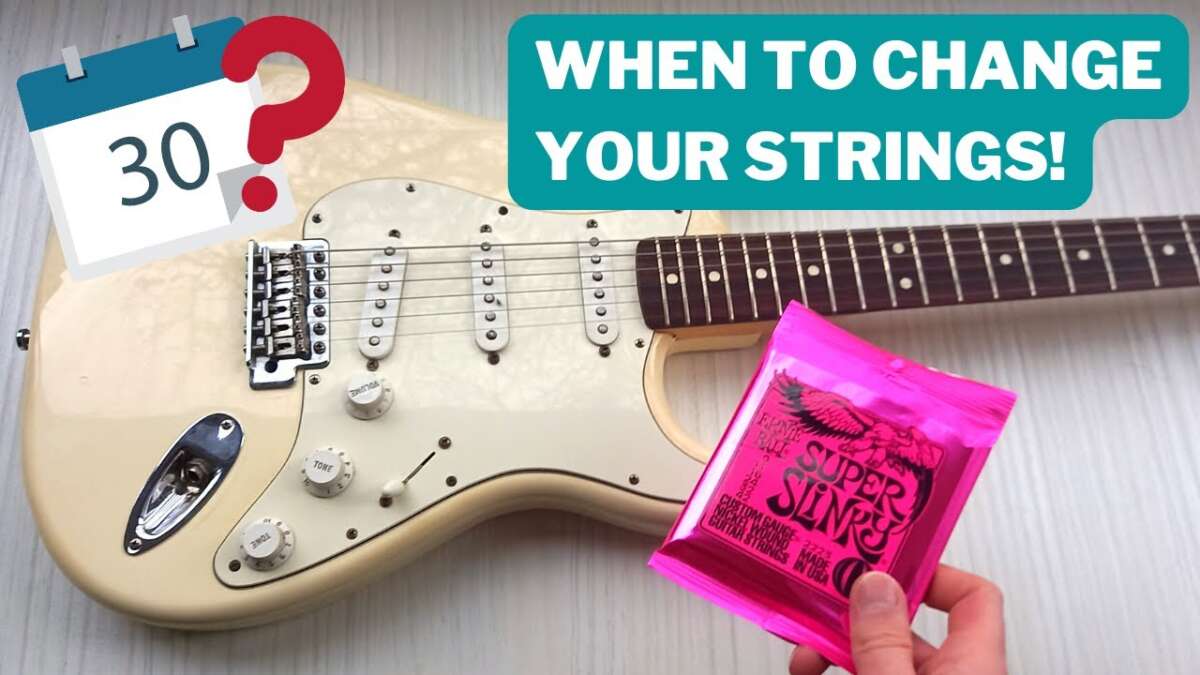
Change electric guitar strings every 1–3 months for casual players; gigging pros change them weekly.
I’ve spent years playing, teaching, and fixing guitars, so I know how much fresh strings affect tone, feel, and confidence. This guide explains how often change electric guitar strings, why the timing matters, and how to get the best life from every set. Read on for clear, practical rules, real-world tips, and step-by-step care that will keep your guitar sounding its best.
Why string age matters
Strings shape your sound. Old strings lose sparkle, go flat faster, and feel dull under the fingers. They can also break unexpectedly during a live show or a studio take. Knowing how often change electric guitar strings helps you avoid tone loss and sudden failures.

Key factors that determine how often change electric guitar strings
Strings don’t age at the same speed for every player. These factors decide the schedule.
- How much you play each week. More hours mean faster wear.
- Sweat and skin oils. Acidic sweat corrodes strings quickly.
- Playing style and technique. Heavy bending and palm muting wear strings faster.
- Climate and storage. Humid, salty, or damp air speeds corrosion.
- String build and coating. Coated strings resist grime and last longer.
- Guitar setup and bridge type. Tremolo use and rough frets can shorten life.
- Tone and recording needs. Studio work often needs brand-new strings.
These points explain why a single rigid rule for how often change electric guitar strings rarely fits every player.

Recommended intervals based on playing habit
Use these simple guidelines and adjust for your own needs.
- Casual players (1–3 hours a week): Change every 2–3 months. This keeps tone bright and avoids buildup.
- Regular players (3–10 hours a week): Change every 4–8 weeks. You’ll notice improved feel and tuning.
- Heavy players and frequent giggers: Change every 1–2 weeks or before each important gig. Reliability matters most here.
- Recording or session work: Always change strings before a session. Fresh strings give the clearest tone and best intonation.
- Touring professionals: Many change strings nightly or before every performance to stay consistent.
If you’re unsure how often change electric guitar strings for your situation, start with these intervals and adjust by ear and feel.

Common quick questions about timing
These short answers help decide fast.
-
How long do electric guitar strings last?
Strings last from a few days to several months, depending on use and care. -
Can coated strings last longer?
Yes. Coated strings can double string life for many players while slightly changing feel. -
Do cheaper strings wear faster?
Often yes. Materials and finish quality affect lifespan and tone retention.
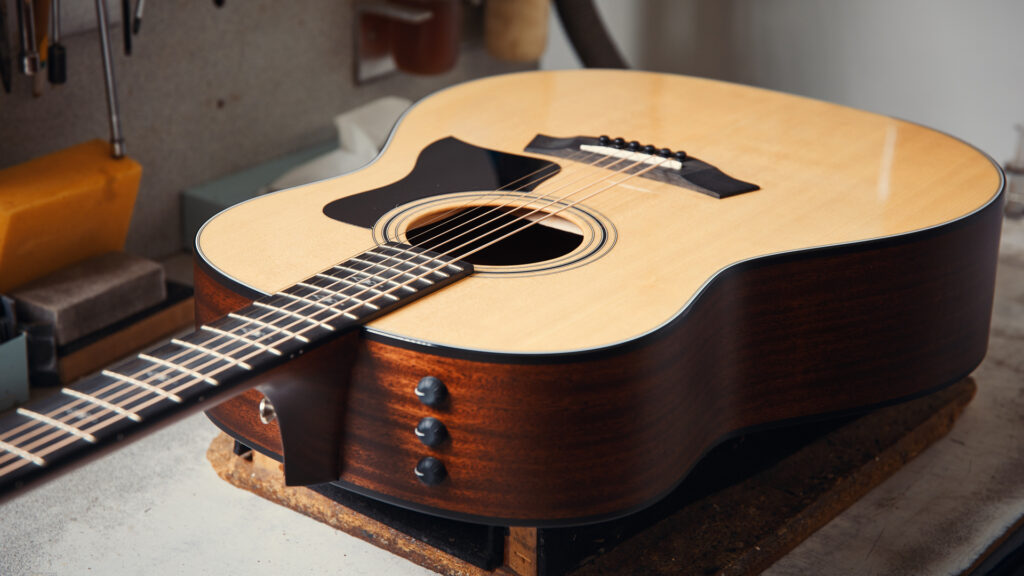
Signs it’s time to change strings
Watch for these clear signs rather than relying only on time.
- Tone is dull or lifeless. New strings sparkle; old ones sound flat.
- Tuning instability and faster detuning after bends. Worn strings lose tension predictably.
- Visible dirt, rust, or discoloration along the winding. Corrosion shortens life.
- Burrs, fraying, or broken windings near the saddle or tuning post. These are break warnings.
- Sticky or grimy feel that won’t clean away with a quick wipe. Build-up affects playability.
If you see any of these, don’t wait—change them. That’s the practical side of how often change electric guitar strings.
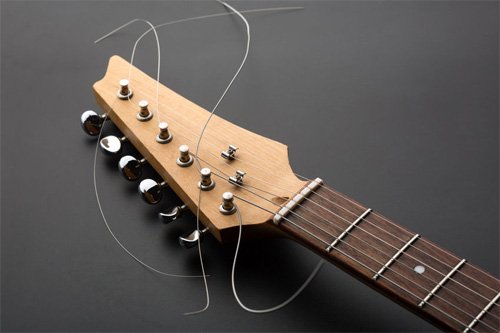
How to change strings and quick maintenance to extend life
A clean routine makes strings last longer and keeps your guitar reliable.
Tools and steps to change strings
- Tools to have: wire cutters, tuner, string winder, soft cloth, string post cleaner.
- Loosen and remove old strings one at a time. This preserves neck relief and reduces mess.
- Clean fretboard and bridge areas while strings are off. Use a dry cloth or appropriate cleaner.
- Fit the new string, wind neatly, stretch gently, and tune to pitch.
- Stretch new strings lightly and retune to stabilize tuning faster.
Daily and weekly maintenance tips
- Wipe strings after each session with a clean cloth to remove sweat and oils.
- Wash your hands before playing to reduce grime transfer.
- Use a string cleaner or light lubricant sparingly if you play a lot.
- Keep your guitar in a case or humidified room to limit corrosion.
From my experience, wiping strings after practice extended their usable tone by weeks. That small habit changes how often change electric guitar strings for the better.

Choosing strings to make them last longer
String choice affects lifespan and tone. Match materials to your goals.
- Coated strings: Last longer and resist sweat. They cost more but save time and tuning headaches.
- Stainless steel vs nickel-plated: Stainless resists corrosion better and often lasts longer.
- Lighter vs heavier gauge: Thicker strings can feel more durable, but they change feel and tension.
- Flatwound and halfwound strings: Produce less finger grime and can last much longer for jazz or mellow tones.
- Quality brands and manufacturing: Higher-quality sets tend to perform more consistently.
Choosing the right type affects how often change electric guitar strings and how they feel when you play.

Common mistakes and how to avoid them
Avoid these errors that shorten string life.
- Replacing all strings at once but not cleaning the guitar. Clean while strings are off.
- Over-tightening strings during installation. It can cause breakage.
- Ignoring fret or nut burrs that shave strings quickly. Smooth trouble spots promptly.
- Skipping hand washing before long sessions. Oils transfer and corrode strings.
- Assuming one set works for every environment. Match string type to your climate and habits.
A little care prevents a lot of wasted sets and saves money over time.

Personal experience and lessons learned
I used to change strings only when they broke. That led to bad recordings and one broken solo at a show. After I adopted a schedule and simple care routines, my tone stayed consistent and I stopped losing hours fixing guitars.
Lessons I learned
- Change before an important gig or recording, not after a problem appears.
- Coated strings are worth the extra cost if you hate frequent changes.
- A quick wipe after every session buys you weeks of life in many climates.
These practices changed how often change electric guitar strings in my routine and made my gear more reliable.
Frequently Asked Questions of how often change electric guitar strings
How often should I change electric guitar strings if I only play once a week?
If you play once a week for an hour, change strings every 2–3 months. Wipe them after each session to extend life.
Do coated strings really last longer than uncoated ones?
Yes. Coated strings resist dirt and sweat and often last two to three times longer for many players, though they may feel slightly different.
Should I change strings before recording even if they look fine?
Always change strings before recording. Fresh strings give clearer tone and more predictable intonation for studio work.
Can I clean old strings instead of changing them?
Cleaning helps but only delays the inevitable. If strings sound dull or show corrosion, replacement is better for tone and tuning.
How many sets of strings should I have for gigging?
Keep at least two backup sets for each guitar on the road. That covers sudden breaks and quick swaps between shows.
Conclusion
Fresh strings matter. How often change electric guitar strings depends on your play time, sweat, style, and goals, but a simple schedule keeps tone and tuning reliable. Use short routines—wiping after play, choosing the right string type, and changing before gigs or recordings—to stay prepared. Start by setting a change interval that matches your habits, and adjust by ear and feel. Try one small habit today, like wiping strings after practice, and notice how much longer they last. If this guide helped, subscribe, leave a comment with your string routine, or share your go-to string brand.

Senior Music Reviewer
Alex Carter is a seasoned music reviewer with over a decade of experience in the world of sound and instruments. Passionate about helping musicians and enthusiasts make informed choices, he brings sharp insights and in-depth knowledge to every review. From classical instruments to modern gear, Alex combines technical expertise with a love for music to deliver content that resonates with readers.
As a Senior Music Reviewer and expert author on Tuneluma.com, Alex is dedicated to sharing honest evaluations, practical advice, and thoughtful commentary to guide readers in their musical journey.
Leave a Reply