
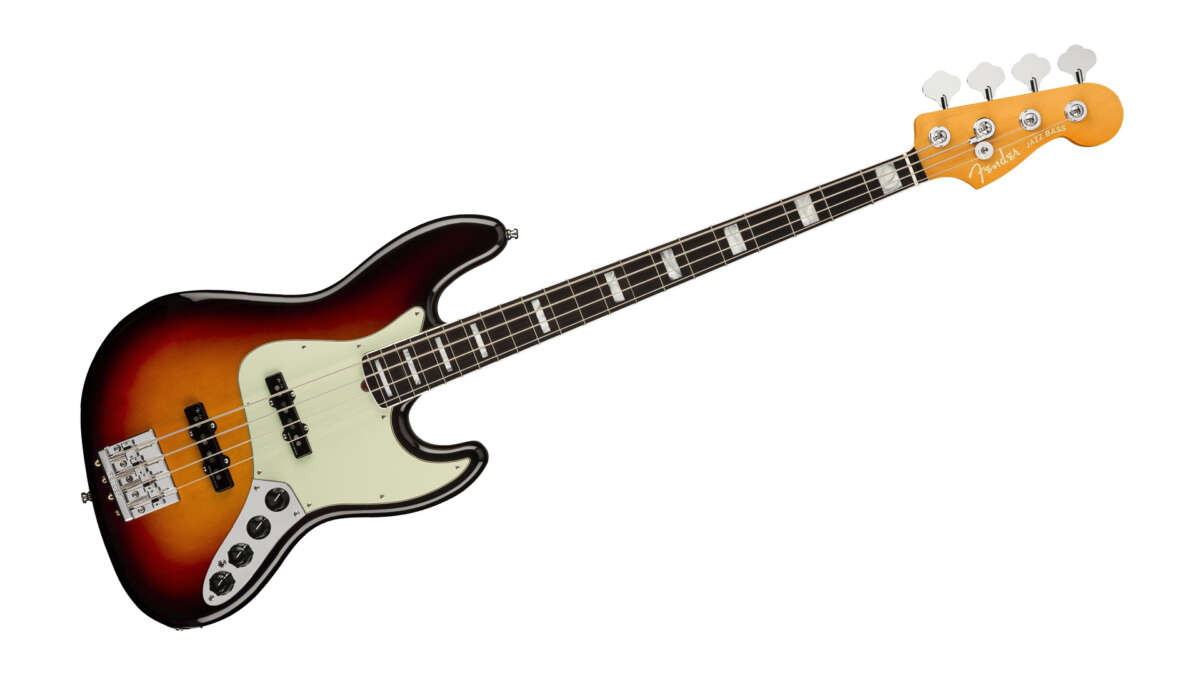
Most electric guitars have six strings, though models range from four to twelve strings.
I’ve played, repaired, and taught guitar for over a decade, so I know the common questions players ask. If you want a clear, practical guide on how many strings does a electric guitar have, this article covers the standard setup, the popular variations, how string count affects tone and playability, and real-world tips to choose the right guitar. Read on for facts, hands-on advice, and simple steps to pick the best string count for your music and skill level.

Standard answer: Six strings
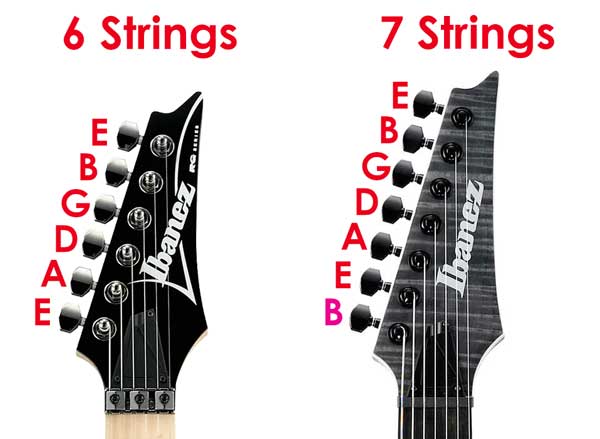
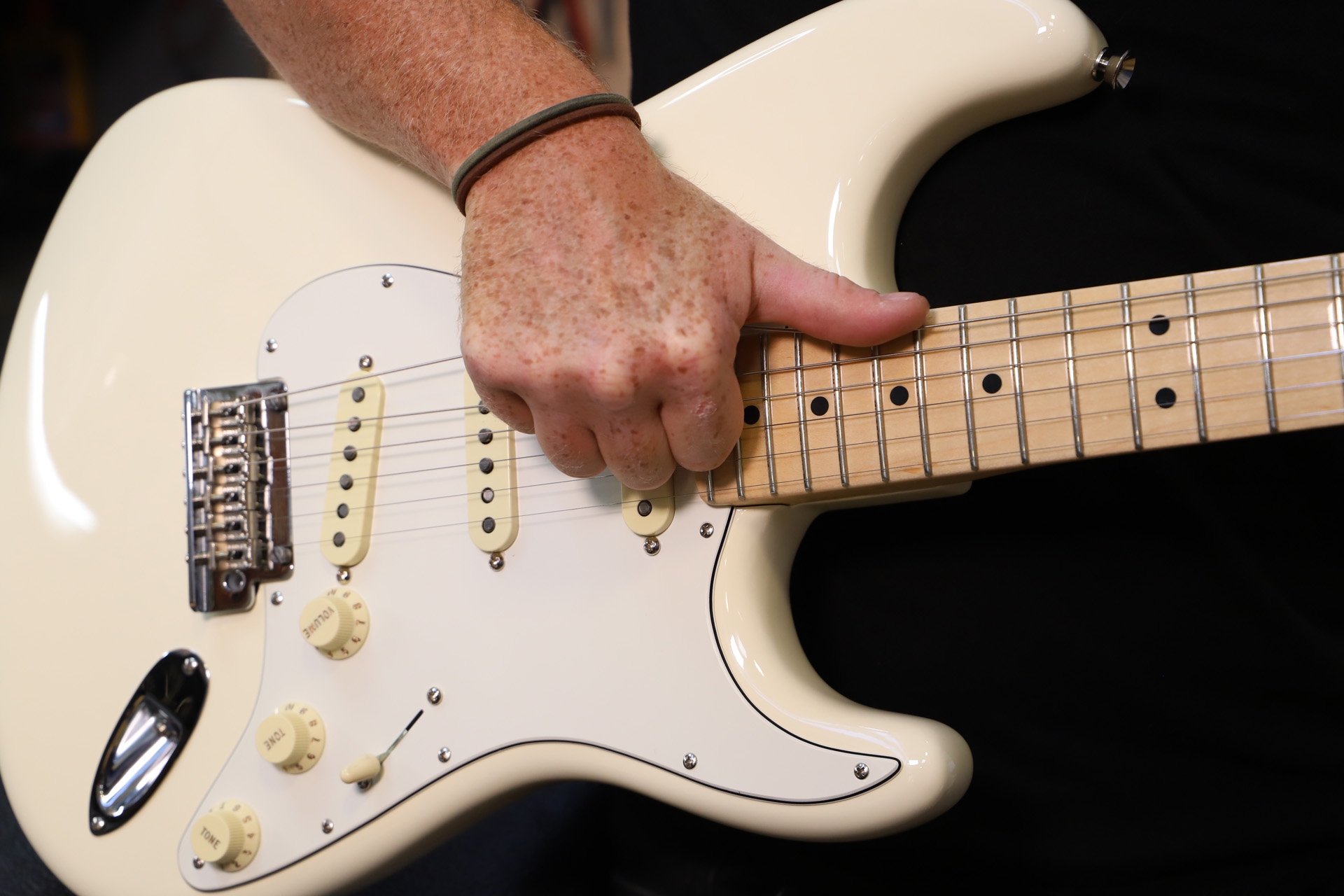
Most electric guitars come with six strings. This is the global standard for rock, blues, pop, country, and many other styles. The common tuning for a six-string electric is E A D G B E, from lowest to highest pitch. Six strings offer a good balance of range, playability, and chord voicings, which is why producers and teachers usually recommend them for beginners and pros alike.

Common variations and why they exist
Guitar makers and players use different string counts to achieve specific sounds or to extend range. Here are the main variations you’ll see.
-
Seven-string guitars
- Add a low string, usually tuned to B below the low E.
- Popular in modern metal and progressive music for heavier riffs and extended low range.
-
Eight-string guitars
- Add two lower strings, often tuned to F# and B below the low E.
- Used for ultra-low riffing and extended-range soloing.
-
Twelve-string guitars
- Have six pairs of strings, with the lower four paired in octaves and the top two paired in unison.
- Create a natural chorus effect and a fuller sound, used often in folk and jangle-pop.
-
Four-string electrics (short scale / baritone or bass-inspired)
- Rare as a guitar, but some specialty electric instruments use four strings for a bass-like feel.
-
Baritone and alternate-scale guitars
- Not about string count change but about longer scale and lower tuning. Players sometimes add or remove strings when converting to baritone setups.
These variants answer specific musical needs. They let players extend range, get richer textures, or explore unique chord shapes. If your question is how many strings does a electric guitar have in general, the short answer remains: most have six, but many models use other counts for special reasons.
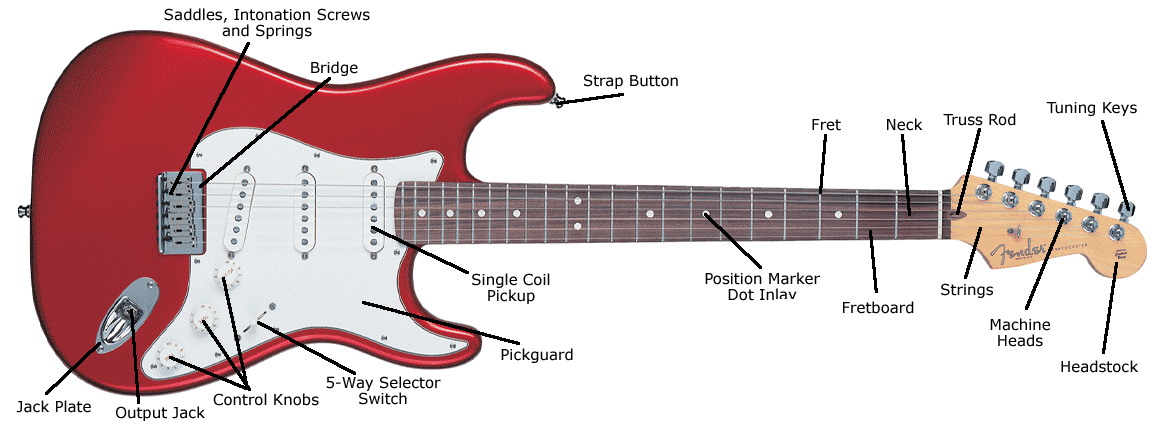
How string count affects tone, playability, and music style
String count changes what you can play and how your guitar feels.
-
Tone
- More strings add range and harmonic content.
- Twelve-strings give shimmer. Extended-range guitars deepen low end.
-
Playability
- Extra strings mean wider necks and denser chord shapes.
- Beginners often find six strings easier to learn on.
-
Music styles and roles
- Six strings cover rhythm and lead tasks well.
- Seven and eight strings fit heavy metal, djent, and modern progressive work.
- Twelve strings suit jangly rhythm parts and rich acoustic-electric textures.
When you consider how many strings does a electric guitar have, think of the music you want to play and how the string count will shape your parts.

How to choose the right string count for you
Choosing comes down to song needs, comfort, and goals. Here’s a simple checklist.
- Ask what genre you play most.
- Try guitars with different string counts at a shop.
- Consider hand size; wider necks can be harder to fret.
- Think about tuning needs; do you need lower notes?
- Factor in maintenance and setup cost—more strings can mean more work.
From my teaching work, I tell new players to start on a six-string electric. It builds technique and fits most songs. If you’re drawn to heavier or very low music, test a seven- or eight-string before buying.
Changing string counts: setup, mods, and maintenance
Converting or upgrading string count is not just restringing. Proper setup matters.
-
Nut and saddle
- Extra strings need wider nut slots and sometimes a different bridge.
- A poorly cut nut causes tuning and buzzing problems.
-
Neck and truss rod
- Wider string packs change tension.
- You may need a truss rod adjustment or neck shim for proper relief.
-
Intonation and action
- More strings make intonation work harder.
- Professional setup yields stable tuning and accurate pitch.
-
Electronics and pickups
- Pickups generally work, but some players prefer wider pickups for balanced response across many strings.
If you try to change how many strings does a electric guitar have by adding strings yourself, budget for a pro setup. I once tried to add a seventh string to a midrange guitar without adjusting the nut. It buzzed and intonated poorly until a luthier fixed it.

Common misconceptions and limitations
Players often mix facts with myths. Here are clear answers.
-
Myth: More strings always mean better tone.
- Reality: More strings give more range, but tone quality depends on wood, pickups, and technique.
-
Myth: Any guitar can be easily converted to more strings.
- Reality: Conversions often need hardware and neck work.
-
Myth: Beginners must start on six strings only.
- Reality: While six strings are easiest, motivated players can start on other counts, but expect a steeper learning curve.
If you worry about what other players say, try different options in person before paying for mods.
Personal experience and lessons learned
I learned to love different string counts by playing in small bands and doing setups.
- I started on a six-string and learned core chord shapes.
- In a metal band, I switched to a seven-string to reach those low chug riffs. It changed my approach to rhythm and helped me write different riffs.
- I once bought a twelve-string for studio work. The chorus-like shimmer improved our demos without heavy mixing.
Lessons I share with students include these tips.
- Don’t rush a conversion. Test the feel first.
- Budget for a proper setup after adding strings.
- Practice chord shapes slowly when you move to wider necks.
These steps reduce frustration and speed progress.

PAA-style quick questions
-
What is the standard number of strings on an electric guitar?
- The standard is six strings, tuned E A D G B E.
-
Do seven-string guitars need special gear?
- You may need a wider nut and setup, but standard amps and pedals usually work fine.
-
Is a twelve-string electric harder to play?
- It feels different due to paired strings, but basic technique is similar; fretting requires more finger control.
Frequently Asked Questions of how many strings does a electric guitar have
How many strings does a electric guitar have by default?
Most electric guitars have six strings by default. This is the industry standard for most styles and lessons.
Can I add extra strings to my current electric guitar?
You can add extra strings, but you likely need a new nut, setup, and sometimes bridge changes. A pro setup prevents tuning and intonation problems.
Why do some guitars have seven or eight strings?
Seven and eight strings extend the low range for heavy or progressive music. They let players play lower riffs without downtuning too far.
Are twelve-string electric guitars only for acoustic music?
No. Twelve-string electrics are used in electric contexts for a ringing, chorus-like tone in rock, folk, and pop.
Does more strings mean more difficulty?
Usually yes. More strings widen the neck and require adapting chord shapes and technique. Practice and a proper setup reduce the learning curve.
Will my amp or pedals work with more strings?
Yes. Your amp and pedals respond to frequency and signal. Extended-range guitars produce lower frequencies that amps handle differently, so you may tweak your EQ.
Final thoughts
Most electric guitars have six strings, but many players choose other counts to suit their sound and goals. Pick a string count that matches your music, try instruments in person, and get a proper setup when you change string numbers. If you’re unsure, start with six and expand as your needs grow. Try different guitars, practice consistently, and share what you learn in the comments or by asking for setup tips—I’d love to help you find the right fit.

Senior Music Reviewer
Alex Carter is a seasoned music reviewer with over a decade of experience in the world of sound and instruments. Passionate about helping musicians and enthusiasts make informed choices, he brings sharp insights and in-depth knowledge to every review. From classical instruments to modern gear, Alex combines technical expertise with a love for music to deliver content that resonates with readers.
As a Senior Music Reviewer and expert author on Tuneluma.com, Alex is dedicated to sharing honest evaluations, practical advice, and thoughtful commentary to guide readers in their musical journey.
Leave a Reply