Solid classic tone, great value for beginners and gigging players—Epiphone Les Paul Classic shines.
You’re hunting for a Les Paul sound without the full Gibson price. Maybe you want warm sustain for blues, a thick rock crunch for gigs, or a reliable workhorse for studio time. The Epiphone Les Paul Classic gives that iconic tone, playability, and look at a price that keeps your budget intact. I’ve used one onstage and in the studio, and this review breaks down what it does well, where it falls short, and who should buy it.

Is Epiphone Les Paul Classic Good?
Yes — the Epiphone Les Paul Classic is a strong yes for most players. It gives the classic Les Paul feel and tone at a fraction of the cost. If you are a beginner who wants a serious-sounding guitar, a hobbyist who values tone and looks, or a gigging player on a budget, this model will serve you well. It is not a boutique, hand-aged Gibson, but it nails the core Les Paul traits: solid sustain, warm midrange, and eye-catching finish.
I used the Epiphone Les Paul Classic for practice, a few studio takes, and two small club shows. At home it inspired longer practice sessions because it felt balanced in my hands. On stage, plugged through a tube amp, it delivered the thick rhythm tones and singing leads I wanted. My gear list is simple: just the Epiphone, a trusted amp, and minimal effects. For the money, it gives real Les Paul character and keeps gig prep low-stress.

My First Impression for Epiphone Les Paul Classic
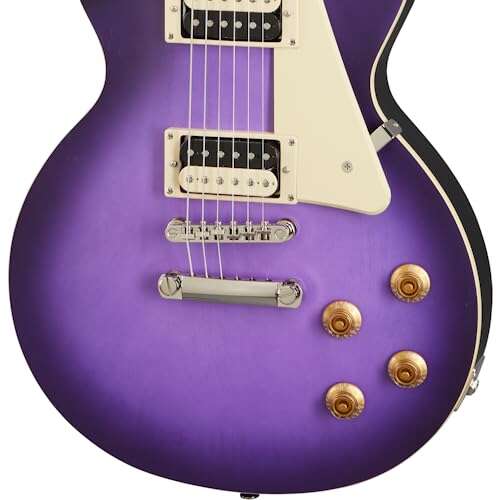
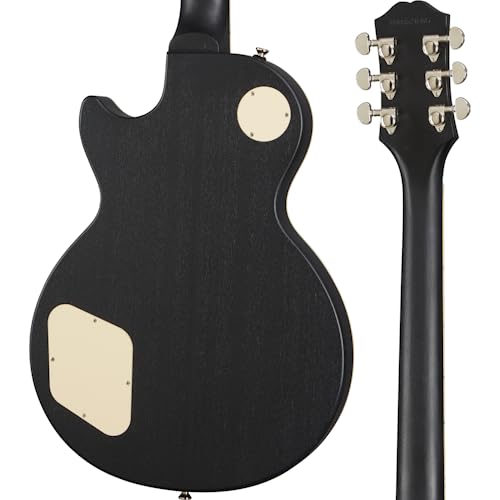
The box arrived in good shape. The packaging was solid and the guitar sat snug in foam. The Worn Purple Burst finish caught my eye—rich, deep color with a slightly aged vibe. I picked it up and felt a well-balanced weight that leaned into the classic Les Paul heft without feeling cumbersome. The neck was smooth and the frets were dressed well for easy play.
Setup took under 15 minutes. I tuned, set a low action, and checked the intonation. No major fret buzz. The pickups sounded warm and full right away. My first run through a clean amp surprised me: the sustain and low-end were immediate. I felt excited—this guitar met my expectations for tone and playability out of the box. Small tweaks made it even better, but the initial performance was very pleasing.
What Makes It Stand Out / Key Features
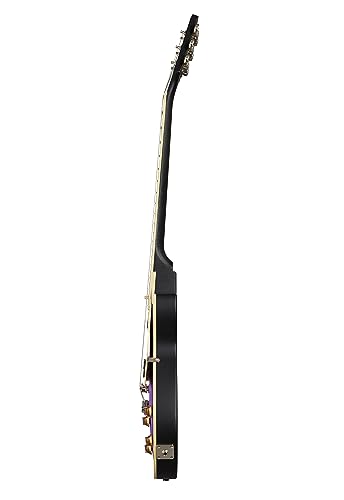
- Classic single-cut Les Paul body shape with vintage-style aesthetics.
- Humbucking pickups that deliver warm, full tone with good sustain.
- Mahogany body and set neck for classic Les Paul resonance.
- Comfortable neck profile suitable for many playing styles.
- Vintage-style tuners and bridge for stable tuning and intonation.
- Eye-catching Worn Purple Burst finish that pairs tone with style.
What I Like
- Great value—authentic Les Paul tone without the high price.
- Strong sustain and warm midrange that work for blues and rock.
- Reliable hardware and decent stock setup out of the box.
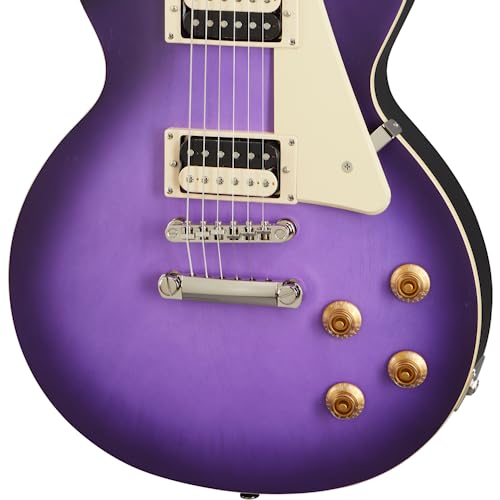
- Looks premium—finish and appointment feel classy on stage.
- Comfortable neck that suits chord work and lead lines.

What Could Be Better
- Not as refined as high-end Gibsons—tone and finish differ slightly.
- Weight can be heavy for long standing gigs if you prefer lighter guitars.
- Stock pickups are good, but some players will swap them for higher-end pickups.
My Recommendation
The Epiphone Les Paul Classic is best for players who want genuine Les Paul tone without breaking the bank. If you are starting out, this guitar will motivate practice and give you tone that feels grown-up. If you gig locally, it offers stage-ready looks and sound. If you record, it gives a warm, full sound that sits nicely in mixes. Overall, the Epiphone Les Paul Classic delivers real value and accessibility.
| Best for | Why |
|---|---|
| Beginners | Affordable Les Paul tone that inspires practice and growth. |
| Gigging musicians | Durable, stage-ready sound and looks that hold up live. |
| Home recordists | Warm midrange and sustain that sit well in mixes. |
Alternative Products You Can Consider
Gibson Les Paul Studio
Best for players who want a truer Gibson feel and tone. The Gibson Les Paul Studio offers higher-end materials and pickups. It costs more but gives more finesse in tone and finish. Good for pros or players wanting a step up from Epiphone.
PRS SE Custom 24
A versatile alternative for players who want modern playability with a wide tonal range. The PRS SE Custom 24 has a thinner neck profile and coil-tap options. It’s great if you want a single guitar to handle many styles beyond classic Les Paul tones.
Epiphone SG Standard
If you love the Les Paul sound but prefer a lighter body and sharper attack, the SG Standard is a great Epiphone sibling. It’s lighter on stage and offers a bit more upper-mid presence for cutting through mixes.
| Product | Best For | Key Difference |
|---|---|---|
| Epiphone Les Paul Classic | Value-minded players seeking classic Les Paul tone | Affordable, classic single-cut tone and sustain |
| Gibson Les Paul Studio | Professional players and tone purists | Higher-end build and pickups, more refined finish |
| PRS SE Custom 24 | Versatile players needing wide tonal range | Modern playability and coil-tap versatility |
| Epiphone SG Standard | Players seeking lighter body and sharper attack | Slimmer, lighter body with a brighter tone |
Final Verdict: Which Should You Buy?
If you want classic Les Paul tone on a budget, the Epiphone Les Paul Classic is my top pick. It gives real sustain, warm mids, and a stage-ready look at an accessible price. Choose the Epiphone Les Paul Classic if you are a beginner, a weekend warrior, or a gigging musician who needs reliable tone without a high investment.
Pick the Gibson Les Paul Studio if you want a step up in materials and pickups and you have a larger budget. Go for the PRS SE Custom 24 if you want a single, flexible guitar that covers many styles. And consider the Epiphone SG Standard if you prefer a lighter, snappier feel for long sets.
FAQs Of epiphone les paul guitar review
Is the Epiphone Les Paul Classic good for beginners?
Yes. The Epiphone Les Paul Classic is beginner-friendly. It offers great tone and playability for the price. It will motivate practice and handle both rhythm and lead playing well.
Can I use this guitar for live gigs?
Absolutely. The Epiphone Les Paul Classic is stage-ready. With a proper amp and basic setup, it performs well live. Just use a strap and set the action to your comfort level for long sets.
Should I upgrade the pickups?
You might, depending on taste. The stock pickups are solid for many players. If you want more clarity, output, or vintage character, upgrading pickups can noticeably change tone.
How heavy is the Epiphone Les Paul Classic?
It’s in the classic Les Paul weight range. It’s heavier than many single-cut alternatives. If you prefer lighter guitars, try it in person or use a padded strap for comfort.
Does it hold tuning well?
Yes, with basic setup and quality strings it holds tuning well. The vintage-style tuners are stable for most playing. For extreme stability, consider locking tuners.

Leave a Reply