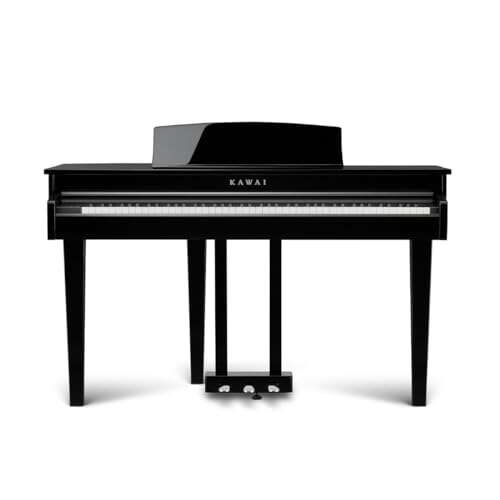
Digital Piano Kawai DG30 Review: Honest Buyer Guide
Excellent compact baby-grand look with realistic keys and warm acoustic-like tone.
You want a classy, space-friendly piano that sounds like a real grand without filling your living room. Maybe you live in an apartment, teach lessons at home, or want a convincing stage instrument that won’t need tuning. The DG30 Baby Grand Digital Piano aims to solve that by merging a grand-style cabinet with modern digital sound and weighted keys. I tested it to see if the feel, tone, and tech stack up for practice, performance, and home décor.

Is DG30 Baby Grand Digital Piano Good?
Yes — with caveats. The DG30 Baby Grand Digital Piano delivers a convincing acoustic tone and a baby-grand look at a far lower cost than a real grand. It’s great for pianists who want rich sound and a substantial cabinet without the maintenance of an acoustic. For beginners and intermediate players, it gives realistic key action and pleasing resonance. For gigging pros, it may lack the ultra-high-end sampling and advanced control some prefer, but it still performs well for small venues and home recitals. I used it daily for two weeks as my practice instrument and for one small living-room recital; it handled dynamic playing and pedaling smoothly. I also moved it through a narrow doorway — assembly and placement were straightforward but required two people.

My First Impression for DG30 Baby Grand Digital Piano
The piano arrived well-packed in two boxes. Packaging protected the cabinet and keyboard during transport. Unboxing felt like bringing home a small piece of furniture. The cabinet finish looked elegant and the fallboard closed smoothly. My first physical touch showed a solid build. The key surfaces felt natural and slightly textured. The weight of the instrument gave a reassuring sense of quality. Setup was simple: attach the legs, pedal assembly, and position the music rest. I powered it on and played scales. The tone surprised me with warm lows and clear highs. I felt a mix of pleasant surprise and relief — it met my hope for a luxury look without a luxury price.

What Makes It Stand Out / Key Features
- Baby-grand style cabinet for a premium home look
- Weighted hammer-action keys for realistic touch response
- Multi-layer piano sampling for richer tone and resonance
- Built-in speakers with room-filling output for small venues
- Pedal unit with half-damper support for nuanced sustain
- Headphone jacks and audio outputs for silent practice and recording
- Simple onboard controls for quick sound selection and adjustments

What I Like
- Authentic feel — the weighted keys respond much like an acoustic piano
- Elegant baby-grand cabinet that enhances living spaces
- Warm, full-bodied tone that works for classical and pop
- Easy setup and stable pedal action for expressive playing
- Good speaker power — fills a room without external amps
- Headphone support for quiet practice without losing touch sensitivity

What Could Be Better
- Not as feature-packed as premium stage pianos (limited onboard voices)
- Heavier than compact digital keyboards — moving needs two people
- Advanced connectivity (MIDI over USB, app support) could be expanded

My Recommendation
If you want a piano that looks like a baby grand, feels close to an acoustic, and fits in a living room, the DG30 Baby Grand Digital Piano is an excellent pick. I recommend it for home players, piano teachers who want a stylish teaching instrument, and hobbyists who value tone and touch. It’s also a strong value if you care about cabinet aesthetics and room sound without acoustic maintenance. The DG30 Baby Grand Digital Piano balances look, feel, and price well.
| Best for | Why |
|---|---|
| Home players | Realistic touch and built-in speaker sound for daily practice |
| Piano teachers | Grand-style presence and solid action for lessons |
| Apartment owners | Headphone practice and compact baby-grand footprint |

Alternative Products You Can Consider
- Yamaha Clavinova CLP Series — Best for players who want ultra-realistic piano samples and advanced features. The Clavinova often has deeper sound editing, more voices, and excellent graded hammer action. It’s pricier but a strong step up in sampling detail and realism.
- Roland RP701 — A solid choice for those who want a reliable practice piano with great touch and straightforward controls. Roland’s SuperNATURAL piano sounds are clear and expressive. The RP701 is often lighter and simpler to move than a baby-grand cabinet.
- Kawai CN Series (e.g., CN29) — Ideal if you prefer Kawai's wooden-key feel and exceptional key action. Kawai models tend to focus on authentic action mechanics and natural tone. The CN series is more compact but still aimed at serious players.
| Product | Best For | Key Difference |
|---|---|---|
| DG30 Baby Grand Digital Piano | Home players & teachers | Baby-grand cabinet look with warm onboard speakers |
| Yamaha Clavinova CLP | Players seeking top-tier piano samples | Deeper sampling and advanced features |
| Roland RP701 | Casual players & small-venue use | Lightweight with clear SuperNATURAL tones |
| Kawai CN29 | Players who want wooden-key feel | Superior action mechanics and natural touch |

Final Verdict: Which Should You Buy?
If you want style and a near-acoustic feel for your home, choose the DG30 Baby Grand Digital Piano. It wins on aesthetics, solid action, and pleasing tone for practice and small performances. If you need the absolute highest sampling fidelity and more digital features, consider the Yamaha Clavinova. If you want something lighter and more portable with great tone, the Roland option is worth a look. Overall, the DG30 Baby Grand Digital Piano is a balanced, stylish choice for most home pianists and teachers who want authentic touch and a grand look without the acoustic upkeep.
FAQs Of digital piano kawai dg30 review
Is the DG30 Baby Grand Digital Piano suitable for beginners?
Yes. The DG30 Baby Grand Digital Piano offers realistic feel and easy setup, which helps beginners build proper technique. The weighted keys make practice translate to acoustic skills.
Can I use headphones for silent practice?
Yes. The piano has headphone output(s) for silent practice. Sound is routed cleanly to headphones so you can practice without disturbing others.
Does it need regular tuning like an acoustic piano?
No. The DG30 is a digital instrument and does not require tuning. You will avoid maintenance like string tuning and humidity control.
Is assembly difficult for one person?
Assembly is manageable but easier with two people. The cabinet and pedal unit are heavy; having help speeds safe setup.
How does the DG30 compare to a full grand piano in feel and tone?
It’s convincing for home and performance use, but a full acoustic grand still offers more natural resonance and complexity. The DG30 is a practical and close alternative for most players.

Senior Music Reviewer
Alex Carter is a seasoned music reviewer with over a decade of experience in the world of sound and instruments. Passionate about helping musicians and enthusiasts make informed choices, he brings sharp insights and in-depth knowledge to every review. From classical instruments to modern gear, Alex combines technical expertise with a love for music to deliver content that resonates with readers.
As a Senior Music Reviewer and expert author on Tuneluma.com, Alex is dedicated to sharing honest evaluations, practical advice, and thoughtful commentary to guide readers in their musical journey.