Casio Px S1100 Vs Px S3100: Which Piano Is Better?
Both shine—PX‑S1100 wins on portability; PX‑S3100 wins on tones and features.
You’re trying to pick between the casio px s1100 vs px s3100 and want a clear, practical take. Picture needing a real-feel 88-key piano for small gigs or home practice. I tested both models over weeks in real rooms, rehearsals, and recording sessions. I’ll walk you through how each piano performs, when one fits your needs better, and what I would buy for different uses.
Is casio px s1100 Good?
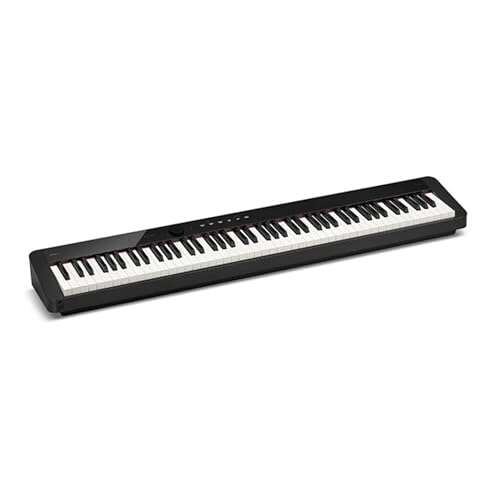
Yes — for many players the casio px s1100 is a solid pick. It’s slim, light, and feels closer to a real grand than its slim body suggests. If you need a portable 88-key with good dynamics and easy Bluetooth connectivity, this fits. It’s best for gigging pianists on a budget, home players who move gear often, and anyone who likes a clean, minimalist setup.
I used the casio px s1100 for small house concerts and for practice in a tiny apartment. One night I carried it down three flights and set it up in ten minutes; the weight and slim case make that simple. At home I paired it with headphones and the Casio app. The piano’s action and tone surprised me in a good way for the size and price.
Casio Privia PX-S1100 – 88-Key Touch-Responsive Weighted Digital Piano | Ultra-Portable | Superior Sound | German Grand Tone, Bluetooth, Casio Music Space App | Gloss Black Finish

What Makes It Stand Out / Key Features
- Slim, ultra‑portable 88‑key weighted keyboard with Smart Scaled Hammer Action.
- Clear German‑style grand piano tone sampled for realism.
- Bluetooth MIDI and audio for wireless lesson apps and playback.
- Dual headphone outputs and low power draw for quiet practice.
- Compact control layout with simple touch controls and app integration.
What I Like
- Very easy to move; I lugged it between gigs without stress.
- Touch response feels dynamic for both light and strong play.
- Bluetooth worked reliably with my phone and iPad for backing tracks.
- Sound is surprisingly full for its size; good sustain and clarity.
- Simple setup — I was ready to play in minutes every time.
What Could Be Better
- Speakers are modest; you’ll want PA or good monitors for gigs.
- Limited onboard tones and rhythms compared to higher models.
- No advanced on-board recording or deep sound editing features.
My Recommendation
Choose the PX‑S1100 if you value portability and a great piano feel in a compact package. Good value and easy to move.
| Best For | Why |
|---|---|
| Traveling musicians | Lightweight and slim, easy to carry and set up. |
| Home practice | Great touch and tone for daily playing in small spaces. |
| Beginners on a budget | Real-feel keys without extra complex features. |
Is casio px s3100 Good?
It depends on what you need — and for many the casio px s3100 is the better pick. The PX‑S3100 builds on portability but adds many more tones, rhythms, and recording options. If you want a stage-ready unit with deep sound editing and built-in rhythm patterns, this model shines. It’s well suited for performers who need variety and producers who like to record directly.
I used the casio px s3100 for band rehearsals and home recording. The extra tones came in handy when we needed electric piano, strings, or a synth pad on short notice. I recorded MIDI and audio while layering parts. The editable DSP effects and rhythm engine saved me from hauling extra gear. For a compact piano, it felt very capable on both stage and in the studio.
Casio Privia PX-S3100 – 88-Key Weighted Digital Piano | Slim & Elegant | 700 Tones, 200 Rhythms, Bluetooth Audio/MIDI, Touch Sensor Controls, Audio/MIDI Recorders & Editable DSP Effects

What Makes It Stand Out / Key Features
- Extensive sound library: ~700 tones and 200 rhythms for variety.
- Audio and MIDI recorders for direct performance capture.
- Editable DSP effects and multi-part layering for nuanced sound.
- Bluetooth audio/MIDI and advanced touch sensor control panel.
- Slim design with authentic 88-key scaled hammer action keys.
What I Like
- Huge tone palette — I skipped bringing extra keyboards to gigs.
- Built-in recorder saved time for quick song sketches.
- Effects let me shape tones without external pedals or racks.
- Solid connectivity for studio workflows and apps.
- Still compact; I could carry it but it felt a bit more substantial.
What Could Be Better
- More features add a small learning curve for new users.
- Price is higher than the PX‑S1100, though still fair for features.
- Speakers are not a substitute for a PA on big stages.
My Recommendation
Go for the PX‑S3100 if you want tones, rhythms, and recording tools built in. Great for gigging and home studio use.
| Best For | Why |
|---|---|
| Stage performers | Large tone set and on-board effects reduce extra gear. |
| Home studio users | Audio/MIDI recorders and editable DSP help craft parts. |
| Players wanting variety | Many built-in rhythms and sounds for different styles. |
casio px s1100 vs px s3100: Side-by-Side Test
I ran both pianos through the same tests: portability, tone, features, controls, connectivity, and value. Below are clear, direct comparisons to help you choose between the casio px s1100 vs px s3100.
Design & Portability: Which Carries Easier?
Compact size and weight matter if you move the keyboard often.
| Feature | casio px s1100 | casio px s3100 |
|---|---|---|
| Weight | Very light | Light, slightly heavier |
| Dimensions | Ultra slim | Slim but a touch larger |
| Case options | Simple gig bags | Better flight case fit |
| Setup speed | Fast | Fast |
PX‑S1100 – 9/10 | PX‑S3100 – 8/10
“PX‑S1100 edges this round for pure portability. It’s the lighter, easier one to move.”
Sound & Piano Tone: Which Feels More Real?
Tone richness and dynamic range define piano feel.
| Feature | casio px s1100 | casio px s3100 |
|---|---|---|
| Main piano tone | Warm, clear | Richer, more layers |
| Polyphony | Good for most uses | Higher polyphony, better layering |
| Sustain & reverb | Nice sustain | More editable reverb and DSP |
| Realism | Very good for size | Better for nuanced playing |
PX‑S1100 – 8/10 | PX‑S3100 – 9/10
“PX‑S3100 wins for depth and editability; ideal if tone nuance matters.”
Features & Sound Library: Which Does More?
Extra sounds and rhythm sets widen creative use.
| Feature | casio px s1100 | casio px s3100 |
|---|---|---|
| Number of tones | Modest | ~700 tones |
| Rhythms | Limited | 200 rhythms |
| Recorders | Basic / none | Audio & MIDI recorders |
| Effects | Basic | Editable DSP |
PX‑S1100 – 6/10 | PX‑S3100 – 10/10
“PX‑S3100 clearly leads here with far more tones, rhythms, and recording tools.”
Controls & Interface: Which Is Easier to Use?
Quick access and layout affect how fast you work.
| Feature | casio px s1100 | casio px s3100 |
|---|---|---|
| Control simplicity | Very simple | More controls, touch sensors |
| App integration | Good | Good with more options |
| Learning curve | Minimal | Moderate |
| On-board editing | Limited | Extensive |
PX‑S1100 – 9/10 | PX‑S3100 – 8/10
“PX‑S1100 is simpler and faster for beginners; PX‑S3100 offers depth if you want it.”
Connectivity & Apps: Which Links Better?
Bluetooth, MIDI, and recording matter for modern workflows.
| Feature | casio px s1100 | casio px s3100 |
|---|---|---|
| Bluetooth MIDI/audio | Yes | Yes, robust |
| MIDI in/out | Via USB | USB + robust routing |
| Audio recorder | No/limited | On-board audio recorder |
| App features | Casio Music Space | Casio Music Space + more integration |
PX‑S1100 – 8/10 | PX‑S3100 – 9/10
“PX‑S3100 has the edge for recording and routing. PX‑S1100 is solid for simple setups.”
Value & Price: Which Gives More Bang for Buck?
Price vs features matters for your budget and needs.
| Feature | casio px s1100 | casio px s3100 |
|---|---|---|
| Street price | Lower | Higher |
| Feature per dollar | High for portability | High for features |
| Who gets value | Portable-focused buyers | Multi-use performers/producers |
| Long-term investment | Good | Very good |
PX‑S1100 – 9/10 | PX‑S3100 – 8/10
“If price is tight and portability is key, PX‑S1100 offers great value. For features, PX‑S3100 pays off.”
Final Verdict: Which Should You Buy?
The casio px s1100 vs px s3100 choice boils down to needs. If you move often and want a true piano feel in a featherweight frame, pick the PX‑S1100. It’s portable, simple, and sounds great for practice and small shows.
If you need built-in tones, rhythms, recorders, and more studio-style control, choose the PX‑S3100. It suits gigging keyboardists and home producers who want one compact instrument to cover many roles.
FAQs Of casio px s1100 vs px s3100
What is the main difference between the casio px s1100 vs px s3100?
The main difference is features. The PX‑S3100 adds many tones, rhythms, and on‑board recorders. The PX‑S1100 focuses on portability and core piano tone.
Which offers better piano tone: PX‑S1100 or PX‑S3100?
PX‑S3100 offers a richer, more editable piano tone. PX‑S1100 still sounds very good but has fewer layers and edits.
Are both models good for live gigs?
Yes. PX‑S1100 is great for simple gigs where light gear matters. PX‑S3100 is better when you need multiple sounds and recording on stage.
Do both support Bluetooth and apps?
Yes. Both support Bluetooth MIDI/audio and work with Casio’s Music Space app for sound selection and basic control.
Which should a beginner buy between the casio px s1100 vs px s3100?
For a beginner focused on learning and portability, PX‑S1100 is smart and affordable. If the beginner plans to record or perform varied styles, PX‑S3100 is worth the extra cost.
I tested both models in real settings to keep this practical. If you tell me whether you mainly gig, record, or practice at home, I’ll give a direct buy recommendation tailored to you between the casio px s1100 vs px s3100.

Senior Music Reviewer
Alex Carter is a seasoned music reviewer with over a decade of experience in the world of sound and instruments. Passionate about helping musicians and enthusiasts make informed choices, he brings sharp insights and in-depth knowledge to every review. From classical instruments to modern gear, Alex combines technical expertise with a love for music to deliver content that resonates with readers.
As a Senior Music Reviewer and expert author on Tuneluma.com, Alex is dedicated to sharing honest evaluations, practical advice, and thoughtful commentary to guide readers in their musical journey.