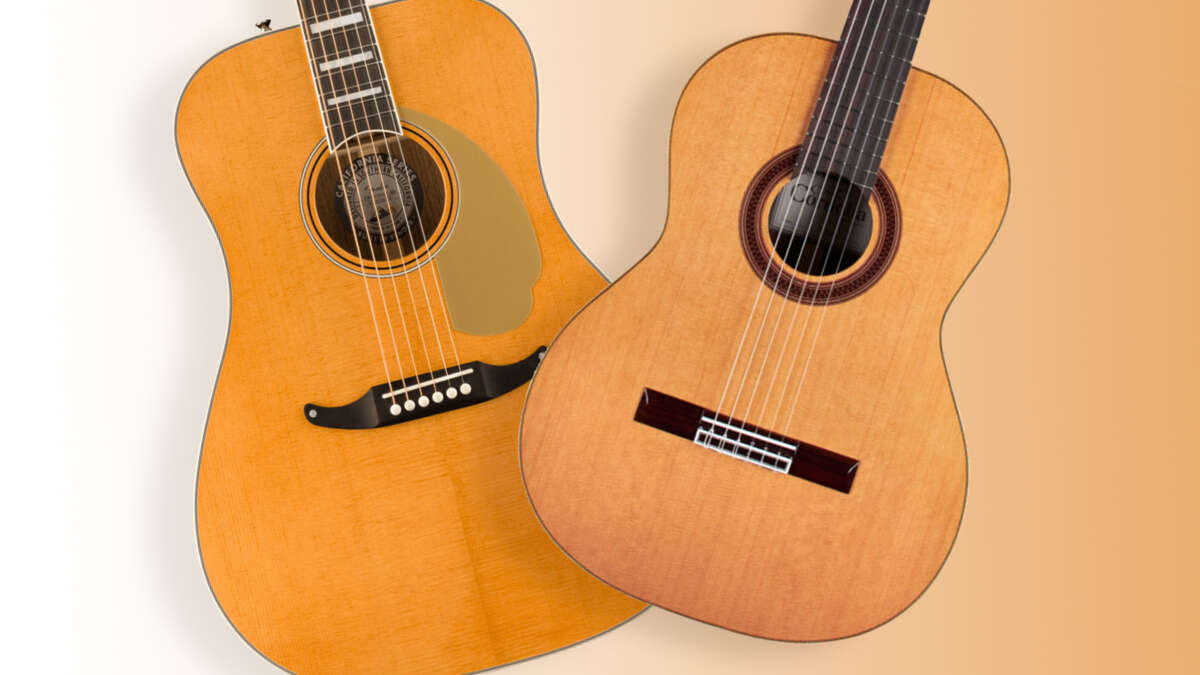
No — putting steel strings on a nylon-string guitar is usually unsafe and can cause structural damage.
I’ve spent years repairing guitars and helping players choose the right setup. If you’re asking "can you put steel strings on a nylon string guitar," this guide gives a clear, expert answer and a practical path forward. You’ll learn why the swap is risky, which exceptions exist, how a professional conversion works, and safe alternatives that let you get a brighter tone without wrecking your instrument.
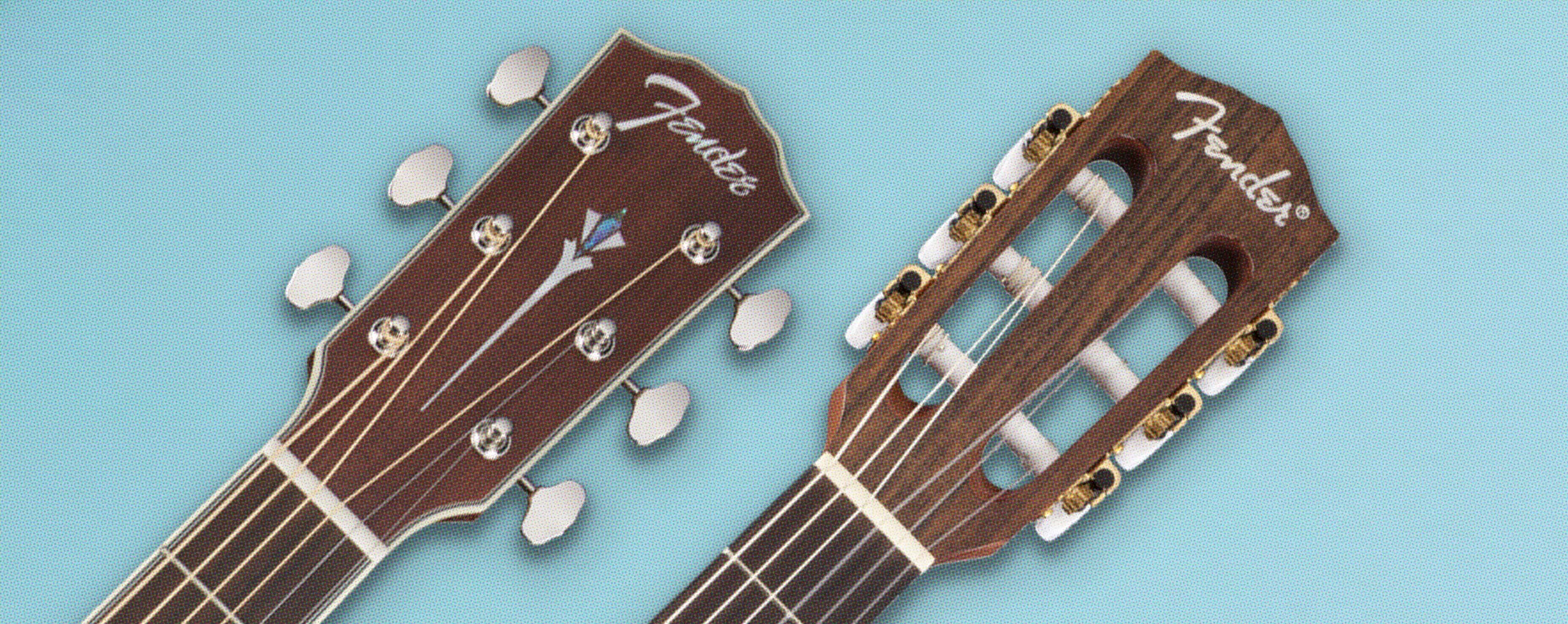
Why you should not put steel strings on a nylon string guitar
Nylon-string guitars are built for low-tension strings. The neck, top, bridge, and internal bracing all reflect that design. Asking "can you put steel strings on a nylon string guitar" ignores those core differences.
Steel strings create much more tension than nylon. That extra pull can warp the neck, pull the bridge off the top, open seams, or crush the bridge plate. Many classical guitars lack a truss rod for easy tension control, so the neck has little resistance to steel-string force.
From my workshop experience, most damage is gradual. Players tighten steel strings slowly and think the guitar will hold up. Then the neck bends, frets buzz, or the bridge starts lifting. If you value your instrument, don’t assume a quick swap is harmless.

What happens if you put steel strings on a nylon string guitar
If you try to answer "can you put steel strings on a nylon string guitar" by testing it, expect these risks:
- Neck warping and forward bow
The neck can bend under increased pull. This causes high action or sharp fret buzz. - Bridge lifting or bridge plate damage
The bridge saddle and top were not built for high tension, so the bridge can detach. - Soundboard cracks and seam openings
The top and glue joints may split from the added stress. - Tuners and nut problems
Classical tuners and wide nut slots may not hold steel strings stable. - Intonation and playability issues
Even if the guitar survives, tone and tuning stability often suffer.
These outcomes make the short answer to "can you put steel strings on a nylon string guitar" clear: it’s not recommended unless the guitar is converted by a professional.

Exceptions and safer alternatives
There are ways to get a brighter tone without asking "can you put steel strings on a nylon string guitar" in a literal sense.
- Silk-and-steel or silk-core strings
These use a softer core or lighter wrap. They lower tension compared to full steel, and some classical guitars tolerate them. - Nylon strings with ball ends
Ball-end nylons let you use guitars with pin-style bridges. They keep low tension and avoid structural risk. - Fluorocarbon strings
These are brighter than traditional nylons and offer more projection without steel-like tension. - Use a steel-string guitar or a crossover guitar
Buying an instrument built for steel strings is the safest way to get the tone you want.
From my own testing, switching to fluorocarbon or silk-and-steel strings often gives you a brighter sound while keeping your nylon guitar safe.

How to convert a nylon-string guitar for steel strings (professional upgrade)
If you still want steel strings, a proper conversion is the only safe route. Here’s what professionals consider when answering "can you put steel strings on a nylon string guitar" as a conversion project:
- Add or upgrade the neck structure
Install a truss rod or reinforce the neck to resist higher tension. - Strengthen the top and bridge plate
Reinforce the bridge area to handle bridge-pin systems and greater pull. - Replace the bridge and nut
Fit a steel-string style bridge and a narrower nut for steel string spacing. - Change tuners and headstock fittings
Install geared tuners rated for steel strings and correct shaft sizes. - Adjust setup and intonation
Re-file the nut, set saddle height, and perform a full setup.
This work requires a skilled luthier. Conversion costs can exceed the value of some guitars, so weigh the options carefully.

Step-by-step guide: what a luthier will do
If you choose conversion, this is a typical professional workflow:
- Inspect the guitar
Check top, braces, neck angle, and bridge plate strength. - Add a truss rod or reinforce the neck
Rout the neck and install a suitable rod. This prevents forward bow. - Reinforce the top and bridge plate
Glue or replace the bridge plate and add internal supports if needed. - Replace the bridge for pin-style system
Fit a new bridge that accepts bridge pins and steel-saddle design. - Install new tuners and refinish the headstock slots
Ensure tuner posts fit and tune smoothly. - Re-cut the nut and set action
File slots for steel strings and set saddle height for proper intonation. - Test with gradual tensioning
Fit light-gauge steel strings. Increase tension slowly and monitor the top and neck.
I’ve overseen many conversions. The most common issue is cost versus benefit. For low-end classical guitars, conversion is rarely worth it.

Maintenance and setup tips after conversion or if you try different strings
If you proceed with lighter steel-like options or convert the guitar, follow these tips:
- Tune up slowly over days
Increase string tension in small steps and check neck relief each time. - Monitor glue joints and bridge plate daily for the first weeks
Small changes show up early. Catch them now to avoid big repairs. - Keep humidity stable
Dry or wet extremes make wood weaker under new tension. - Use proper tools for setup
A straightedge, feeler gauge, and accurate tuner make adjustments safe. - Have a luthier do the first full setup
A pro will set the truss rod, nut, and saddle correctly to handle steel tension.
From my shop, gradual tensioning and regular checks prevent most post-conversion problems.
Frequently Asked Questions of can you put steel strings on a nylon string guitar
Will steel strings break a classical guitar immediately?
Not always immediately, but steel strings put far more tension on the neck and top. Damage often appears over weeks or months.
Can I use light-gauge steel strings on a nylon guitar?
Light-gauge steel still exerts more tension than nylon. It reduces risk slightly but does not eliminate the core problems.
Are there steel-like strings made for classical guitars?
Yes. Silk-and-steel and certain fluorocarbon sets offer brighter tones with lower tension suited to classical guitars.
How much does it cost to convert a nylon guitar to steel strings?
Costs vary widely. Expect a professional conversion to cost as much as a new mid-range guitar in many cases.
Can a luthier make my classical guitar safe for steel strings?
Yes, a skilled luthier can reinforce the neck and top and replace hardware to handle steel strings. The decision depends on the guitar’s value and condition.
What is the safest way to get a steel-string sound?
Buy a steel-string acoustic or use brighter nylon alternatives like fluorocarbon or silk-and-steel strings.
Conclusion
Putting steel strings on a nylon-string guitar without proper conversion is risky and often leads to costly damage. If you want brighter tone or more projection, try fluorocarbon or silk-and-steel strings first, or invest in a guitar built for steel strings. If you choose conversion, work with a trusted luthier and accept the costs and trade-offs involved.
Take action: decide if a safer string set can meet your needs, or book a consultation with a luthier before changing strings. If you found this helpful, share your experience or ask a question below — I’ll answer from real repair experience.

Senior Music Reviewer
Alex Carter is a seasoned music reviewer with over a decade of experience in the world of sound and instruments. Passionate about helping musicians and enthusiasts make informed choices, he brings sharp insights and in-depth knowledge to every review. From classical instruments to modern gear, Alex combines technical expertise with a love for music to deliver content that resonates with readers.
As a Senior Music Reviewer and expert author on Tuneluma.com, Alex is dedicated to sharing honest evaluations, practical advice, and thoughtful commentary to guide readers in their musical journey.
Leave a Reply