
Yes — you can plug a bass into a guitar amp, but do so carefully to avoid damage.
I’ve spent years on stage and in the studio swapping rigs, and I’ve tested what happens when you plug a bass into a guitar amp. This article answers can you plug a bass into a guitar amp with real-world tips, safe workflows, and clear trade-offs so you can make smart choices for practice, recording, or a gig.

How guitar amps and bass amps differ
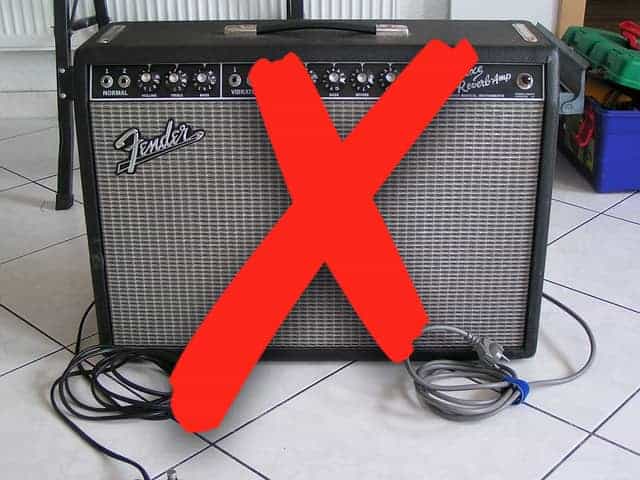
Guitar amps are built to emphasize midrange and high-end frequencies, while bass amps are tuned for low-frequency power and headroom. When you ask can you plug a bass into a guitar amp, the core technical issue is that guitar speakers and transformers are not designed for sustained low bass. That mismatch affects tone and risks overheating the speaker voice coil or amp transformer under high volume. Knowing the physical differences helps you predict when using a guitar amp with a bass might work and when it won’t.

Risks to speakers and electronics
Plugging a bass into a guitar amp can stress the speaker with low-frequency energy it cannot handle. If you push loud low notes, the speaker cone can over-excursion and the voice coil can rub or fail. Tube amps can heat up if driven hard by low frequencies for long periods, and solid-state amps can clip unpredictably. Understanding these risks is key if you want to try plugging a bass into a guitar amp without breaking gear.

When it's acceptable to plug a bass into a guitar amp
You can safely plug a bass into a guitar amp for quiet practice, DI recording through the amp’s effects, or tone experiments at low volume. If you keep levels low and avoid heavy sub-bass content, most guitar amps will survive short sessions. Also, smaller travel amps and modeling combos often handle a bass better because they simulate speaker response rather than rely on a single speaker’s mechanical limits. Use judgment: short, low-volume sessions are fine, loud gigs are not.

How to plug a bass into a guitar amp safely — step-by-step
Start by lowering the amp volume and amp gain before connecting the bass. Use the bass EQ flat or roll off extreme lows and gradually raise volume while listening for distortion or unwanted rattles. Consider using an inline high-pass filter, a DI box with speaker simulation, or a pedal that reduces sub frequencies before the amp. Always stop if you hear mechanical distortion, burning smells, or see the speaker cone hitting limits.

Tone trade-offs and musical considerations
If you plug a bass into a guitar amp you will notice a thinner low end and more midrange grind. This can be musically useful for certain genres where a growl or fuzzed mid-bass sits well in the mix. For styles that need deep, round low end, using a guitar amp will likely disappoint. Decide whether you want tonal character or accurate low-frequency reproduction when considering can you plug a bass into a guitar amp.
Alternatives and gear to bridge the gap
If you need the sound of a guitar amp but want safe bass handling, try these options:
- Use a DI box with speaker simulation to send a safe, amp-modeled signal to the PA or interface.
- Use a cabinet simulator pedal or plugin and run the guitar amp for coloration via effects loop or re-amping.
- Use a small bass practice amp designed to handle low end, or run a bass through a modeling amp that has guitar-amp voicings.
These approaches let you get the tonal character without putting speakers at risk.

Personal experience and lessons learned
Early in my gigging days I plugged my active bass into a 1×12 guitar combo for a small coffeehouse set. I kept the volume low, cut the lows, and leaned on the amp’s mids for presence. The tone was edgy and workable, but after the set I heard coil rubbing on one speaker—lesson learned: never push a guitar speaker for sustained low bass. Since then I use a DI and re-amp when I want guitar amp tone, and I only use a guitar amp for bass in practice at safe volumes.

Frequently Asked Questions of can you plug a bass into a guitar amp
Will plugging a bass into a guitar amp damage the amp?
It can, especially if you play loud and hit low notes often. Damage risk rises with volume, extended low-frequency content, and older or small guitar speakers.
Can I use pedals between a bass and a guitar amp?
Yes, pedals can help shape tone and protect the amp if they remove extreme lows or limit signal peaks. Use a compressor, EQ, or high-pass filter pedal to keep sub-bass energy manageable.
Are tube guitar amps more at risk than solid-state amps?
Tube amps can heat up and struggle with sustained low frequencies, but solid-state amps can also clip and drive speakers to failure. Both types have risks if abused.
Is it safe to use a modeling guitar amp with a bass?
Modeling amps often emulate speaker behavior and may handle a bass more safely at moderate volumes. Still, keep an eye on volume and speaker strain.
Can I use an external speaker cabinet with a guitar amp for bass?
You should avoid using a guitar cabinet with deep bass from a bass amp. Guitar cabinets are not built for sustained low frequencies, and mismatch can cause damage.
How do I protect my guitar amp if I plug a bass into it?
Lower volume, cut extreme lows with EQ, use a DI or speaker simulator, and limit session length. Monitor the amp for signs of stress like distortion or unusual sounds.
Conclusion
You can plug a bass into a guitar amp for low-volume practice, tone experiments, or short recordings, but you must respect the amp’s limits. Prioritize speaker protection by cutting sub-bass, using DI or modeling tools, and keeping levels conservative. Try the safe steps and alternatives here, test gently, and choose the setup that matches your musical goals. If this helped, try one safe experiment tonight, leave a comment about your rig, or subscribe for more practical rig advice.

Senior Music Reviewer
Alex Carter is a seasoned music reviewer with over a decade of experience in the world of sound and instruments. Passionate about helping musicians and enthusiasts make informed choices, he brings sharp insights and in-depth knowledge to every review. From classical instruments to modern gear, Alex combines technical expertise with a love for music to deliver content that resonates with readers.
As a Senior Music Reviewer and expert author on Tuneluma.com, Alex is dedicated to sharing honest evaluations, practical advice, and thoughtful commentary to guide readers in their musical journey.
Leave a Reply