The best mic for recording piano is a quality small-diaphragm condenser pair.
You sit down to capture a beautiful piano piece, but the playback sounds flat or muddy. It’s not your playing — it’s your mic and placement. Piano is a wide, dynamic instrument. It needs clarity in the highs, warmth in the lows, and clean mid detail. The right mic reveals every nuance. The wrong one misses the magic. In this guide, I break down real options you can buy today, explain how they behave on piano, and help you pick the best mic for recording piano for your room, budget, and style.
FIFINE AM8 USB/XLR Dynamic Microphone

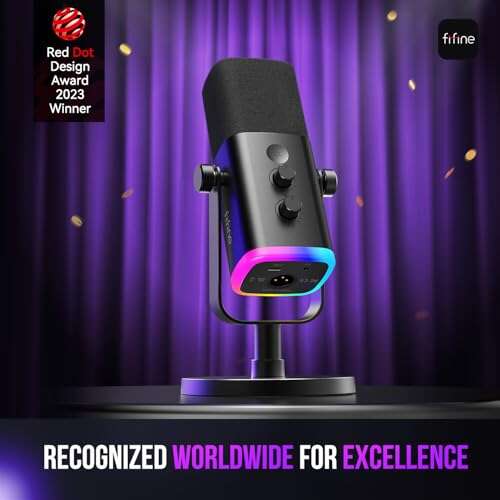
The FIFINE AM8 is a dynamic mic with USB and XLR outputs. It is built for voice and streaming, but it can pull piano duty in the right setup. Dynamic mics handle high volume well and reject extra room noise. That helps if you record in a noisy space or a living room with hard walls.
For upright pianos, I like placing a dynamic near the back panel or over the top, a few inches from the strings. The AM8’s tighter pickup can keep the room out and focus on the tone. You will not get the airy sparkle that small-diaphragm condensers give. But you get a solid, controlled sound that suits pop, lo-fi, and practice tracks.
Pros:
- USB and XLR give you flexible connections
- Good noise rejection in untreated rooms
- Handles loud sources without harshness
- Built-in mute and monitoring help workflow
- Rugged build for daily use
Cons:
- Less high-end detail than condensers
- Single mic means no native stereo
- RGB styling is not studio-focused
My Recommendation
If you want a clean, close piano tone in a less-than-ideal room, this is a smart buy. I recommend it for upright pianos, practice recording, songwriting demos, and pop or hip-hop layers. If you chase classical detail, it is not the best mic for recording piano. But for punchy mono tracks, it works well and at a friendly price.
| Best for | Why |
| Upright pianos in small rooms | Rejects room noise and keeps tone focused |
| Songwriting and demos | USB/XLR makes fast, simple setups |
| Pop and lo-fi textures | Clear mids and tight low end suit layered mixes |
Dejasound Studio Condenser Mic + Shield

This Dejasound kit pairs a condenser mic with an isolation shield and pop filter. The mic is sensitive and captures fine detail, which helps piano shimmer. The isolation shield can help a little with reflections, but it works best for voice. For piano, mic placement and the room matter more than a small shield.
In a pinch, use two of these for stereo if your interface supports it. A spaced pair above the strings gives a wide image. One mic can still work for tight mono tracks. If your aim is the best mic for recording piano on a budget, this gives you clear tone with simple accessories.
Pros:
- Crisp, sensitive condenser capsule
- Useful kit items for general recording
- Good value for entry-level studios
- Works with PCs, laptops, and phones (with proper adapters)
- Lightweight and easy to set up
Cons:
- Shield does little for piano sources
- May need a quiet room to shine
- Single mic limits stereo options
My Recommendation
Pick this if you want bright, clear piano and you record in a quiet room. It shines on upright or digital pianos, where you can position it close without room noise. It is not the best mic for recording piano in a large hall, but for home studio use, it does the job well and keeps costs low.
| Best for | Why |
| Budget home studios | Affordable condenser detail |
| Close-miked upright piano | Captures clear highs and presence |
| Content creators | Included shield and pop filter help with voice too |
Pyle PDMIKC5 Gooseneck Condenser Mic

The Pyle PDMIKC5 is a gooseneck condenser made for speech and conference rooms. It is not a classic piano mic, but it can capture practice or lessons. The gooseneck design is easy to position, which can be handy on a desk near a digital piano. You get XLR connectivity and a simple pop filter.
For acoustic piano, mount it near the soundboard for a clean mono capture. Do not expect big stereo depth or concert detail. But for teaching, rehearsal notes, and quick sketches, it works. If you need the best mic for recording piano in a pro way, look elsewhere. For simple voice-and-piano tasks, it fits.
Pros:
- Flexible gooseneck positioning
- Simple setup with XLR
- Compact desk footprint
- Affordable for basic needs
- Pop filter helps with speech
Cons:
- Not designed for high-fidelity piano
- Mono-only capture out of the box
- Requires a quiet room for best results
My Recommendation
If your priority is lessons, video calls, or quick piano memos, this mic is fine. I would not pick it as the best mic for recording piano for albums or serious projects. But if budget and convenience rule, it does enough and sets up fast.
| Best for | Why |
| Piano lessons and teaching | Easy desk placement and speech clarity |
| Practice recordings | Quick mono capture for review |
| Digital piano users | Compact and tidy on a workspace |
MAONO PD200W Hybrid Dynamic Mic

The MAONO PD200W is a dynamic mic that supports XLR and USB and is tailored for podcasting. It features noise cancellation software that can tame room buzz. On piano, this helps if you live near a street or have fans and HVAC noise. The mic’s dynamic capsule offers smooth mids and controlled highs.
For upright piano, I like placing it about 6–10 inches from the strings, off-axis to cut hammer clicks. In a tight room, this can give you a clean mono take. It is not a classic “piano mic,” but it can still make music. If you prioritize simplicity and clarity, it earns a look as the best mic for recording piano in noisy apartments.
Pros:
- Hybrid USB/XLR for any setup
- Noise cancellation helps in noisy rooms
- Close-mic focus reduces unwanted reflections
- Desktop stand included for quick use
- Good build at a fair price
Cons:
- Not as detailed as small-diaphragm condensers
- Mono-only unless you buy two
- Software features vary by OS
My Recommendation
I suggest this for creators who record piano plus voice and want one mic to do both. It suits upright and digital pianos, and it helps when your room is not treated. It may not be the best mic for recording piano in a concert hall, but in real homes, it can outperform many condensers due to less room pickup.
| Best for | Why |
| Noisy homes or apartments | Dynamic capsule and noise control help a lot |
| Piano plus podcasting | Hybrid connections and clear mids |
| Fast plug-and-play | USB path with included stand |
MAONO AU-A04 USB Condenser Mic Kit

The AU-A04 is a well-known budget USB condenser kit. It claims up to 192 kHz/24-bit sampling and includes a shock mount and boom arm. For piano, the condenser approach gives better detail than most dynamics. You hear more brightness and pedal textures.
One mic means mono, but you can buy two for stereo and pan them in your DAW. Place them as a spaced pair above the strings for a wide image. In a quiet room, this setup can sound lovely. If you want the best mic for recording piano without an interface, this is a very easy entry point.
Pros:
- Clear, bright condenser tone
- USB plug-and-play, no interface needed
- Includes boom arm and shock mount
- Great budget value
- Useful for voice and instruments
Cons:
- Picks up room reflections in untreated spaces
- USB-only limits pro routing options
- Single mic is not stereo
My Recommendation
For new home recordists, this is hard to beat. If you keep the room quiet and place the mic well, you get detailed piano that cuts in a mix. To chase a true stereo image, get a second AU-A04. It is not the single best mic for recording piano, but it might be the best bang for your buck to start.
| Best for | Why |
| First piano mic | Simple USB setup and solid detail |
| Budget studios | Complete kit reduces extra costs |
| Stereo on a budget | Buy two and pan for depth |
FIFINE K688 USB/XLR Dynamic Microphone
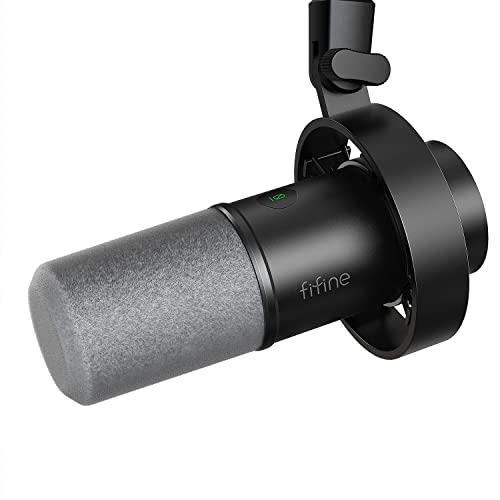
The K688 is a dynamic mic built for voice-over and streaming. It includes USB and XLR, onboard mute, and monitoring controls. For piano in tight rooms, it can sound clean and focused. The dynamic capsule reduces harsh room echoes.
I like it for upright pianos where you need a compact, close-mic setup. You trade some sparkle for control. If you aim to post short clips or combine piano with vocals, it’s a smart pick. It can be the best mic for recording piano when you value clarity in a noisy space.
Pros:
- USB/XLR flexibility for any rig
- Low room pickup helps in small spaces
- Handy mute and headphone controls
- Solid, all-metal body
- Fair price for features
Cons:
- Not as bright as condenser mics
- Mono capture unless you use two
- Needs careful placement to avoid dullness
My Recommendation
Choose the K688 if you record piano in a bedroom, office, or untreated living room. It favors a clean, mid-forward sound that sits well in modern tracks. It is not the best mic for recording piano for classical nuance, but it will keep the noise down and make mixes easy.
| Best for | Why |
| Small or noisy rooms | Dynamic pattern rejects reflections |
| Piano with vocals | Easy level control and monitoring |
| Content creation | Plug-and-play plus pro XLR path |
FIFINE AM8T USB/XLR Dynamic Mic Kit

The AM8T is a dynamic mic kit with USB/XLR and an included boom arm. It is designed for gaming and streaming, but it adapts to piano tasks. The boom arm helps with positioning over an upright’s soundboard or behind the piano. Close-miking reduces room reflections.
You get a controlled tone that favors mids and reduces harsh transients. For pop piano or layered beats, this works well. If you record in mono and post online, the sound is strong and clean. It is not the best mic for recording piano if you want natural stereo space, but it nails clarity and control.
Pros:
- Kit includes a sturdy boom arm
- USB/XLR connection flexibility
- Good rejection of room noise
- Mute and headphone features ease workflow
- Durable and reliable
Cons:
- Limited high-frequency air
- Monophonic out of the box
- RGB gaming look may not suit studios
My Recommendation
Get this if you want a one-box solution for piano, voice, and streaming. It is perfect for uprights and home setups where you want less room and more focus. While not the absolute best mic for recording piano in every case, it gives you stable, repeatable results at a great price.
| Best for | Why |
| Home studios without treatment | Dynamic capsule and close placement |
| Upright piano recording | Boom arm makes placement easy |
| Streaming and piano | USB/XLR with handy controls |
Shure SM57 Dynamic Instrument Mic

The Shure SM57 is a stage and studio legend. It is a dynamic, cardioid instrument mic that handles high SPL with grace. On piano, it captures punchy mids and solid transients. You can place it close to strings without fear.
Use a pair for stereo and you get a focused, mix-ready image. It will not deliver the airy sheen of small-diaphragm condensers. But it can beat many cheap condensers in untreated rooms. If you want a proven, durable tool, this may be the best mic for recording piano in noisy practice spaces.
Pros:
- Rugged, road-proven build
- Great handling of loud sources
- Good rejection of room spill
- Affordable and easy to find
- Works across many instruments
Cons:
- Less high-end sparkle
- Needs an interface and preamp
- Mono unless you buy two
My Recommendation
If you gig, teach, and record in the same room, the SM57 is a safe pick. It is tough, consistent, and sounds musical on upright and grand with close placement. It might not be the single best mic for recording piano in a concert hall, but in real rooms it is a workhorse I trust.
| Best for | Why |
| Live and studio crossover | Durable with reliable tone |
| Untreated rooms | Rejects ambient noise well |
| Budget stereo setups | Buy two for tight stereo imaging |
happymusic CM2 Pencil Condenser Mic

The CM2 is a pencil condenser with interchangeable capsules: omni, cardioid, and supercardioid. That flexibility is golden for piano. Small-diaphragm condensers capture fast transients and airy highs. You hear hammer attack, damper noise, and room bloom with nuance.
Use omni for natural room tone if your space sounds good. Use cardioid or supercardioid to focus on the instrument and reduce reflections. Buy a second CM2 for stereo and run them as a spaced pair or XY. If you ask me the best mic for recording piano at home with detail and depth, this type is the clear winner in this list.
Pros:
- Interchangeable capsules adapt to any room
- Small-diaphragm detail and speed
- Great for stereo pairs
- Natural top end for acoustic instruments
- Lightweight for easy positioning
Cons:
- Needs phantom power and an interface
- Picks up room tone, good or bad
- One mic is mono; two increase cost
My Recommendation
This is my pick if you want the most “piano-like” piano in a recording. Get two CM2s, use cardioid or omni based on your room, and you will hear depth and shimmer. For many players, this is the best mic for recording piano because it gives you the truth of the instrument with options to tune pickup to your space.
| Best for | Why |
| Stereo acoustic piano | Small-diaphragm detail and imaging |
| Good-sounding rooms | Omni capsules capture natural space |
| Flexible setups | Swap patterns to fit your environment |
FAQs Of best mic for recording piano
Do I need a stereo pair to record piano?
No, but stereo helps. Piano is wide. Two mics give space and depth. Mono works for demos and pop layers.
Should I use condenser or dynamic mics for piano?
Condensers give more detail and air. Dynamics reject room noise and handle close placement. Pick based on your room and goal.
Where should I place mics on an upright piano?
Try above the soundboard, 6–12 inches back, angled off-axis. For more warmth, move lower. For bite, move higher near hammers.
Is USB good enough for piano recording?
Yes for home use. USB is easy and clean. XLR with an interface gives more control and upgrade paths.
What sample rate and bit depth should I use?
24-bit is key. Use 48 kHz or 96 kHz if your system allows. Focus on good gain staging and placement first.
Final Verdict: Which Should You Buy?
If you want clarity, realism, and flexible pickup, the happymusic CM2 pencil condenser (preferably as a pair) is the best mic for recording piano from this list. It captures detail, space, and vibe.
Need control in a noisy room? Go with a dynamic like the Shure SM57 or FIFINE K688. For plug-and-play, the MAONO AU-A04 gives affordable detail and makes the best mic for recording piano feel within reach.

Leave a Reply