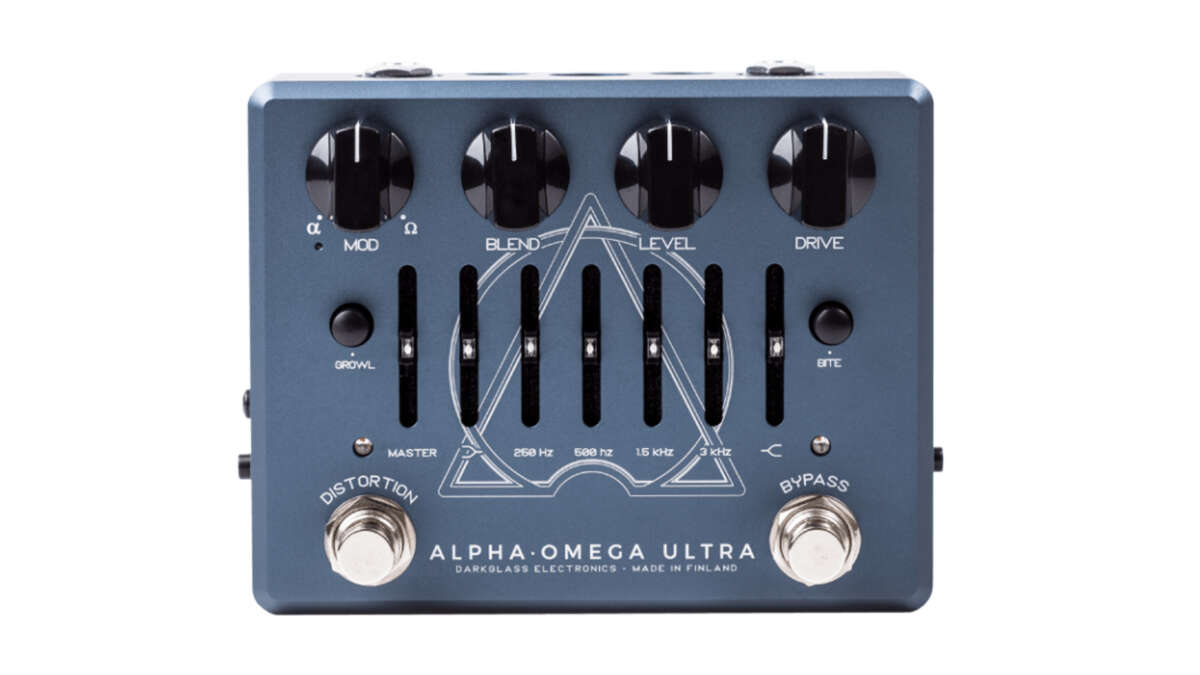
Can You Use Guitar Pedals For Bass: Expert Tips & Gear
Yes — many guitar pedals work on bass when used with buffering, proper EQ, and smart routing.
I’ve spent years testing guitar pedals with bass rigs, on stage and in the studio. This article answers can you use guitar pedals for bass in full. I explain which pedals work, which to avoid, how to hook them up, and real-world tips from my experience. Read on to get solid, practical advice so your bass tone stays big and clear.

Why players ask "can you use guitar pedals for bass"
Players ask can you use guitar pedals for bass because pedalboards are cheap and full of tone. Many guitar pedals will respond well to a bass signal. Some do not preserve low end. That creates confusion for bassists seeking effects without losing body.
Below I explain why some pedals work and why some fail. I also cover technical fixes. You will learn to use pedals that keep your low notes strong.
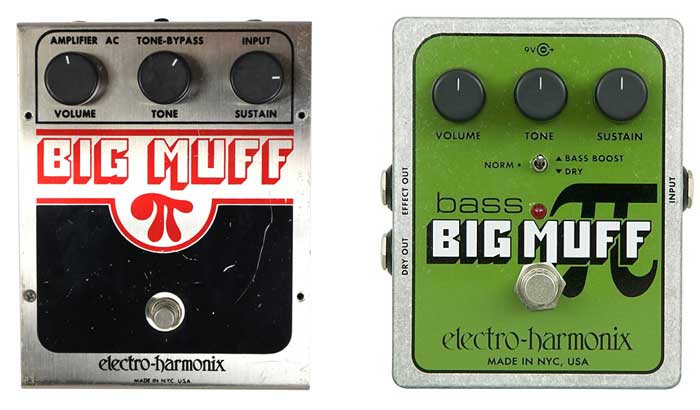
Types of guitar pedals that work well for bass
When you ask can you use guitar pedals for bass, start with pedal type. Some pedal families suit bass very well.
- Overdrive and distortion pedals
- Several overdrives add grit without killing low end. Use low gain settings and blend dry signal with wet when possible.
- Compression pedals
- Compressors tighten bass tone. They help effects sit in the mix. Most guitar compressors work fine for bass.
- Modulation pedals
- Chorus, phaser, and flanger can sound great on bass. Pick units with deep or low-frequency support.
- Delay and reverb
- Short delays and plate reverbs add space. Use low-pass or hi-cut controls to avoid muddying the low end.
- Octave and pitch pedals
- Some octave pedals track poorly on bass. Choose units designed for low frequency or that accept low strings.
Each type will react differently when you ask can you use guitar pedals for bass. Test each pedal at rehearsal volume. Trust your ears over labels.

Pedals to avoid and why
Not every guitar pedal answers can you use guitar pedals for bass positively. Some designs remove low frequencies or fail to track bass notes.
- Fuzz pedals with no low-end pass
- Many fuzzes cut bass and add harsh mids. They can thin low notes.
- Small-signal fuzz and octave pedals
- These often expect guitar frequency ranges. Low string tracking may be poor.
- Pedals with no buffer and long cable runs
- Passive circuits can cause tone loss when chained. Bass frequencies suffer most.
If you love a guitar pedal, try it with an amp and DI at rehearsal. You can often tweak EQ to rescue the sound. Still, a pedal that kills your low end is best avoided.

Signal chain, impedance, and level tips for bass
Ask can you use guitar pedals for bass, and consider signal chain. The order of pedals matters for clarity.
- Use a tuner first to get a clean reference.
- Place compressors early to even level.
- Put pitch and octave after compression for stable tracking.
- Put modulation and time-based effects later for space.
Buffering and impedance
- Use a buffer or buffered pedals to protect low frequencies.
- Active bass pickups can drive pedals better than passive ones.
- If you run long cables, add a buffer at the start.
Level matching
- Keep levels conservative. Clip at the amp can ruin tone.
- Use a DI box with ground lift and level control for direct recording.
These steps answer many practical issues when you ask can you use guitar pedals for bass. They keep low end tight and present.
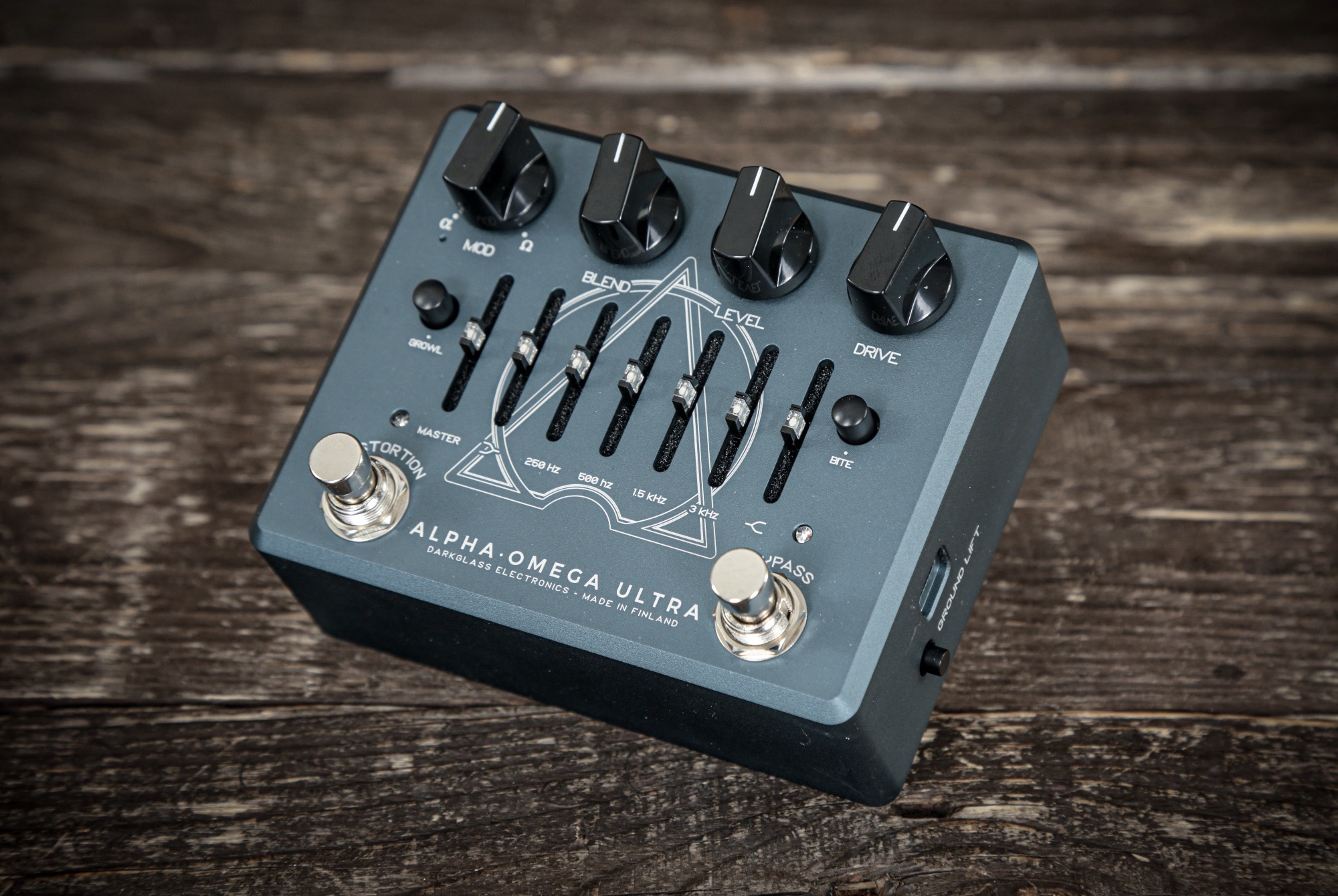
Practical setup examples and patches (real-world tests)
Here are setups I use when testing can you use guitar pedals for bass on stage and in the studio.
- Clean DI with mild compression
- Tuner -> Compressor -> Buffer -> DI. Great for funk and pop. This keeps attack and low end.
- Gritty rock bass
- Tuner -> Compressor -> Overdrive (low gain) -> EQ -> Amp. Overdrive gives growl without losing body.
- Synth-style bass
- Tuner -> Octaver (designed for low range) -> Chorus -> Delay -> DI. Use low-pass filters on modulation and delay.
I once used a vintage guitar fuzz on a bass in a recording. I rolled off lows with the amp and blended the fuzz 30 percent. The low notes stayed thick. The lesson: use EQ and blending.

Buying advice and troubleshooting
When deciding can you use guitar pedals for bass, buying the right pedal helps. Try before you buy when you can.
- Test with low strings at stage volume.
- Ask if the pedal has a buffer or selectable bypass.
- Look for pedals that advertise low-frequency tracking.
- Consider bass-specific versions of popular guitar pedals.
Troubleshooting quick checklist
- If lows are thin, insert a buffer or active preamp.
- If tracking is poor, lower the octave or gain and retry.
- If the mix is muddy, cut low frequencies on time and modulation effects.
These steps save money and time. They help you decide which guitar pedals are safe for bass use.
Frequently Asked Questions of can you use guitar pedals for bass
Will guitar distortion pedals damage my bass sound?
No. Guitar distortion pedals will not damage your bass physically. They can thin the low end if not used carefully, so use EQ and blending to keep body.
Do I need a buffer to use guitar pedals for bass?
Often yes. A buffer prevents low-frequency loss from long cable runs and multiple true-bypass pedals. Many bassists add a buffer at the start of the chain.
Can I use a guitar fuzz pedal for bass?
Sometimes. Some fuzz pedals cut lows and track poorly on bass. If you use one, tame the highs and blend the effect with the dry signal.
Are octave pedals for guitar good for bass?
Not always. Guitar octave pedals often struggle with low notes. Pick octave pedals that list low-frequency tracking or choose bass-specific models.
Should I use pedal tuner or amp tuner for bass?
Use a pedal tuner first for silent tuning on stage. Pedal tuners designed for bass cover lower frequencies better than many guitar tuners.
Can I run pedals into a bass amp and PA at the same time?
Yes. Use a DI or line out from your amp or a splitter to feed both. Make sure levels and phase are set correctly to avoid cancellation.
Conclusion
Using guitar pedals for bass is possible and common when you follow simple rules. Pick pedals that support low frequencies, add buffering, and use smart signal order. Test at stage volume and tweak EQ to keep low end strong. Try one new pedal at a time and listen carefully. Experiment, trust your ears, and share your results or questions below to keep learning and improve your bass tone.

Senior Music Reviewer
Alex Carter is a seasoned music reviewer with over a decade of experience in the world of sound and instruments. Passionate about helping musicians and enthusiasts make informed choices, he brings sharp insights and in-depth knowledge to every review. From classical instruments to modern gear, Alex combines technical expertise with a love for music to deliver content that resonates with readers.
As a Senior Music Reviewer and expert author on Tuneluma.com, Alex is dedicated to sharing honest evaluations, practical advice, and thoughtful commentary to guide readers in their musical journey.