How To Disassemble An Upright Piano: Step-By-Step Guide
Remove the outer case, unscrew the action, lift keys and parts out slowly and label everything.
I’ve disassembled dozens of upright pianos for tuning, moving, and repair. This guide explains how to disassemble an upright piano clearly and safely. I will walk you step by step, share pro tips from real jobs, and point out common mistakes. Read on to learn the exact tools, the order of removal, and how to keep every piece safe for storage or transport.

Tools, materials, and safety gear you need
You will need the right tools and gear to disassemble an upright piano safely. Use simple tools and protect the instrument and yourself. Below is a checklist of the basics I use on every job.
- Screwdriver set, flat and Phillips, mixed sizes
- Socket wrench set and adjustable wrench
- Pliers, needle-nose pliers, and wire cutters
- Soft cloths, felt pads, and moving blankets
- Heavy-duty straps and a piano dolly
- Labels, masking tape, permanent marker, and zip bags
- Gloves, safety glasses, and knee pads
Always work with a partner when lifting heavy pieces. Upright piano parts can be awkward and heavy. A piano can tip if unsupported. Wear gloves and eye protection when working near pins and strings.
 assembly assessment and planning”
style=”max-width: 100%; height: auto; border: 2px solid black; border-radius: 10px; display: block; margin: 0 auto;”
loading=”lazy”
/>
Pre-disassembly assessment and planning
Always start with a quick assessment of the piano. You should know the model, condition, and any damage before you begin. This saves time and prevents surprises.
- Inspect the case for cracks and loose trim pieces.
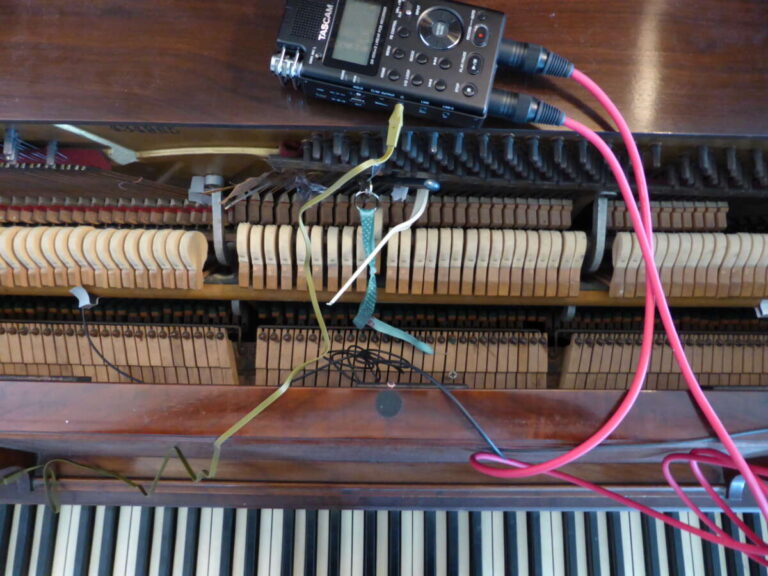
- Open the lid and look at the action and strings.
- Note rust, loose pins, or broken components.
- Take photos from several angles for reference.
I always take clear photos. They help during reassembly. Measure the piano and the doorways. Plan how you will move large parts out of the room. This prevents last-minute crises.

Step-by-step process: how to disassemble an upright piano
Follow this order to keep work safe and logical. Each step builds on the last. Move slowly and label every part.
-
Prepare the workspace
- Clear a wide, level area near the piano.
- Lay down blankets and pads for parts.
- Keep tools within reach.
-
Remove the music desk and fallboard
- Open the music desk gently.
- Unscrew any visible screws holding it.
- Slide out the fallboard; store it flat and labeled.
-
Take off the top lid and upper panel
- Unscrew the top hinges or bolts.
- Lift straight up with a partner.
- Set the lid on padded blankets.
-
Remove the front panel and key slip
- Unscrew the front panel screws.
- Pull the panel off carefully to avoid finish chips.
- Remove the key slip (the small strip above keys).
-
Remove the keys (if removing the action)
- Note alignment and take photos of key spacing.
- Work row by row and label groups of keys.
- Lift keys gently; keep felt bushing pads intact.
-
Remove the action assembly (hammer rail and mechanism)
- Unscrew the action brackets or pins.
- Lift the entire action straight out with two people.
- Place it on a flat padded surface. Avoid tilting.
-
Remove the fallboard and pedal lyre
- Unscrew pedal assembly bolts from the bottom.
- Support the pedal lyre while removing fasteners.
- Label linkage rods and small parts.
-
Remove strings, tuning pins, or soundboard (only if necessary)
- Cutting or loosening strings is risky and usually not needed for moving.
- If removing strings, label and store coils safely.
- Removing the soundboard is for restoration shops only.
-
Final disassembly of case and trim
- Remove remaining screws and brackets.
- Keep all hardware in labeled bags.
- Wrap and protect each major piece for transport.
Work slowly. Stop if something binds or resists. For repairs involving strings or soundboards, consult a technician. These steps show how to disassemble an upright piano safely for moving or repair.

Labeling, inventory, and parts care
Good labeling saves hours later. Pack small parts carefully. Treat felt, hammers, and wooden surfaces as fragile.
- Use masking tape and a marker to label where each part belongs.
- Put screws and bolts in sealed bags labeled by location.
- Keep felt pieces and hammers flat on padded surfaces.
- Stack keys in the original order; use a photo reference if needed.
I once rebuilt a piano after a move by relying on labeled bags and photos. The job went fast because I took time to label correctly. This step is small but critical.

Moving and storage tips for large parts
Heavy parts need special care. The cabinet and soundboard are the heaviest. Use proper equipment and partners.
- Use a piano dolly and heavy straps to move the cabinet.
- Carry the action and soundboard flat when possible.
- Store parts upright in a dry, climate-controlled space.
- Avoid leaning the soundboard on its edge for long periods.
Humidity and temperature change can warp wood. Keep parts off damp floors. If you must store outdoors, cover parts but allow air flow to prevent mold.

Reassembly basics and common pitfalls to avoid
Think in reverse when reassembling. Keep fasteners grouped and follow photos. Watch these common mistakes.
- Avoid forcing parts into place; align first then tighten.
- Don’t mix screws from different areas; they can strip holes.
- Reinstall the action gently and check alignment before final tightening.
- Test keys and pedals after partial assembly to catch issues early.
If action regulation is needed, leave final tuning and voicing to a pro. Reassembly may seem simple, but tiny errors affect playability.
My top pro tips from real jobs
These are the short lessons I learned from years of disassemblies. They make the job easier and safer.
- Take photos at every step. They are worth the effort.
- Label and bag fasteners immediately after removal.
- Use soft wood blocks to protect key edges when moving.
- Keep a small notebook of measurements for hinge and screw positions.
- Work with a calm partner and take breaks to avoid mistakes.
These tips prevent most headaches. They helped me save time on many jobs and prevented damage.
Frequently Asked Questions of how to disassemble an upright piano
How long does it take to disassemble an upright piano?
A basic disassembly for moving takes about 2 to 4 hours with two people. Full teardown for repair can take a full day or more.
Do I need a professional to remove the action or soundboard?
Removing the action is doable for a careful DIYer, but soundboard removal needs a pro. Soundboards and strings are delicate and costly to damage.
Will disassembling void a piano warranty?
Many warranties do not cover DIY work and may be voided by disassembly. Check your warranty terms before you start.
How should I store keys and hammers to avoid damage?
Keep keys and hammers flat on padded surfaces and store in climate-controlled spaces. Label and stack keys in order to ease reassembly.
Is it safe to cut piano strings for disassembly?
Cutting strings is not recommended unless necessary and only for experienced technicians. Loose strings can recoil and cause injury.
Can I move an upright piano through narrow doorways after disassembly?
Yes, disassembled parts often fit through tight spaces. Measure doorways and plan routes before you start removing parts.
Conclusion
Disassembling an upright piano is methodical work. Use the right tools, take clear photos, label parts, and work with a partner. Follow the steps here to keep the piano safe and make reassembly easier. If you feel unsure at any point, call a trained technician for help. Try one small step today: take photos and label one section of your piano, then share your progress or questions below to keep learning.

Senior Music Reviewer
Alex Carter is a seasoned music reviewer with over a decade of experience in the world of sound and instruments. Passionate about helping musicians and enthusiasts make informed choices, he brings sharp insights and in-depth knowledge to every review. From classical instruments to modern gear, Alex combines technical expertise with a love for music to deliver content that resonates with readers.
As a Senior Music Reviewer and expert author on Tuneluma.com, Alex is dedicated to sharing honest evaluations, practical advice, and thoughtful commentary to guide readers in their musical journey.