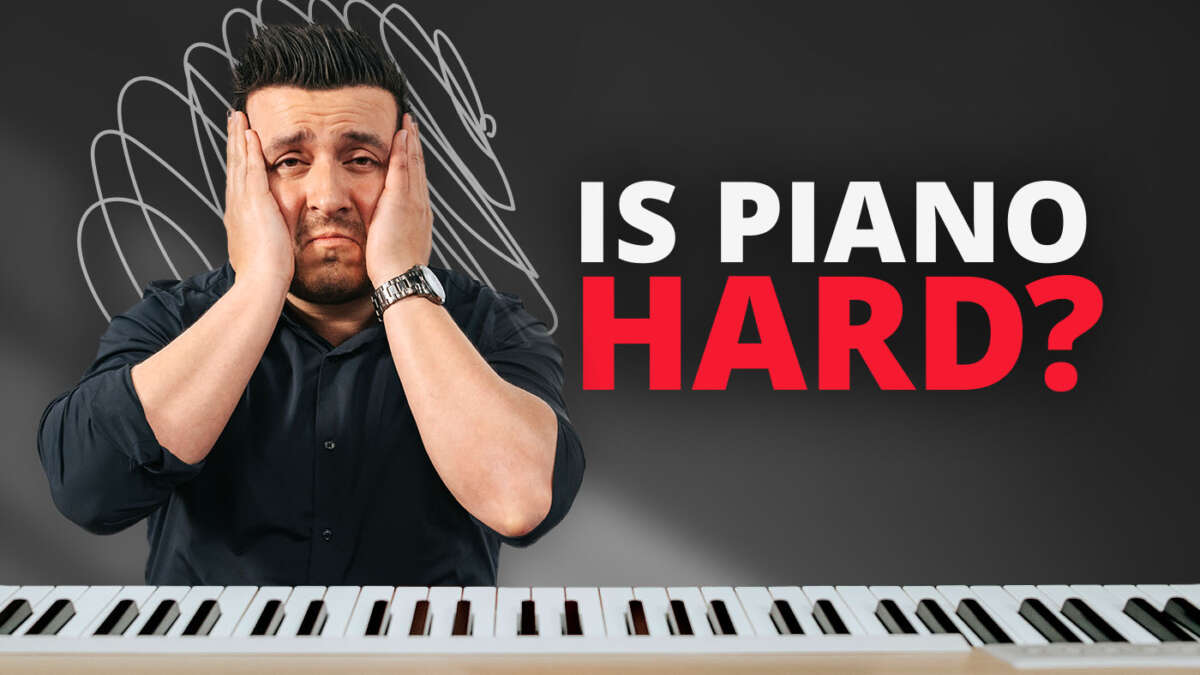
How Difficult Is It To Learn The Piano: Real Tips
Learning piano is reachable for most people with steady practice, smart methods, and patience.
I’ve taught and played for years, and I’ll walk you through how difficult is it to learn the piano in plain terms. I’ll explain the real challenges, the factors that change difficulty, and practical steps you can use. Read on to learn what to expect, how to set goals, and how to make steady progress with confidence.

Why the question "how difficult is it to learn the piano" matters
People ask how difficult is it to learn the piano because expectations shape effort. If you think it’s impossible, you may never start. If you expect instant mastery, you will get frustrated.
I’ve worked with beginners, teens, and adults. I’ve seen quick wins and slow-burning success. Understanding difficulty helps you choose a path that fits your life and goals.
Factors that determine how difficult is it to learn the piano
Difficulty is not one thing. It depends on several clear factors you can control or accept.
- Age and brain plasticity Age can change pace, but adults often learn efficiently because they bring focus and discipline.
- Musical background If you know another instrument or read music, the learning curve shortens.
- Practice quality and frequency Short, focused sessions beat long, unfocused ones. Daily habits make piano easier over time.
- Instruction and resources Good teachers or well-designed apps speed progress and reduce frustration.
- Physical factors Finger strength, hand size, and coordination matter for certain pieces, but they can improve with exercise.
- Goals and repertoire Learning to play simple songs is much easier than mastering complex classical works.
These factors change how difficult is it to learn the piano for each person. Knowing which factors apply to you lets you plan smarter.

Realistic timeline: how difficult is it to learn the piano by stages
Set clear stages. This reduces the fear around how difficult is it to learn the piano and gives you wins to track.
- Month 1 to 3 You learn posture, basic hand positions, simple melodies, and rhythm. Expect steady, visible progress.
- Months 4 to 12 You expand repertoire, read basic sheet music, and improve coordination. Many can play simple songs confidently.
- Year 1 to 3 You build technique, sight-reading, and expressiveness. Complexity grows; pieces become more rewarding but also more demanding.
- Years 3+ Advanced technique and repertoire require focused practice and often formal study. Mastery becomes a long-term pursuit.
How difficult is it to learn the piano shifts across these stages. Early stages are accessible. Advanced stages ask for time, focus, and persistence.
Common obstacles and practical fixes when asking how difficult is it to learn the piano
Knowing common problems helps you avoid them and stay motivated.
- Slow progress Break songs into small parts and track tiny wins to keep motivation high.
- Poor practice habits Use focused goals: warm-up, technical work, repertoire, and review. Ten to twenty minute focused slots beat unfocused hours.
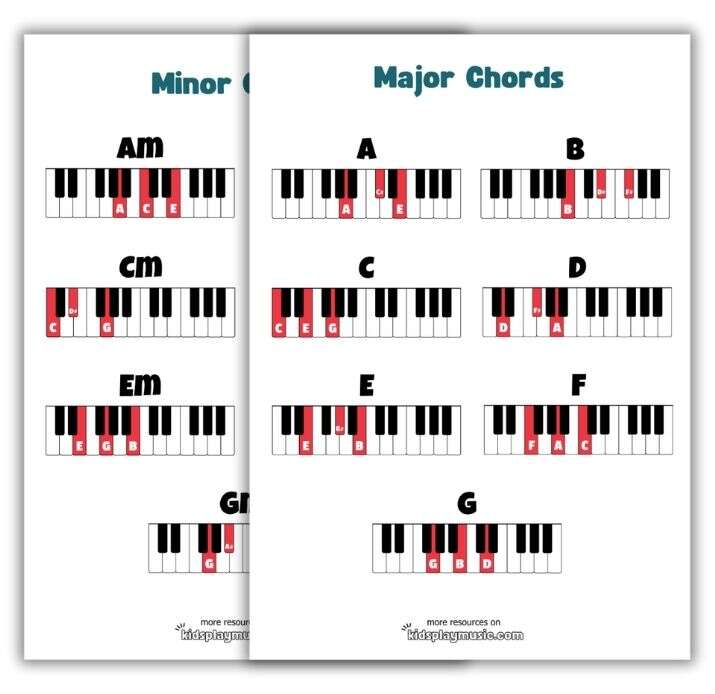
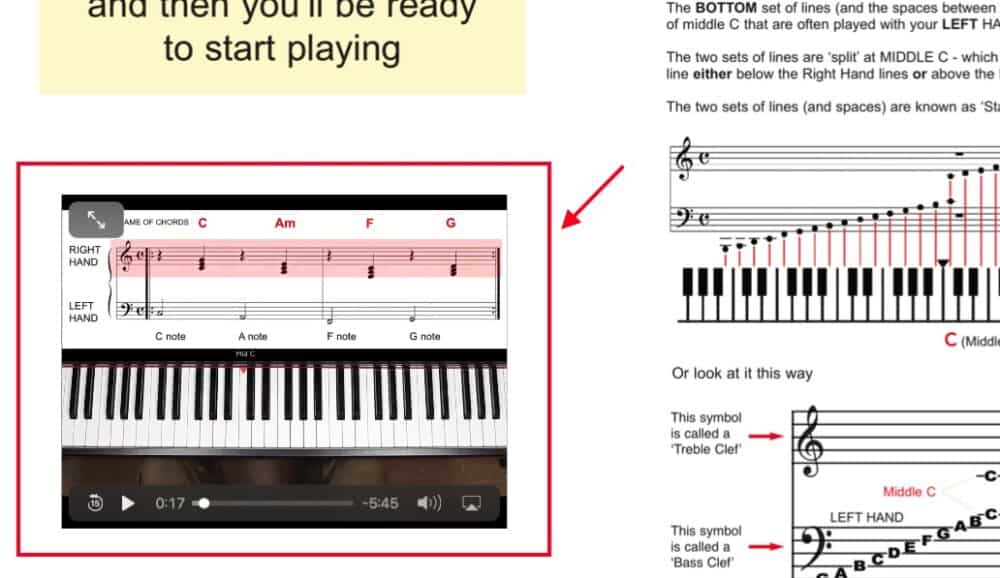
- Frustration with reading music Start with chord shapes and patterns, and add reading gradually. Use simple sheet arrangements first.
- Coordination issues Practice hands separately, then slowly together. Use a metronome and small tempo increases.
- Lack of guidance Try short lessons with a trusted teacher or a structured online course to cut down wasted effort.
Addressing these makes the question how difficult is it to learn the piano less scary and more solvable.
Practice strategies that lower how difficult is it to learn the piano
How you practice matters more than how long. Smart, consistent practice reduces perceived difficulty fast.
- Set micro-goals Choose 1 or 2 small targets per session. Focus beats volume.
- Use the rule of slow and steady Practice slow to build coordination, then add speed. Accuracy first.
- Apply spaced repetition Return to tricky passages frequently over days, not just in one session.
- Mix technique and music Balance scales and exercises with real songs to keep practice fun and useful.
- Record yourself Listening back reveals small issues you miss while playing. Adjust accordingly.
- Use a metronome It builds steady time and ease in coordination.
These strategies change how difficult is it to learn the piano by turning vague practice into a clear plan.
Learning paths, tools, and resources to reduce difficulty
Choose a path that fits your goals and time. The right tools make the question how difficult is it to learn the piano much easier.
- Private teacher Best for tailored feedback and fast correction of bad habits.
- Group classes Good for motivation and basic skills at lower cost.
- Online courses and apps Offer structure and convenience. Ideal for steady, self-paced learners.
- Books and method series Great for self-learners who like a clear sequence.
- Keyboard vs acoustic piano A weighted keyboard mimics piano feel. Full-sized keys help technique.
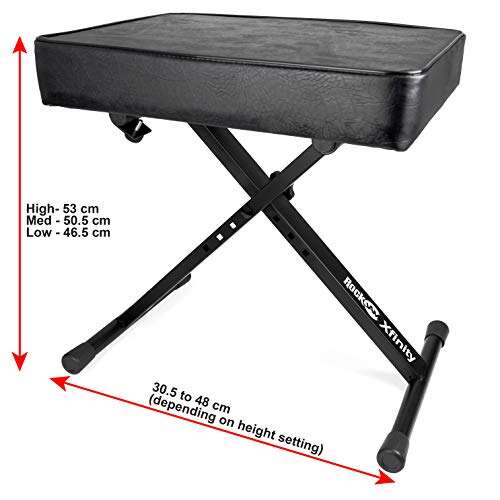
- Accessories Use headphones for quiet practice and a bench that supports correct posture.
I learned many pieces by blending lessons with app practice. That mix cut frustration and sped up progress. Choosing the right mix will lower how difficult is it to learn the piano for you.

Frequently Asked Questions of how difficult is it to learn the piano
How long does it take to play simple songs?
Most people can play simple songs within a few weeks to a few months with regular practice. Consistent daily practice of 15–30 minutes speeds progress.
Is it harder to learn piano as an adult?
Adults often learn more efficiently because they can focus and plan practice. The physical learning may be slower, but motivation and discipline often make up for it.
Do I need to read music to play piano?
No, you can learn songs by ear or using chord charts, but reading music opens more repertoire and speeds learning long-term.
Will finger size or hand span limit me?
Hand size can influence some advanced repertoire, but technique and smart fingerings usually overcome most limits. Many great pianists adapted successfully.
Can I learn piano without a teacher?
Yes, you can, using apps, method books, and recorded feedback. Many learners do best with occasional teacher check-ins to correct bad habits.
How important is practice frequency over duration?
Frequency matters more. Short daily sessions build skill better than long, infrequent ones. Aim for consistent, focused practice every day.
What’s the hardest part of learning piano?
Coordination and reading while playing are common early hurdles. With structured practice, both become manageable skills.
Conclusion
Learning piano is a clear mix of doable steps and longer challenges. Early progress comes fast for many. Advanced mastery needs time and focused work. Keep goals small. Track progress. Use smart practice and good guidance.
Start with short daily sessions and one simple song. Revisit technique often and get feedback. If you stay patient and consistent, you will transform the question how difficult is it to learn the piano into a story of steady success.
Try a focused two-week plan, join a lesson, or leave a comment about your biggest obstacle. I’d love to hear your progress and help pick the next song to learn.

Senior Music Reviewer
Alex Carter is a seasoned music reviewer with over a decade of experience in the world of sound and instruments. Passionate about helping musicians and enthusiasts make informed choices, he brings sharp insights and in-depth knowledge to every review. From classical instruments to modern gear, Alex combines technical expertise with a love for music to deliver content that resonates with readers.
As a Senior Music Reviewer and expert author on Tuneluma.com, Alex is dedicated to sharing honest evaluations, practical advice, and thoughtful commentary to guide readers in their musical journey.