How To Play Nettspend On Piano: Easy Step-By-Step Guide
Play the Nettspend jingle by learning the melody, matching basic chords, and practicing hands‑together slowly.
I’ve taught and arranged dozens of short jingles and viral tunes, so I know how to break a small piece like Nettspend into easy, playable chunks. If you want to learn how to play nettspend on piano, this guide gives a clear, practical roadmap: find the melody, map the chords, build a left‑hand groove, and then put it all together for a polished performance. Read on for step‑by‑step instructions, examples, practice plans, and tips I use with students to master short commercial tunes fast.

Understanding the Nettspend melody and structure
Start by listening closely to the Nettspend audio you want to play. Most Nettspend jingles are short and use a simple, memorable melody and a 2–4 chord loop. Focus first on the melodic phrase that repeats; that is the part listeners recognize.
Short steps to analyze structure:
- Listen 5–10 times and hum the main motif.
- Identify the length—usually 4 or 8 bars.
- Note any repeated ending or pickup notes that define the phrase.
When you practice how to play nettspend on piano, the melody is your anchor. Learn it by ear or use a simple transcription. I often slow recordings to 60–70% speed to catch small ornaments. After a few slow repeats, the melody will feel natural.

Finding the key and basic chords
Most jingles sit in an easy key like C, G, or F major. Pick a key that fits your vocal range if you want to sing along, or transpose to C major for simpler fingering.
How to find chords quickly:
- Play the melody note and try root triads under it to hear a match.
- Listen for the "home" chord—where the phrase feels resolved.
- Test common progressions: I–V–vi–IV, I–IV–V, or I–vi–IV–V.
A sample progression you can try when learning how to play nettspend on piano:
- If in C major: C — G — Am — F (one bar each).
- Melody example above C: E E D C | G G E — (play slowly).
That simple progression supports most short ad melodies. I recommend starting with triads, then add sevenths for color once you’re comfortable.

Left‑hand patterns and groove
A static left hand can sound flat. Choose one simple pattern and repeat it to create momentum. The Nettspend sound often wants a clean, poppy feel.
Pattern options:
- Root‑fifth alternating: play root then fifth on beats 1 and 3.
- Block chords: hold the full triad on beat 1 and release.
- Broken arpeggio: play root‑third‑fifth in an even rhythm.
Practice tip: when learning how to play nettspend on piano, record a loop of 4 bars and play your left‑hand pattern until it’s steady. My students get big gains by practicing left hand for 5 minutes before adding melody.

Right‑hand voicing and ornamentation
The melody should sing. Use clear fingered phrasing, and add tasteful ornaments only if they match the original jingle.
Voicing tips:
- Use fingers 1–3 for short motifs; reserve 4–5 for wide reaches.
- Add a small grace note or slide into a long note to mimic vocal inflection.
- Keep dynamics consistent—> the melody should be louder than accompaniment.
When polishing how to play nettspend on piano, subtle ornaments are more convincing than flashy runs. Simplicity with confident rhythm sells the tune.

Putting hands together: step‑by‑step practice plan
Combine hands slowly and deliberately. Break the piece into tiny chunks and glue them together.
Step plan:
- Learn melody hands‑alone for 5–10 minutes.
- Practice left hand alone for 5 minutes using a steady pattern.
- Combine hands for 2 bars at 60% tempo, repeat 10 times.
- Gradually increase tempo in 5–10% increments.
- Record and listen, then fix timing or balance issues.
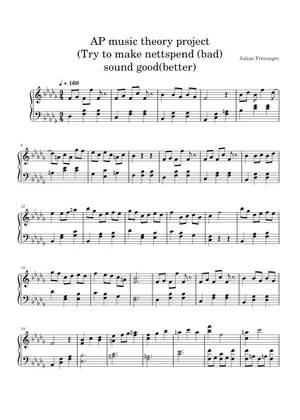
This progressive approach is how I teach students to learn how to play nettspend on piano in short practice sessions that yield reliable progress.
Arranging tips for different skill levels
Make the piece your own based on ability. A simple arrangement can sound full, and an advanced one can impress without losing the core melody.
Beginner arrangement ideas:
- Melody in right hand, block chords in left.
- Keep tempo steady and hands in middle register.
Intermediate arrangement ideas:
- Add syncopated left‑hand groove and simple fills.
- Use chord inversions to make smoother voice leading.
Advanced arrangement ideas:
- Add counter‑melody in left hand and tasteful reharmonization.
- Use rhythmic displacement or modulation for variety.
If you aim to perform how to play nettspend on piano live, pick one arrangement and polish it rather than toggling between too many versions.

Common mistakes and how to fix them
Many players rush the melody or let the left hand overpower the tune. Small fixes make a big difference.
Common issues and fixes:
- Rushed melody — practice with a metronome at slow tempo.
- Muddy chords — play left hand softer or use inversions.
- Uneven phrases — mark breathing points and phrase clearly.
From my teaching experience, patience and repetition are the two most reliable fixes when learning how to play nettspend on piano. Slow is smooth; smooth is fast.

Tools and resources to speed learning
Use simple tools to speed up transcription and practice. Technology can help without replacing ear training.
Useful tools:
- Slow‑down audio app to learn melody by ear.
- Simple notation software to jot down chords.
- Metronome and recorder to track tempo and balance.
I personally record every practice session. Listening back shows mistakes you miss while playing and helps you refine how to play nettspend on piano efficiently.

Frequently Asked Questions of how to play nettspend on piano
How long will it take to learn how to play nettspend on piano?
Most students can learn the basic melody and chords in one to three practice sessions of 20–30 minutes. Getting a polished version may take several focused sessions over a few days.
Do I need sheet music to learn how to play nettspend on piano?
No. You can learn by ear, but a simple lead sheet of melody and chords speeds things up and helps with arranging for performance.
What key should I choose when learning how to play nettspend on piano?
Start in C major for simplicity, then transpose to G or F if you need a brighter or lower sound, or to match a singer’s range.
Should I use sustain pedal for nettspend on piano?
Use the pedal sparingly. Short jingles often require clarity, so light pedal or no pedal keeps the melody crisp.
How do I make my rendition of nettspend sound professional?
Focus on steady rhythm, balanced dynamics, and clean voicings. Record, listen, and refine one small section at a time to reach a professional sound.
Conclusion
Learning how to play nettspend on piano is a manageable and rewarding project. Focus first on the melody, lock in a simple left‑hand groove, and practice hands‑together slowly. Use small, repeatable practice steps and record yourself to track progress. Try one arrangement, polish it, and then experiment with color and ornamentation once you’re confident.
Take action today: pick a two‑bar phrase, slow it down, and play it ten times hands‑together. If you enjoyed this guide, try another short jingle and leave a comment with your progress or questions.

Senior Music Reviewer
Alex Carter is a seasoned music reviewer with over a decade of experience in the world of sound and instruments. Passionate about helping musicians and enthusiasts make informed choices, he brings sharp insights and in-depth knowledge to every review. From classical instruments to modern gear, Alex combines technical expertise with a love for music to deliver content that resonates with readers.
As a Senior Music Reviewer and expert author on Tuneluma.com, Alex is dedicated to sharing honest evaluations, practical advice, and thoughtful commentary to guide readers in their musical journey.