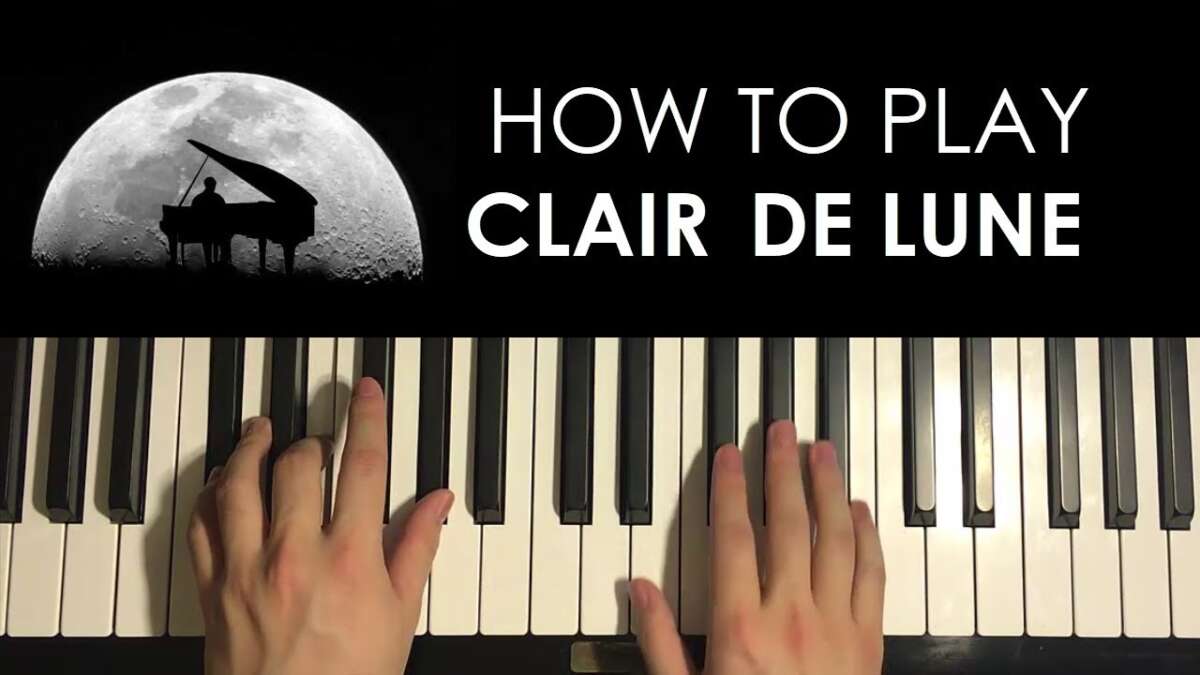
How To Play Clair De Lune On Piano: Step-By-Step Guide
Play Clair de Lune on piano by learning the melody, broken chords, pedaling, and expressive rubato.
I’ve taught and performed Debussy’s Clair de Lune for years, and I’ll walk you through clear steps to learn how to play Clair de Lune on piano confidently. This guide mixes musical analysis, simple technical drills, and practice plans so you can build tone, timing, and expression while avoiding common traps.
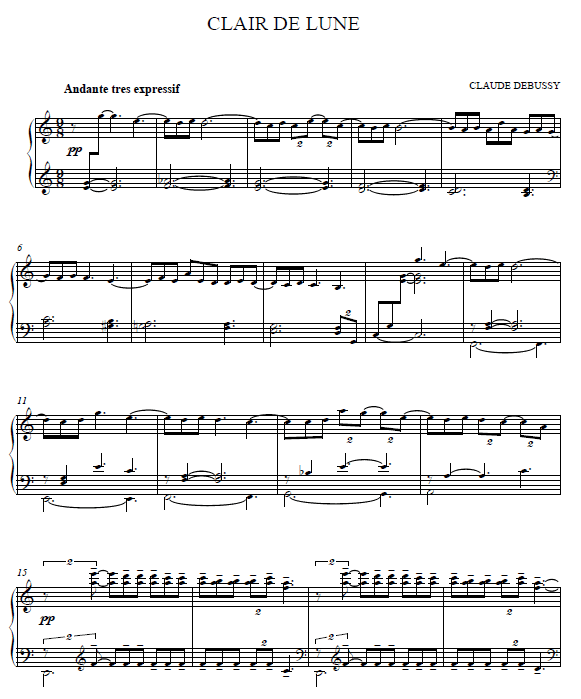
Why Clair de Lune resonates and why it matters for your piano journey
Clair de Lune is gentle, lyrical, and full of color. It teaches touch, pedal control, and voicing all at once. Learning how to play Clair de Lune on piano builds musicality more than scale drills alone. You practice phrasing, slow tempo control, and subtle weight shifts between hands. This piece rewards small refinements and listening skills. It also fits many skill levels when broken into manageable parts.

What you need before you start learning
Prepare a clear plan. Gather these items and habits before you begin.
- A good edition of the score with fingerings and dynamics visible.
- A working piano or weighted digital keyboard tuned and comfortable to play.
- A metronome for steady practice.
- Patience to practice very slowly at first.
- Basic ability to read simple scores and play broken chords.
Having the right tools saves time. When you focus, you learn how to play Clair de Lune on piano faster and cleaner.

Step-by-step guide to play Clair de Lune on piano
Follow these steps in order. Keep each step short and repeat it daily.
- Learn the key and time feel.
- Identify D-flat major and the compound meter (9/8). Clap the pulse: three groups of three eighth notes.
- Sight-read the main melody slowly.
- Play the right-hand line alone at half speed. Sing the phrase as you play.
- Practice left-hand arpeggios separately.
- Play broken chords with a soft touch and even timing. Keep them steady.
- Combine hands in small chunks.
- Start with two measures. Match the melody rhythm to the left-hand pattern. Stop when it feels uneven.
- Add pedal carefully.
- Mark pedal changes where the harmony changes. Use half-pedaling or quick lifts to avoid blur.
- Shape phrases and dynamics.
- Make the melody sing. Bring out long notes above the arpeggio texture. Pull back where the phrase breathes.
- Increase tempo gradually.
- Use your metronome. Raise the speed by small increments only when accuracy stays.
- Work on rubato and color.
- Slightly stretch important notes. Return to the pulse afterwards so the phrase stays together.
Repeat steps and refine. This sequence shows how to play Clair de Lune on piano in a way that builds control and beauty.

Technical tips: fingering, pedaling, voicing, and rubato
Small technical choices shape the sound. Use these practical tips.
- Fingering should allow smooth legato and minimal hand shifts. Use 3-2-1 patterns where long slurs occur.
- Pedal on harmony changes. Lift quickly when the harmony shifts to keep clarity. Practice without pedal, then add pedal sparingly.
- Voicing: keep the melody louder than the arpeggio. Use wrist weight to keep accompaniment soft.
- Rubato: delay or stretch a note inside a phrase. Always return to the base pulse. Keep rubato tasteful and limited.
These moves teach you how to play Clair de Lune on piano with clarity and expression.

A four-week practice plan to learn efficiently
A simple plan keeps you focused and avoids overwhelm.
- Week 1: Hands separate. Learn the right-hand melody and left-hand arpeggios very slowly. Focus on accuracy.
- Week 2: Hands together in small chunks. Add basic dynamics and keep tempo steady.
- Week 3: Refine pedaling and voicing. Start linking phrases and practice longer runs.
- Week 4: Add expression and rubato. Record yourself and adjust tone and timing.
Short, daily sessions of 20–40 minutes beat long, unfocused practice. This plan shows steady progress on how to play Clair de Lune on piano.

Common mistakes and how to fix them
Watch for these frequent issues and use the fixes below.
- Rushing the tempo. Stop and slow down. Use a metronome and set small, measurable goals.
- Over-pedaling that blurs harmony. Practice with no pedal, then add pedal at chord changes only.
- Weak melody under the arpeggio. Practice melody alone, then reduce left-hand volume. Record and compare.
- Tense wrists and arms. Relax and play with a slow, flexible wrist motion. Take breaks to avoid stiffness.
- Ignoring small details. Fix tiny spots by looping them slowly until fluid.
Avoiding these mistakes speeds learning and improves musicality in how to play Clair de Lune on piano.

Frequently Asked Questions of how to play clair de lune on piano
How hard is Clair de Lune for an intermediate player?
Clair de Lune is manageable for many intermediate players. The challenge lies in tone, pedaling, and phrasing more than fast notes.
Should I use the sustain pedal throughout the piece?
No. Use pedal selectively at harmony changes. Excessive pedal blurs the harmony and hides the melody.
How long will it take to learn how to play Clair de Lune on piano well?
With daily focused practice, expect solid progress in 4–8 weeks. Mastery of tone and expression may take a few months.
Can I play Clair de Lune from memory?
Yes. Learn in small sections and link them. Memorize with hands separate first, then combine and repeat.
What fingering helps make the melody sing?
Use fingerings that keep the melody legato, often 3-2-1 or 1-2-3 patterns for long slurs. Adjust to your hand size and comfort.
Conclusion
You can learn how to play Clair de Lune on piano by breaking the piece into small parts, practicing hands separately, controlling pedal, and shaping phrases with care. Start slow, focus on tone, and repeat short, targeted drills daily to build control and emotion. Try the four-week plan, record a practice each week, and refine what you hear. If this guide helped, subscribe for more piano tips or leave a comment with the passage you're stuck on—I'd love to help.

Senior Music Reviewer
Alex Carter is a seasoned music reviewer with over a decade of experience in the world of sound and instruments. Passionate about helping musicians and enthusiasts make informed choices, he brings sharp insights and in-depth knowledge to every review. From classical instruments to modern gear, Alex combines technical expertise with a love for music to deliver content that resonates with readers.
As a Senior Music Reviewer and expert author on Tuneluma.com, Alex is dedicated to sharing honest evaluations, practical advice, and thoughtful commentary to guide readers in their musical journey.