How Much To Replace Guitar Strings: Cost Guide
Replace guitar strings every 1–3 months for active players; cost varies by string type and labor.
I’ve spent years changing strings for students, bands, and my own guitars, so I know the real costs and timing for how much to replace guitar strings. This guide breaks down price ranges, factors that affect cost, DIY versus pro options, and easy ways to save money while keeping tone and playability top-notch. Read on for clear, expert-backed advice about how much to replace guitar strings and when to act.

Why replacing strings matters
Old strings sound dull, lose tuning, and can harm playability. Knowing how much to replace guitar strings helps you plan budgets and avoid bad tone onstage or in the studio.
String age changes tone quickly. Even clean strings can go dead after weeks for heavy players. Playing feel drops as strings corrode or stretch, and broken strings can spoil a set or a gig.
Fresh strings protect frets and improve tuning stability. Tracking how much to replace guitar strings helps you keep a reliable setup and a confident sound.

How often to replace guitar strings: rules of thumb
How often you change strings depends on use, sweat, and style. Here are simple guidelines to estimate how much to replace guitar strings.
- Casual players who play once or twice a week: change every 3–4 months.
- Regular players who practice several times a week: change every 1–2 months.
- Gigging or studio players: change every 1–4 weeks, often before important shows or sessions.
- Players who sweat a lot or play heavy styles: change more often to avoid rapid corrosion.
If you track how much to replace guitar strings by play hours, aim for 50–100 hours per set for clean tone. If tone dulls or strings feel rough, it’s time to replace.

Cost breakdown: how much to replace guitar strings (materials and labor)
Costs vary widely. Here’s a clear breakdown so you can budget for how much to replace guitar strings.
- Entry-level acoustic or electric string sets: $5–$12 per set. These are nylon or basic steel sets.
- Mid-range strings: $12–$20 per set. Better coatings, longer life, and more consistent tone.
- Premium or specialty strings: $20–$40+ per set. Coated strings, nickel/silk options, or boutique brands.
- Professional setup and string change at a shop: $15–$40 extra. This often includes tuning, neck and intonation check, and cleanup.
- Replacement for bass strings: $15–$45 per set. Bass strings cost more due to thicker wire and winding.
How much to replace guitar strings will depend on whether you buy economy or premium sets and whether you pay a tech to do the swap. For many players, budgeting $10–$25 per change is realistic.
DIY vs professional: which costs less and when to pay a tech
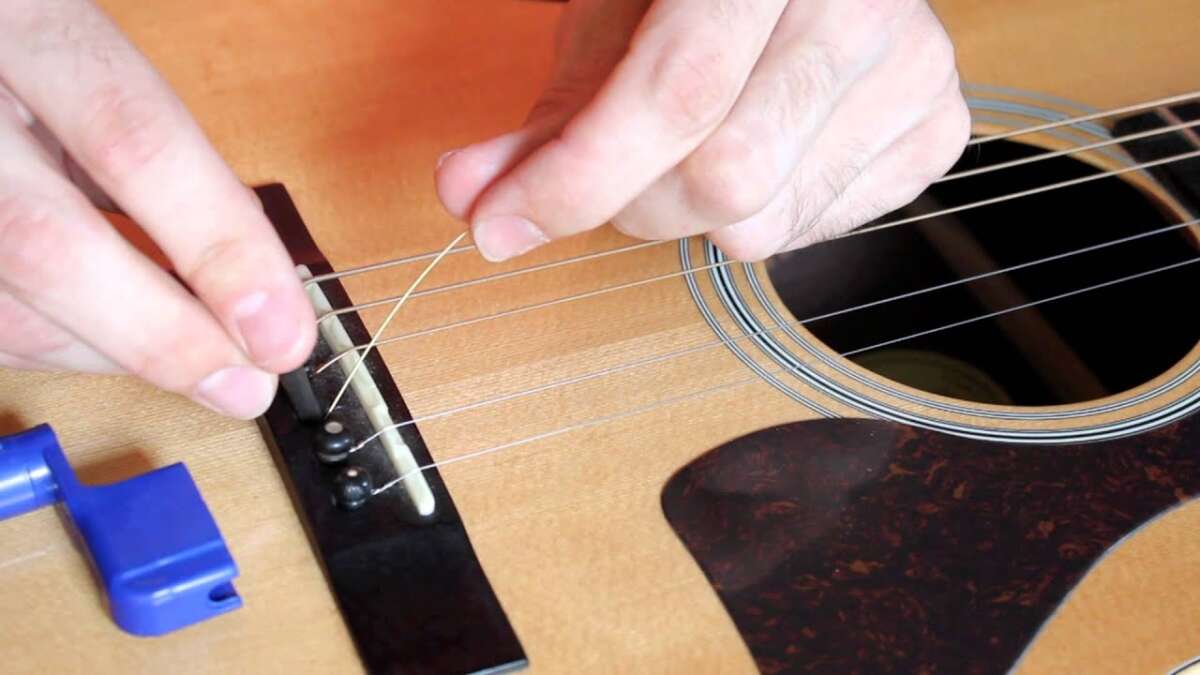
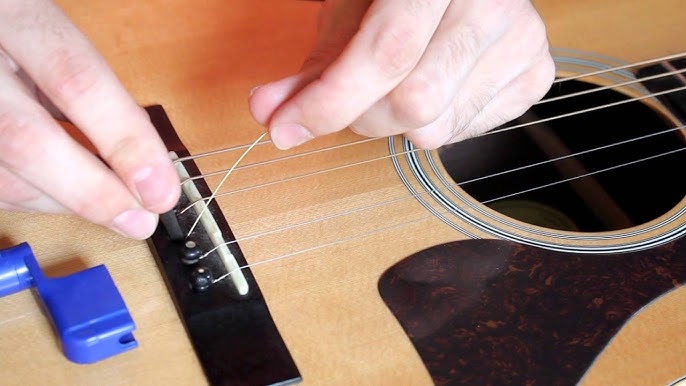
Doing it yourself saves money and gives control. Most players can change strings at home with basic tools in 10–20 minutes.
- DIY pros: Save on labor and learn setup basics. Cost is just the string set.
- When to hire a tech: If you need a full setup, new saddles, or you want precise intonation and stretch-free tuning. A pro helps when you change gauge drastically or have floating tremolo systems.
If you want to know how much to replace guitar strings for live readiness, have spare sets and learn quick changes. For one-off full setups, factor in the shop fee to get optimal tone and stability.
Choosing strings: how choice affects cost and tone
Choosing the right strings changes the price and play feel. Evaluate these factors when you figure out how much to replace guitar strings.
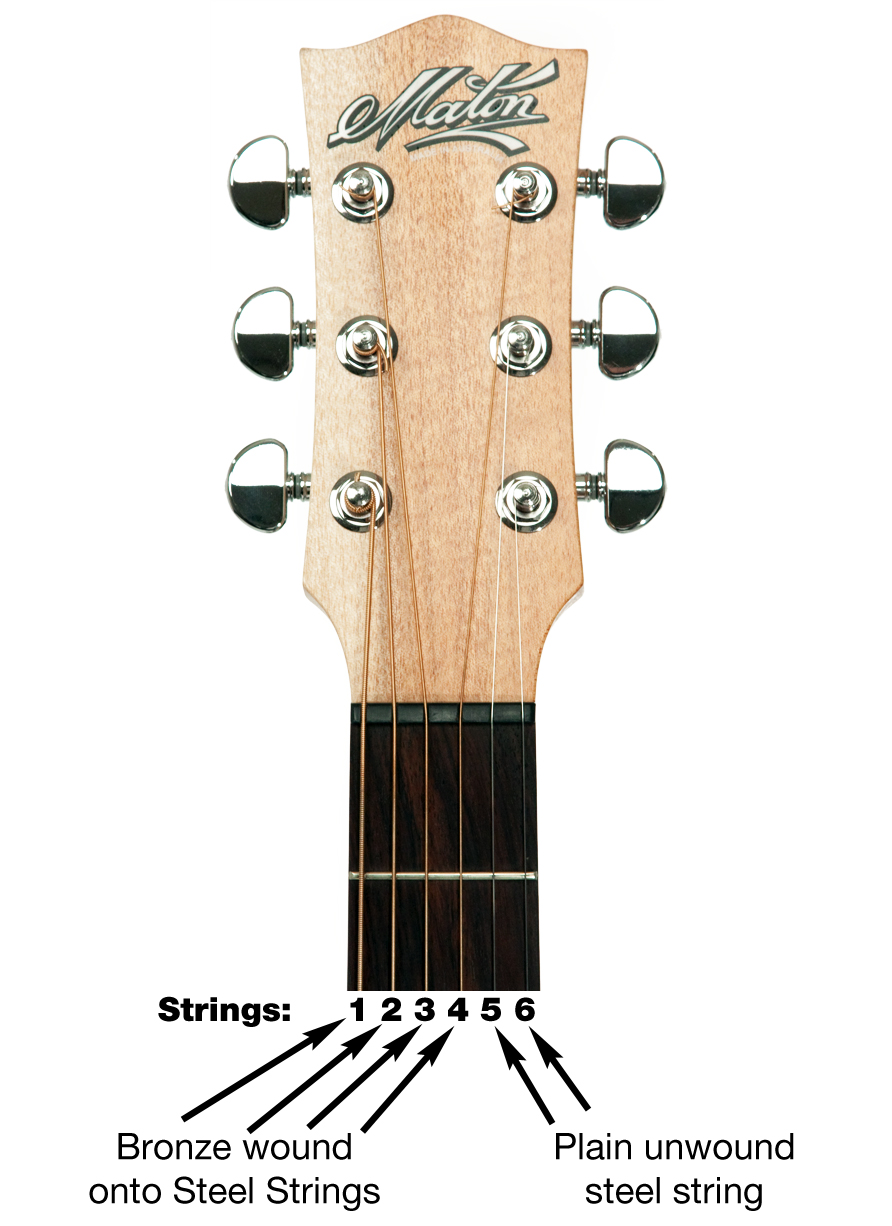
- Material: Nickel, stainless steel, phosphor bronze, and nylon each sound different and cost varies.
- Coating: Coated strings cost more but last longer. They can cut long-term costs if you hate frequent changes.
- Gauge: Heavier gauges can cost a bit more and may need setup work; lighter gauges are cheaper to swap.
- Brand: Big brands offer consistent quality. Boutique brands can be pricier but may suit your tone.
Think of cost per month, not per set. If coated strings double life, you may replace half as often and spend less over time while paying more upfront.

Steps to change strings affordably and correctly
A clean, fast change keeps cost low and results high. Follow these steps for an efficient and safe swap.
- Gather tools: new strings, tuner, wire cutters, cloth, and optional peg winder.
- Loosen and remove old strings one at a time to keep bridge tension steady.
- Clean fretboard and hardware before new strings go on.
- Install new strings, stretch gently, and tune to pitch.
- Trim excess string and check tuning stability after a short play.
Doing this yourself regularly lowers the average cost of how much to replace guitar strings and keeps your tone consistent.

Where to buy and how to spot good value
Buy strings from trusted sellers and look for deals that lower long-term cost. Here’s how to shop smart for how much to replace guitar strings.
- Local music stores: Good for advice and quick pro installs. Prices may be higher but include service.
- Online retailers: Often the best prices and bulk packs. Watch shipping and delivery times.
- Bulk or multi-pack deals: Buying in packs of three or five sets reduces per-set cost.
- Sample a few brands before committing to expensive bulk buys.
Compare price per use. A higher-priced coated set may be cheaper per month than several cheap sets if it lasts longer.

Tips to extend string life and reduce replacement cost
Small habits make strings last longer and lower how much to replace guitar strings over time.
- Wipe strings after each use to remove sweat and oils.
- Wash hands before playing to cut grime buildup.
- Use coated strings if you sweat or play outdoors often.
- Store guitars in stable humidity and away from kitchen air or salt air.
- Rotate sets: use one set for practice and a fresh set for gigs or recordings.
These habits cut frequency of changes and save money while keeping tone fresh.

My experience: mistakes and lessons learned
I once used cheap strings on tour to save money. They broke mid-set and cost us a slot. I learned to carry spares and choose a mid-range coated set for travel. That choice raised my per-change cost slightly but saved time and stress.
Another lesson: changing gauge without a setup causes intonation and neck issues. Spend a little on a pro setup when switching gauges. This prevents costly repairs and answers the real question of how much to replace guitar strings in a full-setup scenario.
Frequently Asked Questions of how much to replace guitar strings
How often should I replace my guitar strings?
For casual players, replace every 3–4 months. For regular players, change every 1–2 months, and for gigging players, consider weekly or biweekly swaps.
How much does a basic set of guitar strings cost?
A basic set costs around $5–$12. Expect to pay $12–$20 for mid-range sets and $20+ for premium or coated strings.
Is it cheaper to change strings myself or go to a shop?
DIY is cheaper if you already have basic tools. Shops charge $15–$40 for a string change with setup, which is worth it for full setups or tremolo systems.
Do coated strings save money long term?
Yes. Coated strings cost more upfront but last longer, so they often lower monthly cost if you value tone and minimal changes.
Will changing strings affect my guitar’s setup?
Yes. Large gauge changes can alter neck tension and intonation. A pro setup is recommended when changing gauge to avoid playability issues.
Conclusion
Fresh strings make a big difference in tone, feel, and reliability. Track how much to replace guitar strings by your play time and budget, and weigh the upfront cost of better strings against how often you’ll replace them. Start simple: buy a mid-range set, learn to change strings, and keep spares for shows. Try one change schedule for a few months, see what works, and adjust. If this guide helped, leave a comment with your favorite string brand or subscribe for more practical guitar tips.

Senior Music Reviewer
Alex Carter is a seasoned music reviewer with over a decade of experience in the world of sound and instruments. Passionate about helping musicians and enthusiasts make informed choices, he brings sharp insights and in-depth knowledge to every review. From classical instruments to modern gear, Alex combines technical expertise with a love for music to deliver content that resonates with readers.
As a Senior Music Reviewer and expert author on Tuneluma.com, Alex is dedicated to sharing honest evaluations, practical advice, and thoughtful commentary to guide readers in their musical journey.