How To Play All Of You On Piano: Easy Step-By-Step Guide
Learn the melody first, then add simple chords, voicings, and steady left-hand comping.
I’ve played jazz standards and pop tunes on the piano for years, and I’ll walk you through how to play All of You on piano step by step. This guide explains how to learn the melody, read a lead sheet, build chord voicings, practice hands separately, and add personal flair. If you want a clear, practical path to playing All of You on piano with confidence, you’re in the right place. Read on to get actionable practice plans, common pitfalls, and tips I use in live and studio settings.

Understand the song and its structure
Start by learning what the tune is built from. Most versions of All of You follow a clear form and a memorable melody. Listen to a recording and hum the tune. Then get a lead sheet or simple transcription so you see the melody and chord symbols.
Common observations about All of You:
- The melody is lyrical and repeats motifs across sections.
- The form is usually short—easy to learn in chunks.
- Chords support the melody and contain familiar progressions like ii-V or II-V-I.
Knowing the form makes practice far faster. When you know where the chorus or bridge sits, you can work in small, focused reps.
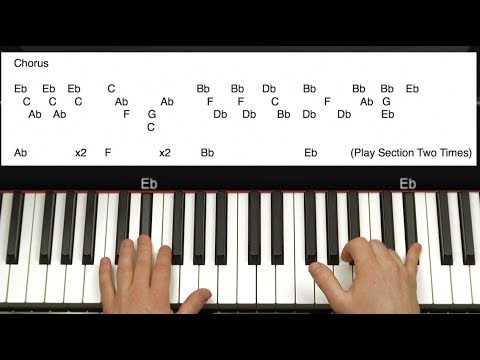
Read the melody and learn it hands separately
The fastest way to start is to isolate the melody. Play the melody with your right hand until it feels natural. Sing it while you play. This trains your ear and your phrasing.
Steps to learn the melody:
- Play short phrases, 2–4 bars at a time.
- Use slow tempo and a metronome; speed up 5% when comfortable.
- Mark tricky rhythm spots and practice them separately.
Practice tip from my experience: record yourself playing the melody. Listening back reveals timing and phrasing issues you don’t notice while playing.

Map the chords and understand harmony
Next, read the chord symbols under the melody. Knowing the chord changes helps you choose left-hand voicings and guide improvisation.
How to approach chords:
- Identify the home key and common cadences.
- Label each chord: major, minor, dominant, diminished, or altered.
- Spot ii-V patterns and turnarounds; these are your roadmap for comping and solos.
When I teach students how to play All of You on piano, I focus on recognizing patterns rather than memorizing every chord as an isolated fact. Patterns make changes predictable and easier to internalize.
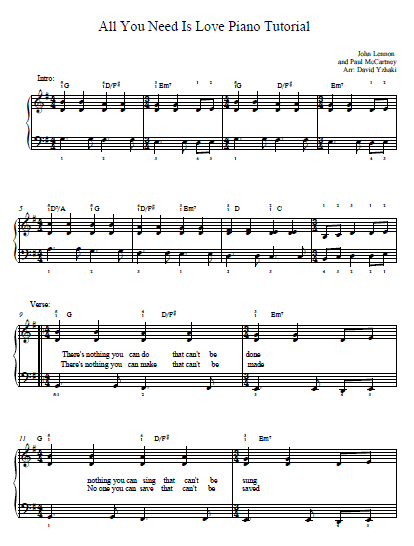
Build simple left-hand comping patterns
Your left hand is the harmonic foundation. Start simple and steady. A consistent rhythm keeps the tune moving while your right hand sings the melody.
Left-hand options:
- Quarter-note roots: play the chord root on beats 1 and 3.
- Root + fifth: add the fifth on beat 2 for steady motion.
- Shell voicings: play root and seventh for a modern jazz sound.
- Tenths or stride for a fuller, singer-accompaniment feel.
Personal tip: when I accompany singers on All of You, I use rootless voicings in the mid-register and add a strong bass note on important downbeats. This blends well with vocal lines.

Learn right-hand chord voicings and embellishments
Once melody and basic comping are secure, add color with right-hand voicings. These fill the space and create smooth voice leading.
Voicing ideas:
- Block chords under the melody for a fuller sound.
- Drop-2 voicings to smooth chord motion between changes.
- Upper-structure triads (triads built above the bass) for modern harmony.
- Simple passing tones and neighbor notes to decorate the melody.
Keep ornamentation tasteful. Less is often more, especially on a lyrical tune like All of You.
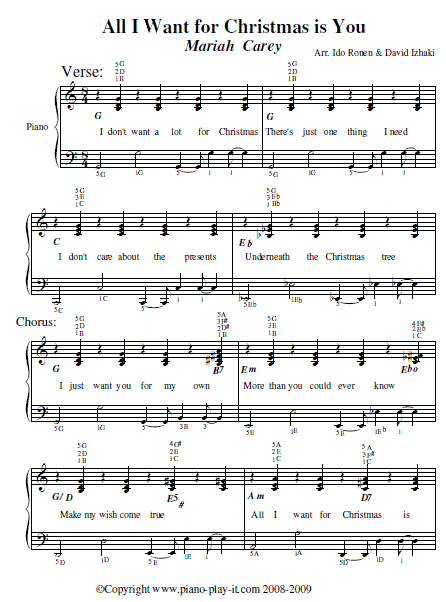
Put hands together: synchronization and timing
Hands together is where many players stall. Work gradually and stay patient.
A practice plan:
- Play small sections hands separately, then hands together at a slow tempo.
- Count out loud: a clear beat helps lock left-hand comping with right-hand melody.
- Use a metronome. Slow is precise; fast is sloppy unless you build speed from slow reps.
From my experience, gaps in timing disappear after focused hands-together reps of 1–2 minutes each. Short, frequent sessions beat long, tired practice.

Add rhythm, feel, and dynamics
All of You can be played ballad-style or with a light swing. Decide on the feel early and shape your touch to match it.
Rhythm and feel tips:
- For ballad feel, play with rubato and wider dynamic range.
- For swing, use a subtle triplet feel in the right hand and a steady comp in the left.
- Highlight the melody with small crescendos and decrescendos.
- Use space: leaving rests can make the phrase breathe.
I often experiment with tempo and feel on the day of performance. The tune can sound very different and fresh at each tempo.

Simple arrangement ideas and small solos
Turn a lead sheet into a personal arrangement. Start small and keep structure clear.
Arrangement ideas:
- Intro: 4 bars played as a solo piano statement of the melody or motif.
- A section: melody with sparse comping.
- B section: reharmonize a phrase or add a short solo.
- Outro: restate the melody simply to close.
For solos, outline the chord tones first. Use short motifs and repeat them. This keeps solos melodic and tied to the song.
Common mistakes and how to avoid them
Knowing common errors helps you progress faster. I’ve seen these issues in students and fixed them quickly.
Frequent pitfalls:
- Trying to learn the whole song at once; break it into parts instead.
- Rushing hands-together practice; slow is precise and efficient.
- Overplaying the right hand and drowning the harmony; let left hand support.
- Ignoring chord harmony; this makes improvisation hard.
Fixes are simple: shorter practice chunks, tempo control, and priority on taste over speed.
Practice plan to master All of You on piano
A weekly plan will move you from first sight to confident performance.
7-day practice plan:
- Day 1: Listen and hum. Learn melody phrases.
- Day 2: Hands separately—melody and left-hand comping.
- Day 3: Hands together slowly; focus on two sections.
- Day 4: Work voicings and add simple fills.
- Day 5: Practice transitions and bridge, increase tempo 5–10%.
- Day 6: Play through the whole form; add dynamics.
- Day 7: Record a mock performance and evaluate.
Stick to 20–40 minute sessions. Short, focused work beats long, distracted hours.
Resources and next steps
Get a lead sheet and a few recordings. Transcribe the melody and small fills by ear. Use practice tools like a metronome and slow-down software to nail tricky sections.
Next steps:
- Learn a second arrangement for variety.
- Transcribe a short solo from a recording to internalize style.
- Play with a drummer or a bassist to develop time and feel.
When people ask me how to play All of You on piano, I tell them the song rewards listening and patient repetition. The more you listen, the more natural your choices will be.
Frequently Asked Questions of how to play all of you on piano
What key should I learn All of You in?
Pick a comfortable key for your voice or hands. Many lead sheets are in friendly keys like C or F, but transpose as needed to match your comfort.
Do I need to read sheet music to play All of You on piano?
No. You can use a lead sheet with chord symbols and the melody line. Reading music helps, but ear learning and chord knowledge work too.
Should I play All of You slowly or at tempo?
Start slow to secure accuracy. Gradually increase tempo only when hands are together and relaxed.
How can I add jazz colors without sounding cheesy?
Use simple extensions like 9ths or 13ths and aim for smooth voice leading. Tasteful sparsity beats flashy runs.
How long will it take to learn All of You on piano?
Time varies by experience. With focused 20–40 minute daily practice, many players learn a clean arrangement in 1–3 weeks.
Conclusion
You can learn how to play All of You on piano by breaking the song into melody, chords, and voicings, and by practicing in short, focused sessions. Start slow, listen to recordings, and build your arrangement step by step. Try the 7-day practice plan, record yourself, and focus on musical choices rather than speed. Ready to start? Pick a recording, grab a lead sheet, and play the first phrase today — then come back and refine it. Leave a comment below or subscribe for more practice guides and arrangements.

Senior Music Reviewer
Alex Carter is a seasoned music reviewer with over a decade of experience in the world of sound and instruments. Passionate about helping musicians and enthusiasts make informed choices, he brings sharp insights and in-depth knowledge to every review. From classical instruments to modern gear, Alex combines technical expertise with a love for music to deliver content that resonates with readers.
As a Senior Music Reviewer and expert author on Tuneluma.com, Alex is dedicated to sharing honest evaluations, practical advice, and thoughtful commentary to guide readers in their musical journey.