How Much Does An Electric Guitar Weigh: Weight Guide
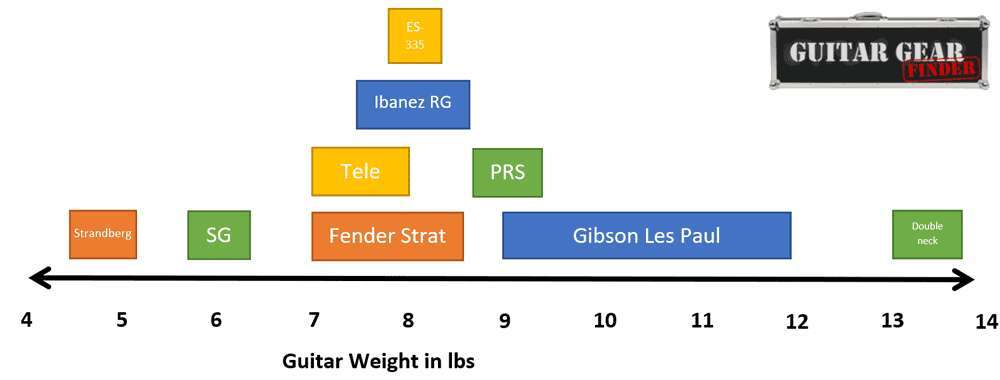
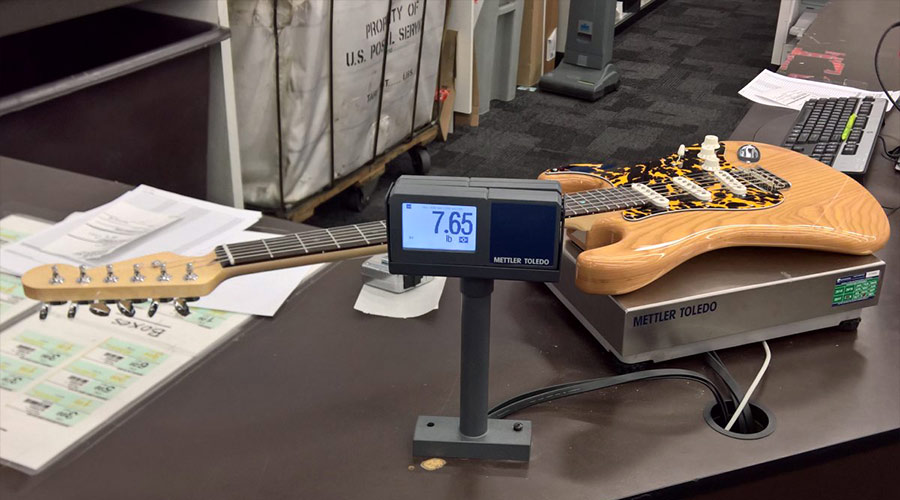
Most electric guitars weigh between 6 and 10 pounds, depending on body type and materials.
I have spent years testing, repairing, and playing dozens of guitars, so I know how much does an electric guitar weigh matters for tone, comfort, and gigging. This guide breaks down weight ranges, why weight influences sound and feel, and how to choose a guitar that fits your body and style. Read on for clear, practical advice based on hands-on experience and industry knowledge.
Why weight matters for electric guitars
Weight affects comfort, balance, and tone. Knowing how much does an electric guitar weigh helps you pick one you can play for hours without pain. Heavier guitars can feel more solid and may ring differently than lighter ones. Lighter guitars make long sessions easier and reduce strap fatigue on stage.
- Comfort and endurance
- A heavier guitar tires your shoulders and back faster.
- Tone and sustain
- Solid, dense bodies can give more sustain and a different low-end feel.
- Balance and playability
- Weight distribution affects how the guitar sits and whether it neck-dips.
From my experience, a 9-pound guitar feels very different after a three-hour set than a 7-pound guitar. Consider both total weight and where that weight sits. Understanding how much does an electric guitar weigh will guide better choices for practice, studio, and live work.

Key factors that determine an electric guitar's weight
Several features decide how much does an electric guitar weigh. Here are the main ones.
- Body wood
- Dense woods like mahogany add pounds. Lightweight woods like alder or swamp ash reduce weight.
- Body construction
- Solid-body models are usually heavier than chambered or hollow designs.
- Hardware and bridge type
- Big bridges, tremolos, and heavy tuners plus metal knobs add weight.
- Electronics and pickguard
- Multiple pickups, cavity covers, and switches contribute a small but real amount.
- Neck construction and materials
- Thick necks and heavy fingerboards add a half to a full pound.
- Finish and paint
- Heavy finishes and thick lacquer add weight in small increments.
When you ask how much does an electric guitar weigh, remember each part adds up. A change in wood or hardware can shift a guitar from light to heavy in a noticeable way.

Typical weight ranges by guitar type
Here are common weight ranges to help you set expectations when asking how much does an electric guitar weigh.
- Solid-body electric guitars
- Typical range 6 to 9.5 pounds. Many fall near 7.5 pounds.
- Chambered-solid guitars
- Typical range 6 to 8 pounds. Chambers cut a noticeable amount of weight.
- Semi-hollow guitars
- Typical range 6 to 9 pounds, depending on center blocks and size.
- Hollow-body electric guitars
- Typical range 5.5 to 8.5 pounds, often lighter than big solid bodies.
- Headless and minimalist designs
- Typical range 4 to 6.5 pounds, often the lightest options available.
If you need a quick rule: most full-size solid-body electrics weigh between 6 and 10 pounds. That answer covers many models and is a practical baseline for buyers comparing guitars.
Weight examples from popular models
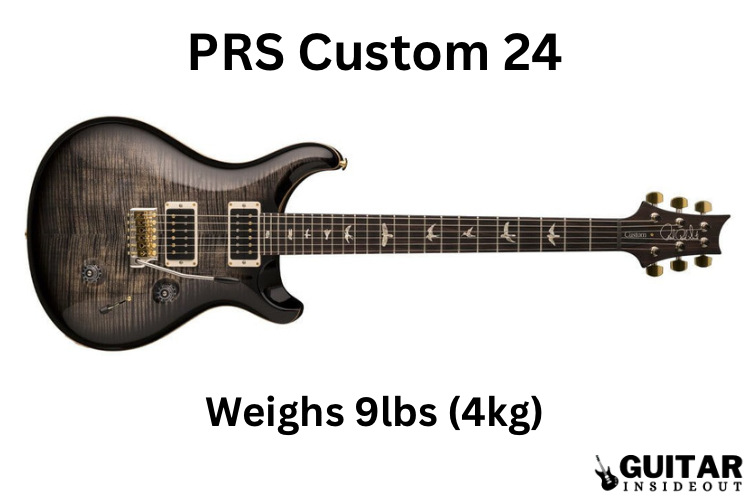
These approximate weights show real-world examples of how much does an electric guitar weigh.
- Classic single-cut solid-body examples
- Many single-cut guitars commonly weigh 8.5 to 10 pounds due to mahogany bodies.
- Double-cut solid-body examples
- Double-cut designs with alder bodies often weigh 7 to 8.5 pounds.
- Semi-hollow examples
- Semi-hollows with center blocks typically range 7 to 9 pounds.
- Thin, travel, or headless examples
- Travel and headless models can be as light as 3.5 to 6.5 pounds.
I have owned lightweight headless guitars for travel and a mahogany single-cut for studio work. The studio tone was rich, but I preferred the lighter guitar for long gigs. This shows why knowing how much does an electric guitar weigh matters in practice.

How weight affects playability and tone
Weight can change how you play and the sound you get. Understanding how much does an electric guitar weigh will help you decide what matters most: comfort or tone.
- Playability
- Heavy guitars can cause fatigue. Lighter guitars encourage freer movement.
- Tone and sustain
- Denser bodies often increase sustain and low-end warmth.
- Resonance and feel
- Chambered or hollow guitars feel airier and can respond differently to dynamics.
From the road, I learned that a slightly heavier guitar can sit better on a strap and reduce rattles. But for long standing shows, a lighter guitar keeps your back happy. Pick the trade-off that suits your style.

Tips to choose or reduce guitar weight
Want to control how much does an electric guitar weigh? Use these practical tips.
- Test in person
- Always hold the guitar for at least 10 minutes to feel long-term comfort.
- Look for chambered bodies
- Chambering can cut 10 to 20 percent of the weight without huge tone loss.
- Choose lighter hardware
- Swap heavy bridges, tuners, and knobs for lighter alternatives to shave ounces.
- Consider body wood
- Alder and swamp ash are light; mahogany and maple are heavier.
- Try a different strap
- Padded, wider straps distribute weight and reduce pain even if the guitar is heavy.
- Use modern lightweight models for travel
- Headless and travel guitars are engineered to keep weight low.
I once reduced a guitar weight by a pound by swapping a heavy tremolo and changing tuners. Small changes add up. Think how much does an electric guitar weigh, then plan small mods to get closer to your ideal.

Buying, travel, and transport considerations
Weight matters beyond playing. It impacts cases, airlines, and stage setups. Keep these points in mind about how much does an electric guitar weigh.
- Cases and gig bags
- Hard cases add 7 to 10 pounds. Factor case weight into travel plans.
- Airline travel
- Check airline carry-on rules; heavy guitars may exceed limits when in a hard case.
- Stage gear
- Heavier guitars may need sturdier stands and stronger strap locks.
- Local gigs and load-ins
- If you lift gear alone, prefer lighter options to avoid injury.
I always weigh a packed case before a flight or long drive. That habit saved me from fees and last-minute stress. Remember that how much does an electric guitar weigh includes all gear around it.
Frequently Asked Questions of how much does an electric guitar weigh
How much does an electric guitar weigh on average?
Most electric guitars weigh between 6 and 9 pounds, with solid-body models often near 7.5 pounds. Variations depend on wood, hardware, and body style.
Do heavier guitars sound better?
Heavier guitars often have more sustain and a fuller low end, but sound preference is subjective. Lighter guitars can be more resonant and easier to play for long sessions.
Can I make my guitar lighter without hurting tone?
Yes. Chambering the body and swapping heavy hardware can reduce weight while keeping tone close to the original. Every change affects tone to some degree, so test mods gradually.
Is a 10-pound guitar too heavy to gig with?
A 10-pound guitar is on the heavy side but still playable for many musicians. Use a wide strap, take breaks, and consider a lighter backup for long sets.
Do case and accessories count when asking how much does an electric guitar weigh?
Yes. A guitar's travel weight includes the case, cables, and accessories, which can add several pounds. Always factor in packed weight when traveling.
Will changing pickups affect guitar weight much?
Pickups add a small amount of weight, usually a few ounces each. Replacing full-size humbuckers with lighter units saves little compared to body wood and hardware swaps.
Conclusion
Weight shapes comfort, tone, and logistics. Knowing how much does an electric guitar weigh helps you choose the right instrument for playing style, body type, and travel needs. Test guitars in person, consider chambered designs or lighter hardware, and factor in case weight for travel. Take action today: pick two guitars in different weight ranges, play each for 15 minutes, and note how your body feels—then choose the one that lets you play more and feel better. Share your experience, subscribe for more gear guides, or leave a comment with the guitar weight you prefer.

Senior Music Reviewer
Alex Carter is a seasoned music reviewer with over a decade of experience in the world of sound and instruments. Passionate about helping musicians and enthusiasts make informed choices, he brings sharp insights and in-depth knowledge to every review. From classical instruments to modern gear, Alex combines technical expertise with a love for music to deliver content that resonates with readers.
As a Senior Music Reviewer and expert author on Tuneluma.com, Alex is dedicated to sharing honest evaluations, practical advice, and thoughtful commentary to guide readers in their musical journey.